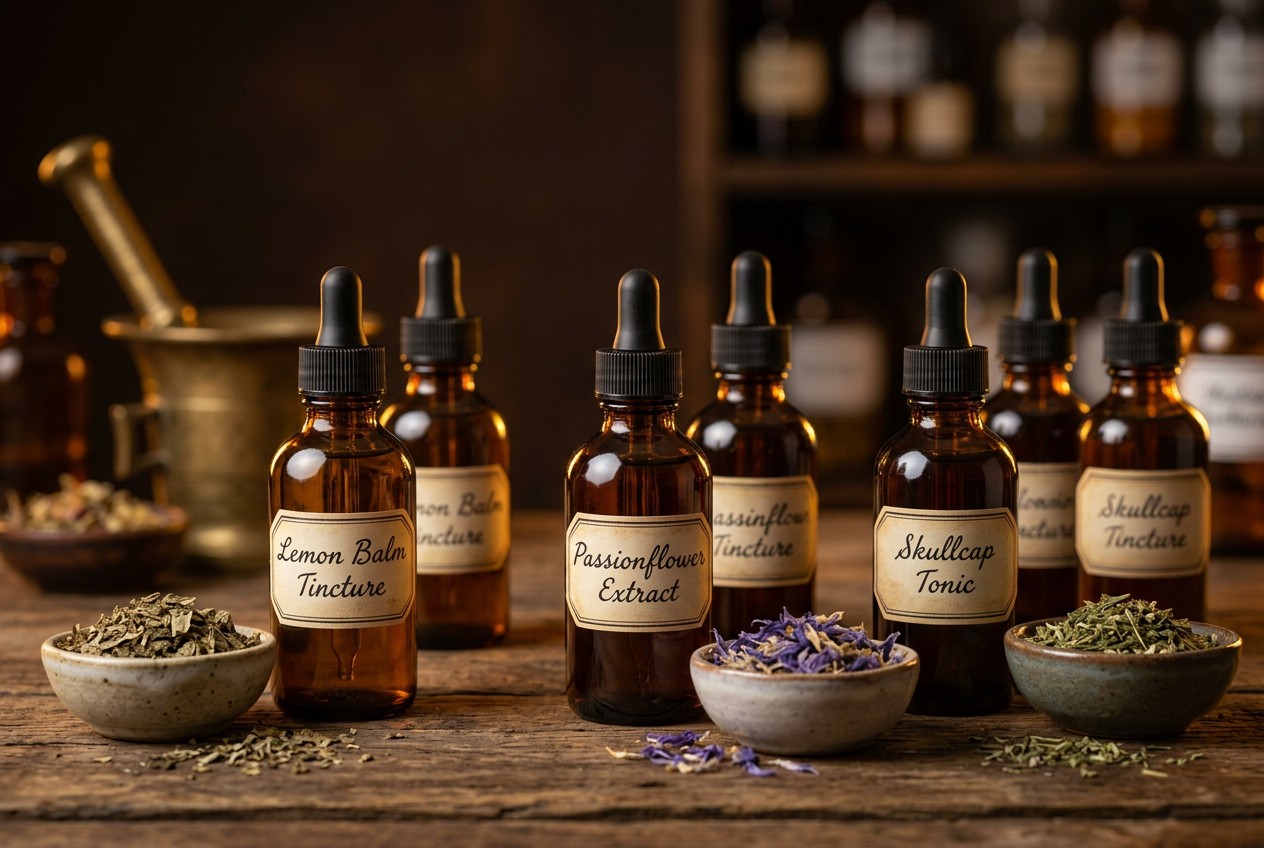
Herbal Tincture Recipe for Anxiety: Calming Botanical Blend
Make your own anxiety relief tincture with lemon balm, passionflower, and skullcap. Get the recipe for this calming nervine blend.
Read MoreApothecary recipes for tinctures, salves, infused oils, and herbal preparations rooted in traditional plant medicine.
4 recipes
The apothecary is where the kitchen meets the medicine cabinet. These recipes cover the foundational preparations of traditional herbalism: tinctures, infused oils, salves, oxymels, poultices, and concentrated extracts. They are the building blocks that feed into everything else on this site, from cocktail bitters to wellness tonics.
Each preparation includes sourcing notes, shelf life expectations, and the specific extraction methods that pull the right compounds from each plant. This is practical herbalism, not mysticism. Measure carefully, label everything, and respect the plants.
Make your own anxiety relief tincture with lemon balm, passionflower, and skullcap. Get the recipe for this calming nervine blend.
Read More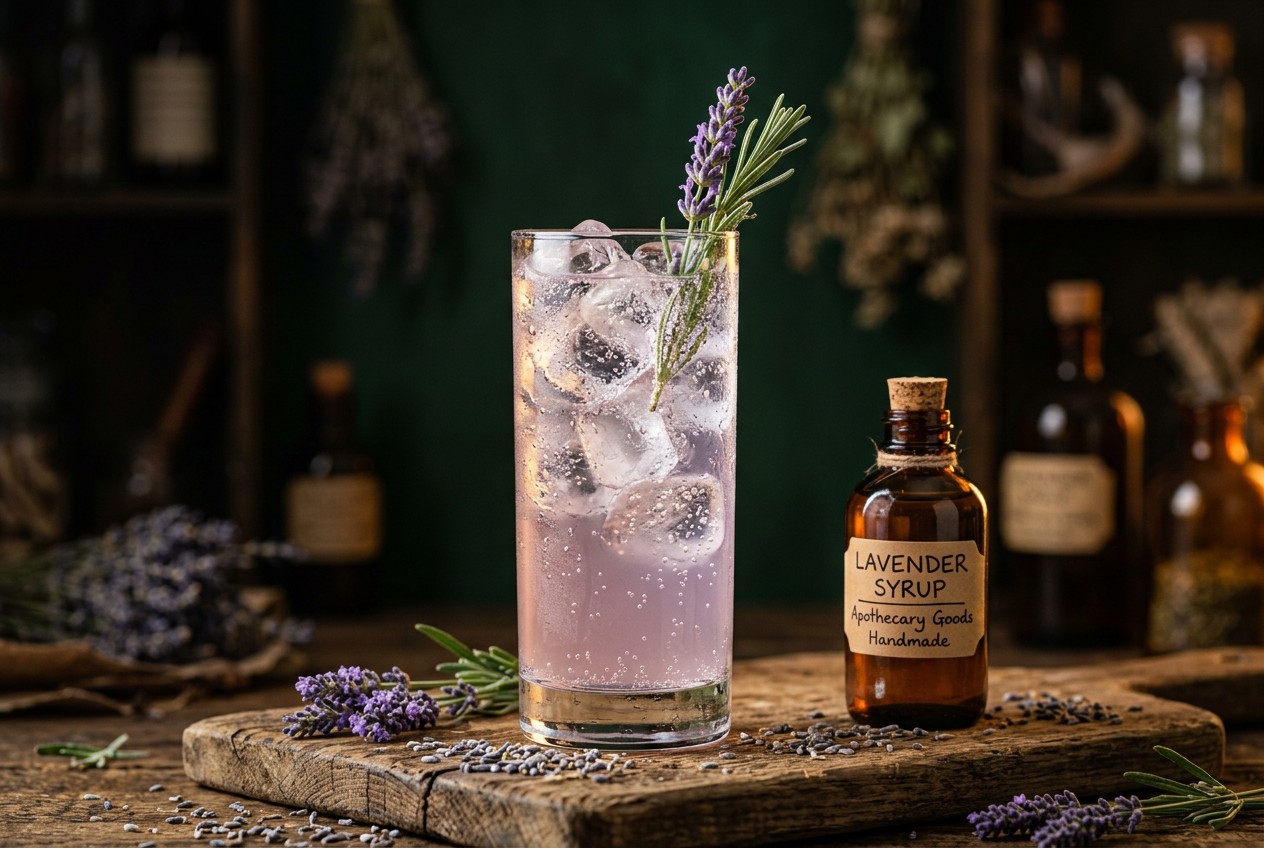
Homemade lavender simple syrup with culinary lavender and raw sugar. Perfect for spring mocktails and iced teas. Get the recipe.
Read More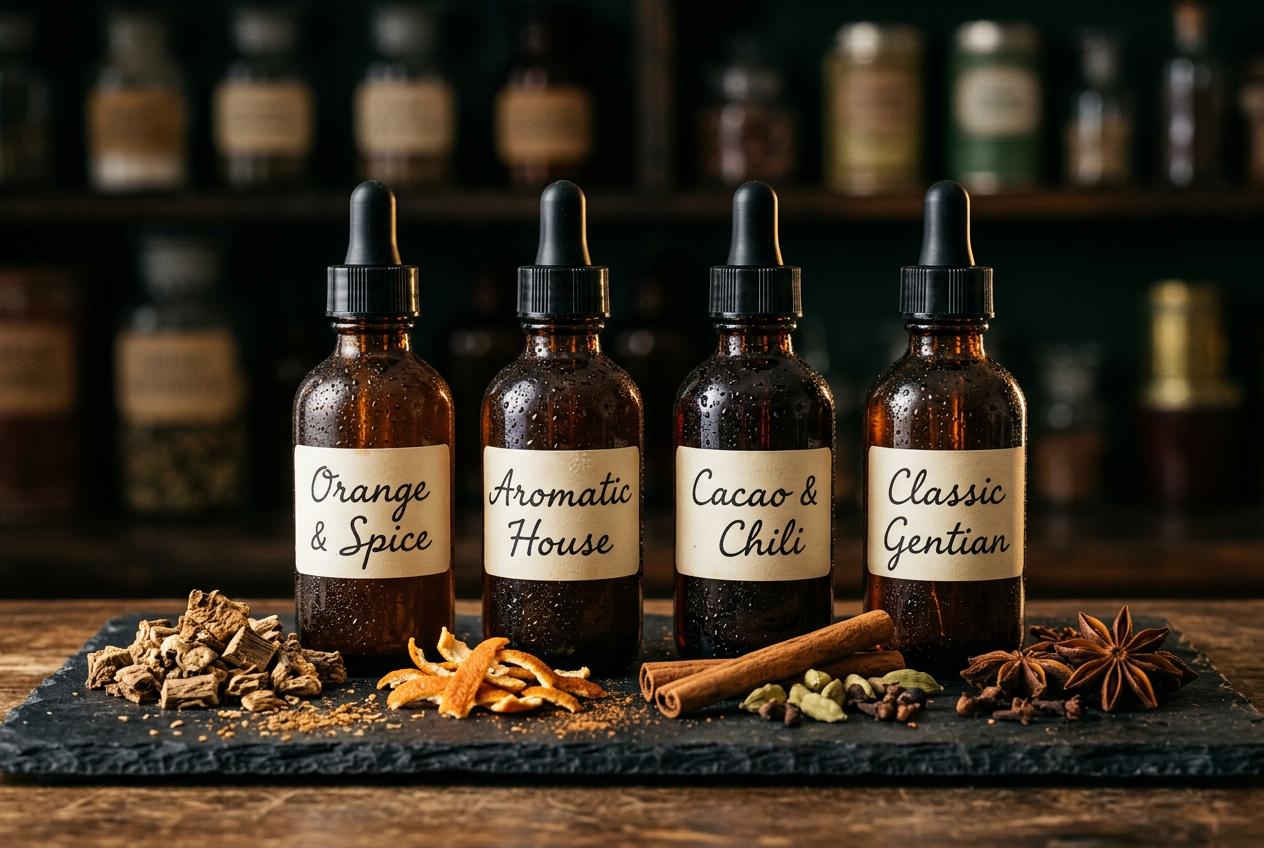
Learn how to make your own aromatic cocktail bitters at home. Two beginner recipes, a complete ingredient guide, and tips for using bitters in …
Read More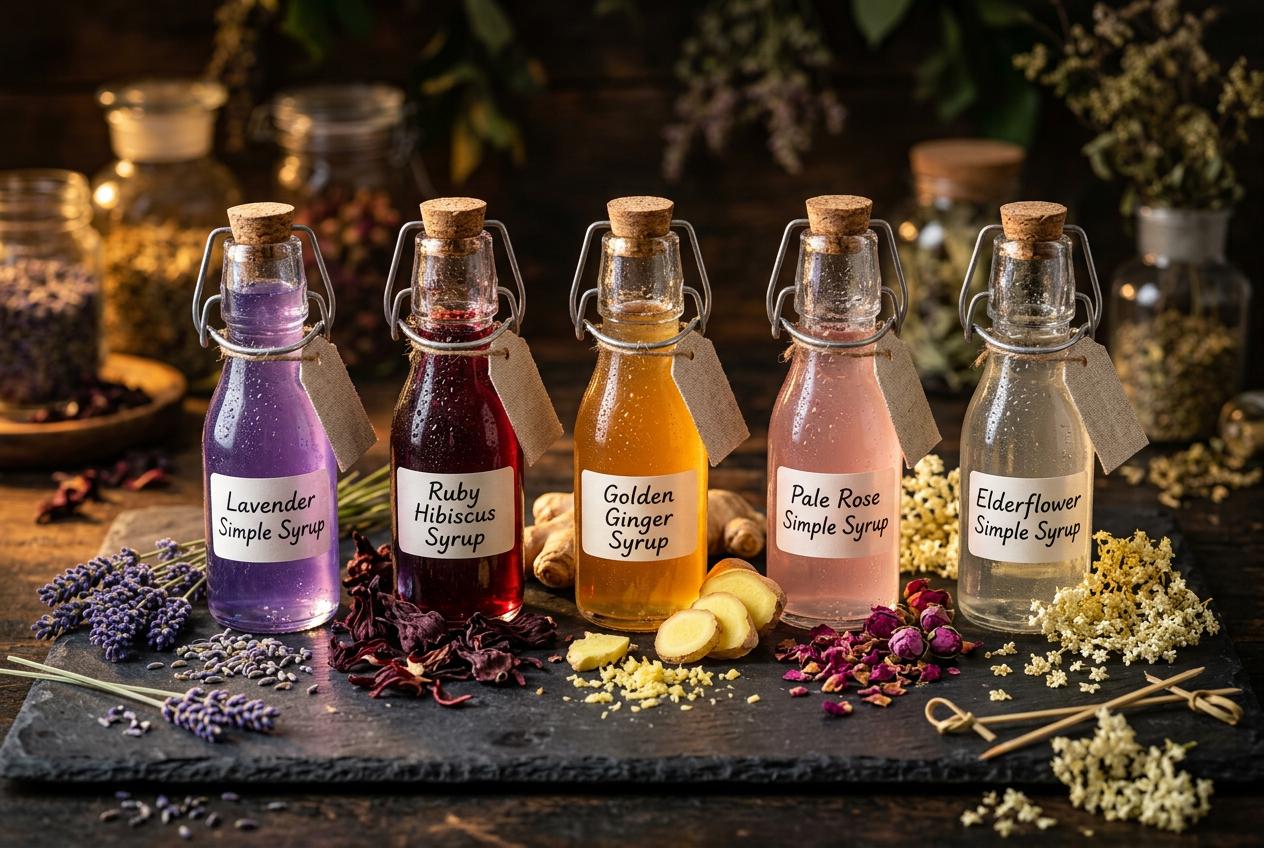
Learn how to make 8 botanical simple syrups including lavender, rose, ginger, and more. Complete recipes with steeping times and cocktail pairing …
Read MoreBoth concentrate plant compounds in a solvent, but the terminology differs by tradition. Tinctures use alcohol as the solvent and are the standard in Western herbalism. Extracts can use alcohol, glycerin, vinegar, or water. In practice, most herbalists use “tincture” for alcohol-based preparations and “extract” as the broader category.
Yes, provided you follow three rules. First, identify your plants with absolute certainty. Never use a plant you cannot positively identify. Second, research contraindications and drug interactions before using any medicinal herb. Third, start with well-documented, gentle herbs like chamomile, calendula, and lemon balm before working with more potent plants.
Standard tinctures use 80-proof (40%) vodka, which extracts most water-soluble and alcohol-soluble compounds effectively. Resins and tough plant material (like myrrh or pine resin) need 95% grain alcohol. Glycerin-based tinctures (glycerites) work for those avoiding alcohol but extract fewer compounds. The recipes here specify the appropriate solvent for each plant.
The folk method calls for 4 to 6 weeks of maceration: herbs submerged in alcohol, shaken daily, stored in a dark place. Some herbalists use a 2-week rapid method with finely chopped herbs and daily agitation. Percolation methods can produce a tincture in hours but require specific equipment. Most recipes here use the 4-week standard.
Dosage depends on the herb, the preparation method, and the person. These recipes provide traditional dosage ranges as a starting point. The general principle is to start low and increase gradually. A standard tincture dose is 30 to 60 drops (1 to 2 dropperfuls) taken 2 to 3 times daily, but potent herbs require much less. When in doubt, consult a qualified herbalist.