
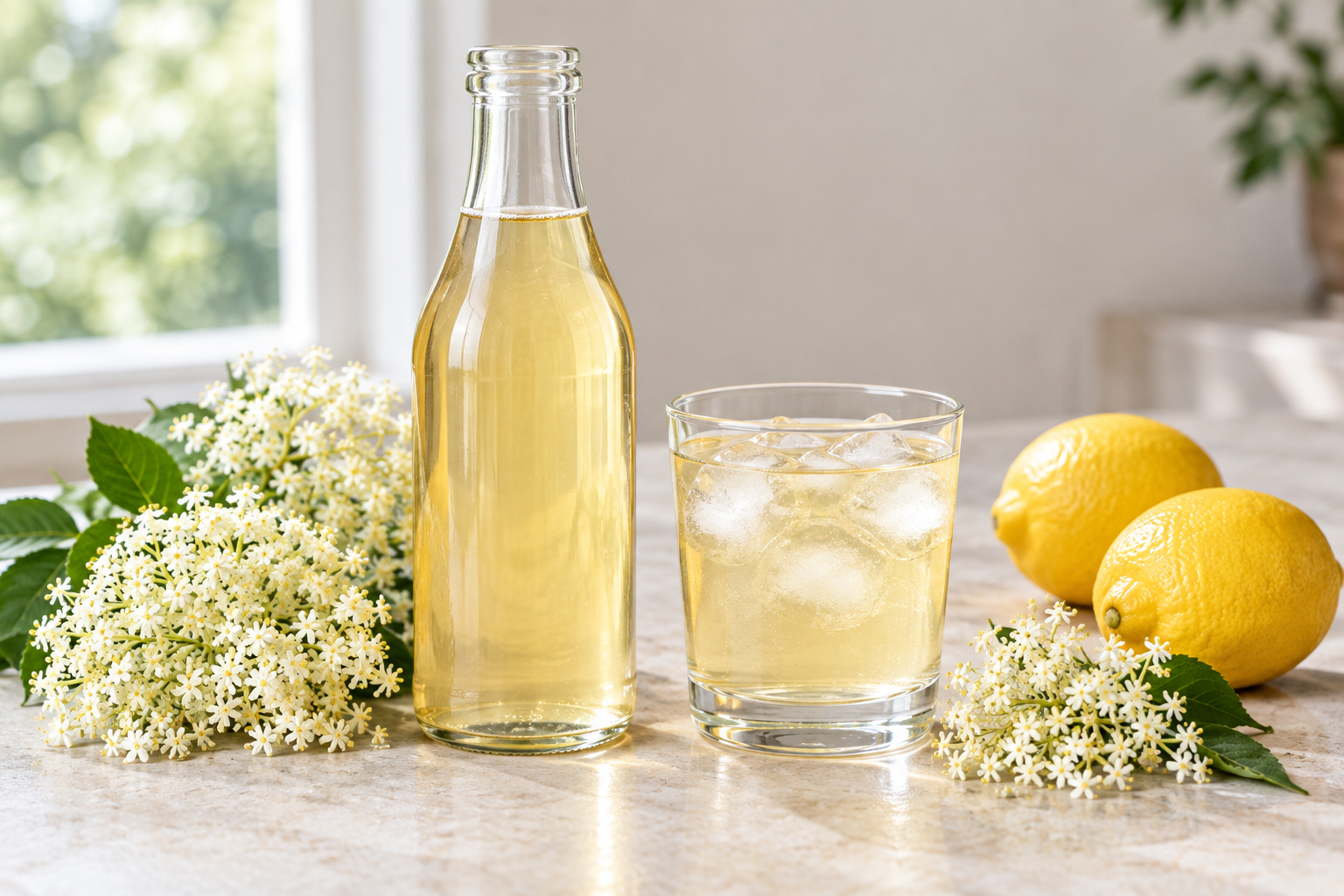
Homemade Elderflower Cordial Recipe for Summer Drinks
Elderflower cordial with weighed sugar and citric acid, measured recovery, a refrigerated infusion and clear spritz ratios and storage.
Read MoreElixir recipes blending herbs, honey, spices, and concentrated plant extracts for potent drinks with ancient roots.
9 recipes
Elderflower cordial with weighed sugar and citric acid, measured recovery, a refrigerated infusion and clear spritz ratios and storage.
Read More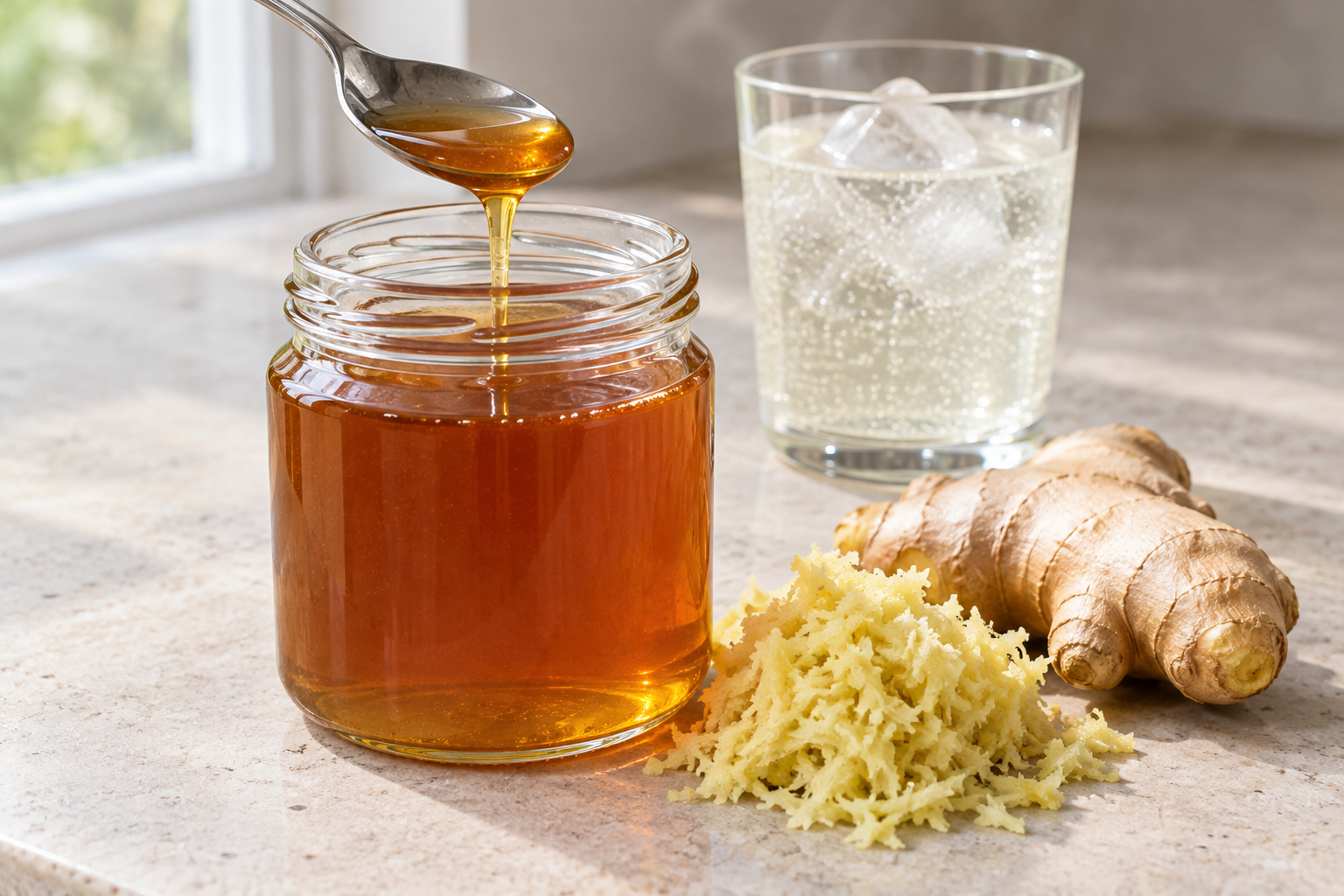
Homemade ginger syrup with weighed fresh ginger, sugar and water, an hour-long infusion, measured drink ideas and clear cooling and storage.
Read More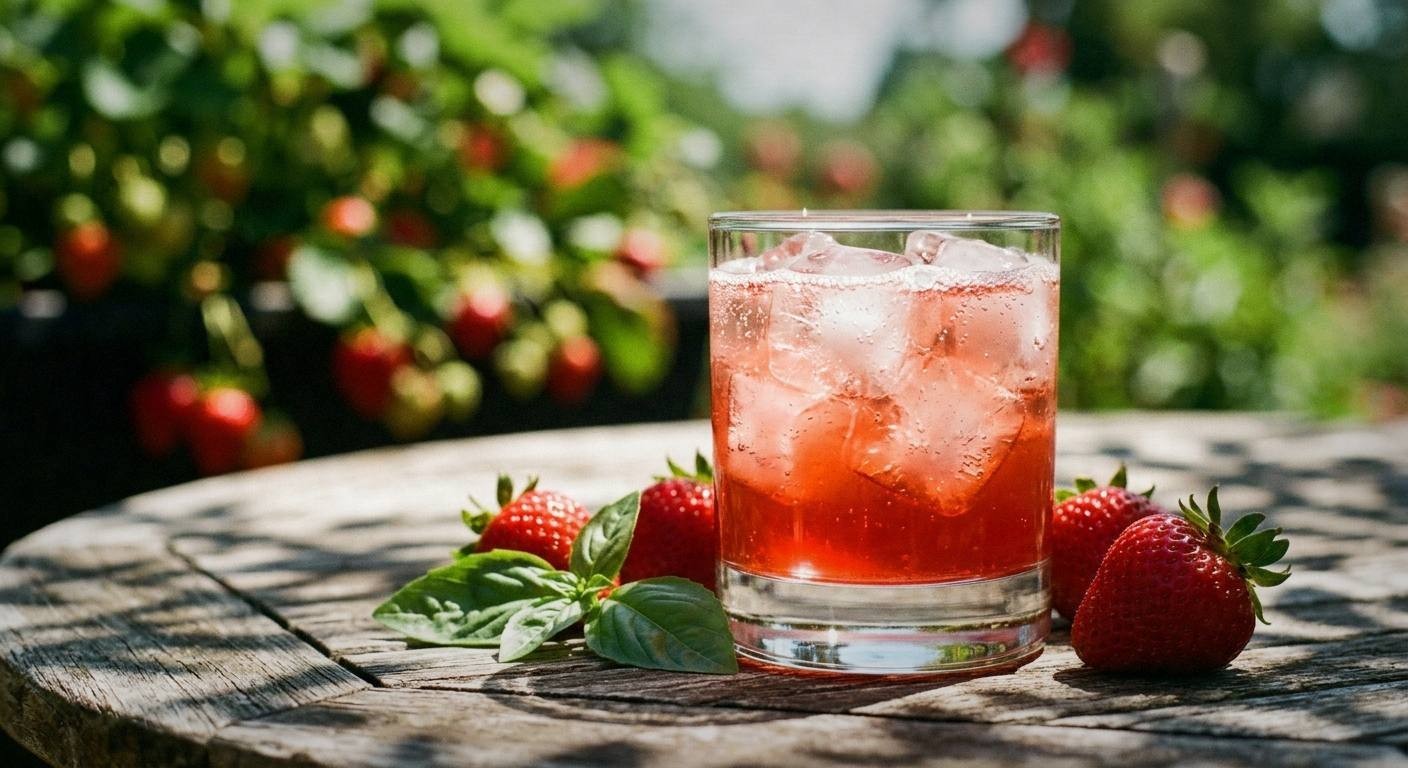
Strawberry basil shrub concentrate with measured fruit, sugar and vinegar. Includes a chilled method and separate sparkling-water serving.
Read More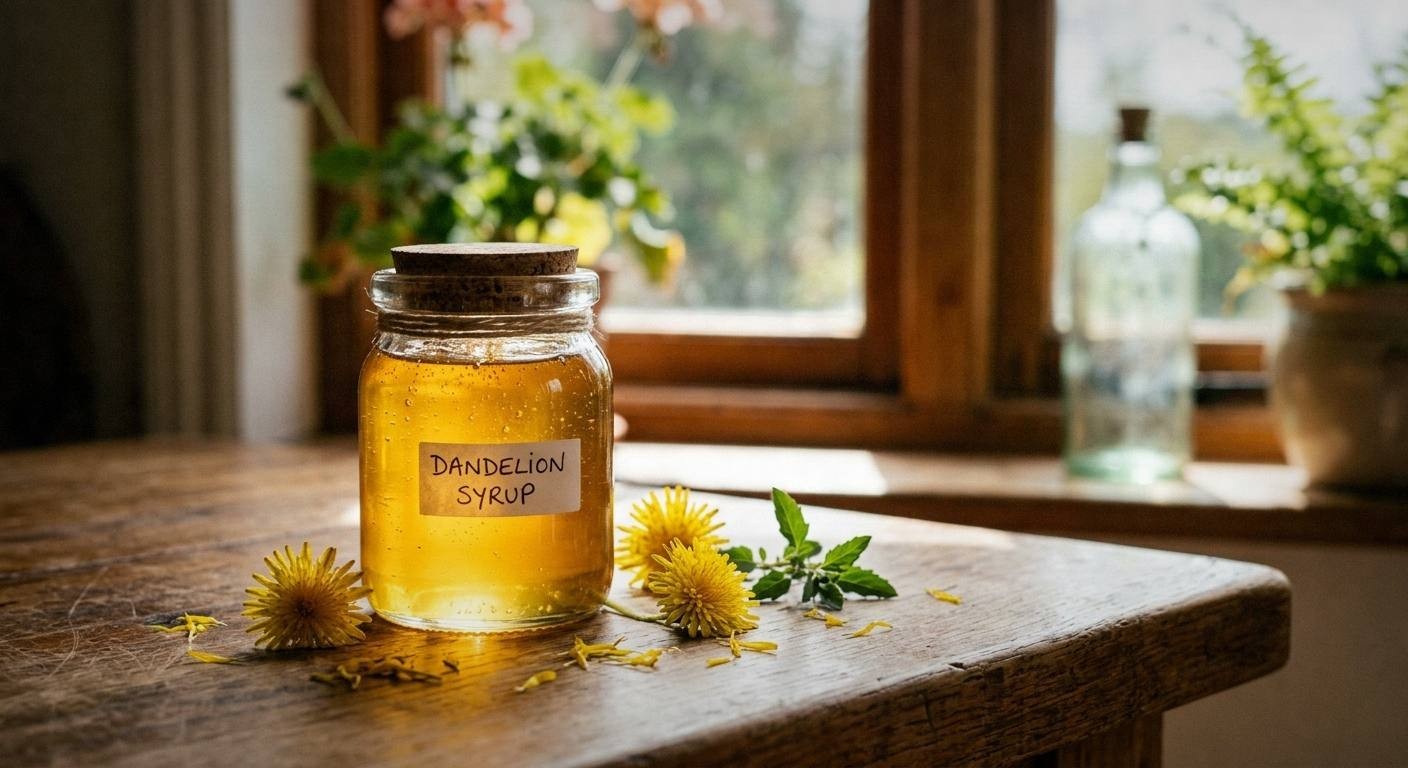
Dandelion syrup with measured yellow petals, sugar and lemon, a clear reduction endpoint, actual recovery and refrigerator-only storage guidance.
Read More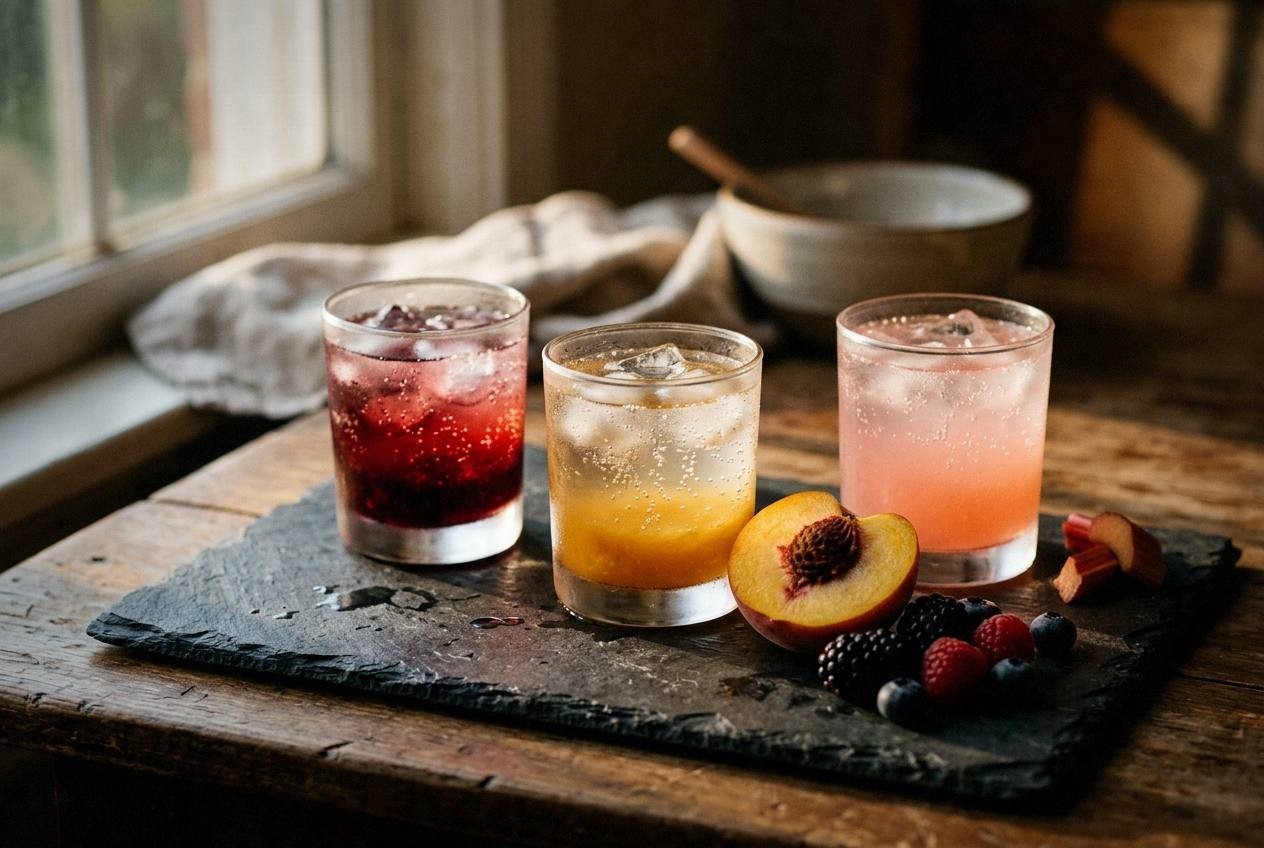
Five fruit shrubs with measured sugar and vinegar ratios, cold resting methods, portion guidance and source-specific timing for sweet-tart drinks.
Read More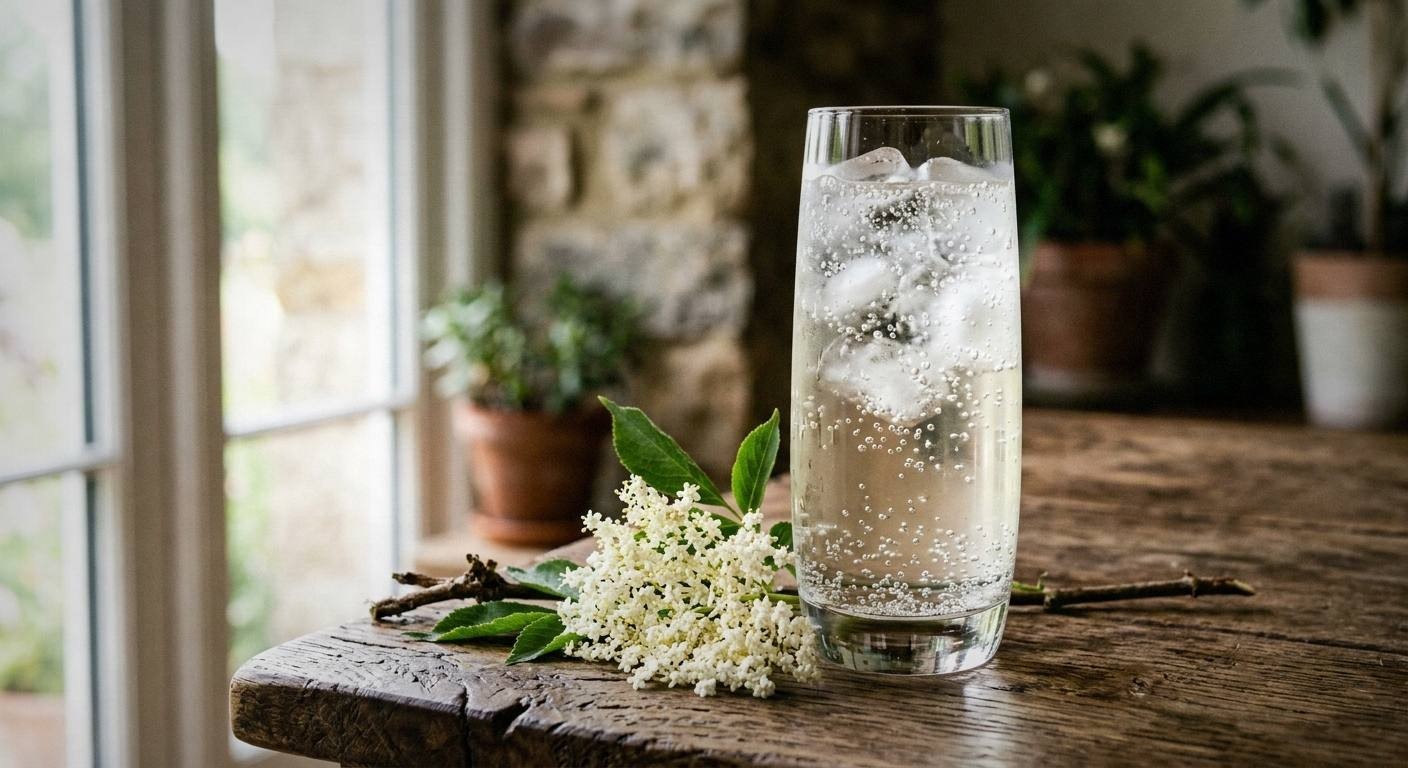
A refrigerated adaptation of River Cottage elderflower cordial with lemon and orange, an overnight cold infusion and no shelf-stability claim.
Read More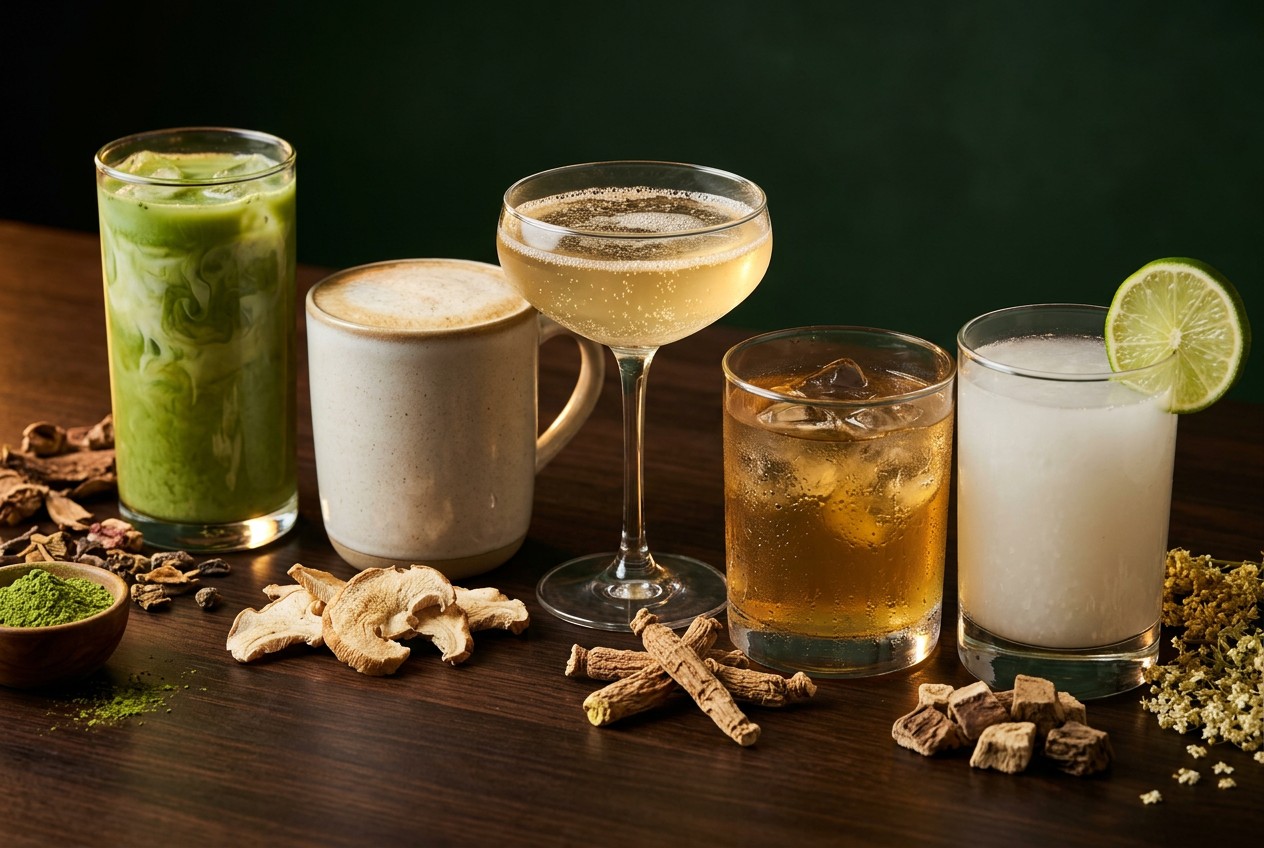
Non-alcoholic drinks with measured rooibos, culinary mushroom coffee, matcha and hibiscus spritz recipes, plus clear notes on held root additions.
Read More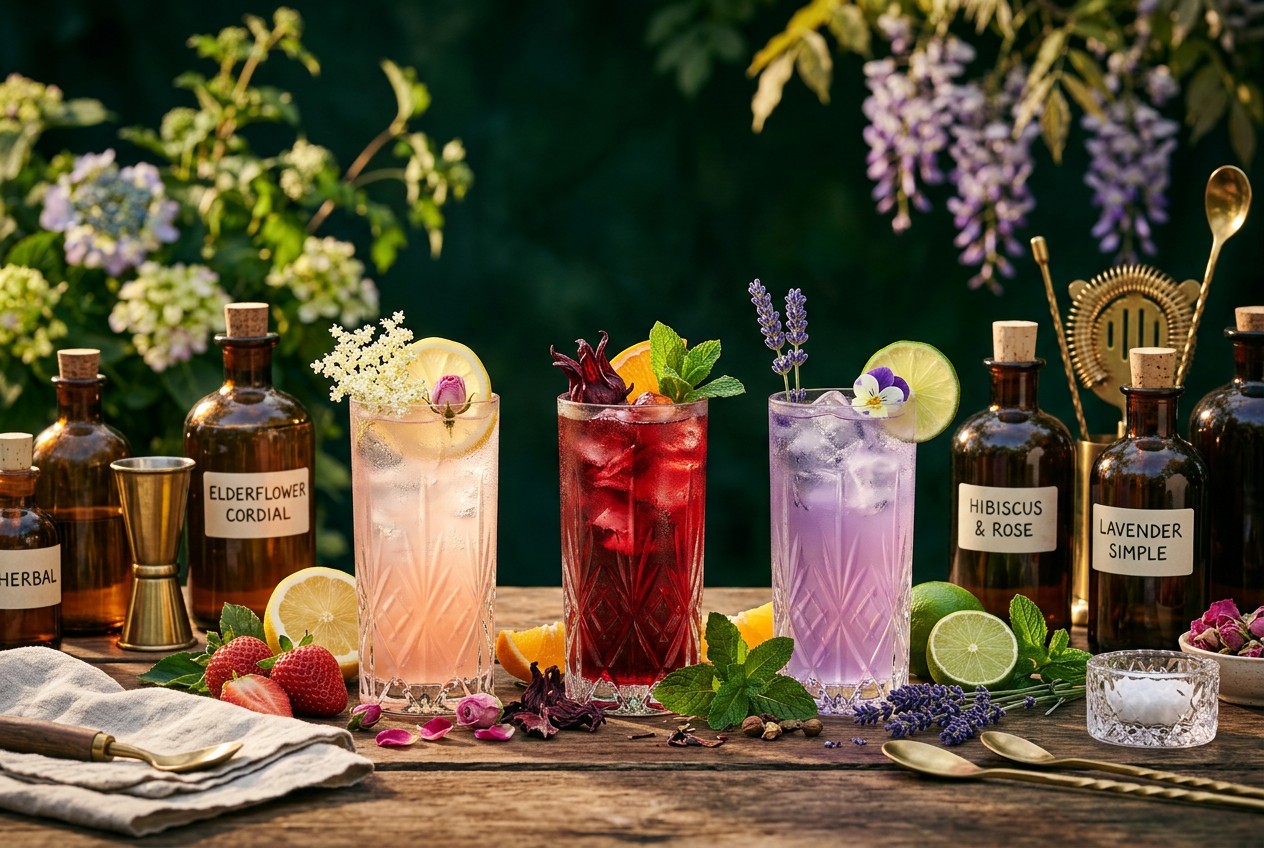
Seven botanical mocktail recipes with measured pitchers, floral tea bases, fruit, and fizz. Includes lavender syrup, serving sizes, and cooling.
Read More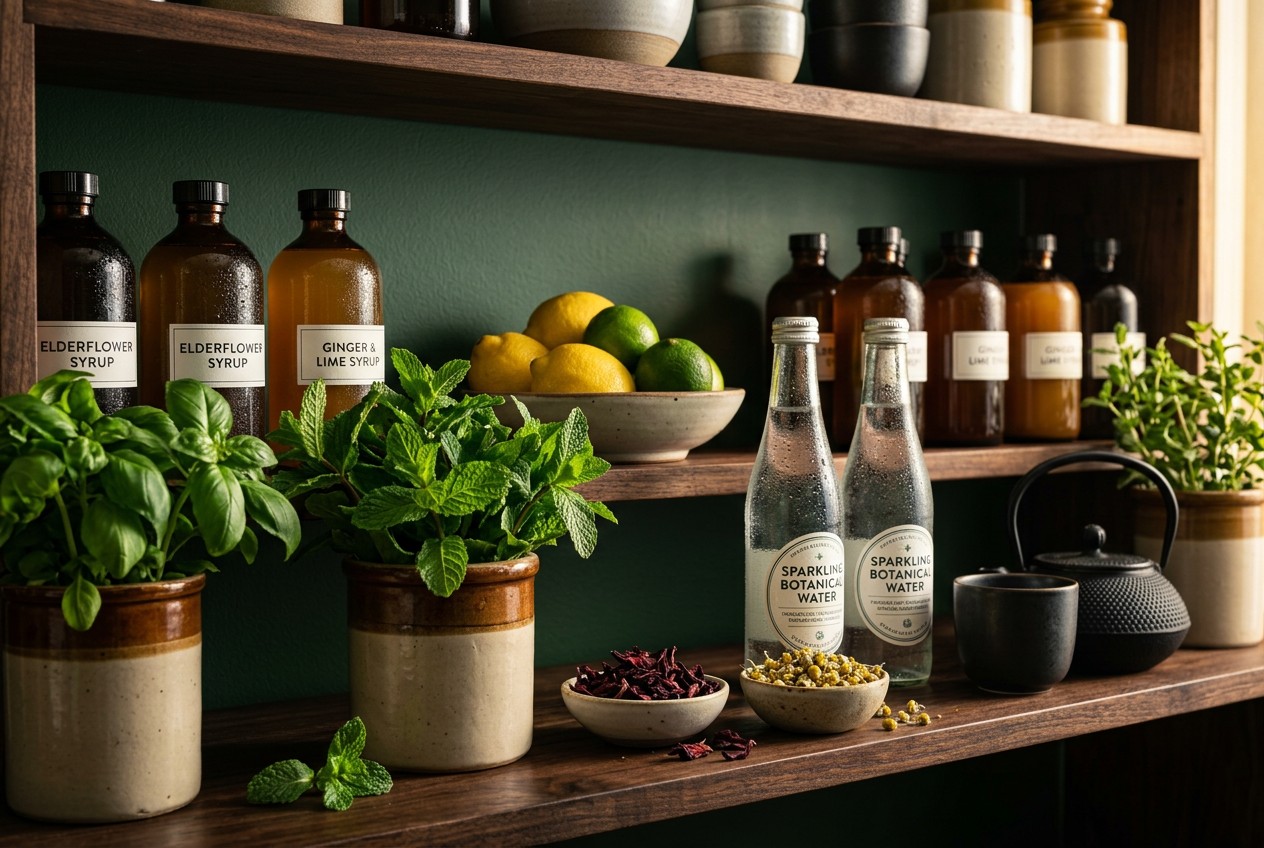
A practical mocktail pantry guide: which citrus, herbs, syrups, bubbles, and optional bitters to buy, how to combine them, and what to skip.
Read MoreElixirs sit at the crossroads of the bar and the apothecary. These are concentrated, intentional drinks built from honey, vinegar, herbs, spices, and sometimes spirits, often with roots in traditional herbalism that stretch back centuries. They are not juice cleanses. They are small, potent, beautifully balanced preparations.
The recipes in this collection range from classic fire cider to modern cordials. Each includes the traditional context for its ingredients, exact ratios, and steeping timelines. Some take fifteen minutes. Others ask for patience measured in weeks.
An elixir traditionally combines an herbal extract with honey and sometimes alcohol, creating a concentrated, often sweet preparation. Tonics tend to be lighter, more diluted, and built around a single active ingredient like a bitter root or adaptogenic herb. Elixirs are richer, more complex, and usually consumed in smaller quantities.
Many elixir ingredients have documented properties in traditional herbalism and emerging research. Turmeric is anti-inflammatory. Ginger aids digestion. Elderberry supports immune function. But an elixir is a drink, not a prescription. These recipes draw on centuries of herbal knowledge while making something genuinely delicious to sip.
Honey-based elixirs stored in clean glass jars last 2 to 3 months refrigerated. Vinegar-based preparations (oxymels and shrubs) keep 6 months or longer. Alcohol-based elixirs are essentially shelf-stable. Always use clean utensils, label with dates, and trust your nose: if it smells off, discard it.
A small saucepan, glass mason jars, a fine mesh strainer, and cheesecloth handle most recipes. A kitchen scale is valuable for precise ratios. Dark glass bottles protect light-sensitive preparations. You likely already own everything you need.
Yes. Honey quantity is always adjustable to taste. Start with the amount listed, then add more in small increments after the elixir has fully steeped, since flavors concentrate over time. Raw honey adds floral complexity that refined sugar cannot match, so try to keep honey as the base sweetener even if you reduce the amount.