
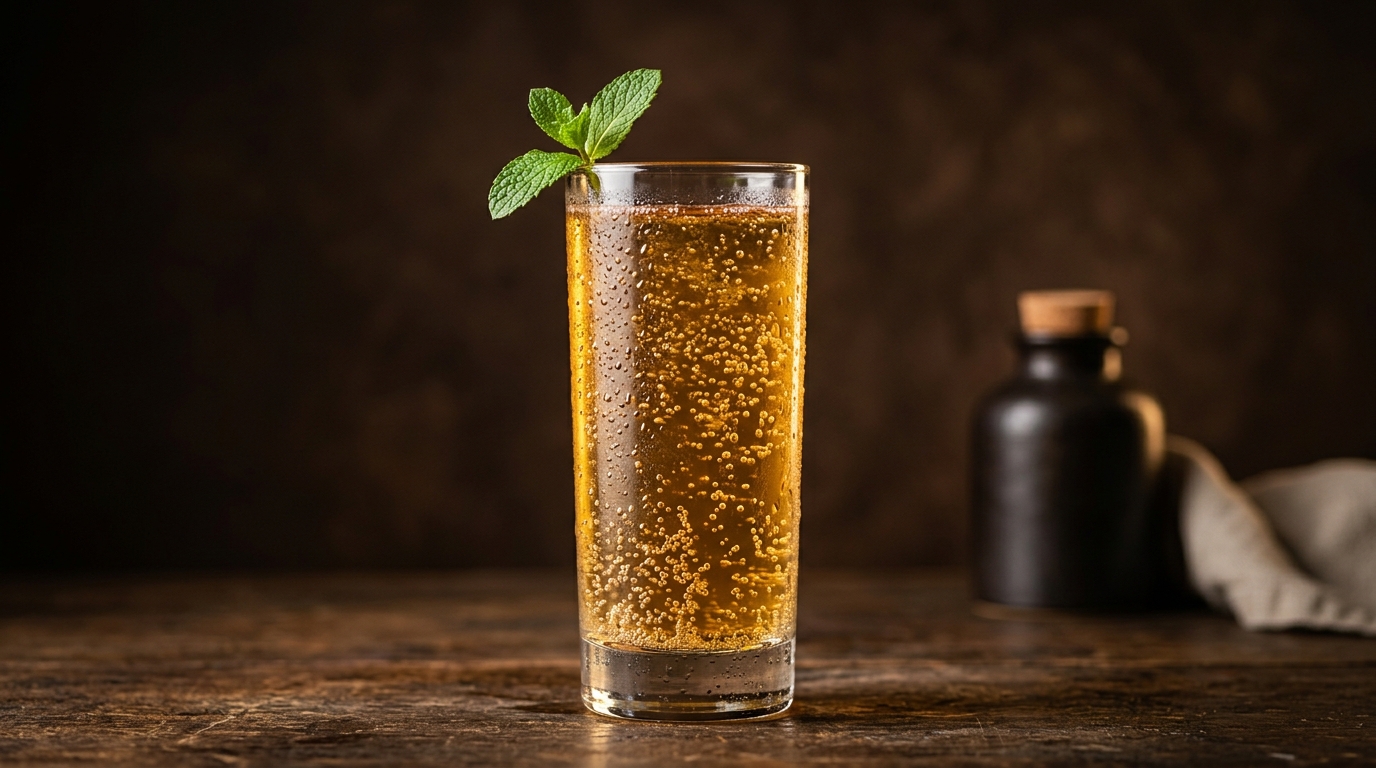
Digestive Kombucha Recipe: Ginger and Mint for Gut Health
Ginger and mint kombucha recipe with live probiotics. Get the recipe for this gut-soothing fermented drink.
Read MoreFermented drink recipes including kombucha, water kefir, tepache, and wild sodas with step-by-step brewing instructions.
5 recipes
Fermentation is the oldest biotechnology, and it produces some of the most complex flavors you can put in a glass. These recipes cover the living drinks: kombucha, water kefir, ginger bugs, tepache, fermented lemonades, and wild sodas that carbonate themselves through the quiet work of yeast and bacteria.
Every recipe includes timelines, temperature ranges, and the visual and taste cues that tell you when a ferment is ready. Fermentation is not an exact science in the way baking is, so learning to read your brew matters as much as following the recipe.
Ginger and mint kombucha recipe with live probiotics. Get the recipe for this gut-soothing fermented drink.
Read More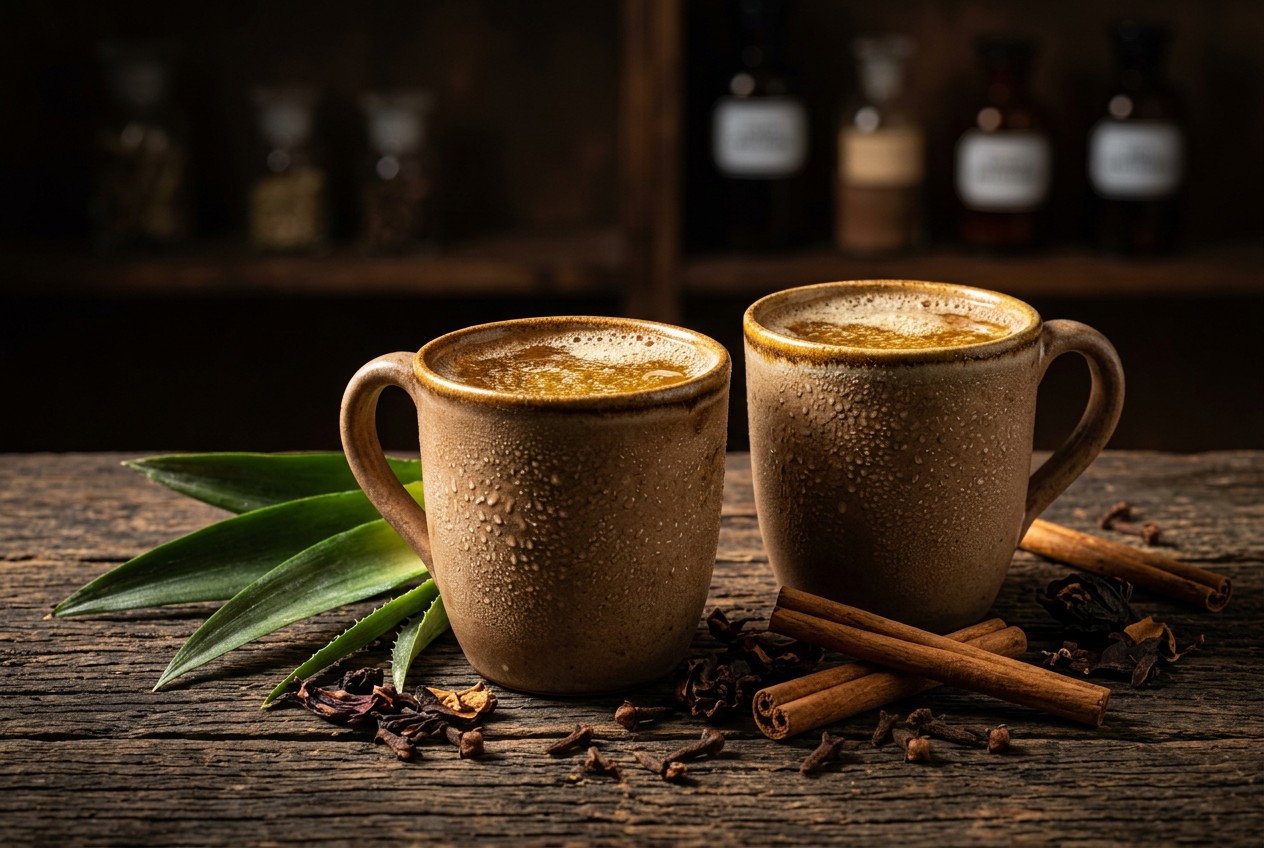
Make traditional Mexican tepache with pineapple rinds, piloncillo, and spices. Probiotic-rich fermented drink. Get the recipe.
Read More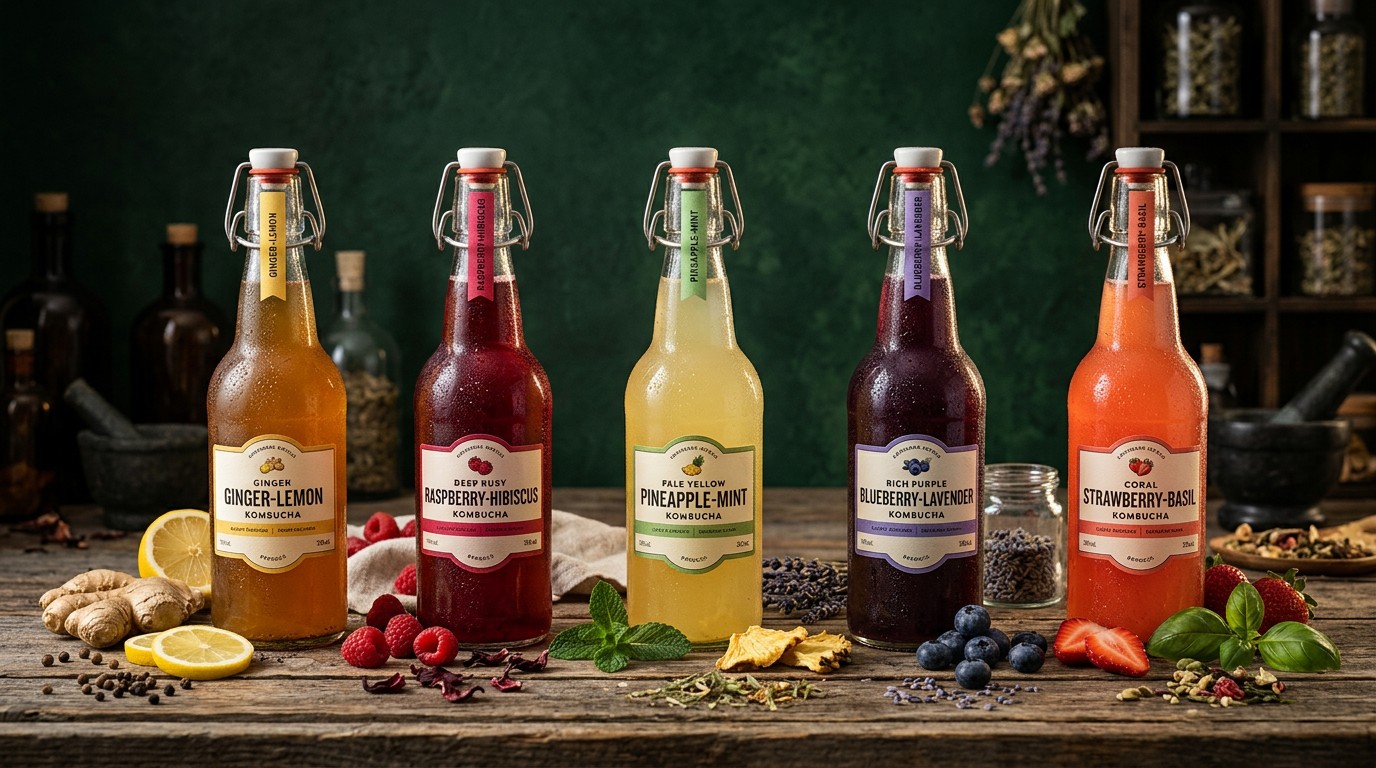
Transform plain kombucha with fruit, herbs, and spices. Get 8 tested flavoring recipes for second fermentation that deliver fizz and flavor.
Read More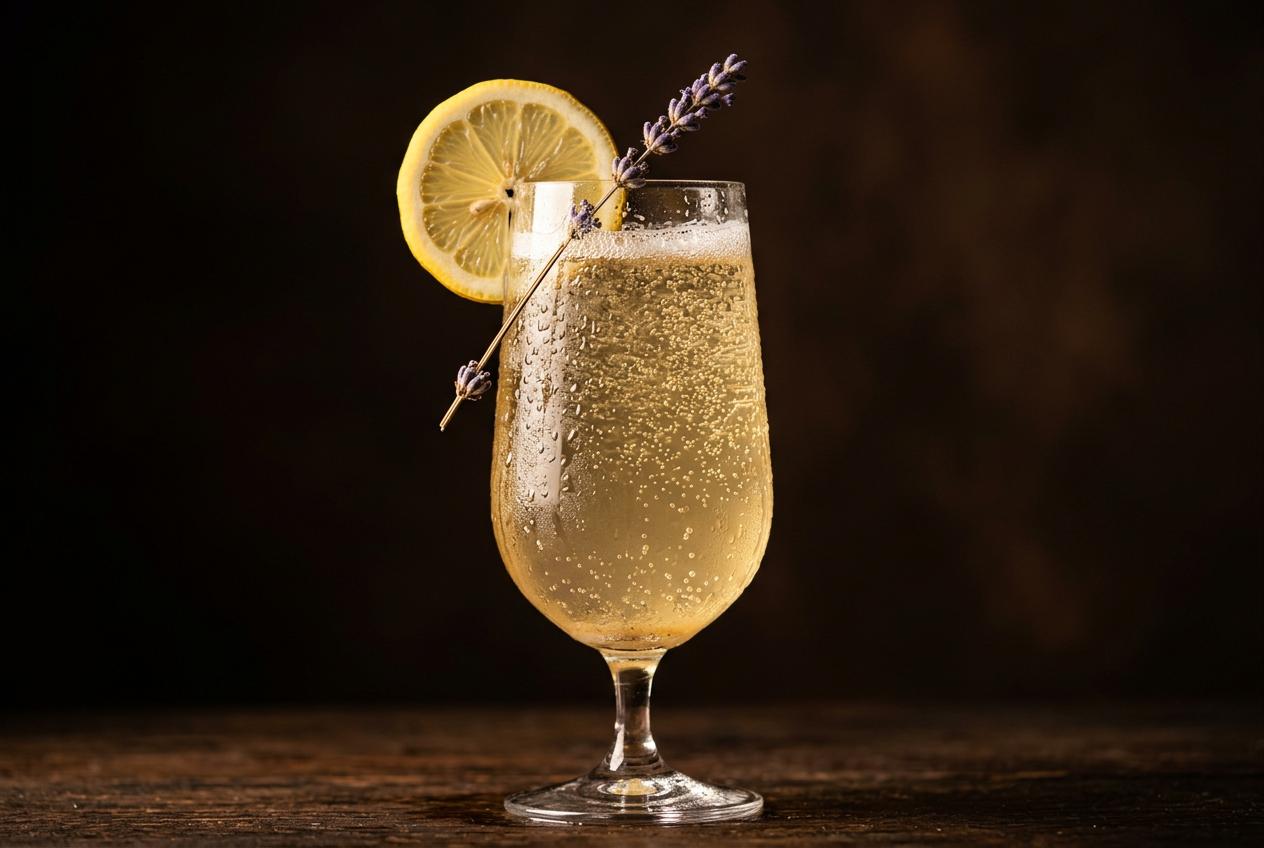
Learn how to make water kefir at home, a light, effervescent probiotic drink you can flavor with lavender, ginger, hibiscus, or any botanical you …
Read More
A complete beginner's guide to brewing kombucha at home, with botanical tea blends, second fermentation flavor ideas, and tips for perfect fizz every …
Read MoreExtremely safe, when you follow basic practices. The acidic, low-pH environment created during fermentation is hostile to harmful bacteria. Mold is the main concern, and it is visible and obvious (fuzzy, colored spots on the surface). A healthy ferment smells pleasantly sour and tangy. If something smells putrid or shows mold, discard it and start over.
First ferments typically run 5 to 14 days depending on temperature, sugar content, and the culture’s strength. Warmer environments (75 to 80 degrees F) ferment faster. Cooler kitchens slow things down. Second ferments for carbonation take 2 to 4 days at room temperature. Taste daily and bottle when the sweetness and acidity balance suits you.
A ginger bug is a wild yeast and bacteria culture grown from fresh ginger, sugar, and water. It takes about 5 to 7 days to establish and acts as a natural starter for carbonating any sweetened liquid. Think of it as a sourdough starter for sodas. Once active, you feed it daily and it provides an endless supply of natural carbonation culture.
A wide-mouth glass jar, a cloth cover, and a rubber band are enough to start most ferments. For carbonation, you need swing-top (Grolsch-style) bottles or recycled plastic soda bottles that let you gauge pressure by squeezing. A thermometer helps but is not essential. Avoid metal containers, which react with acids produced during fermentation.
Burp your bottles daily during second ferment by briefly opening the cap to release excess pressure. Refrigerate bottles once carbonation reaches the level you want, as cold temperatures slow fermentation nearly to a halt. Using plastic bottles for your first few batches lets you feel the pressure building. When the bottle is firm to the squeeze, it is ready to refrigerate.