
Living Probiotic Sodas
A guide to live cultures, prebiotic ingredients and probiotic soda labels, with product-specific storage and evidence limits.
Read MoreFermented drink recipes including kombucha, water kefir, tepache, and wild sodas with step-by-step brewing instructions.
25 recipes
A guide to live cultures, prebiotic ingredients and probiotic soda labels, with product-specific storage and evidence limits.
Read More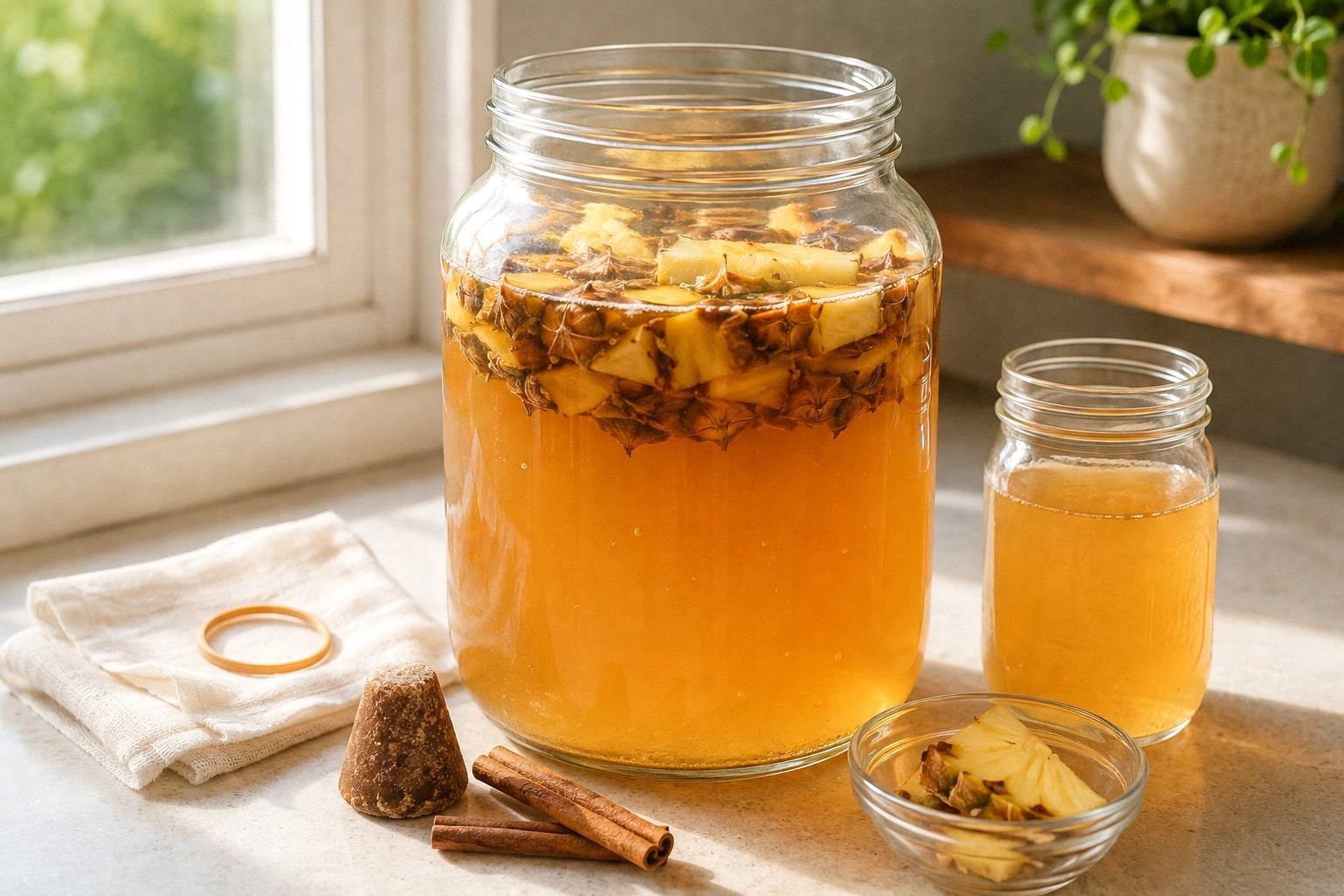
Tepache not bubbling cannot tell you whether a batch is safe. Why this guide pauses rescue advice, and what a reviewed fermentation process needs.
Read More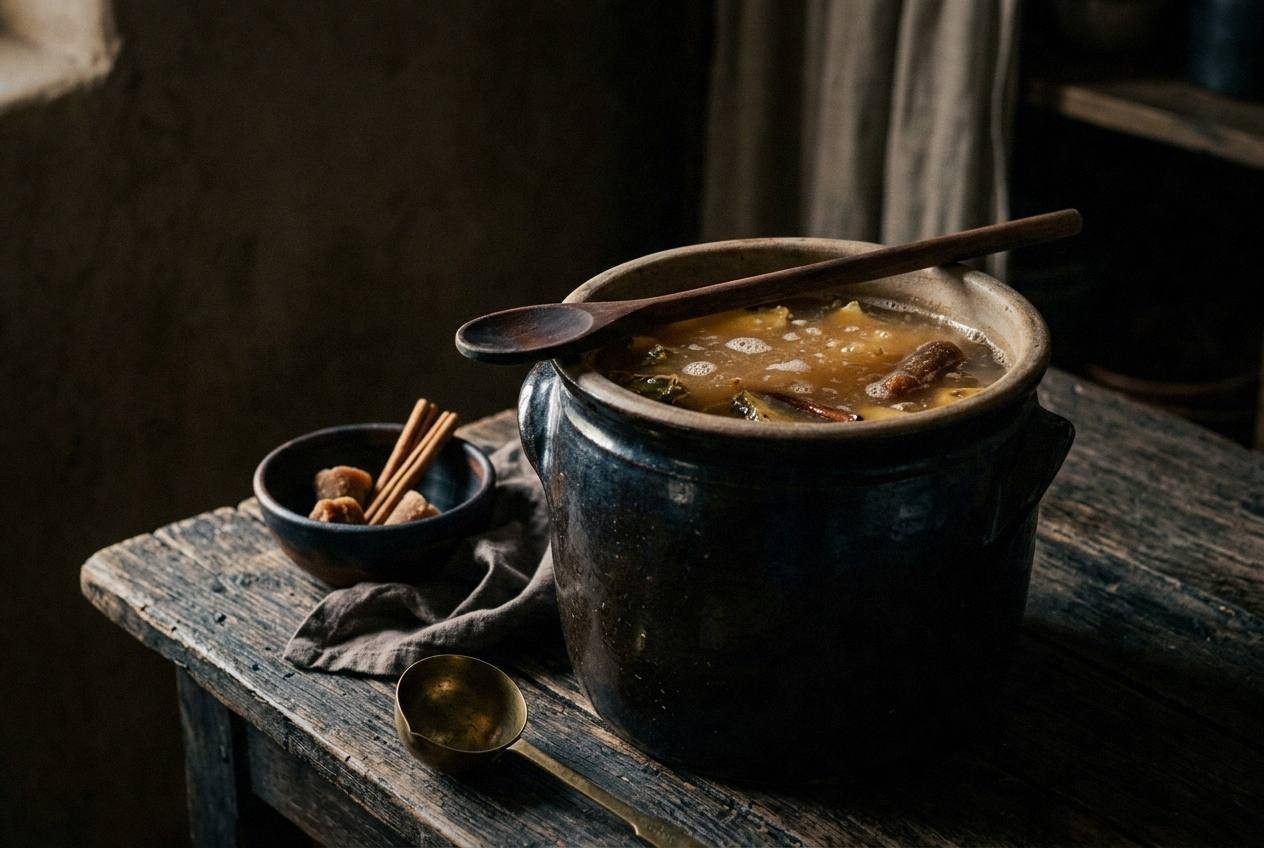
Tepache mold and white films cannot be cleared by appearance or smell. Why skim-and-taste advice is withdrawn and suspect batches should be discarded.
Read More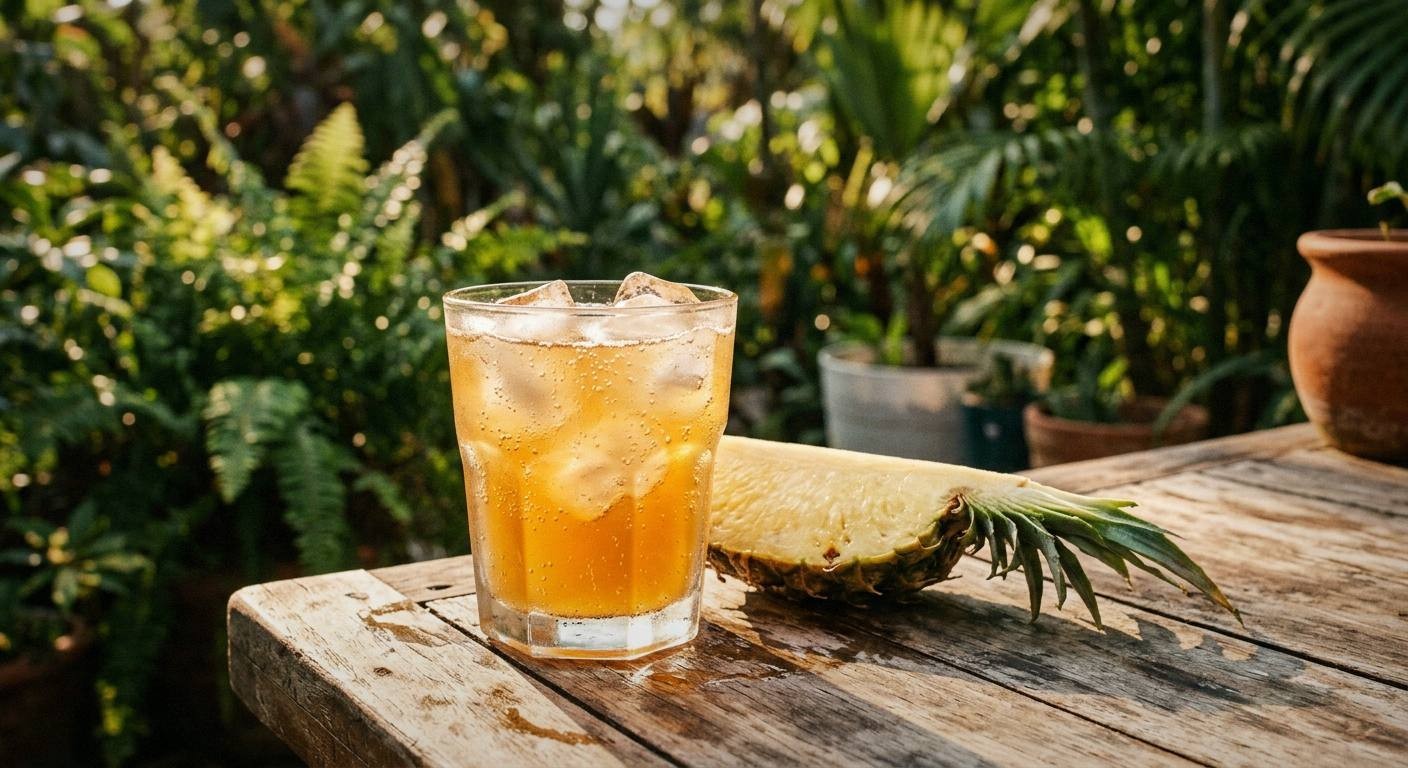
How long homemade tepache lasts is process-dependent. Read the limits of storage promises, refrigeration, bottle pressure and sensory checks.
Read More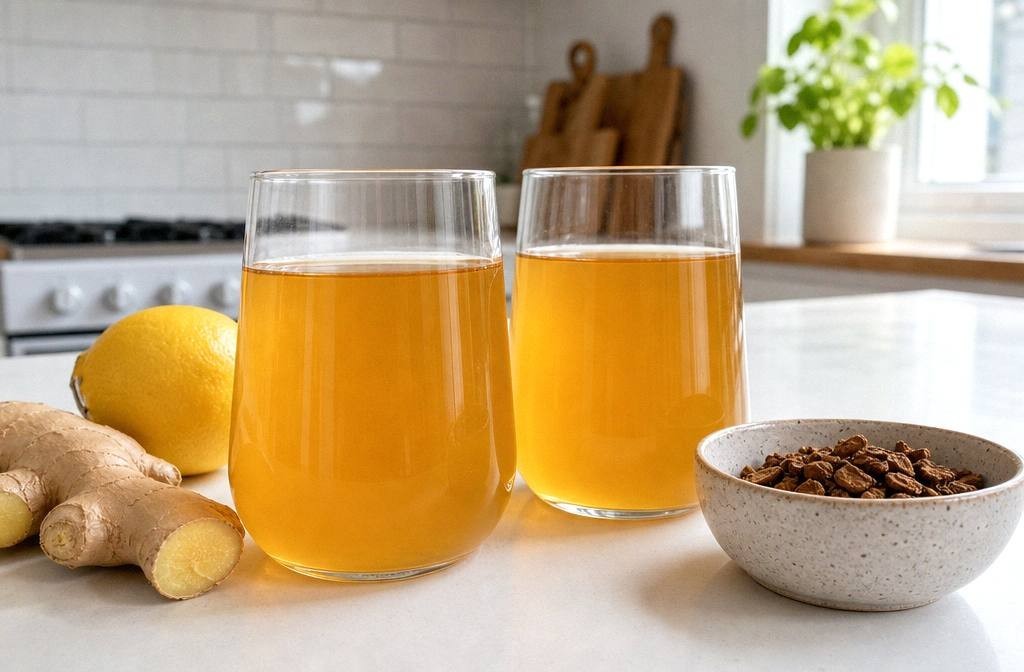
The original chicory, banana-flour and flax drink is on hold. Preparation and consumption directions are withdrawn pending ingredient and process …
Read More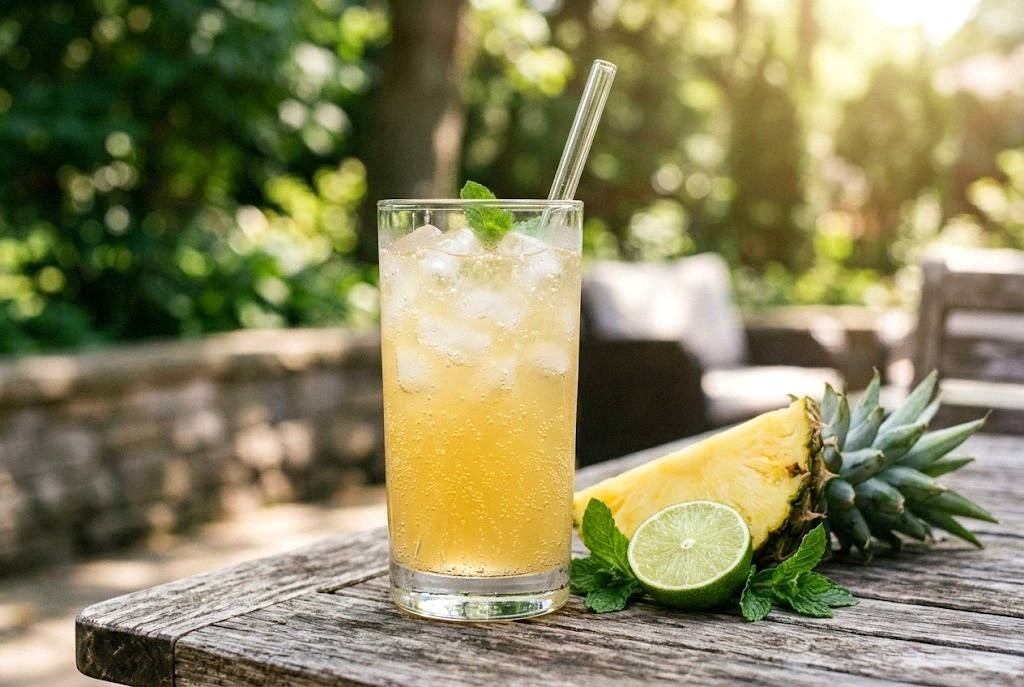
Pineapple tepache with lime and mint, measured for one glass or four using a ready-to-drink commercial base, plus a pineapple juice option.
Read More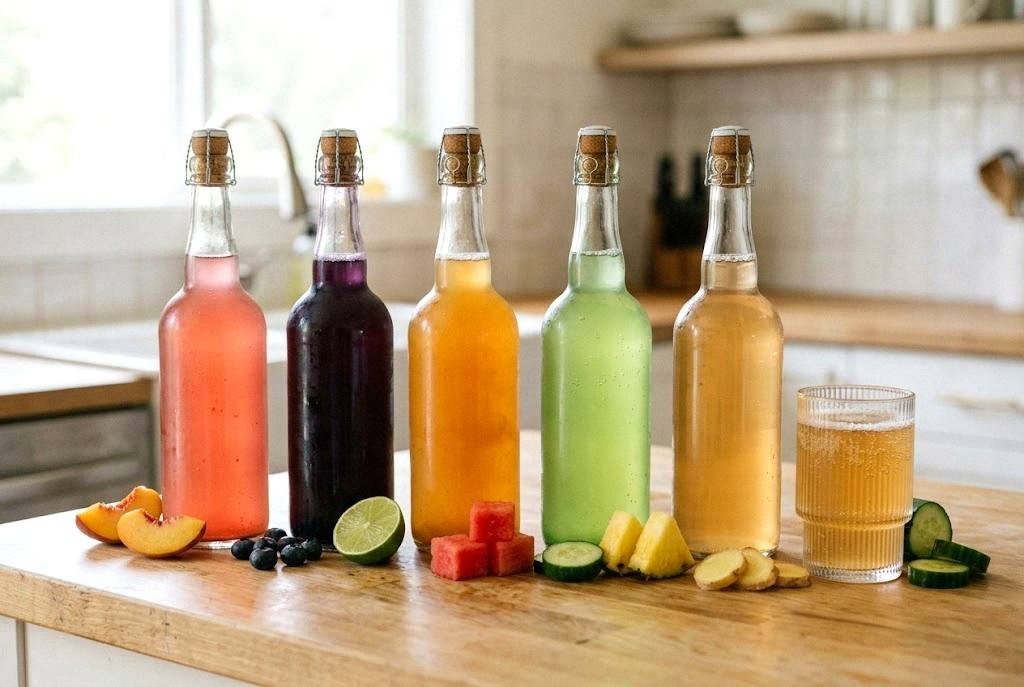
Summer kombucha flavors made as five chilled fruit and herb drinks, with measured open-glass blends and the home second-fermentation method on hold.
Read More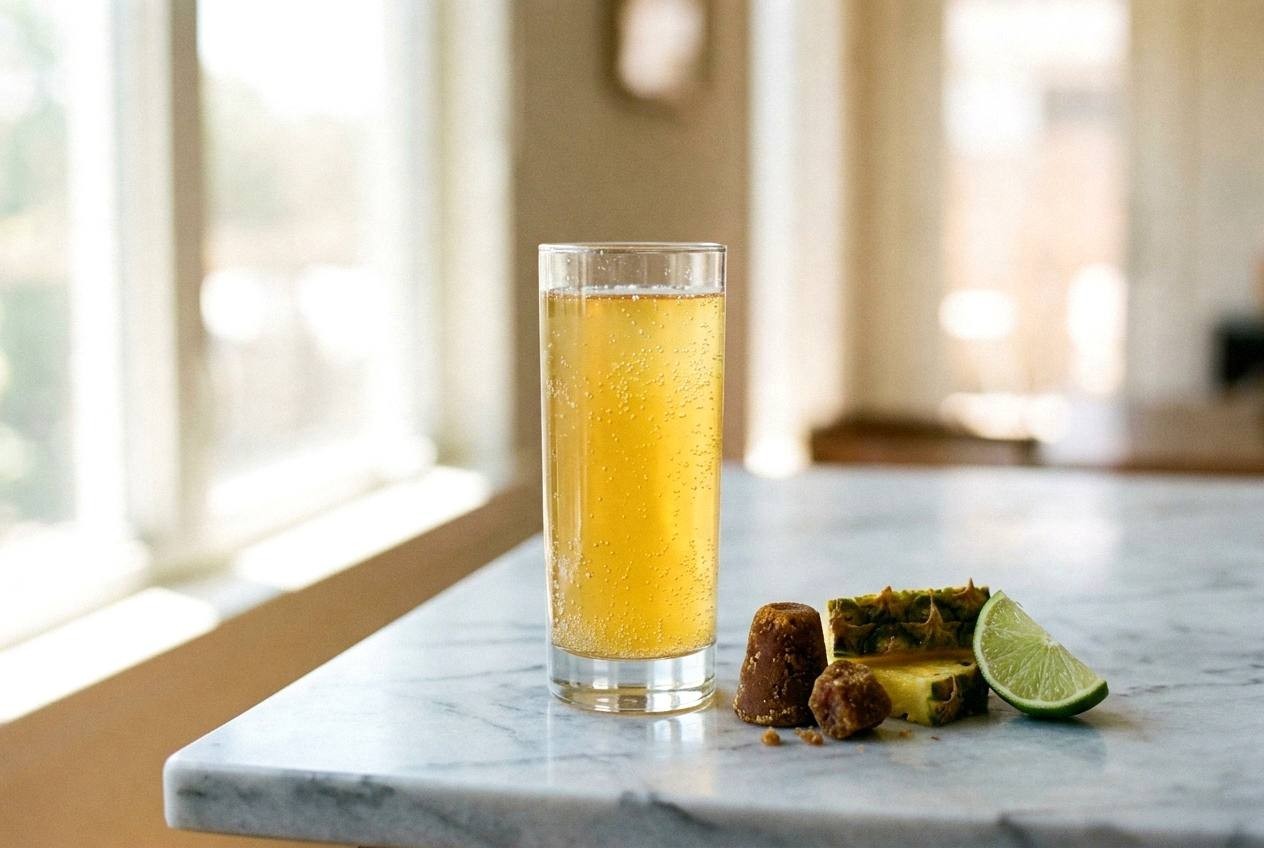
Tepache without added sugar needs a complete fermentation process. This review explains why taste, fizz and a sugar table cannot validate a batch.
Read More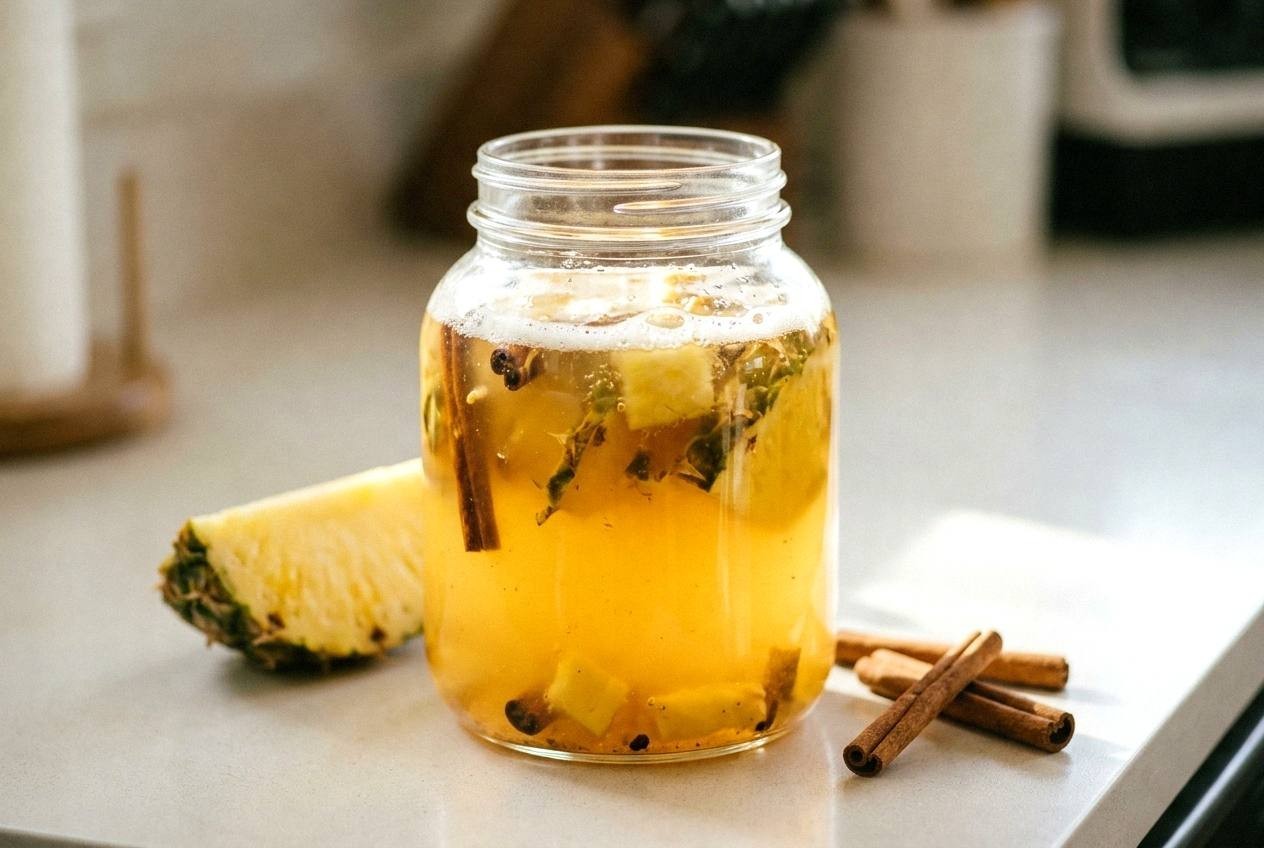
Tepache fermentation time varies with the process. Why taste, bubbles and a two-to-four-day schedule cannot establish a safe home fermentation …
Read More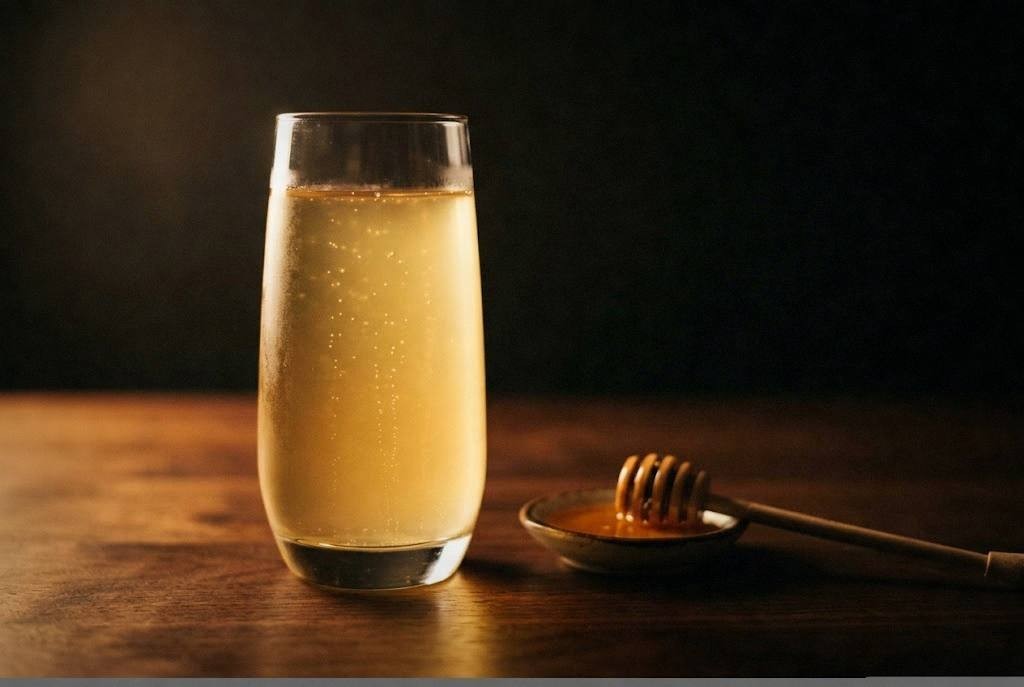
Jun tea process review: honey, culture, acidity, alcohol and bottle-pressure controls need a complete method before the former brewing guide returns.
Read More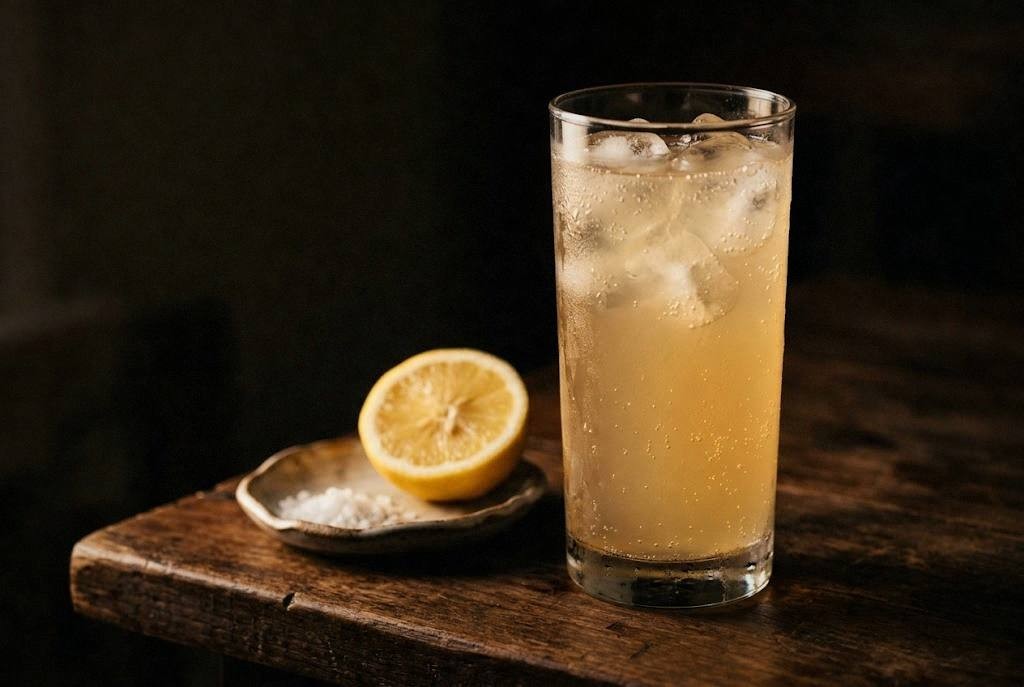
Fermented lemonade process review: the former whey or wild-culture drink lacks defined starter, acidity, alcohol and bottle-pressure controls.
Read More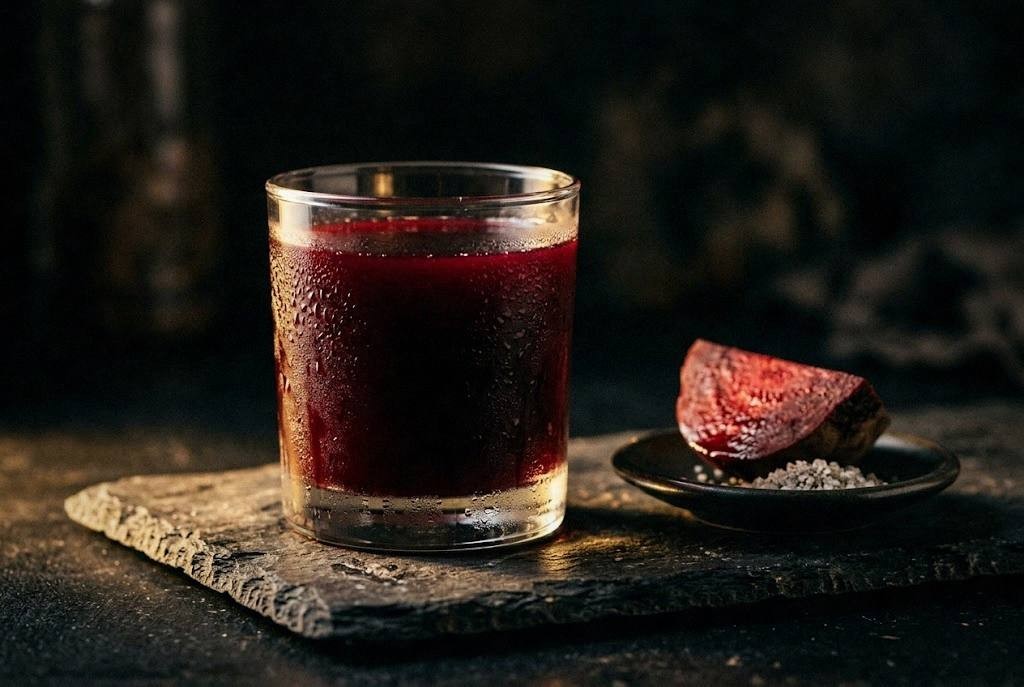
Beet kvass process review: the former brine recipe needs measured salt, acidity and pressure controls before its home fermentation directions return.
Read More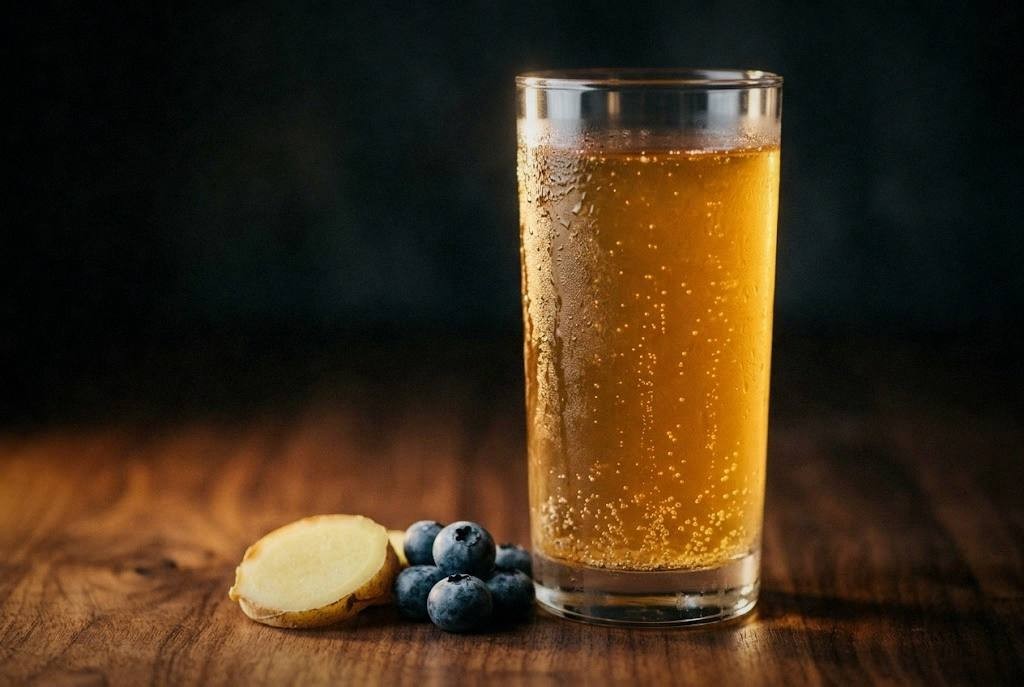
A beginner kombucha process review covering starter acidity, vessel capacity, bottle pressure and why the former TFA fermentation directions are on …
Read More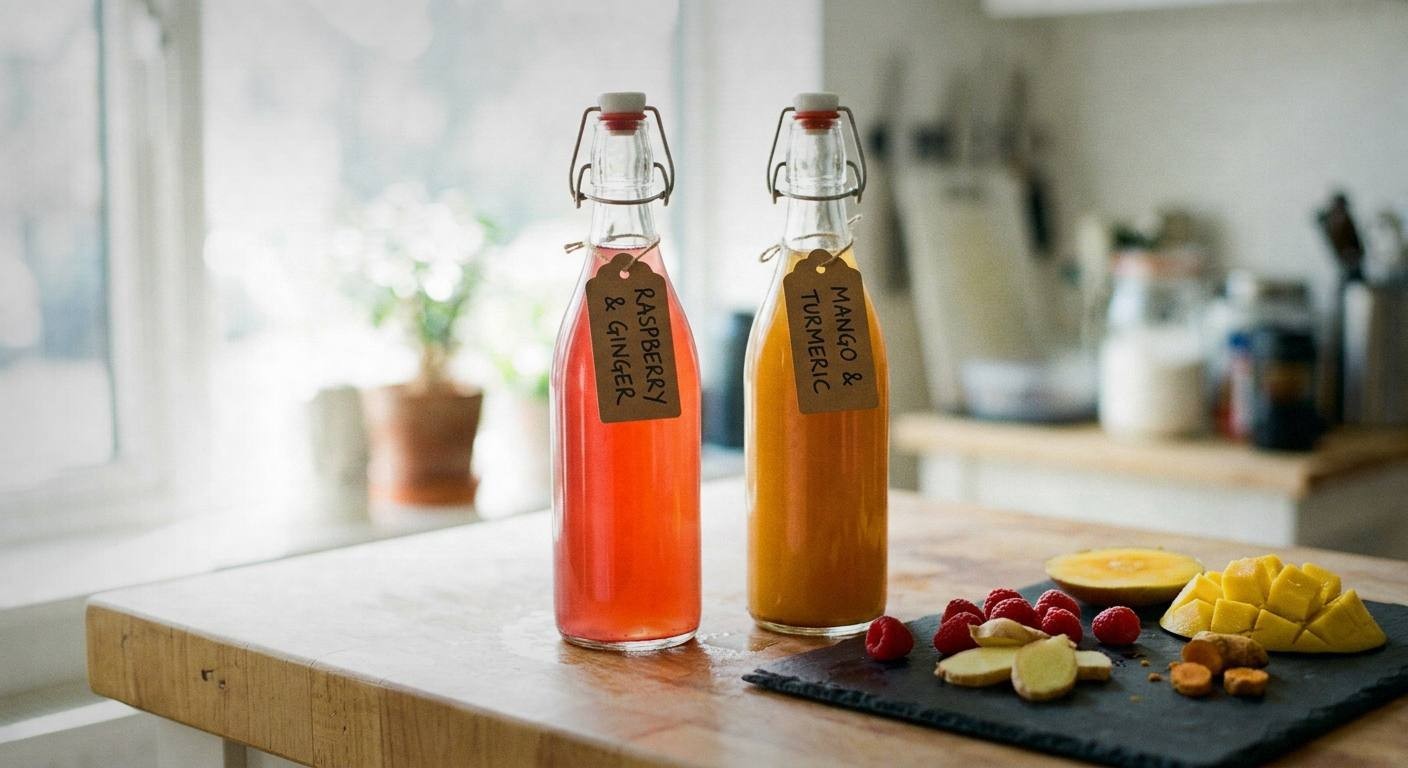
Try ten measured water kefir flavor ideas mixed in an open glass and served cold. Sealed second fermentation is on hold pending process-specific …
Read More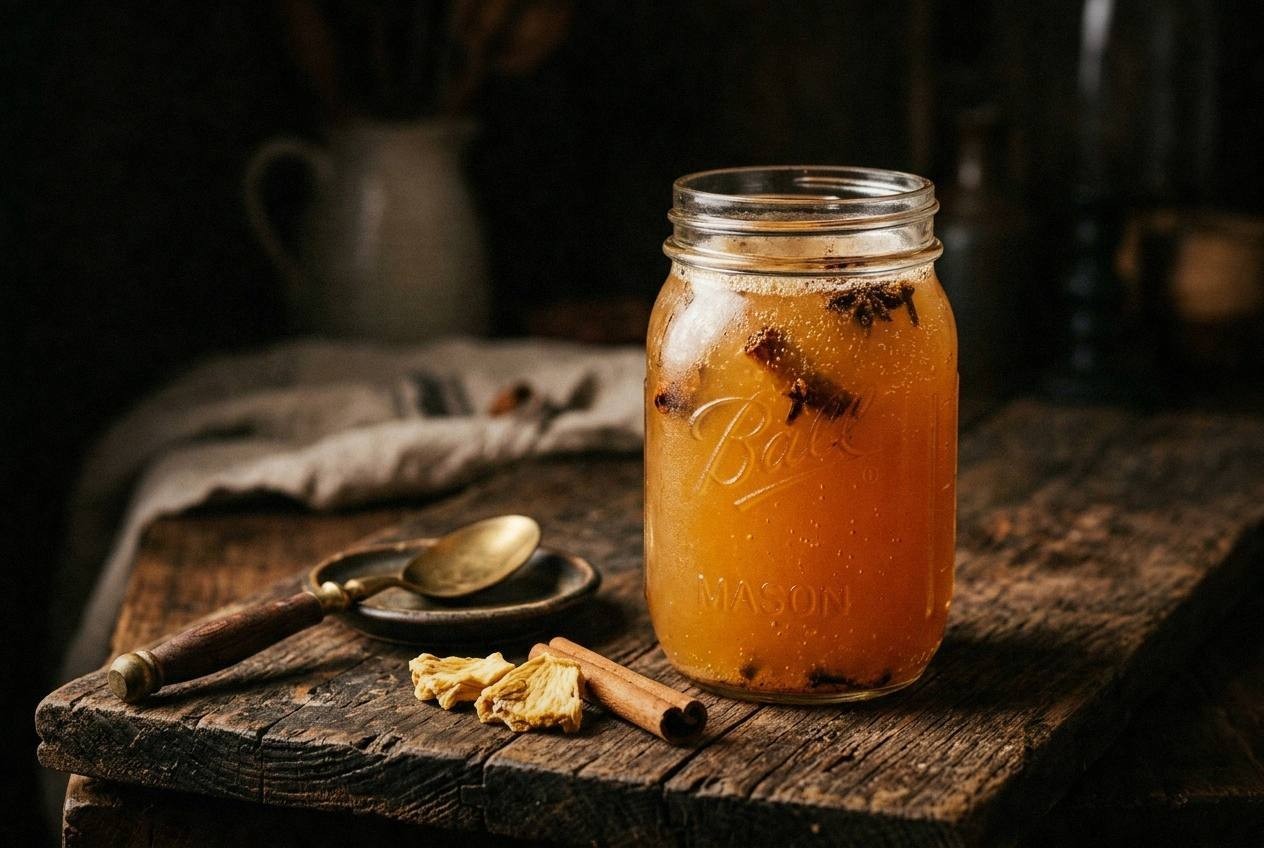
Tepache process review: the former pineapple ferment needs defined acidity, vessel, alcohol and bottle-pressure controls before local directions …
Read More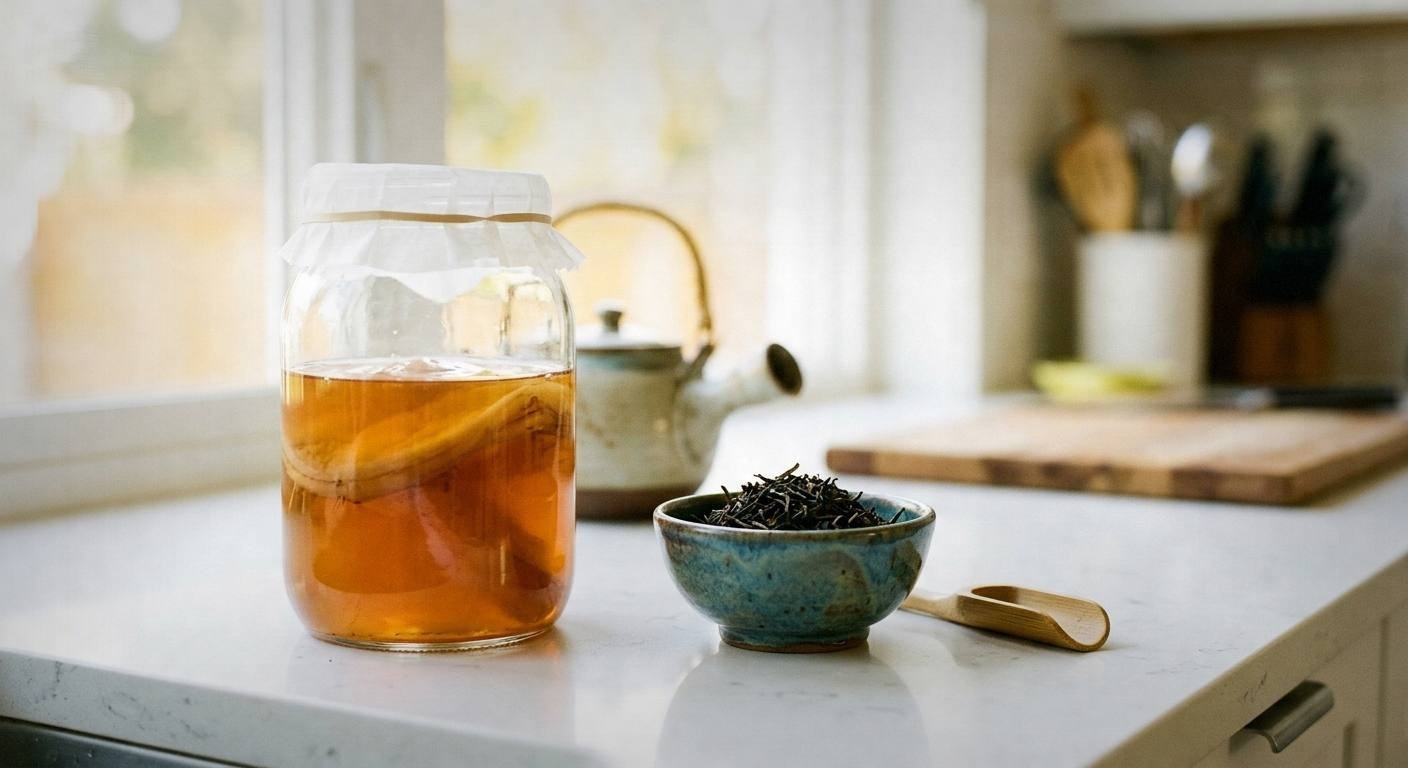
Original fermentation formula notes and unresolved process controls. Preparation, tasting and serving instructions are withdrawn.
Read More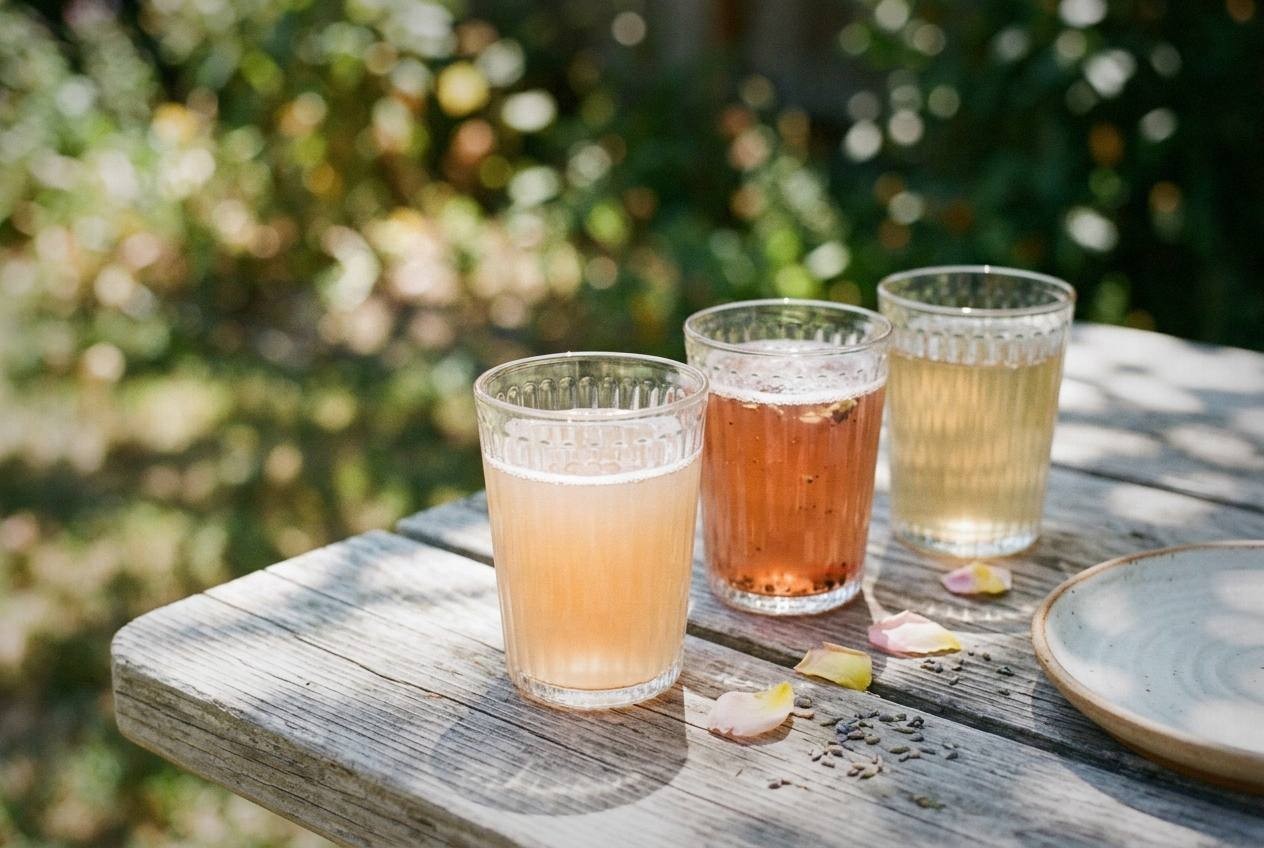
Ten floral ferment concepts with unresolved plant, capacity, acidity, alcohol and bottle-pressure controls. The home preparation procedures are …
Read More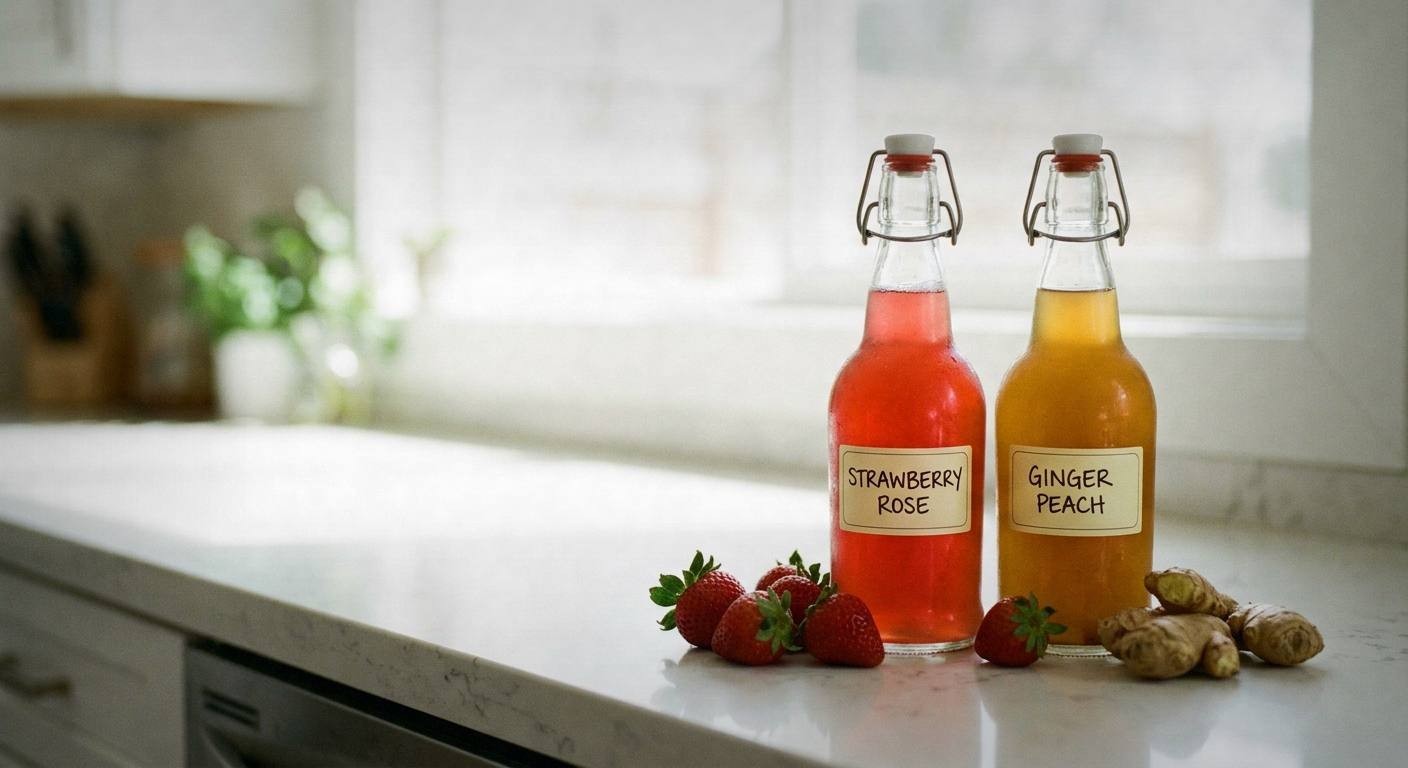
Seven spring kombucha flavor concepts, with the limits of jar capacity, starter acidity, bottle pressure and timing. Former home procedures are …
Read More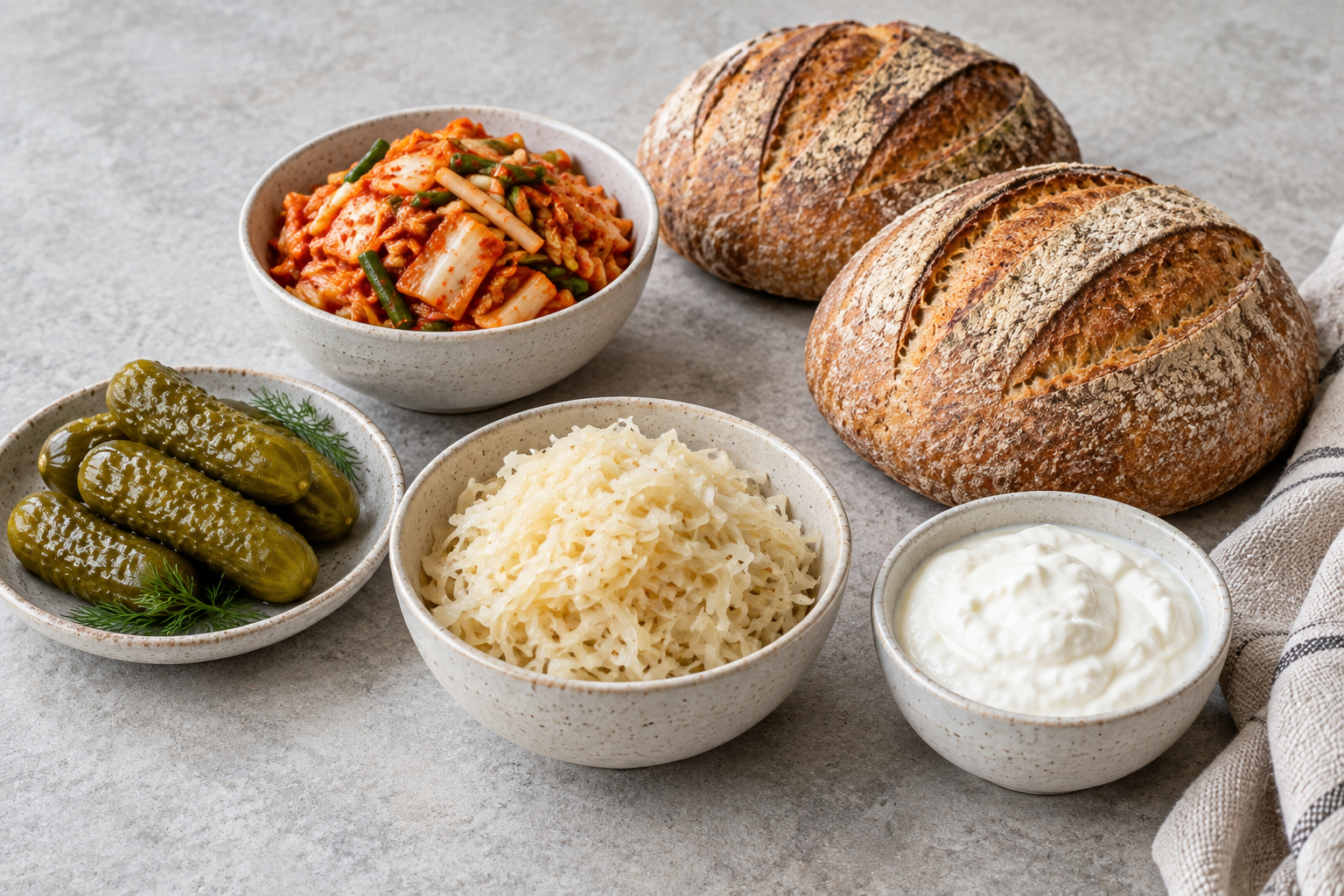
Choose five published fermentation projects with distinct ingredient batches, equipment and completion checks; no wild-ferment or probiotic …
Read More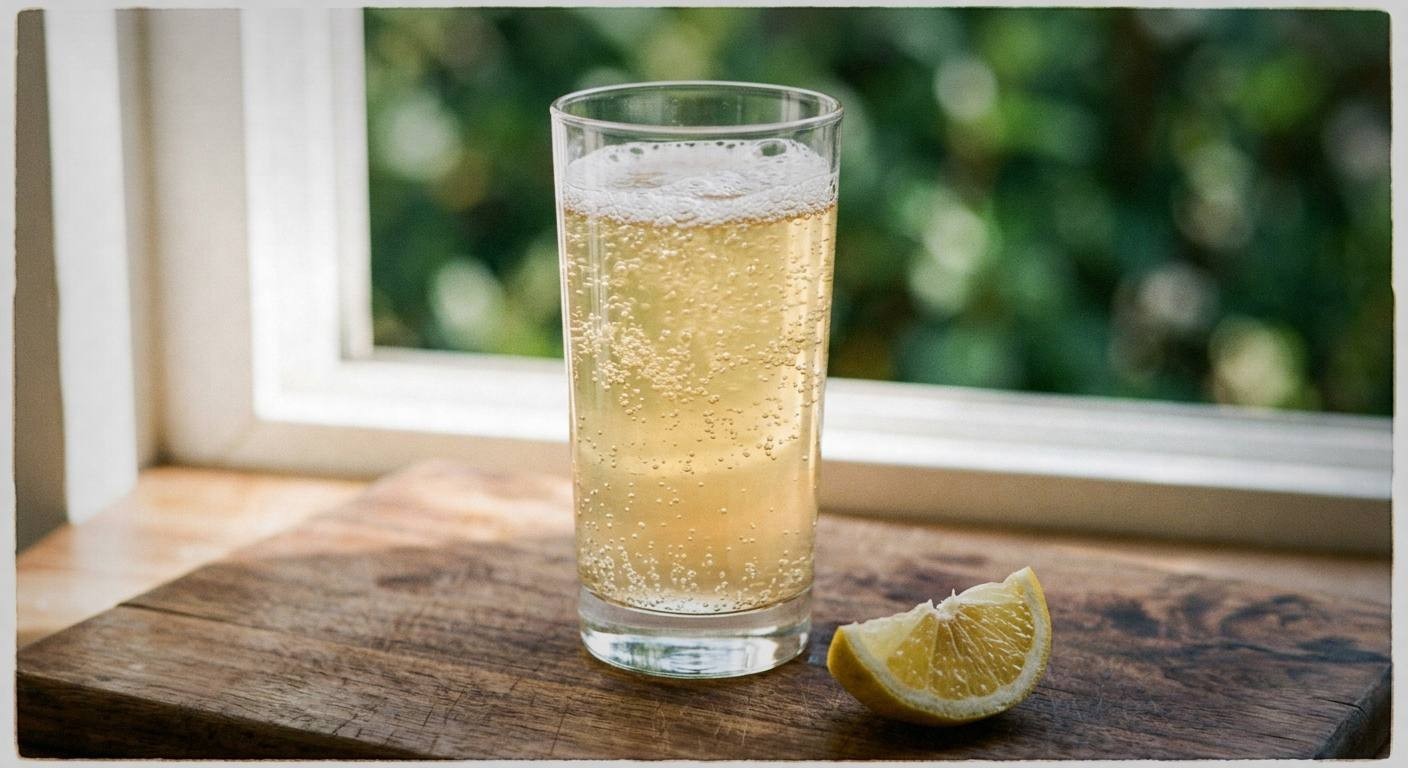
Original fermentation formula notes and unresolved process controls. Preparation, tasting and serving instructions are withdrawn.
Read More
Original fermentation formula notes and unresolved process controls. Preparation, tasting and serving instructions are withdrawn.
Read More
Make pineapple tepache with rinds, piloncillo, and spices, plus a fermentation timeline, sugar guide, safety tips, and storage rules.
Read More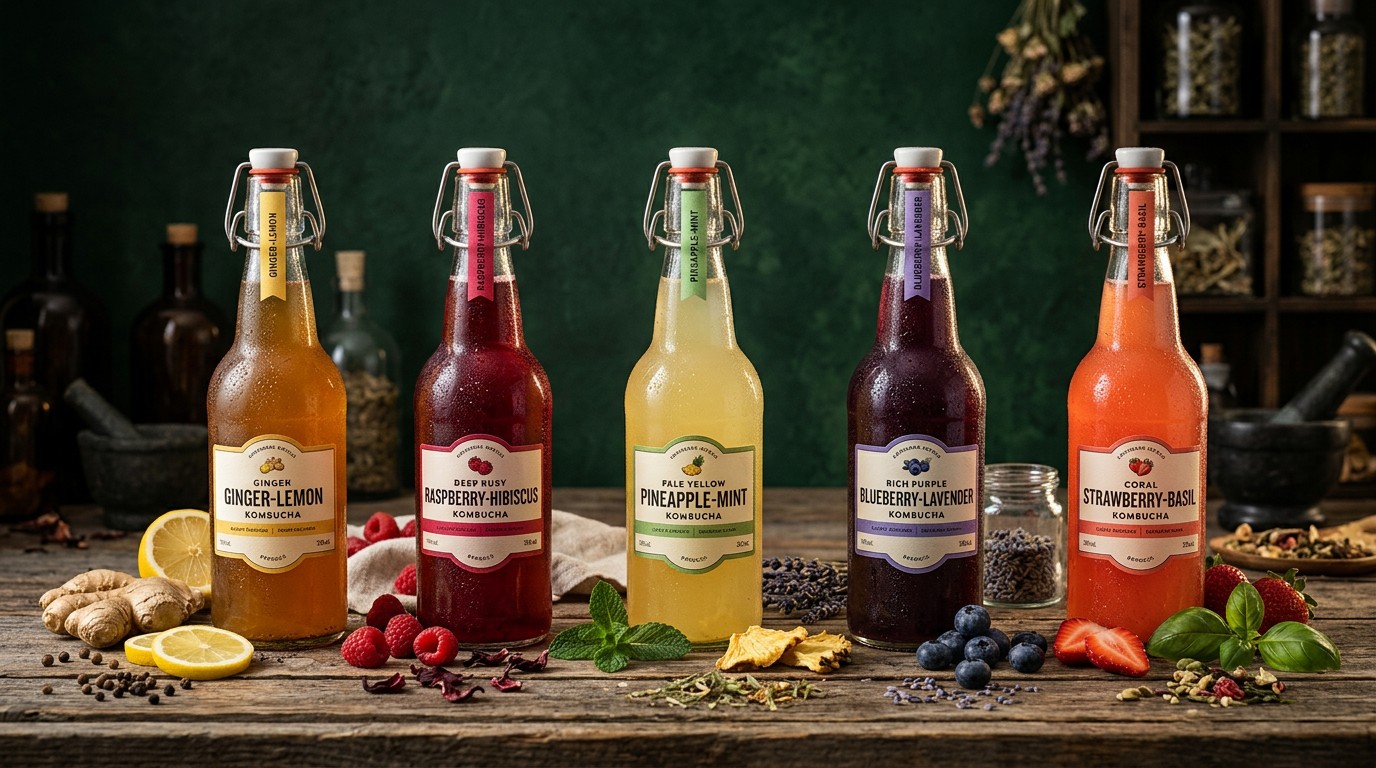
Eight kombucha flavor concepts with a review of batch capacity, acidity, bottle pressure and storage limits. Home fermentation procedures are …
Read More
Learn how to make water kefir at home, a light, effervescent probiotic drink you can flavor with lavender, ginger, hibiscus, or any botanical you …
Read More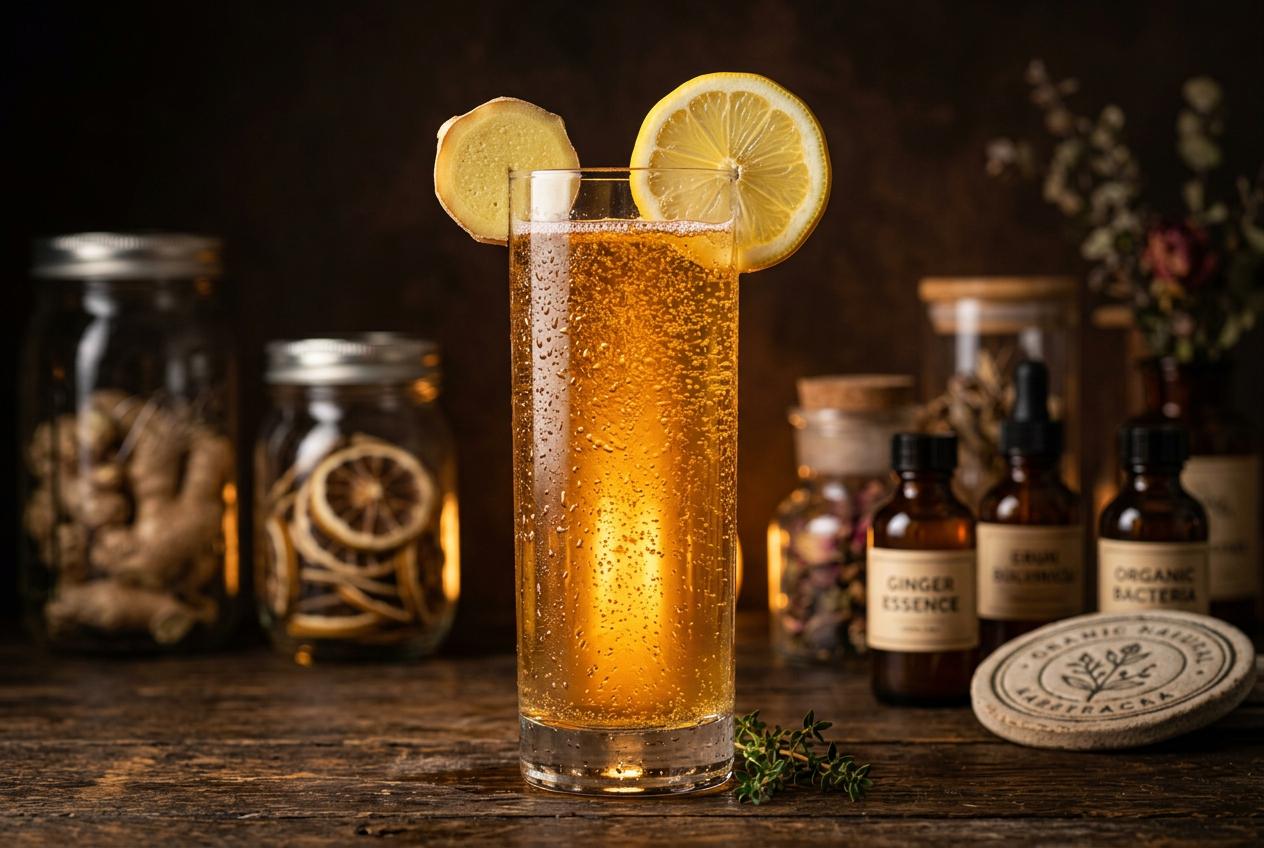
Make plain kombucha with an attributed ingredient batch, vessel sizing, temperature and acidity checks, plus clear limits on bottling and alcohol.
Read MoreFermentation is the oldest biotechnology, and it produces some of the most complex flavors you can put in a glass. These recipes cover the living drinks: kombucha, water kefir, ginger bugs, tepache, fermented lemonades, and wild sodas that carbonate themselves through the quiet work of yeast and bacteria.
Every recipe includes timelines, temperature ranges, and the visual and taste cues that tell you when a ferment is ready. Fermentation is not an exact science in the way baking is, so learning to read your brew matters as much as following the recipe.
Extremely safe, when you follow basic practices. The acidic, low-pH environment created during fermentation is hostile to harmful bacteria. Mold is the main concern, and it is visible and obvious (fuzzy, colored spots on the surface). A healthy ferment smells pleasantly sour and tangy. If something smells putrid or shows mold, discard it and start over.
First ferments typically run 5 to 14 days depending on temperature, sugar content, and the culture’s strength. Warmer environments (75 to 80 degrees F) ferment faster. Cooler kitchens slow things down. Second ferments for carbonation take 2 to 4 days at room temperature. Taste daily and bottle when the sweetness and acidity balance suits you.
A ginger bug is a wild yeast and bacteria culture grown from fresh ginger, sugar, and water. It takes about 5 to 7 days to establish and acts as a natural starter for carbonating any sweetened liquid. Think of it as a sourdough starter for sodas. Once active, you feed it daily and it provides an endless supply of natural carbonation culture.
A wide-mouth glass jar, a cloth cover, and a rubber band are enough to start most ferments. For carbonation, you need swing-top (Grolsch-style) bottles or recycled plastic soda bottles that let you gauge pressure by squeezing. A thermometer helps but is not essential. Avoid metal containers, which react with acids produced during fermentation.
Burp your bottles daily during second ferment by briefly opening the cap to release excess pressure. Refrigerate bottles once carbonation reaches the level you want, as cold temperatures slow fermentation nearly to a halt. Using plastic bottles for your first few batches lets you feel the pressure building. When the bottle is firm to the squeeze, it is ready to refrigerate.