Rosemary Infused Cocktails: 7 Recipes for Herbal Drinks
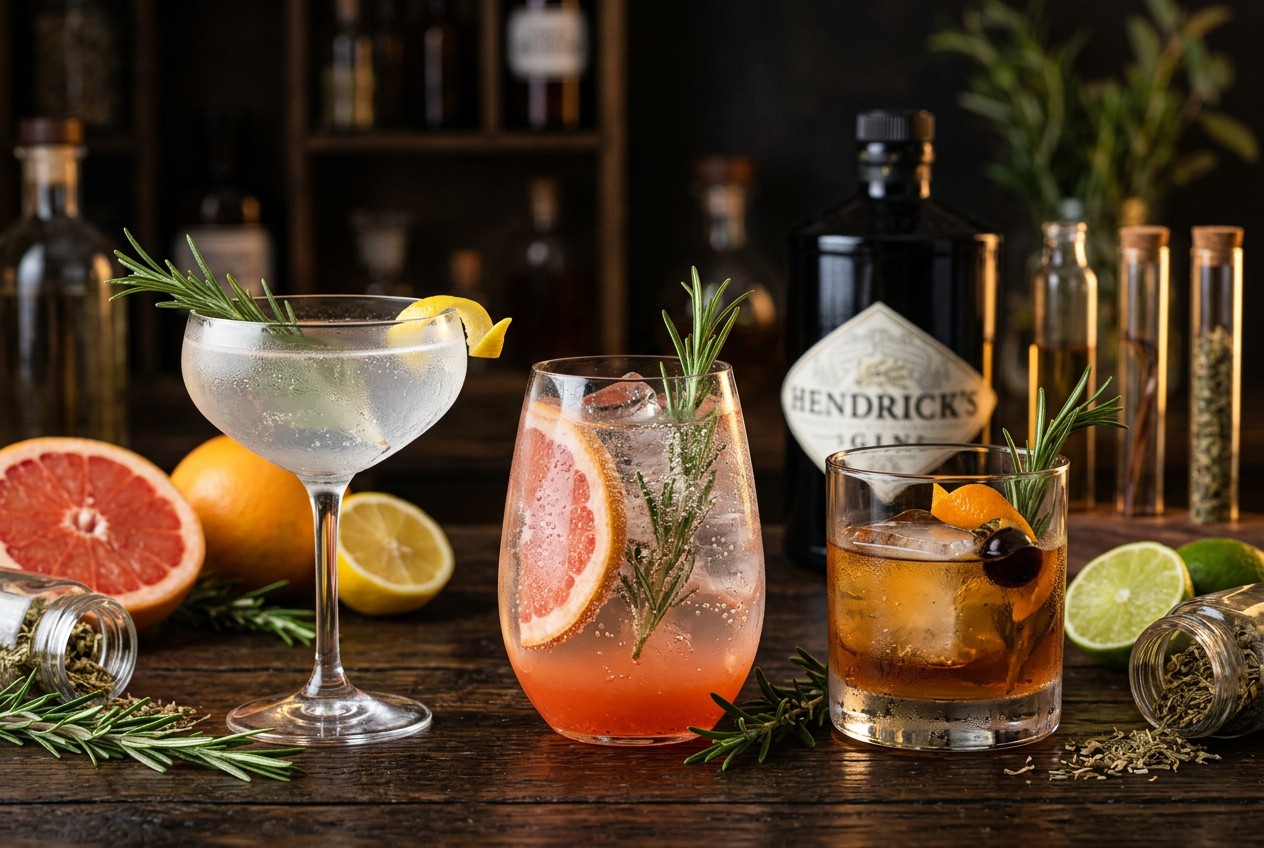
Transform your cocktails with fresh rosemary. Seven botanical drink recipes using gin, vodka, and tequila. Get the recipes.
Read MoreHerbal cocktail recipes featuring fresh botanicals, garden herbs, and artisan spirits for drinks rooted in real plant knowledge.
7 recipes
Herbal cocktails start where bartending meets botany. These recipes pair spirits with fresh herbs, homemade tinctures, and botanical infusions that add genuine complexity, not just a garnish on top. A sprig of rosemary in a gin and tonic is pleasant. Rosemary-infused honey shaken with citrus and aged rum is something else entirely.
Each recipe includes the botanical reasoning behind ingredient pairings: why certain herbs complement certain spirits, which essential oils are released by muddling versus steeping, and how temperature changes what you taste. Precision matters here.
Transform your cocktails with fresh rosemary. Seven botanical drink recipes using gin, vodka, and tequila. Get the recipes.
Read More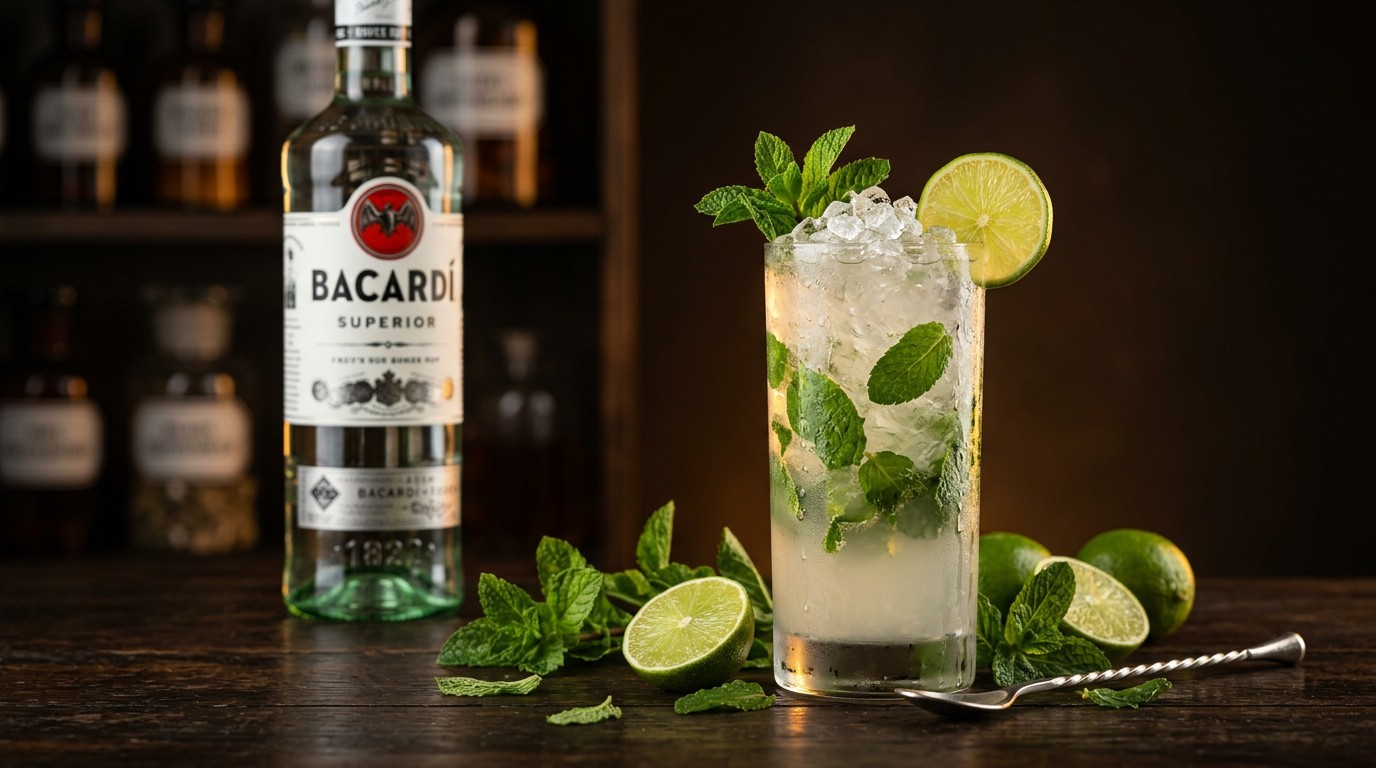
A classic mint mojito with white rum, fresh lime, and muddled mint leaves. Get the recipe for the ultimate refreshing summer cocktail.
Read More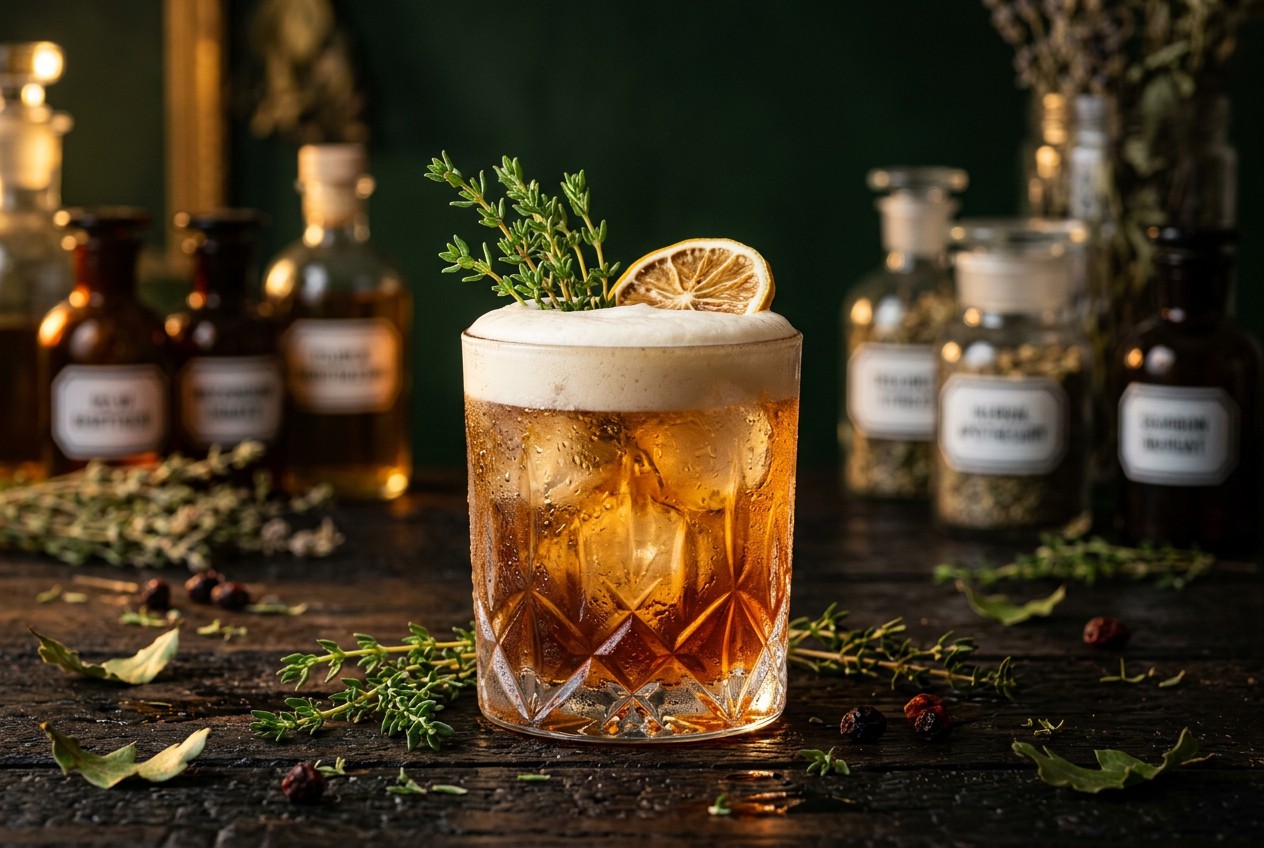
A warming bourbon sour with fresh thyme and maple syrup. Perfect for crisp autumn nights. Get the recipe now.
Read More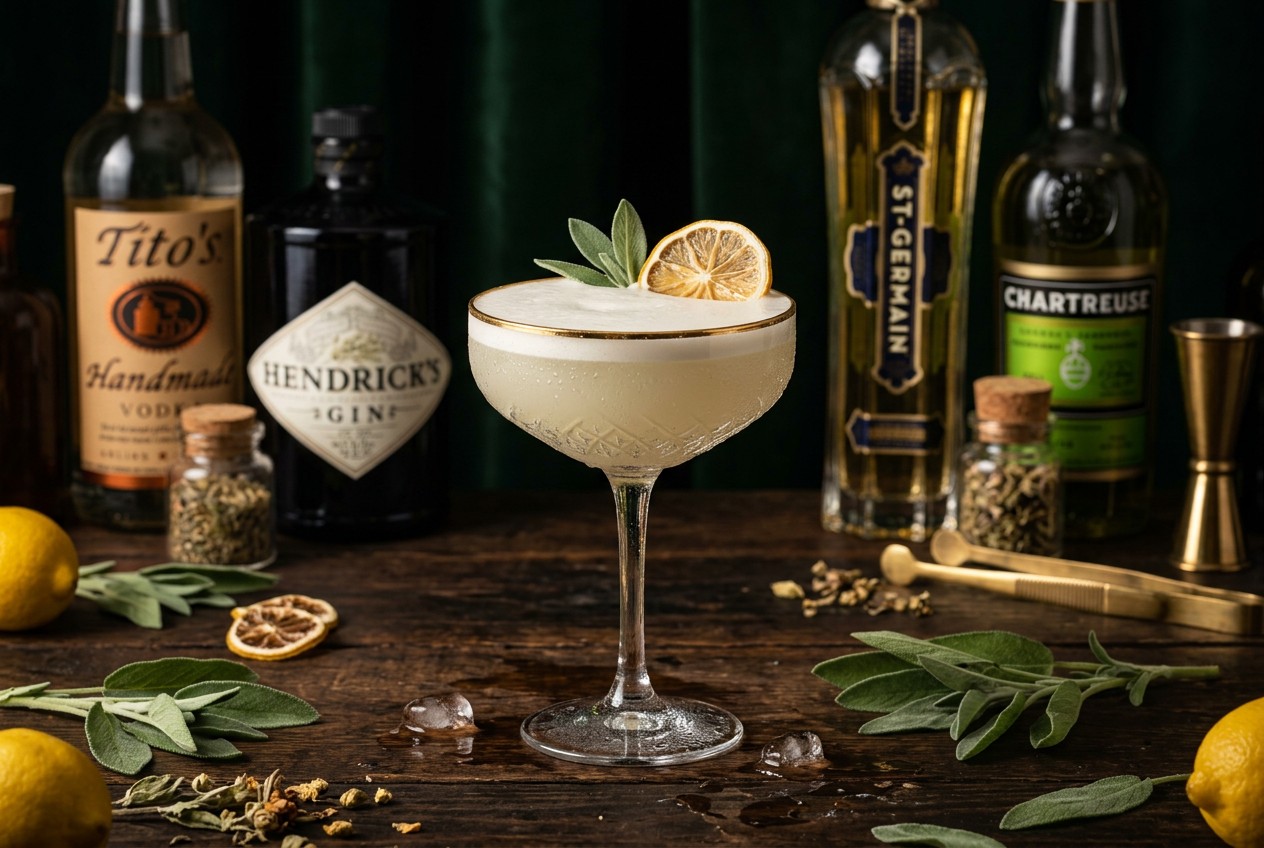
A botanical vodka sour with fresh sage, raw honey, and bright lemon. Herbal clarity in a glass. Get the recipe now.
Read More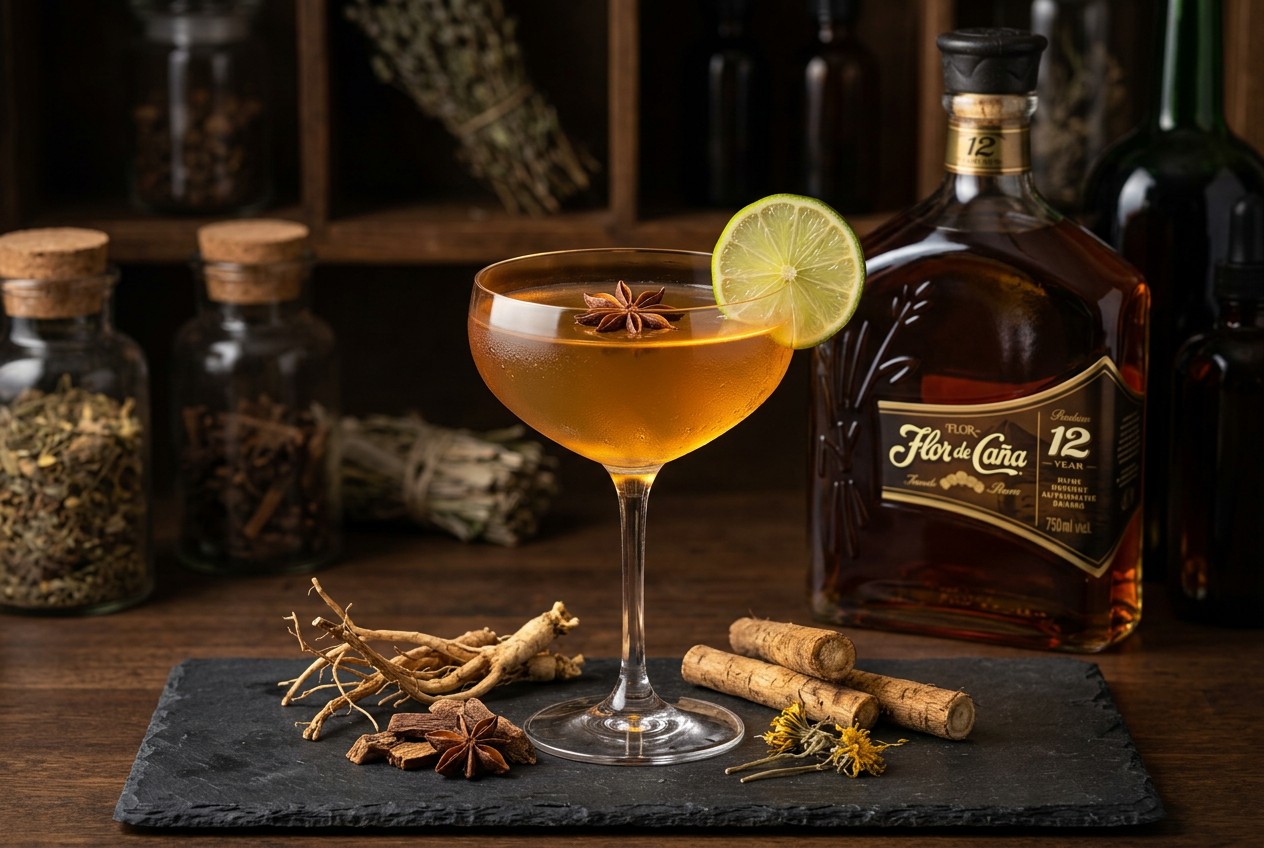
This root daiquiri features burdock root, sarsaparilla, and dandelion in a herbal simple syrup shaken with aged rum and lime. Get the recipe.
Read More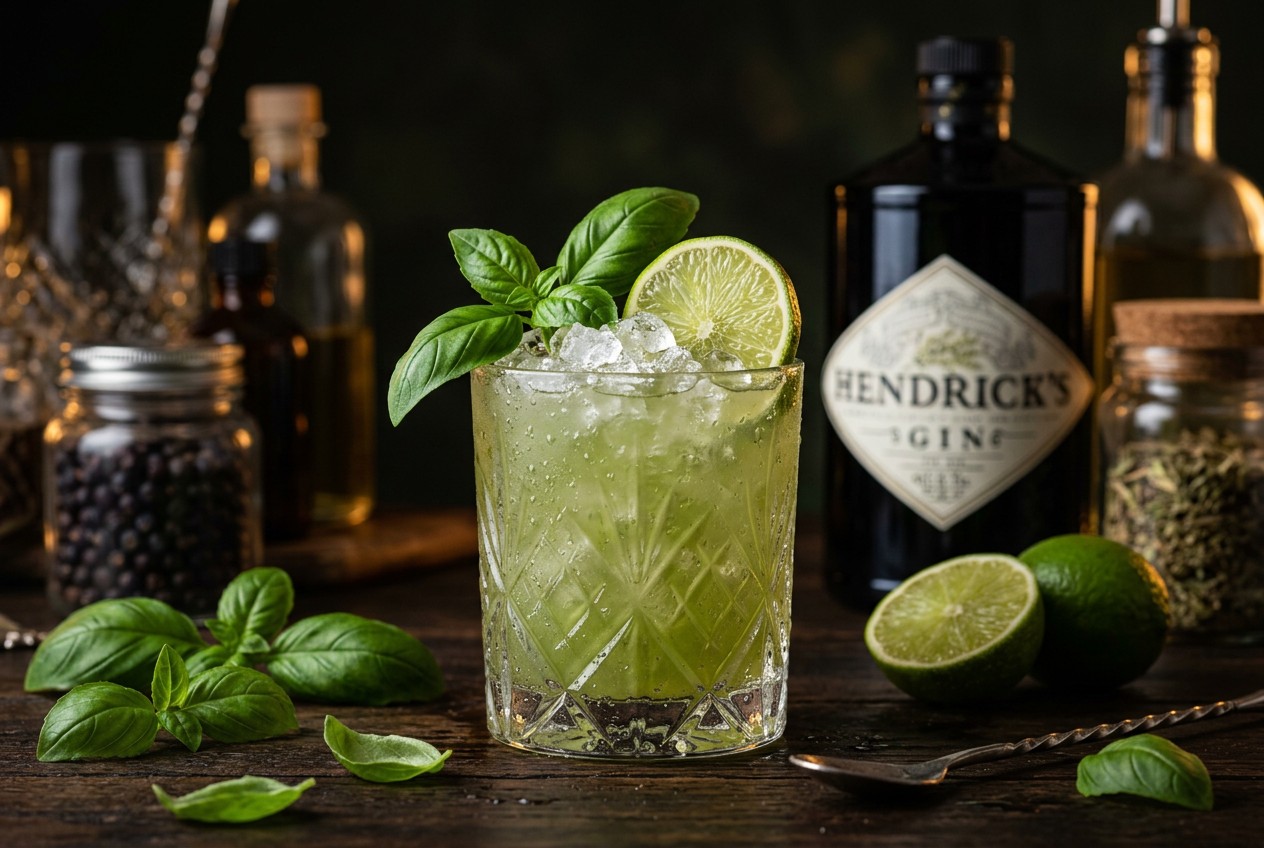
Fresh basil and lime transform gin into a bright, herbaceous summer sipper. Get the recipe for this cooling botanical cocktail.
Read More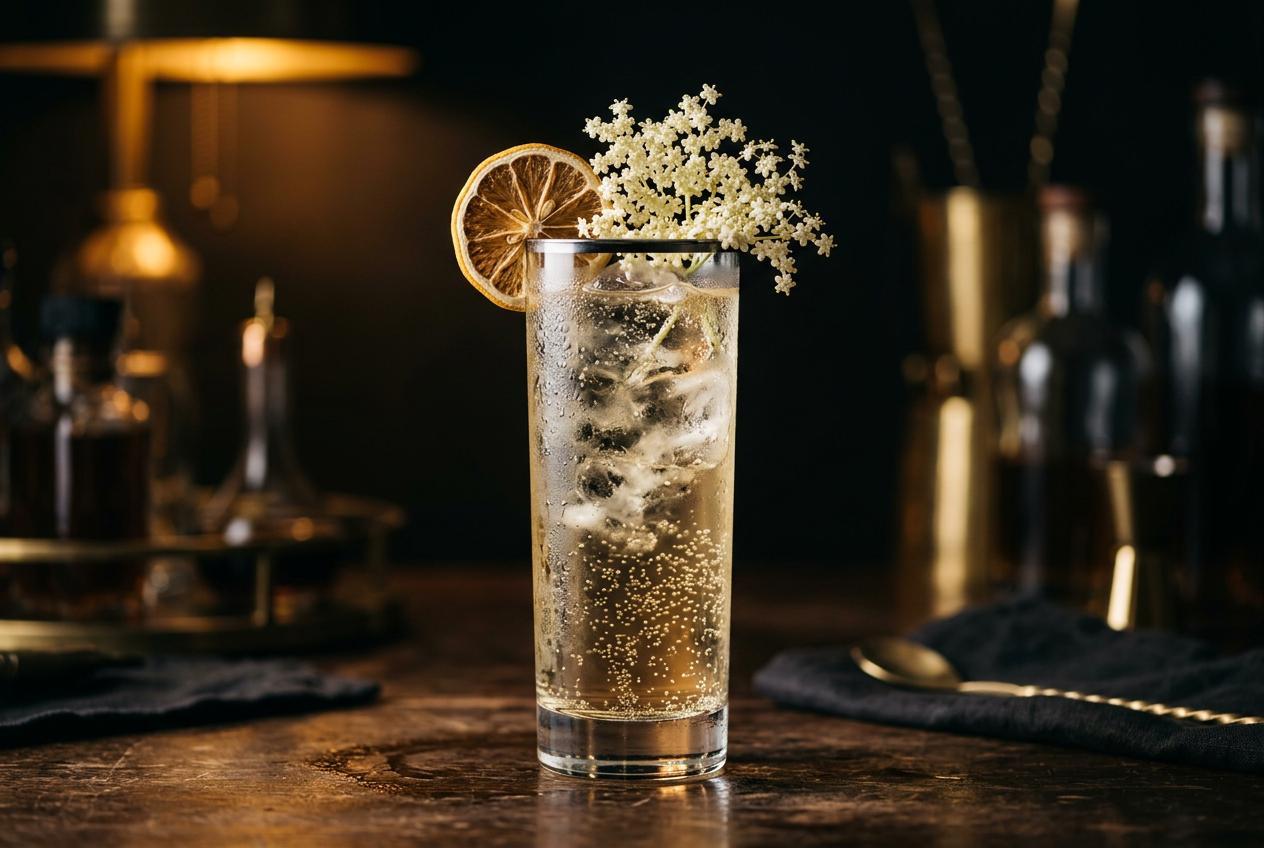
This elegant elderflower gin collins combines floral botanicals with bright citrus for a refreshing herbal cocktail. Perfect for spring and summer …
Read MoreTime and temperature are everything. Most fresh herbs need only 2 to 4 hours in room-temperature spirits. Rosemary, thyme, and sage turn bitter after 6 hours. Delicate herbs like basil and cilantro should steep for 30 to 90 minutes maximum. Taste every 30 minutes and strain the moment the flavor peaks.
An infusion steeps herbs in a base liquid (spirits, water, or vinegar) for hours to days. A tincture concentrates plant compounds by soaking herbs in high-proof alcohol for weeks, producing a potent extract you use by the dropper. One builds body in a drink; the other adds concentrated botanical notes in small doses.
Gin loves rosemary, lavender, and juniper-adjacent botanicals. Rum works beautifully with tropical herbs like lemongrass and pandan, plus warm spices. Tequila and mezcal pair with cilantro, chili, and agave-friendly herbs. Vodka is a blank canvas that lets any herb shine without competition. Whiskey favors robust herbs: sage, thyme, and warming spices.
In hot preparations like syrups and infusions, dried herbs work well at roughly one-third the quantity of fresh. In cold muddled applications, fresh herbs are irreplaceable because you need the volatile oils that evaporate during drying. Always use fresh for garnishes and muddling, dried for syrups and longer infusions.
Start with less than you think you need. A single sprig of rosemary in a shaker is potent. Build sweetness to counterbalance bitterness (most herbs lean bitter), and always include acid (citrus juice or shrub) to brighten the drink. Taste as you go and remember that ice dilution will soften everything by about 20 percent.