Warm Cinnamon Orange Tea for Winter
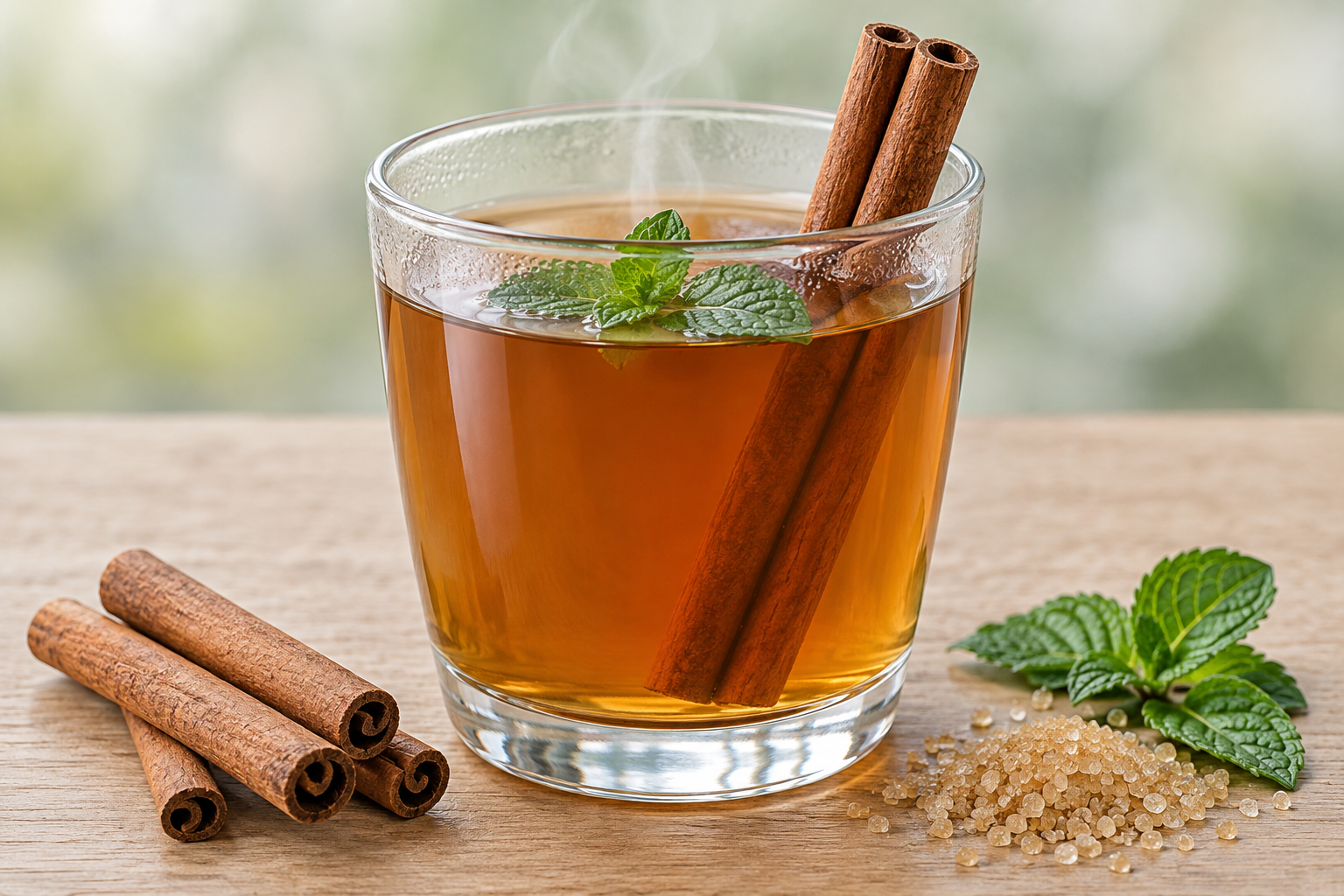
Cinnamon orange tea steeps whole cinnamon sticks, orange peel, and fresh mint for a warming winter drink that tastes bright, not syrupy.
Read MoreHerbal tea recipes and tisane blends with precise steeping times, temperatures, and botanical pairings for every season.
25 recipes
Cinnamon orange tea steeps whole cinnamon sticks, orange peel, and fresh mint for a warming winter drink that tastes bright, not syrupy.
Read More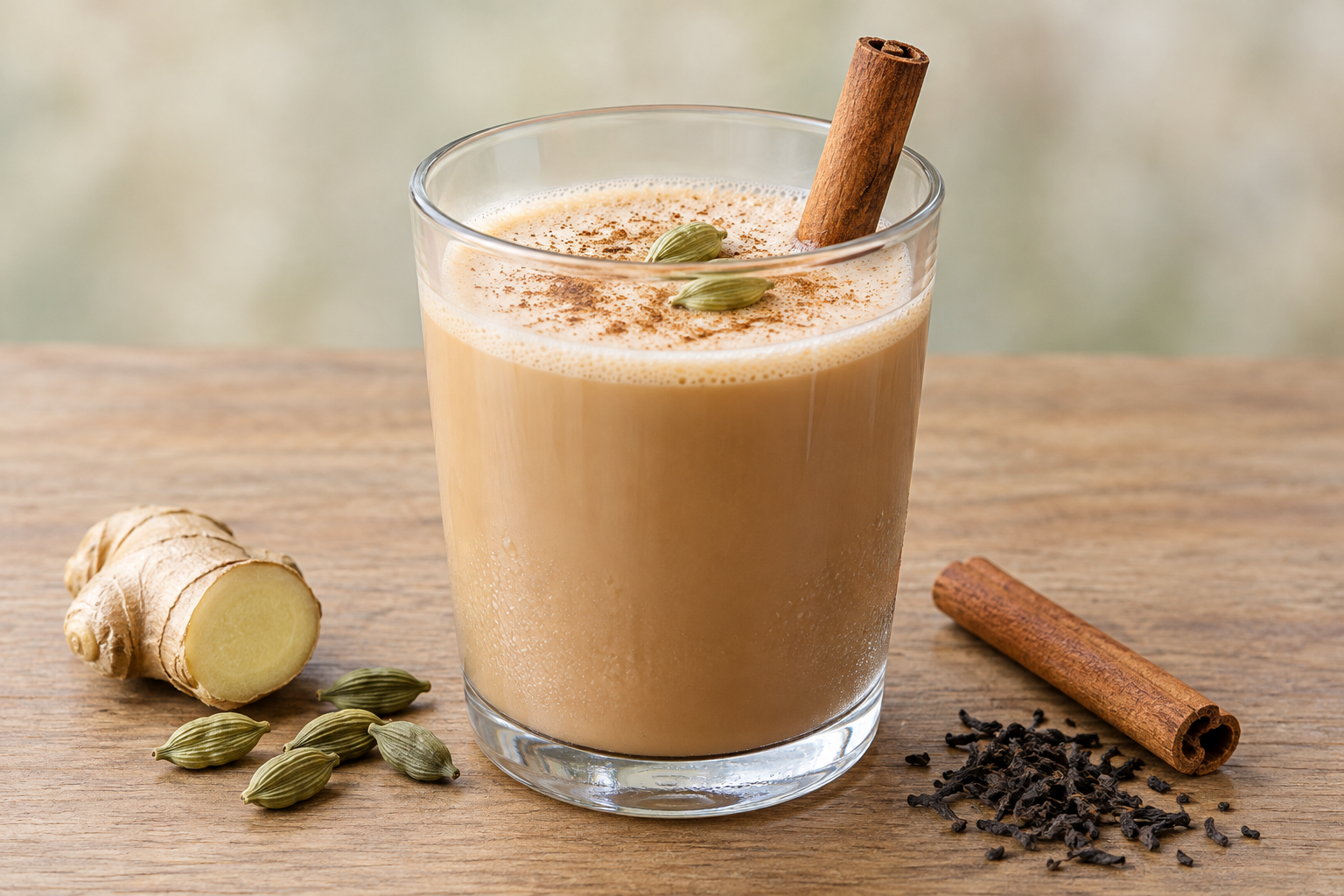
Masala chai recipe with whole spices uses fresh ginger, crushed cardamom pods, and cinnamon stick simmered in water, then steeped with strong black …
Read More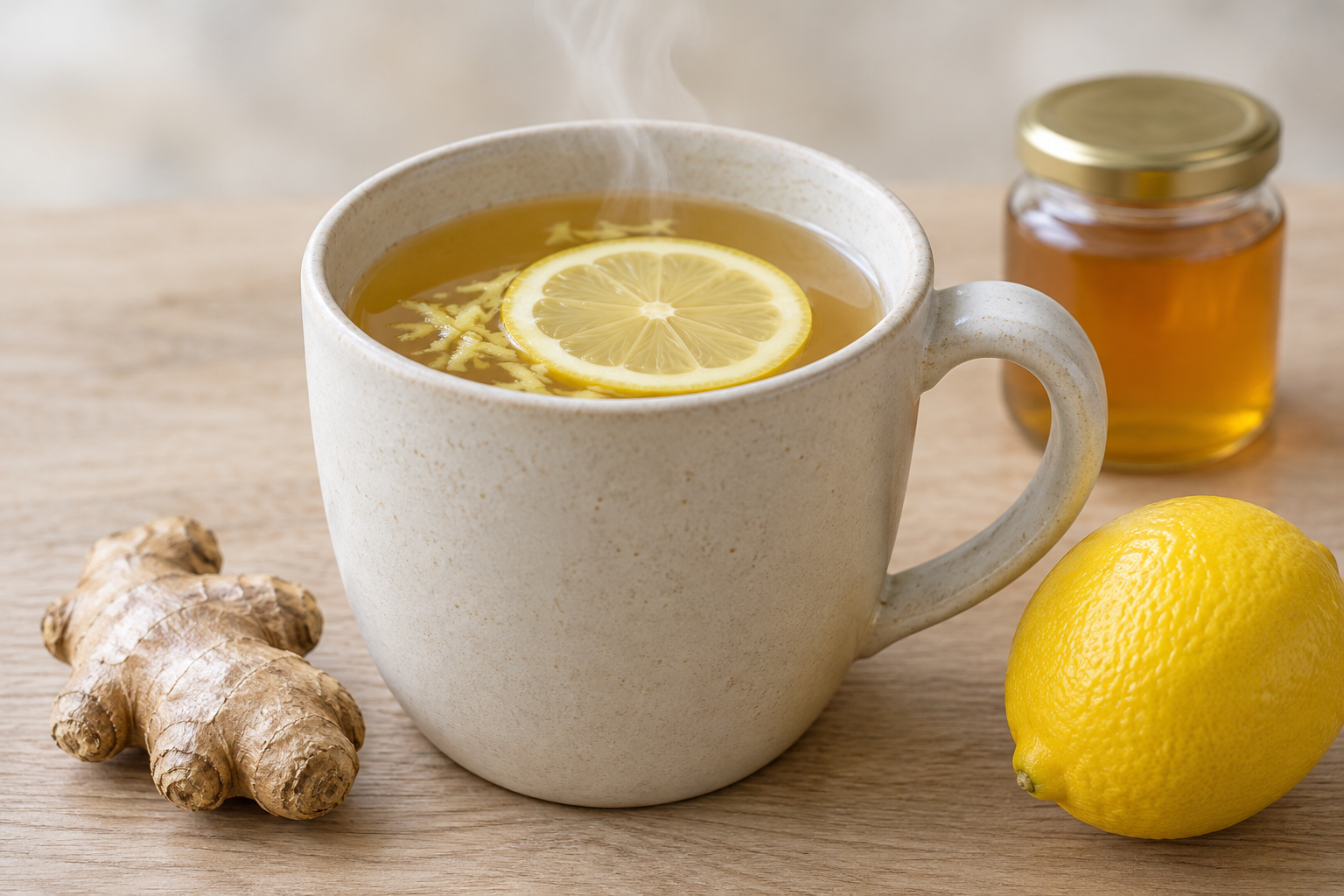
Learn how to make ginger honey and lemon tea by simmering fresh ginger root until the water turns golden, then stirring in lemon juice and honey.
Read More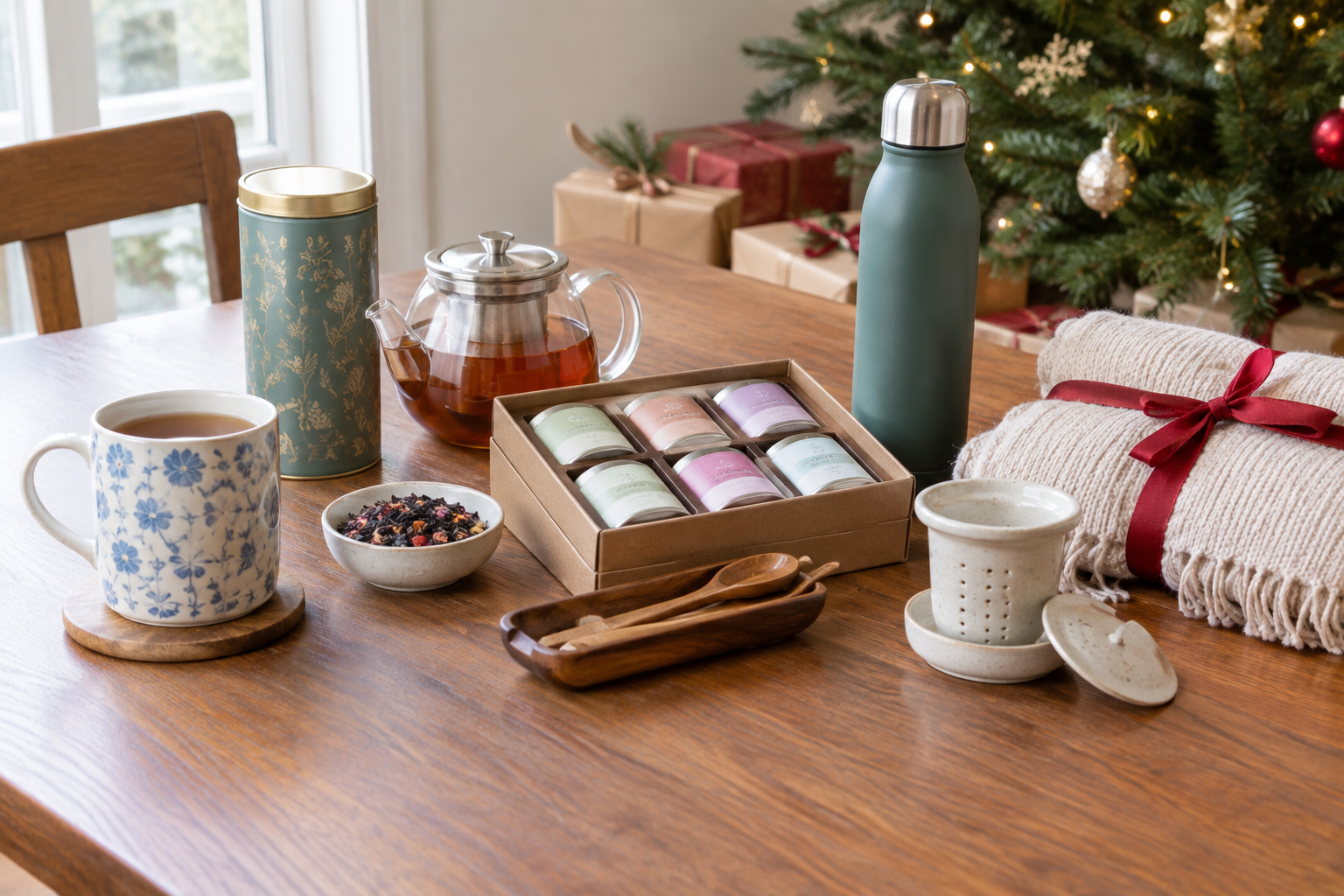
Good gifts for tea drinkers solve real problems: airtight tins that keep leaves fresh, gooseneck kettles for controlled pouring, or samplers that …
Read More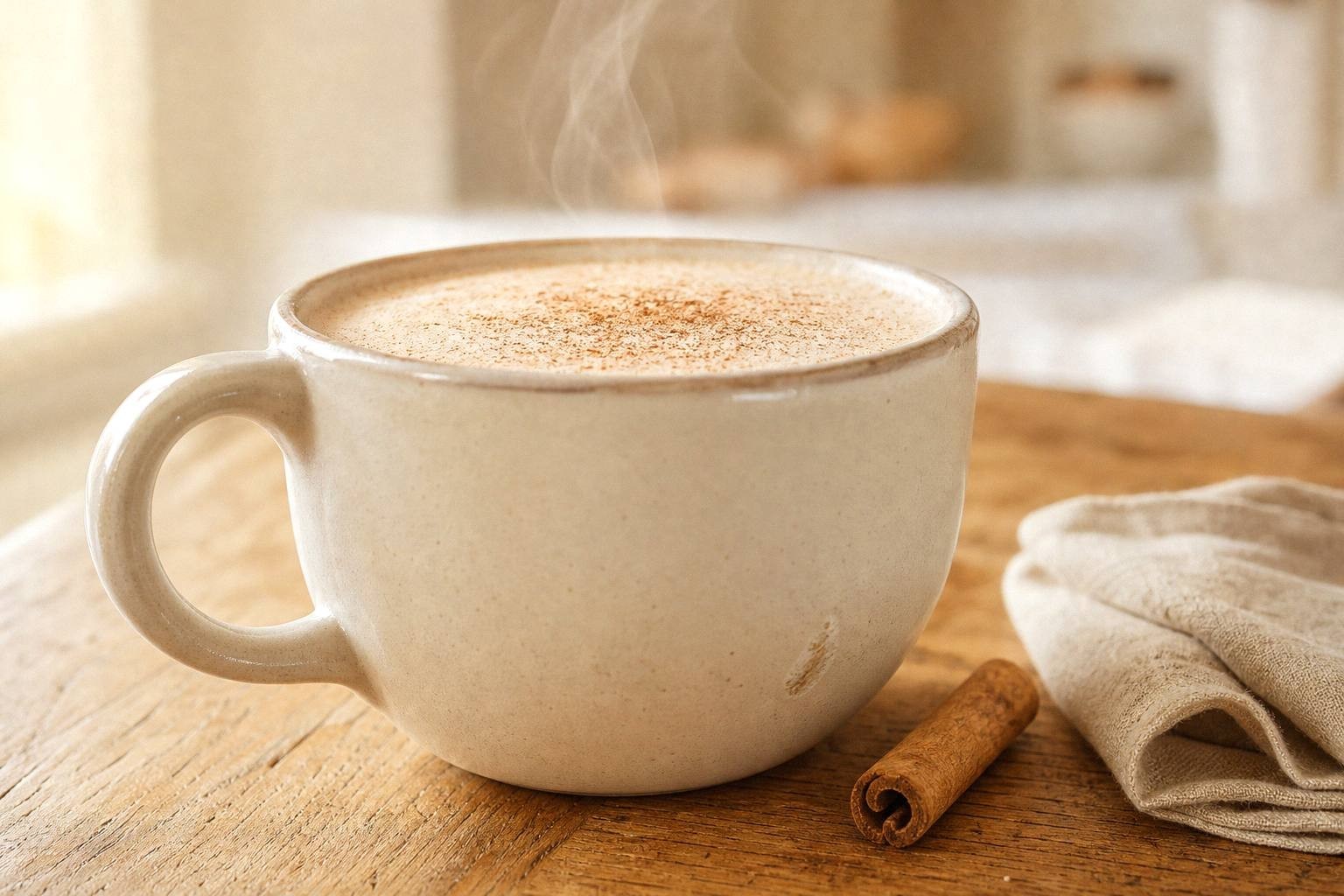
Maple chai latte steeped in hot milk instead of water, then sweetened with a tablespoon of pure maple syrup and dusted with cinnamon. Five minutes.
Read More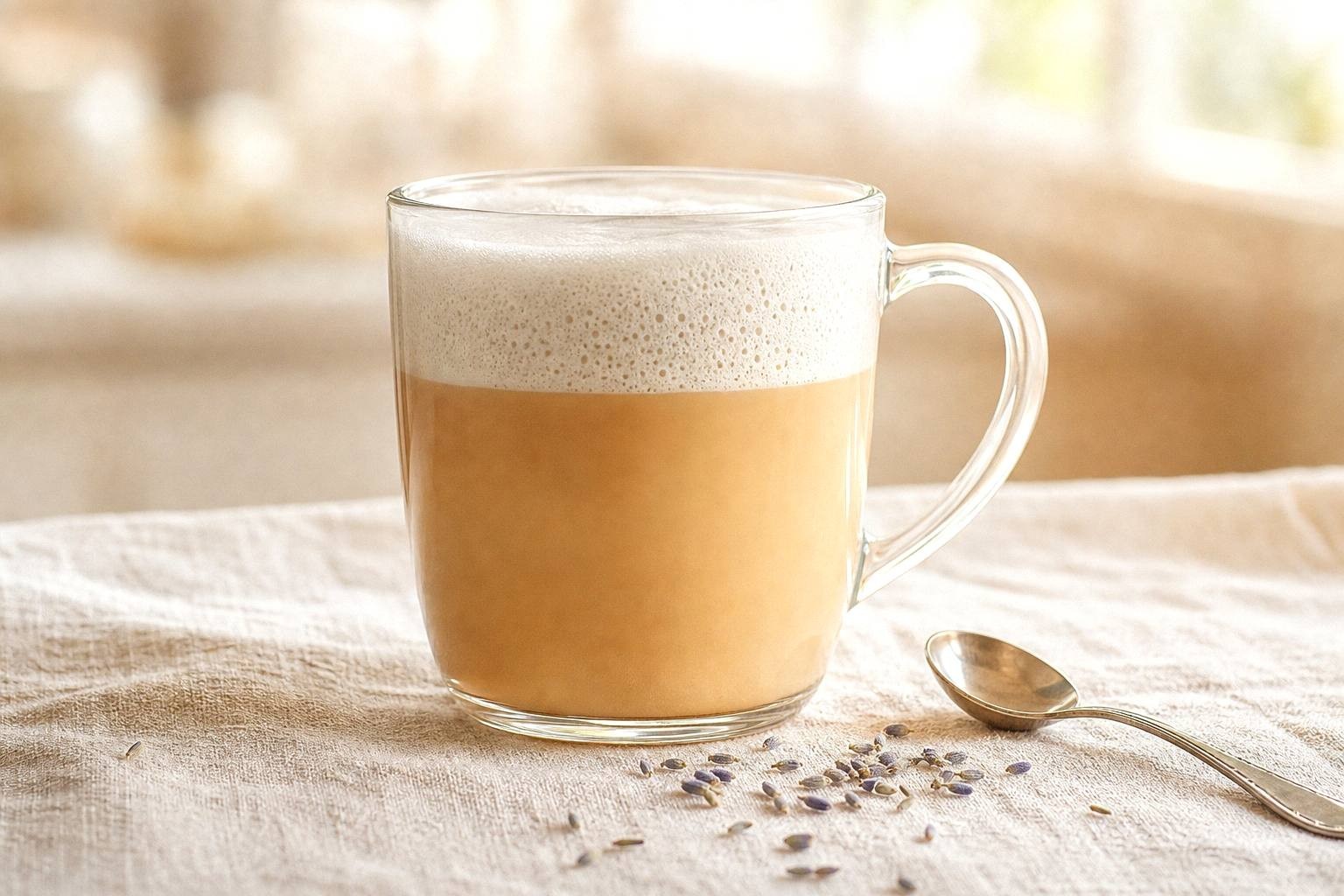
London fog latte with Earl Grey tea, half a teaspoon of culinary lavender, vanilla and steamed milk. Both the hot and iced methods, ready in five …
Read More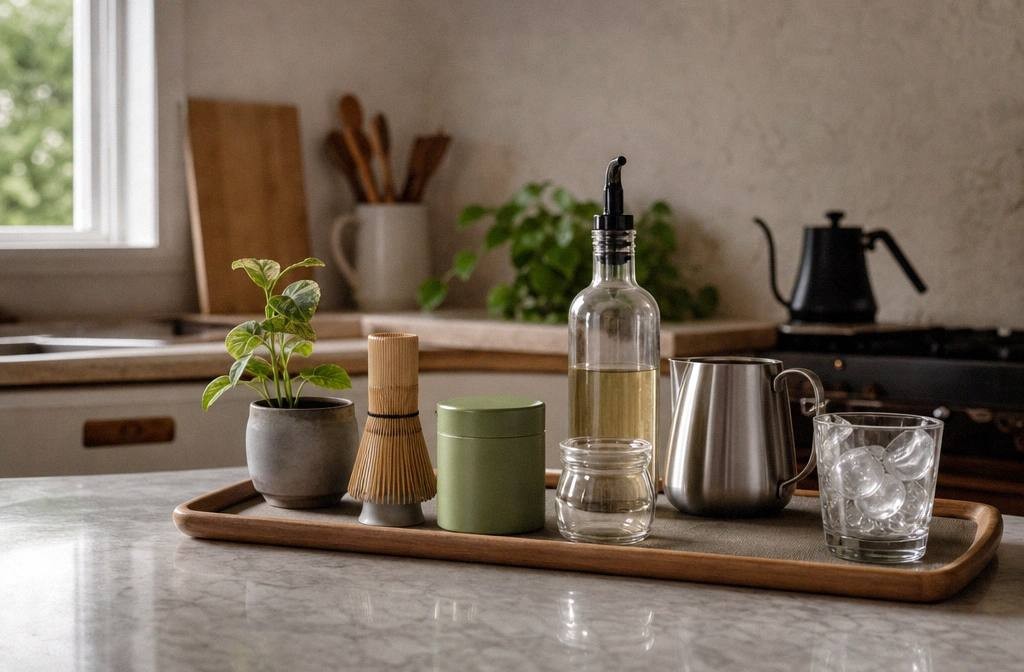
An at-home matcha bar with a measured iced latte, warm-water whisking, milk and syrup storage, dry tools and a small station for everyday drinks.
Read More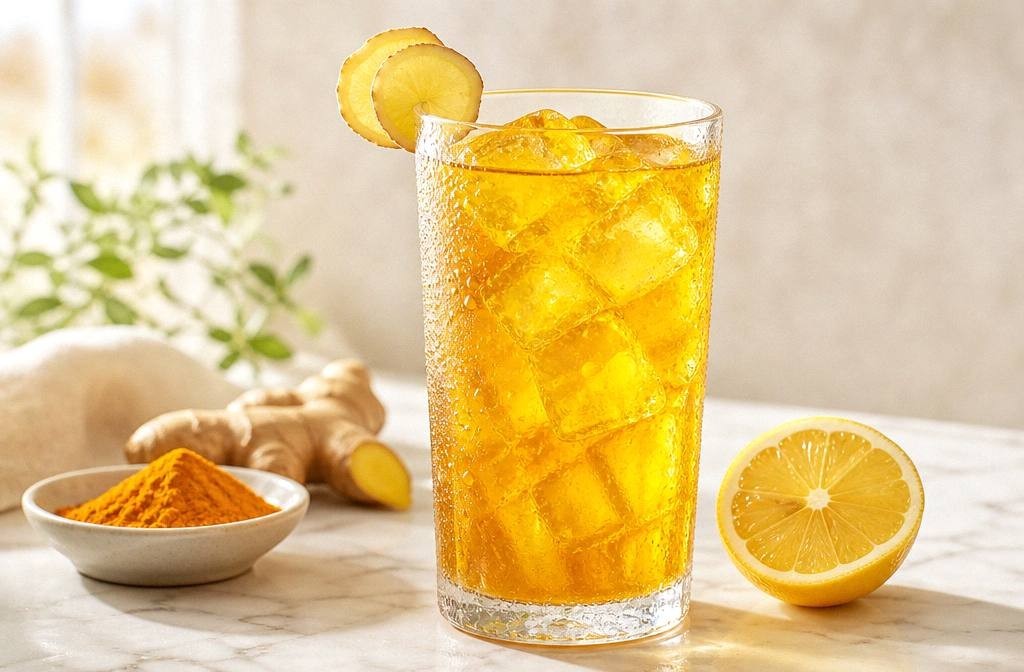
Iced turmeric tea with ginger and lemon, an optional pepper note and measured four-glass yield. Steep for flavor, strain, chill and stir to serve.
Read More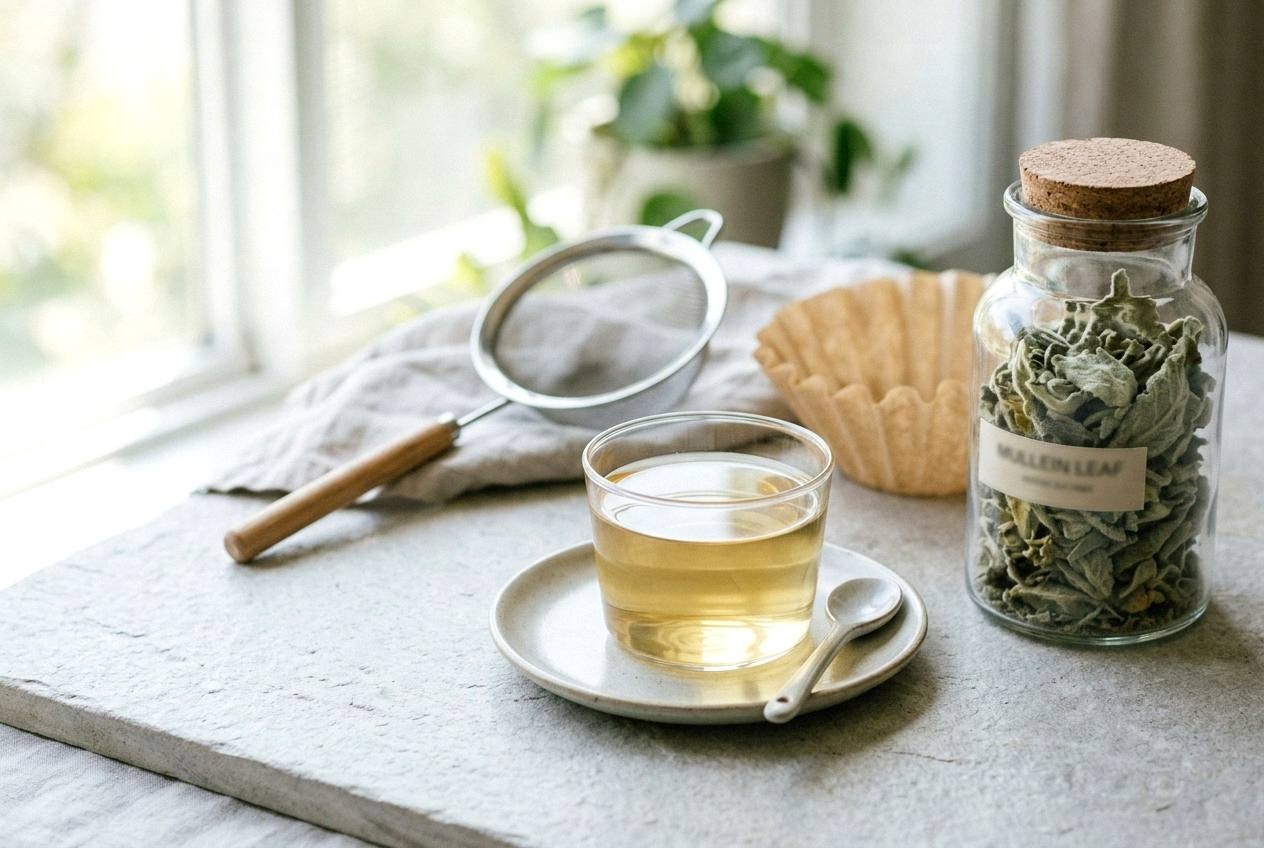
Mullein tea side effects, gordolobo tea safety, throat irritation from leaf hairs, pregnancy and kids notes, and how to strain mullein tea safely.
Read More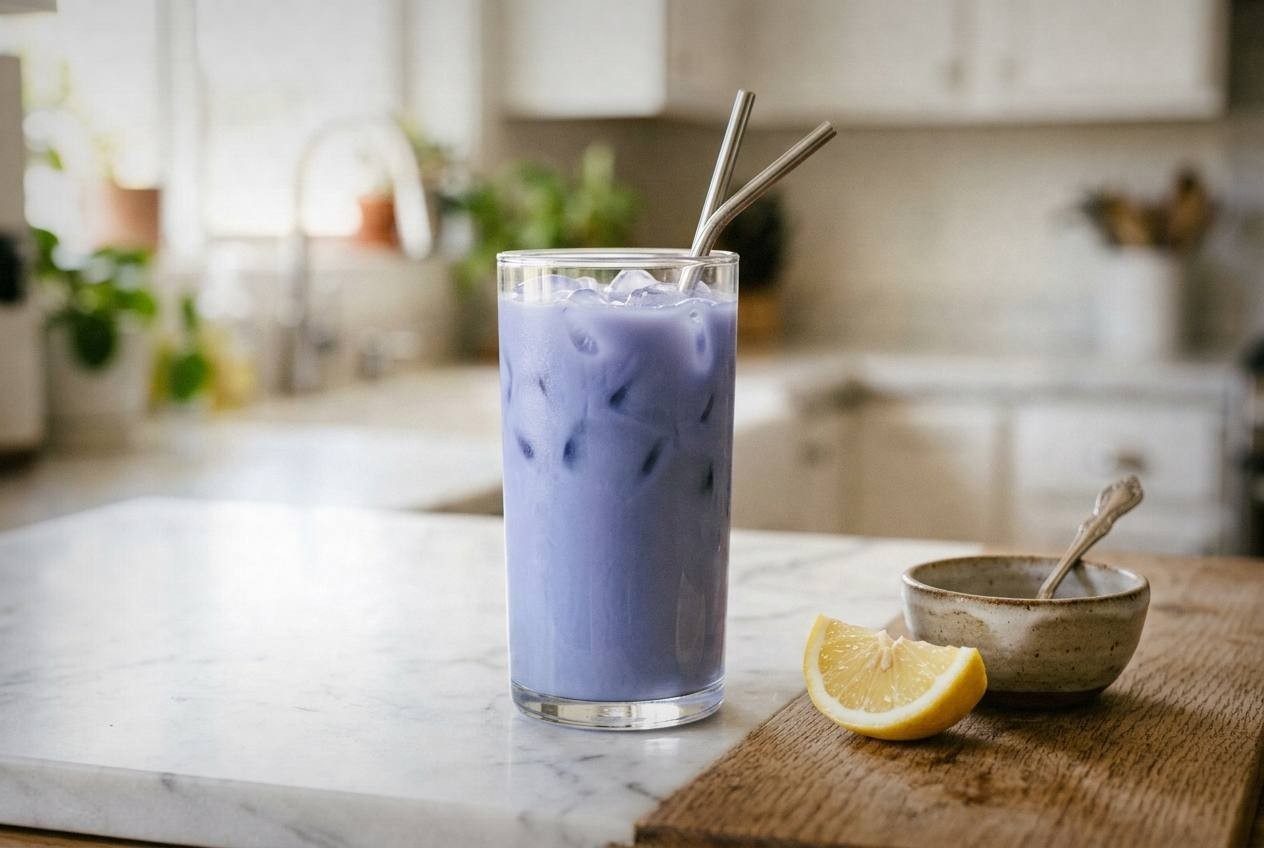
Iced butterfly pea flower latte with oat milk, maple, and vanilla. Brew and chill the blue tea, then pour one measured glass over ice to serve.
Read More
Nettle and oatstraw iced tea uses a hot infusion, prompt cooling and measured portions. Includes raspberry leaf and lemon balm for a grassy cup.
Read More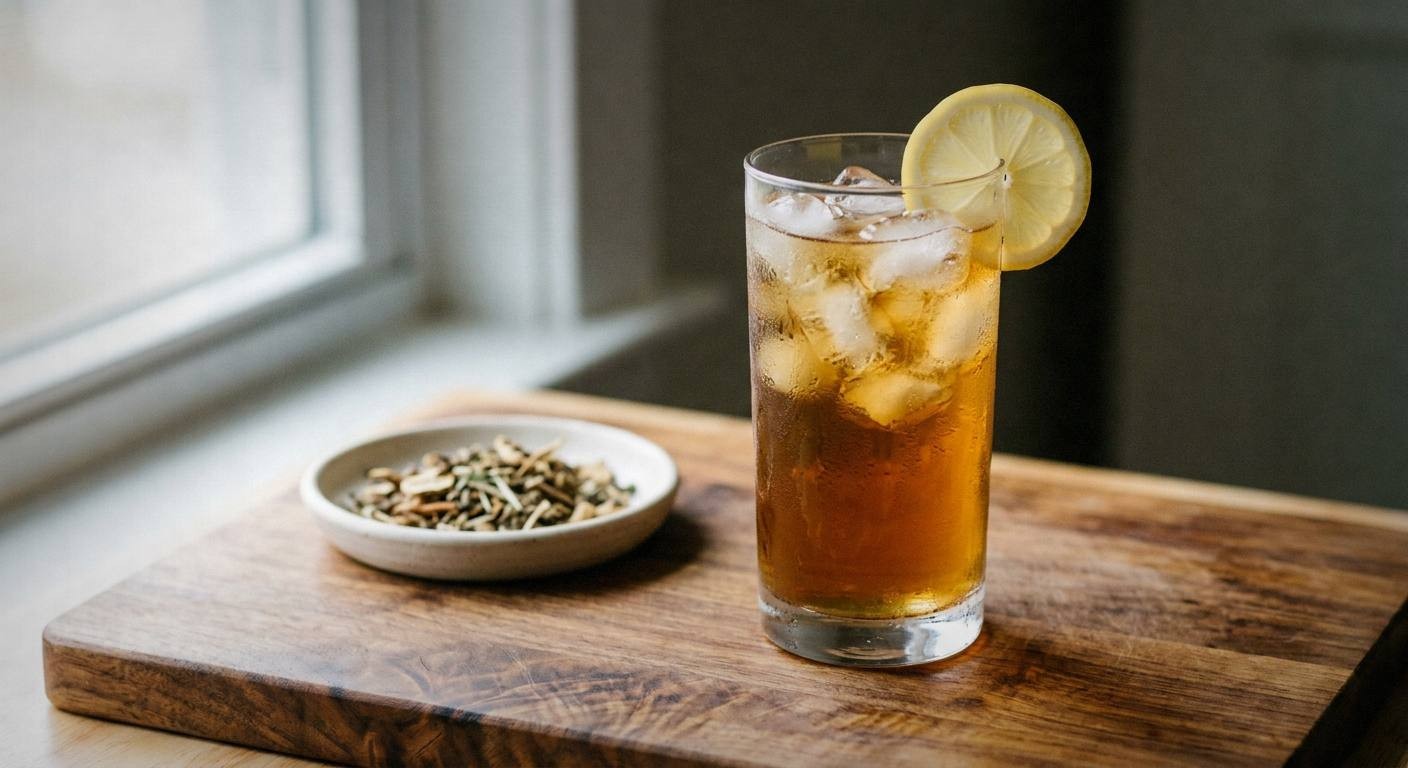
Why the former cortisol tea blend is on hold: supplement ingredients, cold extraction and health claims need a separate review.
Read More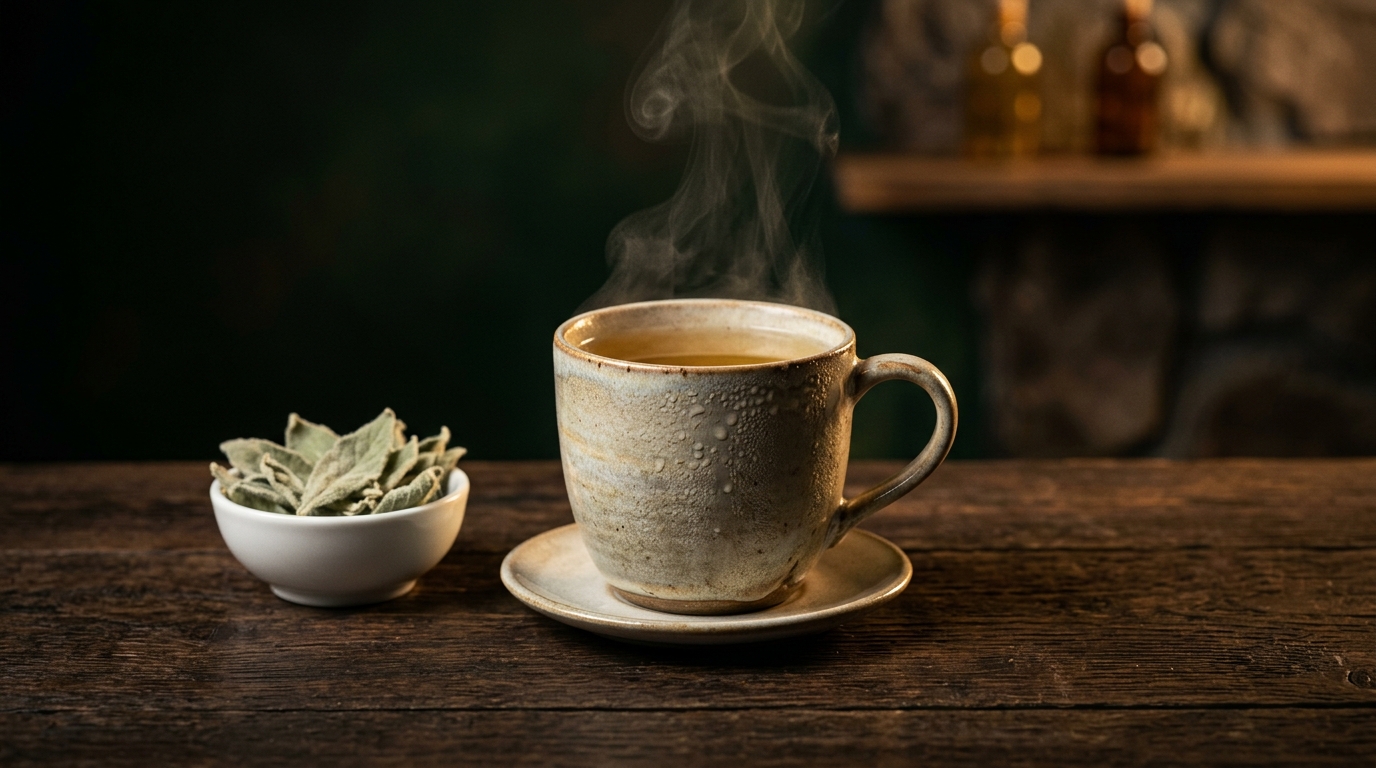
Mullein leaf tea using an identified labeled tea bag, a six-minute boiling-water steep and paper filtering, with optional measured honey and lemon.
Read More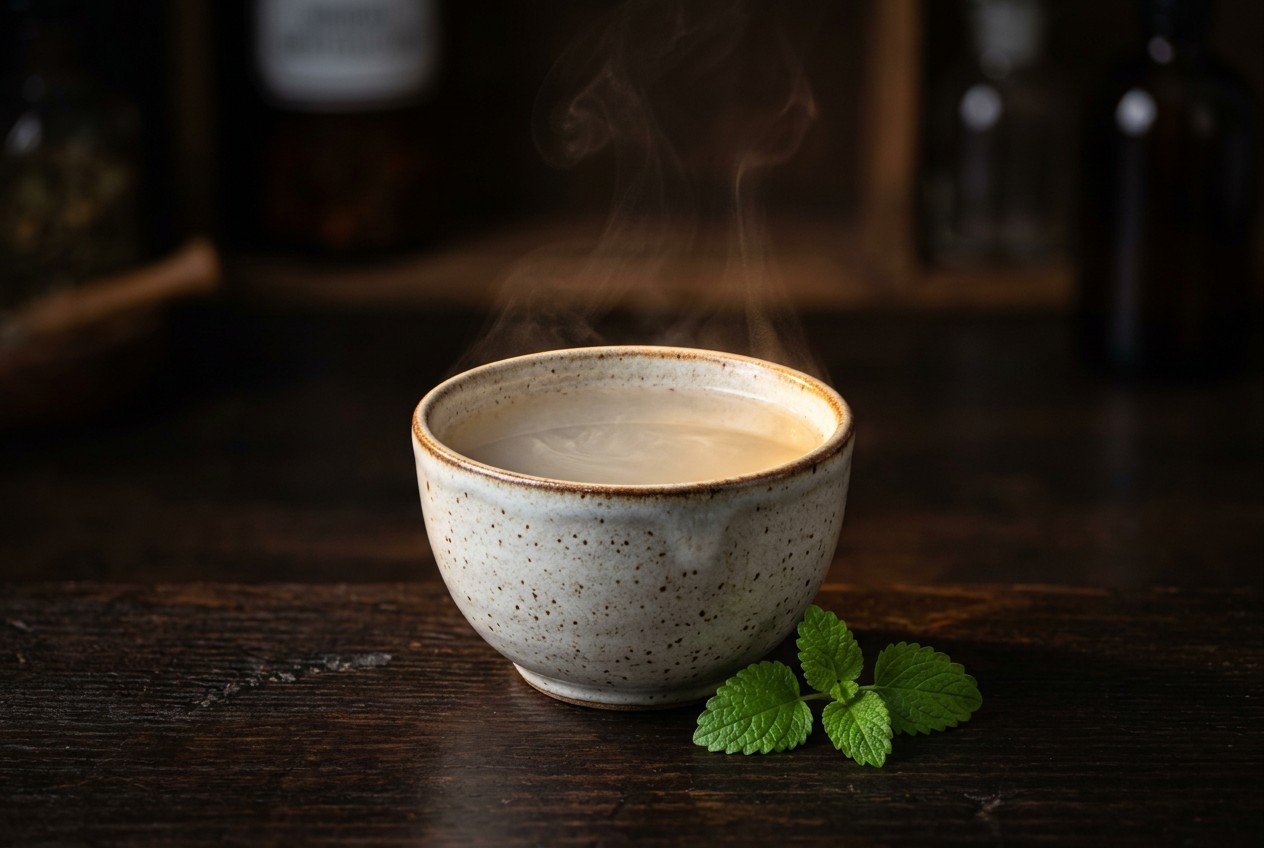
Mallow tea history and mucilage explained, with the dried-herb cold-infusion recipe withdrawn pending product-specific handling and safety evidence.
Read More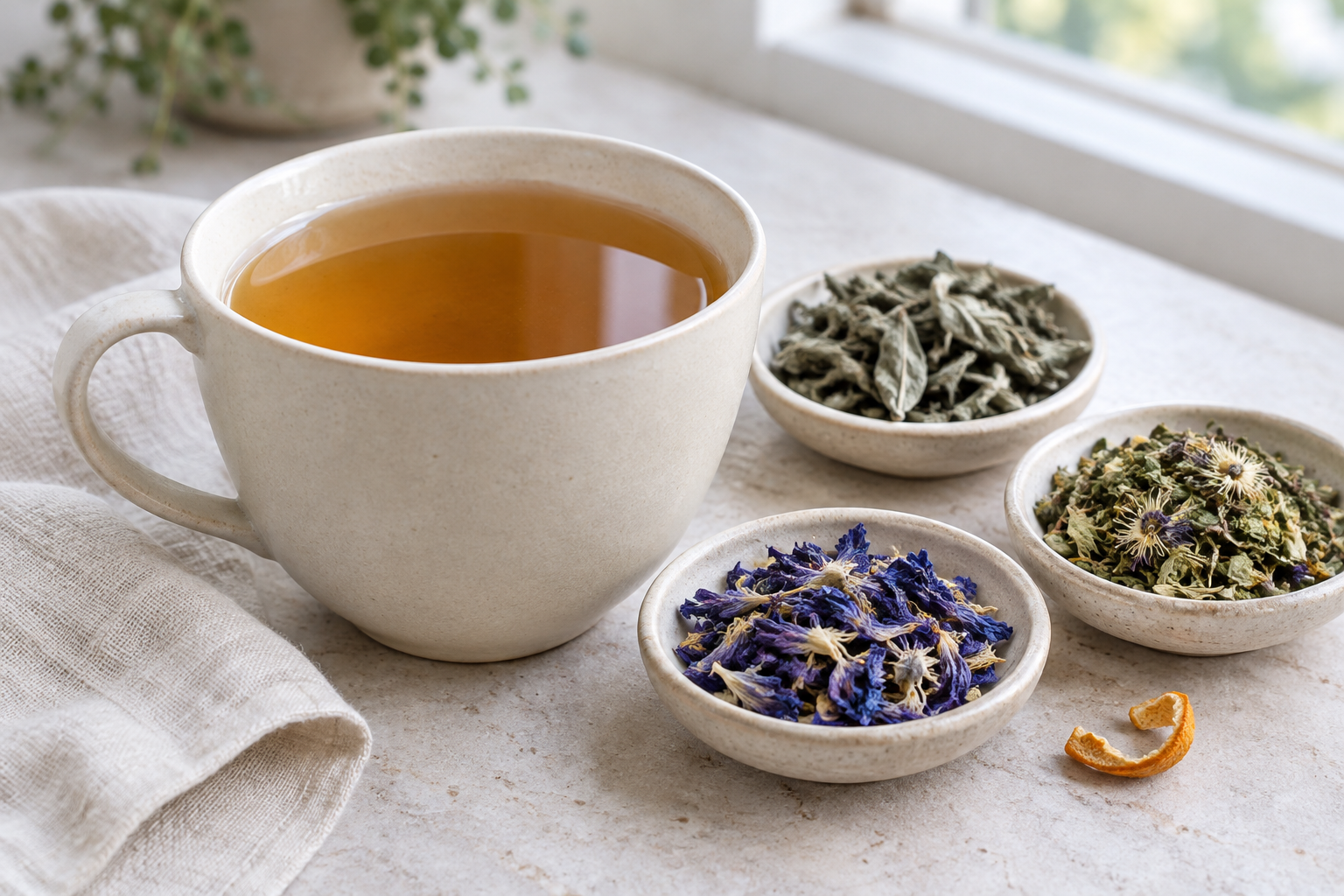
Does lucid dream tea work? Read the evidence, mugwort, blue lotus and passionflower safety concerns, and why our former recipe remains withdrawn.
Read More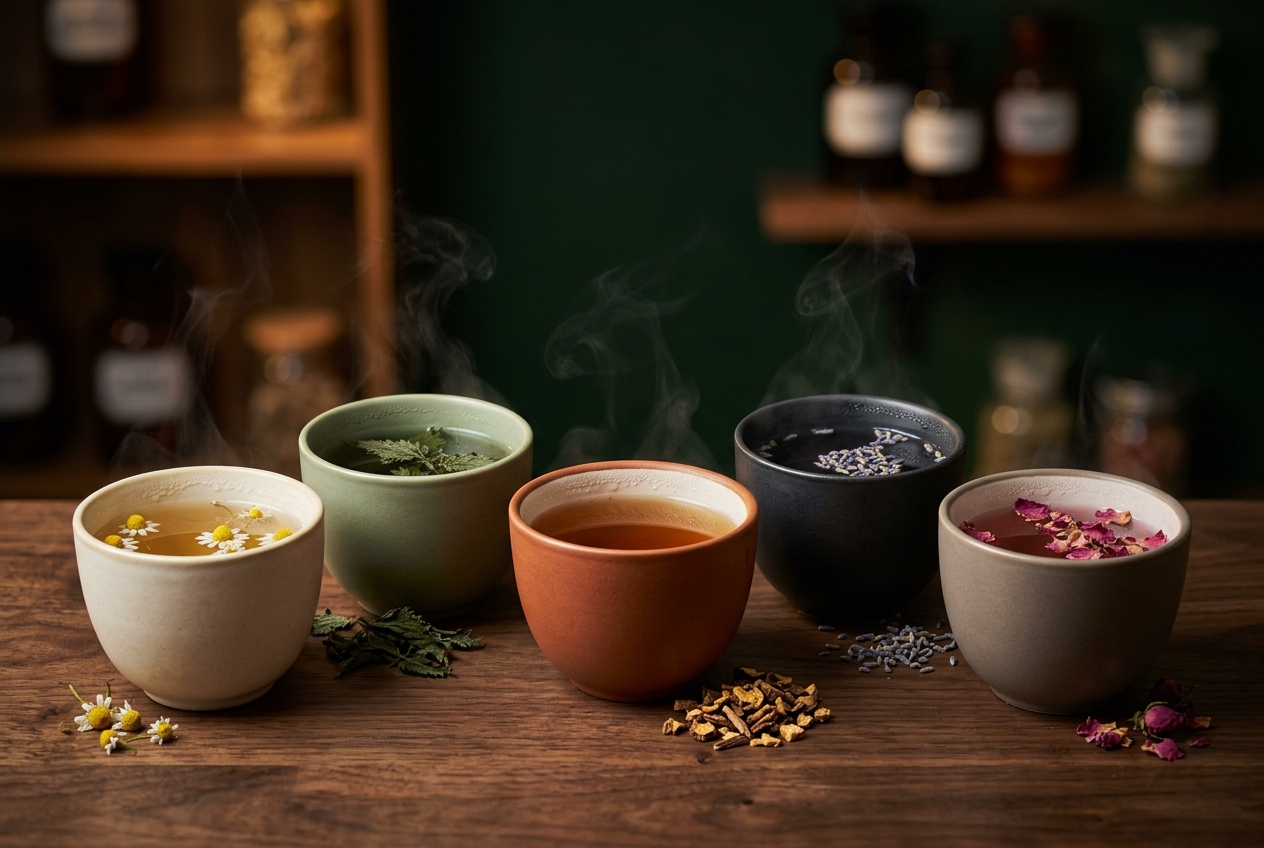
Make five tea blends, from rose-mint black tea to pear rooibos and a hibiscus cooler, with measured water and distinct steeping methods.
Read More
Make a published fresh-mint pot and understand why feverfew, willow bark and peppermint-oil research do not establish a homemade headache treatment.
Read More
Make two mugs of published lemon-ginger tea and separate a culinary drink from unsupported honey, nettle and eyebright allergy-treatment advice.
Read More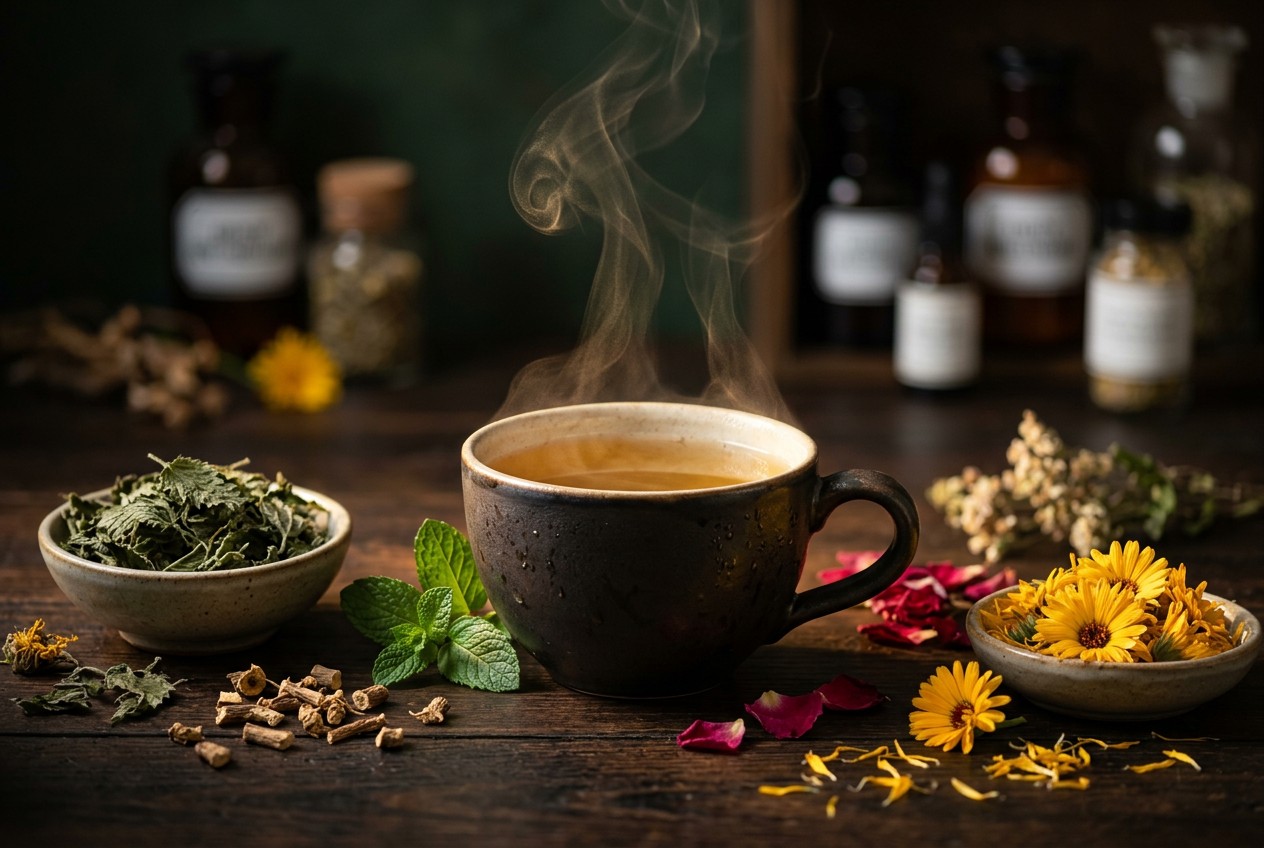
An original hot-brewed herbal blend with nettle, dandelion, spearmint, rose and calendula. No skin benefit or daily-use dose is established.
Read More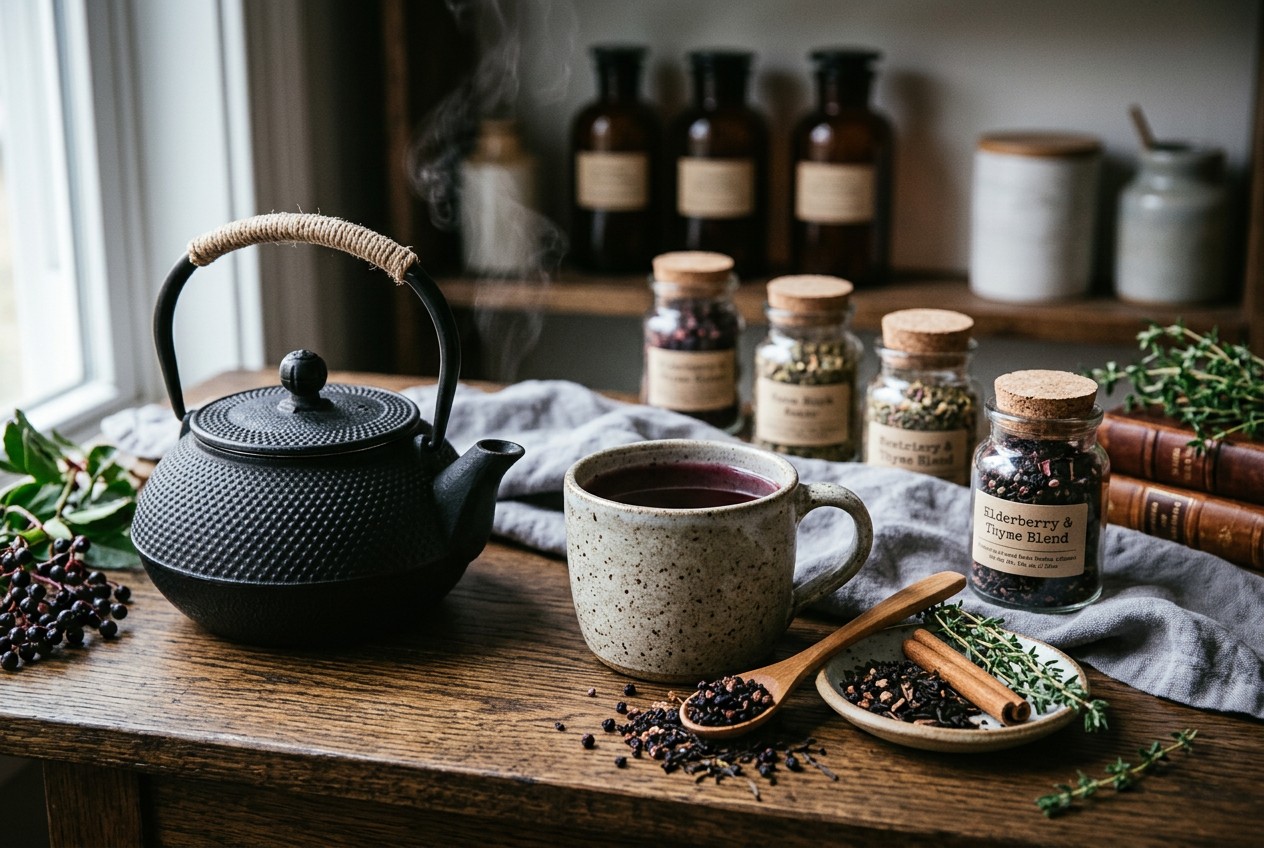
Ginger and elderberry fruit tea with a commercial berry blend, thyme, cinnamon, honey, and lemon. Make four warm cups with a measured infusion.
Read More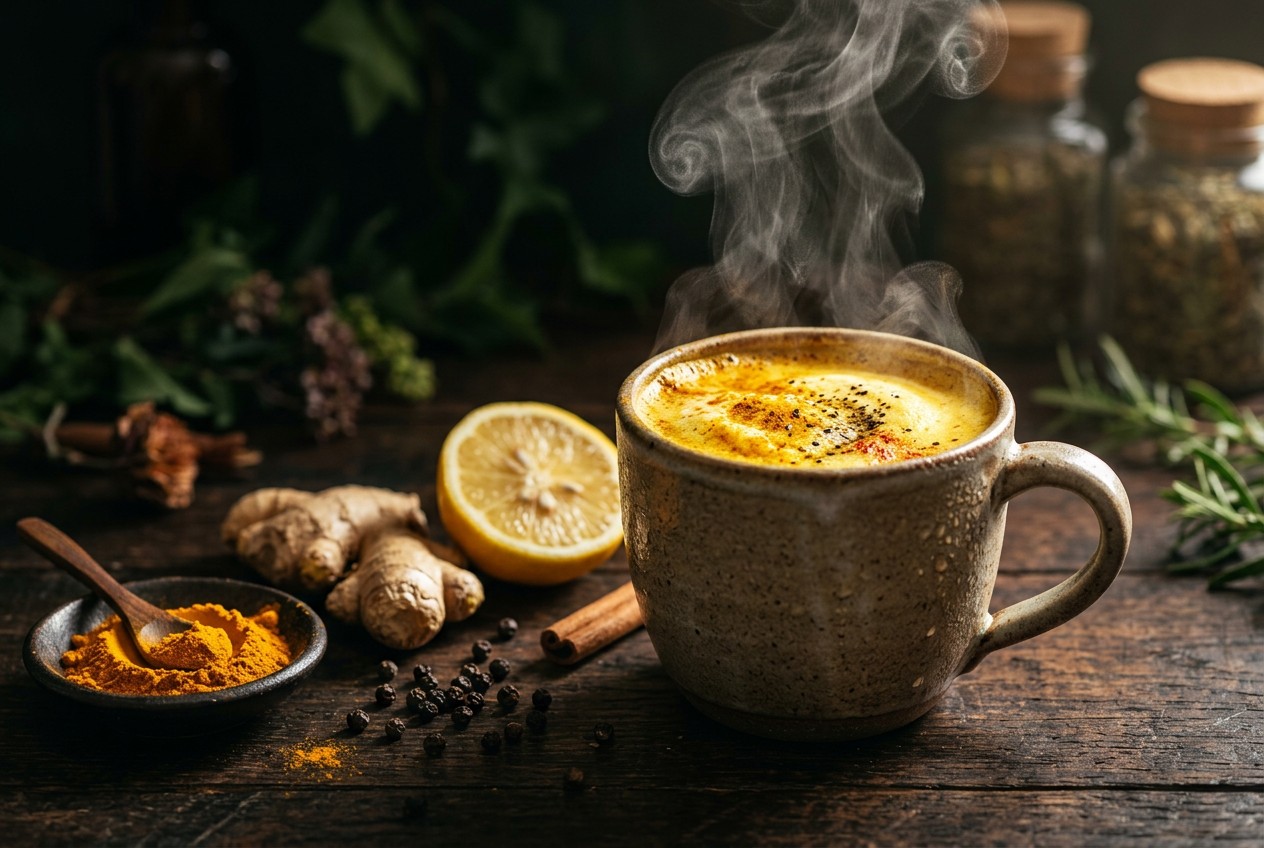
Morning turmeric ginger tea with cinnamon and optional honey. Simmer the measured spices in water, strain, and divide this warm batch between two …
Read More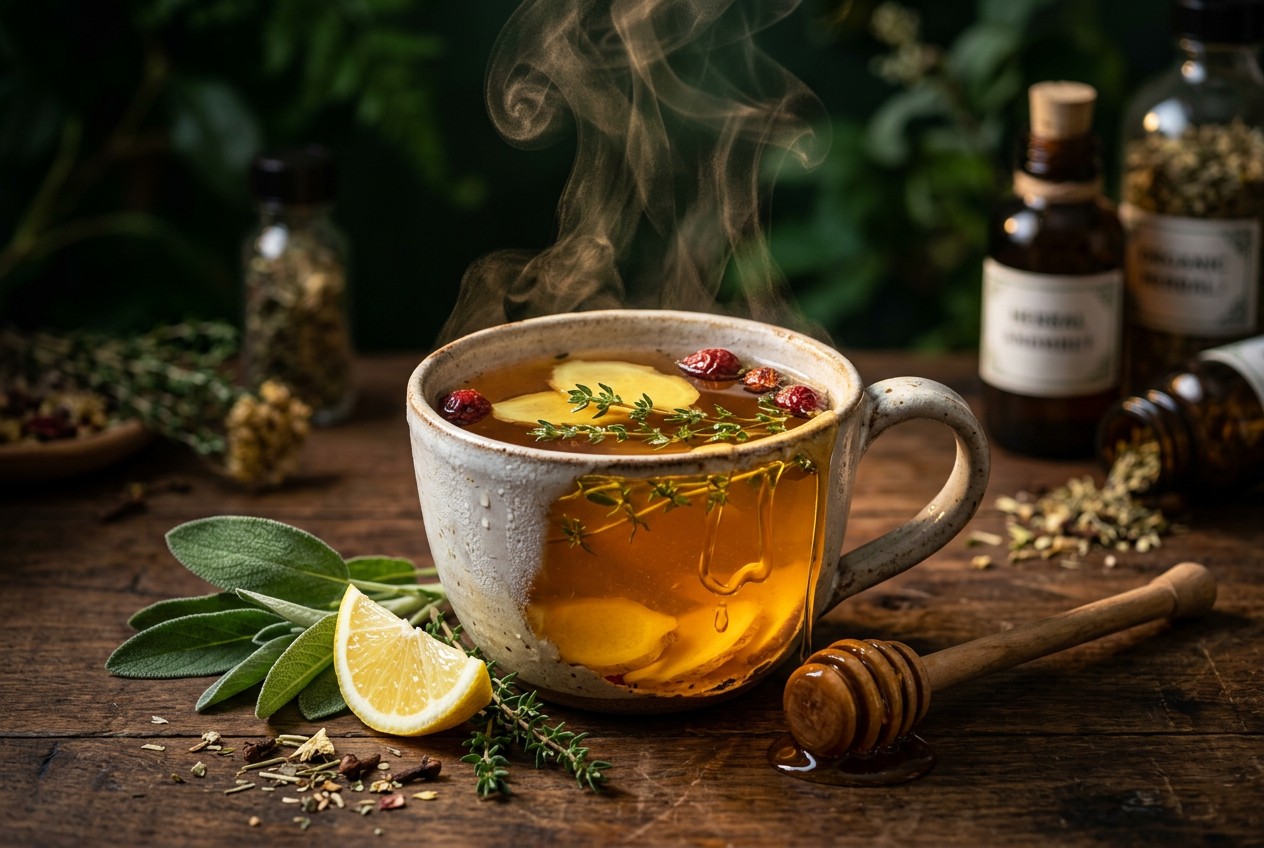
Ginger, thyme and sage tea with lemon and honey. Simmer the ginger, steep the culinary herbs, and strain one large mug for a warm, savory drink.
Read More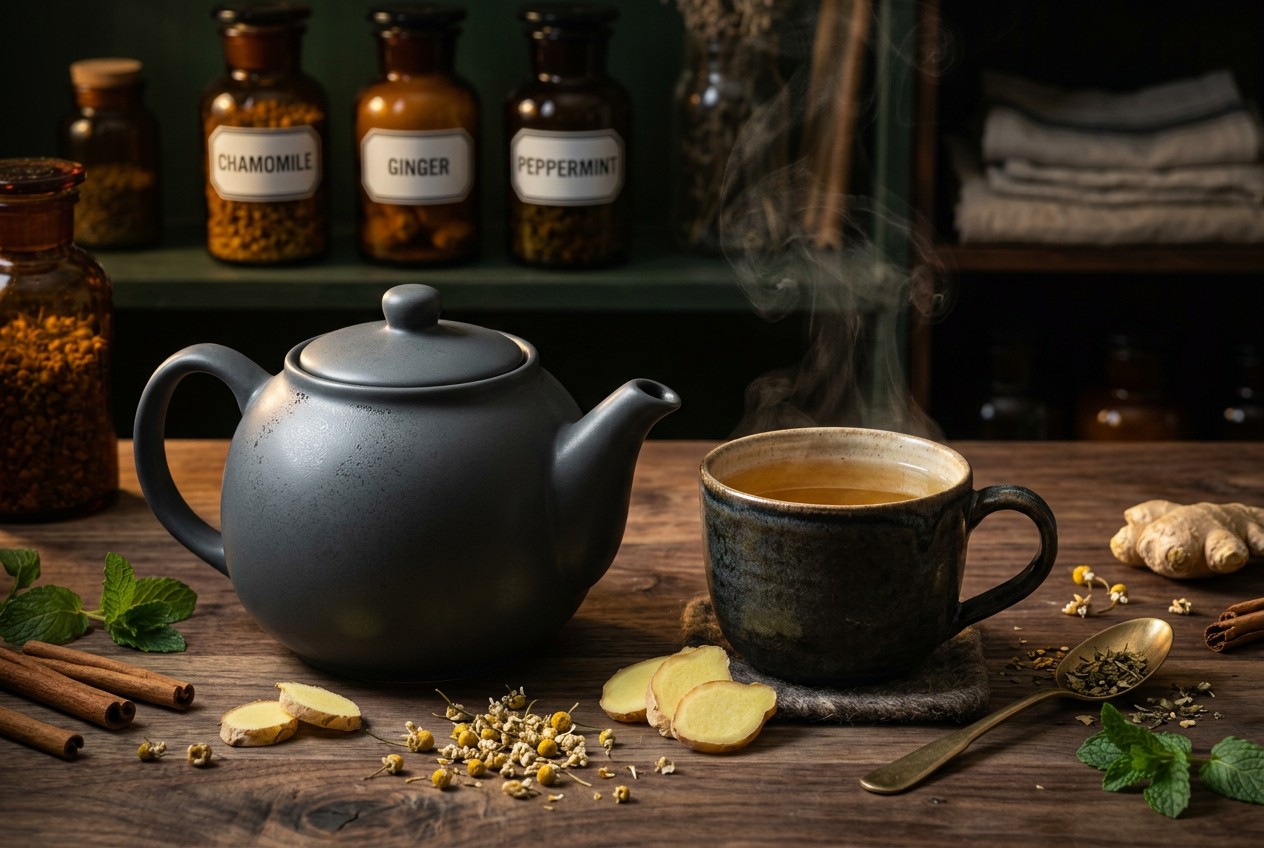
Make a published one-cup ginger mint tea and understand what supplement research does, and does not, establish for menstrual cramps.
Read More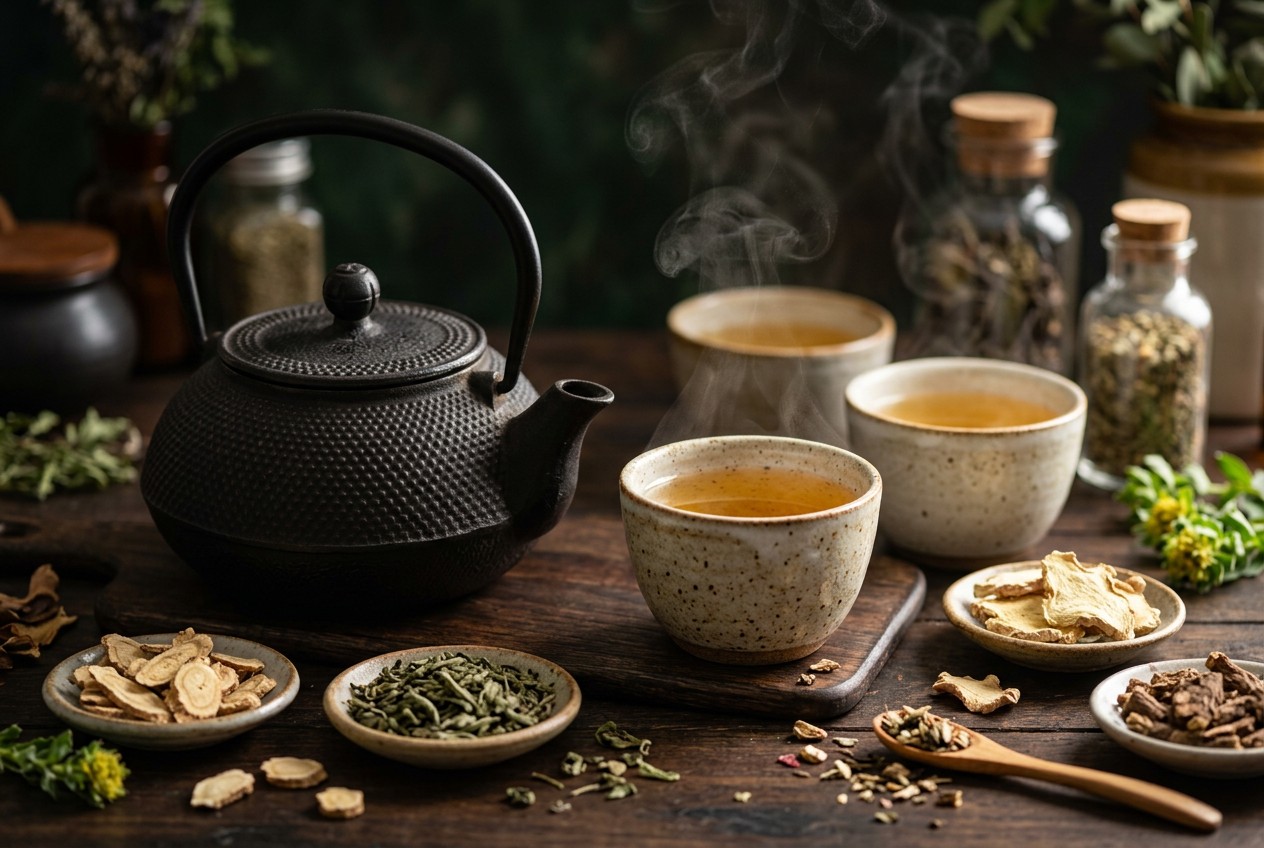
Measured ginger mint tea and a nettle flavor variation, with boiling-water preparation and no energy claims; the former supplement-root blends remain …
Read More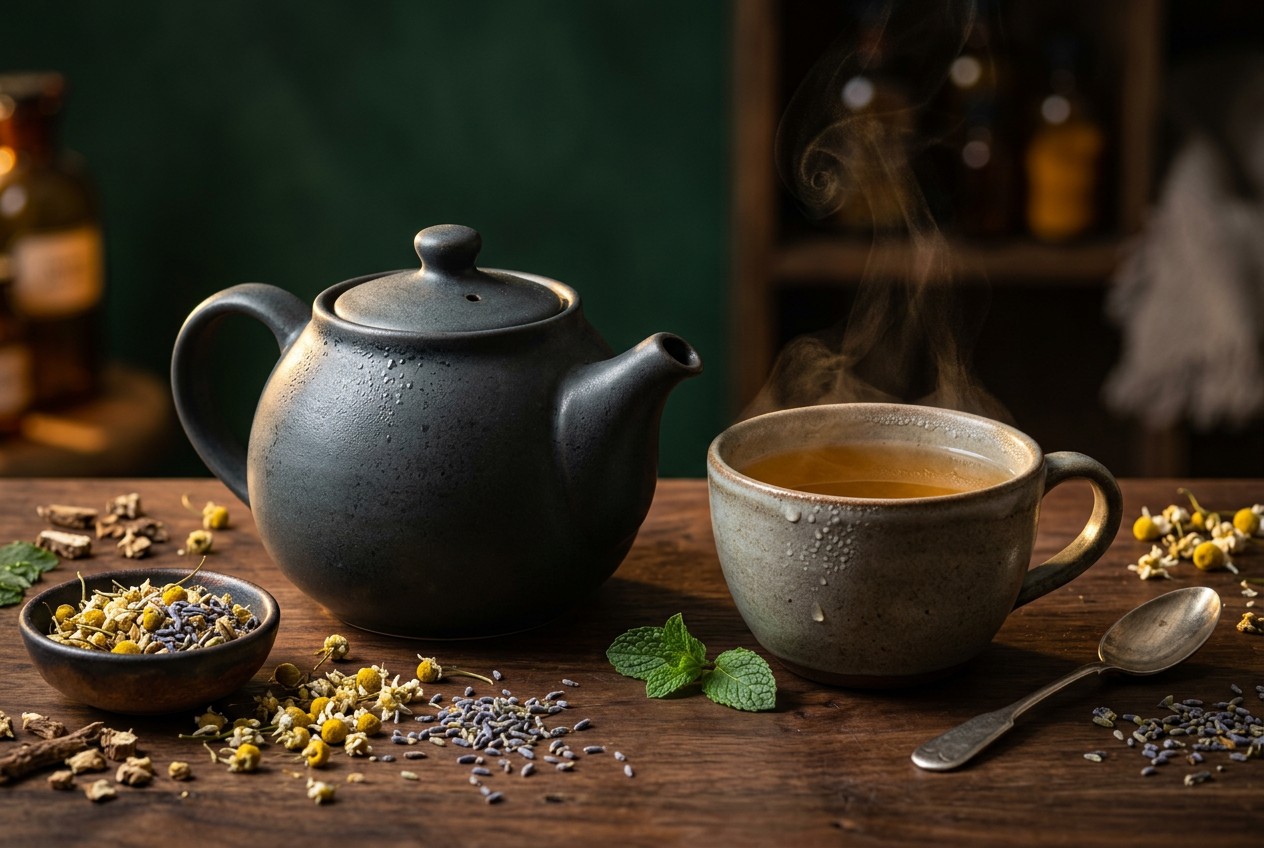
Make a published chamomile-honey pot with optional culinary lavender, and read the evidence limits and cautions before choosing an evening herbal tea.
Read MoreHerbal tea is the oldest form of plant medicine, and also the simplest. One plant, hot water, time. But simplicity rewards precision. The difference between a flat cup of chamomile and one that actually tastes like sun-warmed apple blossoms comes down to water temperature (200 degrees, not boiling), steeping time (5 minutes, not 3), and using enough herb (a full tablespoon, not a pinch).
These recipes cover single-herb tisanes, complex blends, cold brews, and decoctions for tougher roots and barks. Each includes the specific temperatures and times that bring out the best in every botanical.
True tea comes from one plant: Camellia sinensis. That includes black, green, white, and oolong. Everything else, from chamomile to rooibos to peppermint, is technically a tisane, meaning an herbal infusion. In practice, most people use “herbal tea” and “tisane” interchangeably, and so do we.
It matters enormously. Boiling water (212 degrees F) extracts bitter tannins from delicate flowers and leaves. Most floral herbs like chamomile and lavender taste best at 200 to 205 degrees. Roots, bark, and seeds can handle a full boil and often need it. Every recipe here specifies the ideal temperature.
The general rule is one tablespoon of dried herb or two tablespoons of fresh herb per 8 ounces of water. But this varies by plant density. Light, fluffy herbs like chamomile flowers need a heaping tablespoon. Dense roots like valerian need a level teaspoon. Each recipe specifies exact amounts.
Cold brewing works beautifully for many herbs. Use the same herb-to-water ratio but steep in the refrigerator for 4 to 12 hours. Cold water extracts sweetness and delicate aromatics while leaving behind most bitterness and tannins. Hibiscus, peppermint, and lemon balm are particularly good cold-brewed.
Keep dried herbs in airtight glass jars, away from light and heat. A cool, dark cupboard is ideal. Whole dried herbs retain potency for 12 to 18 months. Pre-crushed herbs fade faster, within 6 to 9 months. Label every jar with the date and give it a sniff before using. If the aroma is faint, double the quantity or replace the herb.