Lavender: Healing Benefits and How to Use It in Botanical Drinks
Discover lavender's science-backed healing benefits and learn how to use this calming herb in teas, syrups, and botanical drinks. Get the recipes.
Read MoreHerb profiles and guides covering growing, harvesting, drying, and using medicinal and culinary herbs in drinks and remedies.
5 recipes
Knowing your herbs is the foundation of everything else on this site. These guides cover the plants themselves: how to grow them, when to harvest, how to dry and store them, and what makes each one useful in drinks, tinctures, and remedies. A recipe is only as good as the ingredients behind it.
Each herb profile includes botanical identification, traditional uses across different herbal traditions, flavor notes, and the specific compounds responsible for both taste and therapeutic properties. This is where curiosity meets the garden.
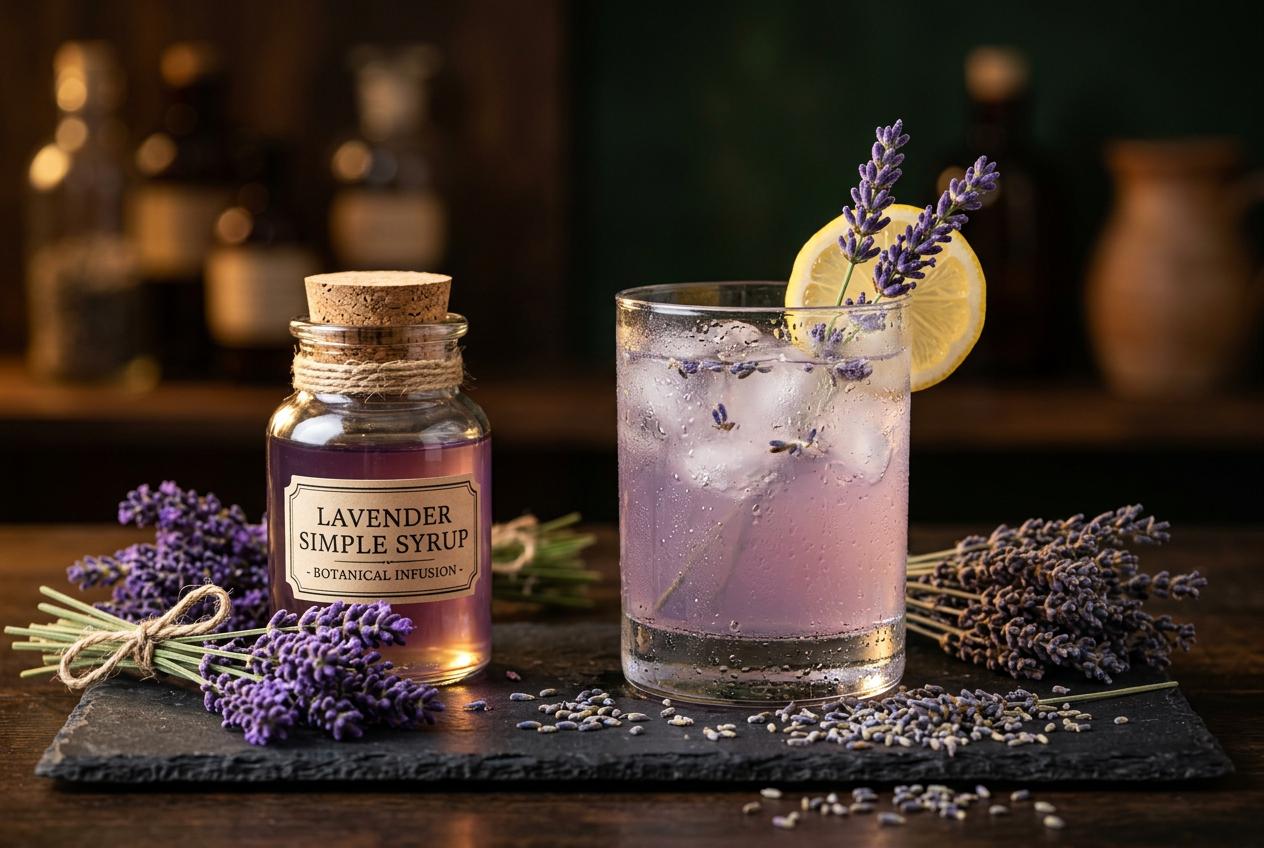
Discover lavender's science-backed healing benefits and learn how to use this calming herb in teas, syrups, and botanical drinks. Get the recipes.
Read More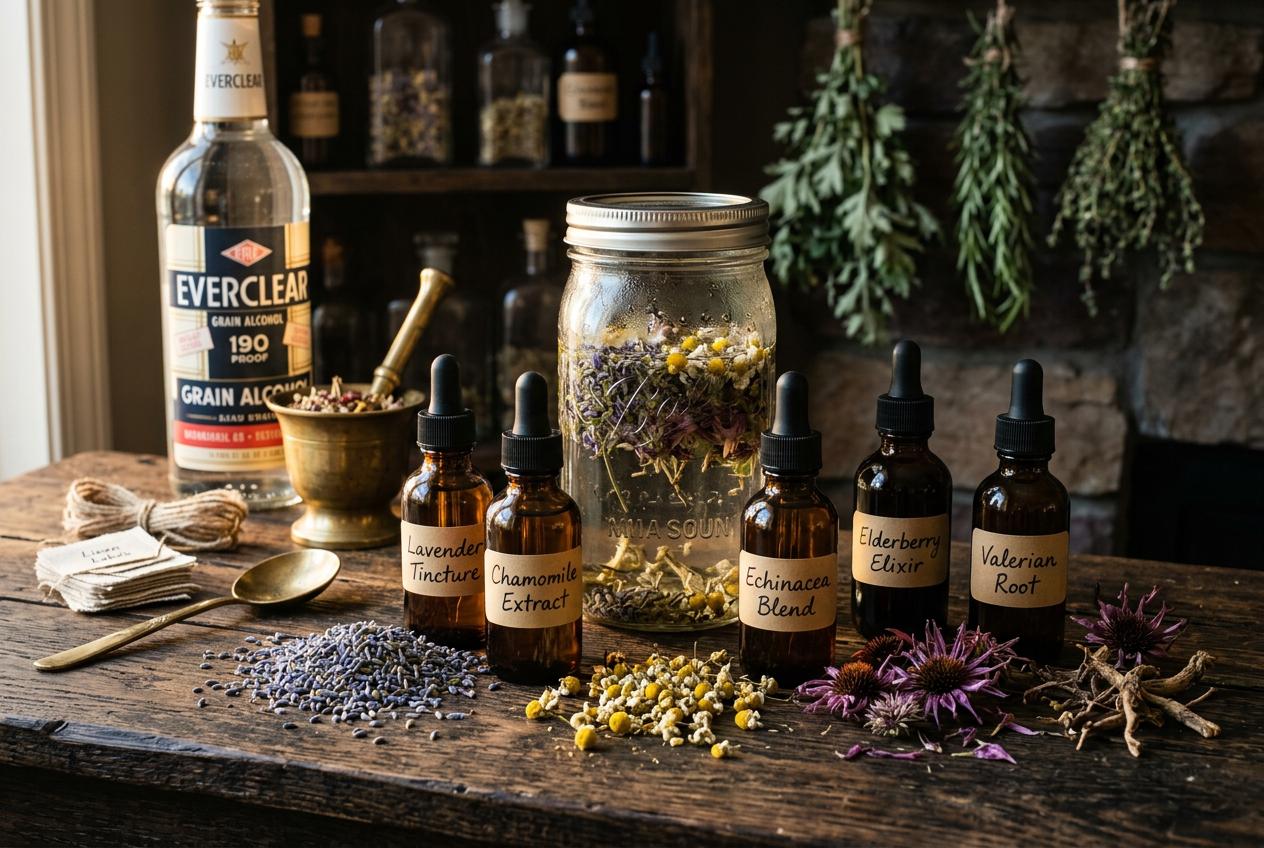
Learn how to make your own herbal tinctures at home with this complete beginner's guide. Includes the folk method, weight-to-volume ratios, and the …
Read More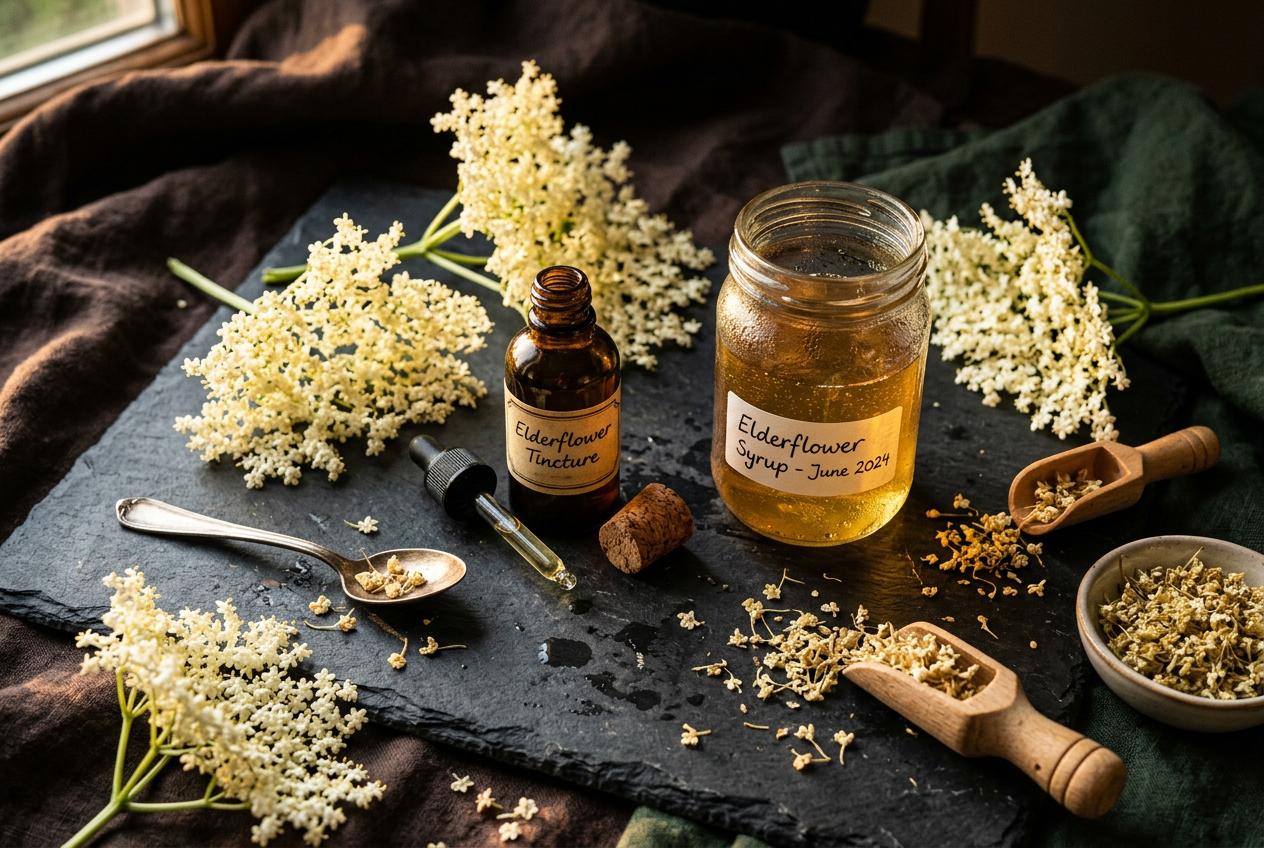
Discover the ancient healing powers of elderflower and learn how to harness its benefits in delicious drinks, syrups, and wellness preparations.
Read More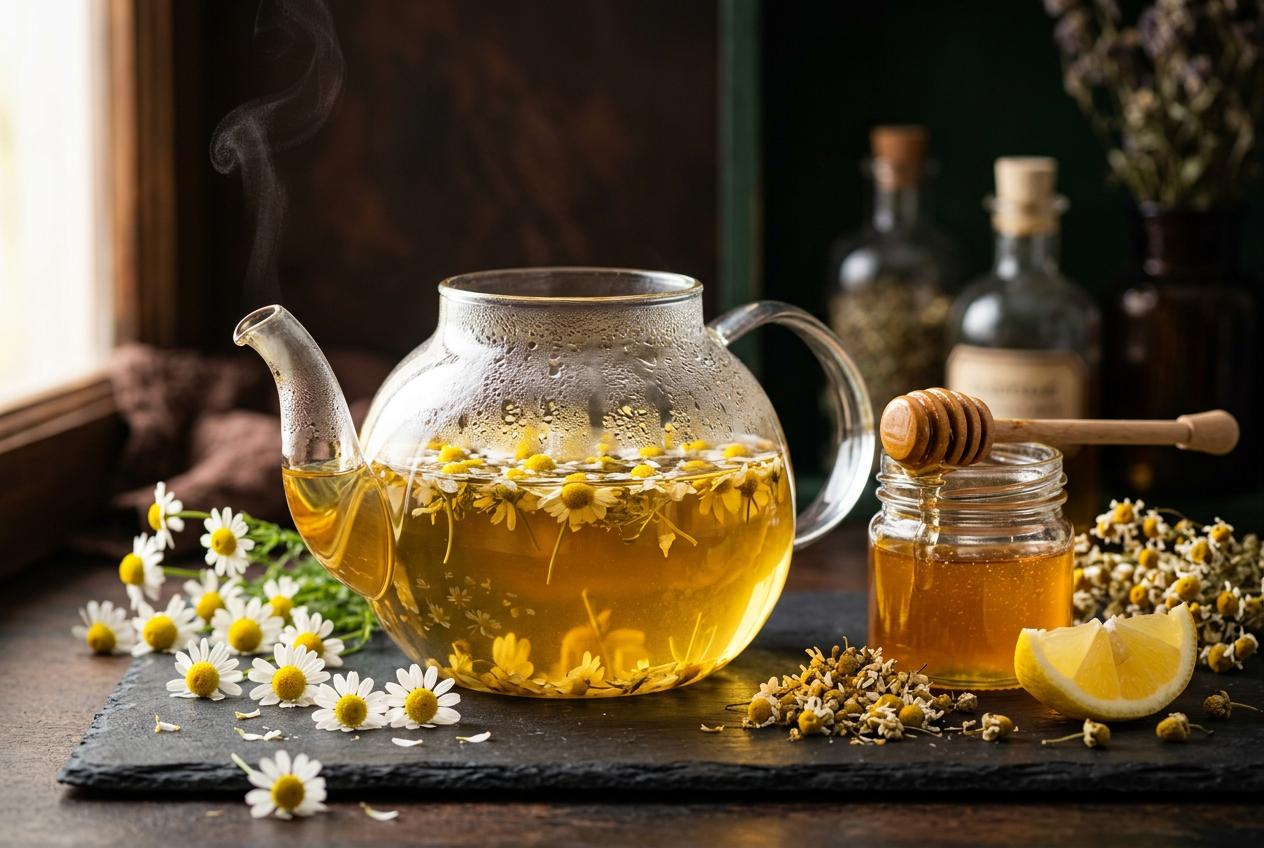
Explore chamomile's proven health benefits for sleep, anxiety, and digestion, and learn how to use this ancient herb in delicious botanical drinks. …
Read More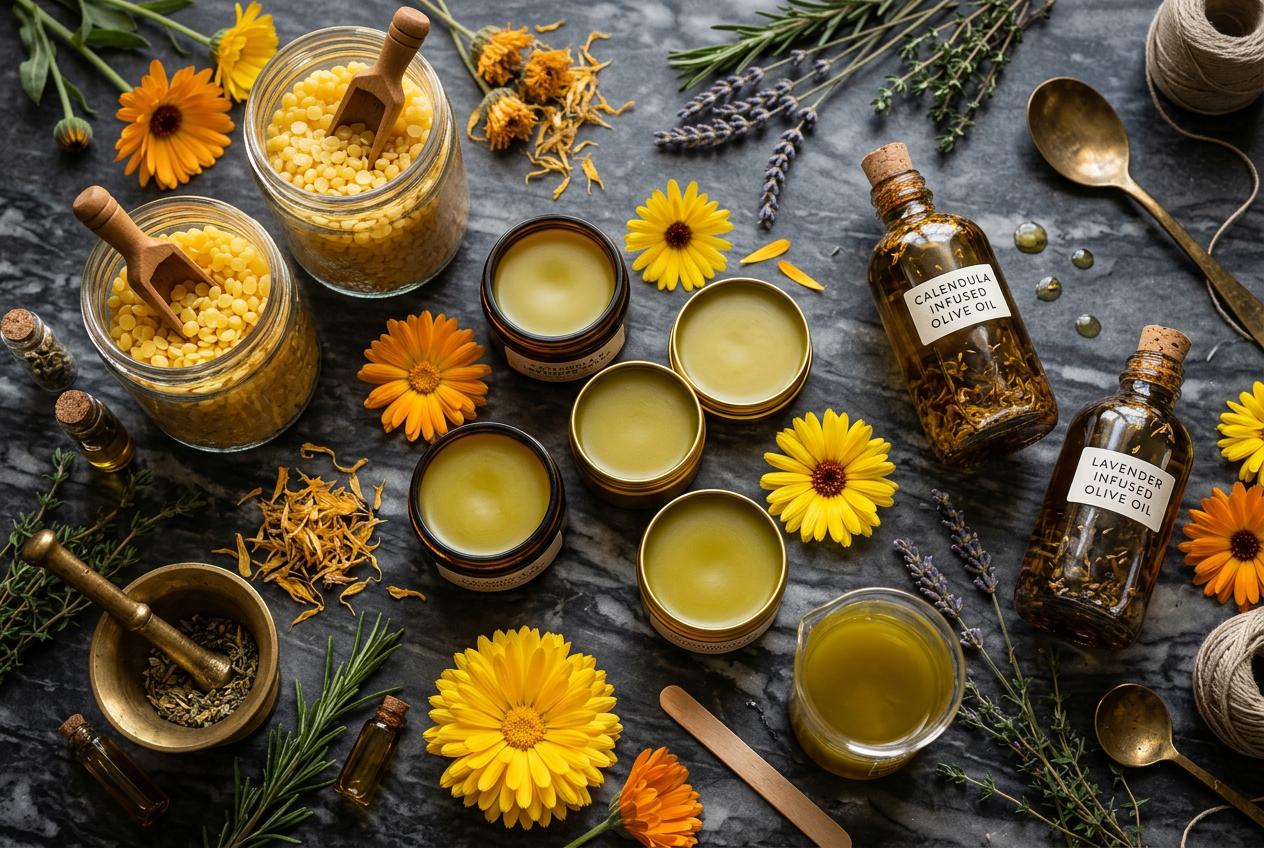
Learn to craft your first herbal healing salve with this beginner-friendly guide. Discover the art of infusing botanical oils and creating natural …
Read MoreStart with five plants that are nearly impossible to kill: mint, lemon balm, chamomile, rosemary, and lavender. All five grow in containers on a sunny windowsill or patio. Mint and lemon balm spread aggressively in garden beds, so containers are actually preferable. Harvest in the morning after dew dries but before midday heat, when volatile oil content peaks.
The distinction is more about dosage and preparation than the plants themselves. Culinary herbs are used in small amounts for flavor. Medicinal herbs are prepared in concentrated forms (tinctures, decoctions, strong infusions) at therapeutic doses. Chamomile in a cup of tea is culinary. Chamomile extracted in alcohol at a 1:5 ratio for use as a digestive bitter is medicinal. Many plants cross both categories.
Bundle small bunches of 4 to 6 stems and hang them upside down in a warm, dark, well-ventilated space. Drying takes 1 to 2 weeks depending on humidity. Herbs are fully dry when stems snap cleanly instead of bending. For faster results, use a dehydrator set to 95 to 105 degrees F. Never use an oven, as even low heat destroys volatile oils.
Comfrey (internal use), pennyroyal, wormwood in large doses, foxglove, and any herb you cannot identify with 100% certainty. Pregnant and nursing individuals should avoid most medicinal herbs beyond gentle culinary use. If you take prescription medications, research interactions before adding concentrated herbal preparations to your routine.
Whole dried leaves keep 12 to 18 months. Flowers lose potency faster, within 6 to 12 months. Roots and bark hold 2 to 3 years when stored properly. Proper storage means airtight glass jars in a cool, dark place. Ground or crushed herbs degrade roughly twice as fast as whole. The sniff test is reliable: if the aroma is faint, the herb has lost much of its effectiveness.