Floral Fermented Drinks: Review Hold
Audit hold: All ten home fermentation formulas on this page are withdrawn pending ingredient- and process-specific resolution. Quantities and preparation, extraction, tasting, bottling, secondary fermentation, garnishing, mixing and consumption procedures are removed. There is no active Recipe output. A linked recipe, plant photograph or folk-use history does not release this hold.
Flower drinks can be culinary traditions, but these particular abbreviated formulas did not establish safe working capacity, culture suitability, acidity, completed fermentation, alcohol or bottle pressure. BCCDC’s fermentation guidance requires controls appropriate to the product; its kombucha guidance is not validation of mead, kvass or every flower species.
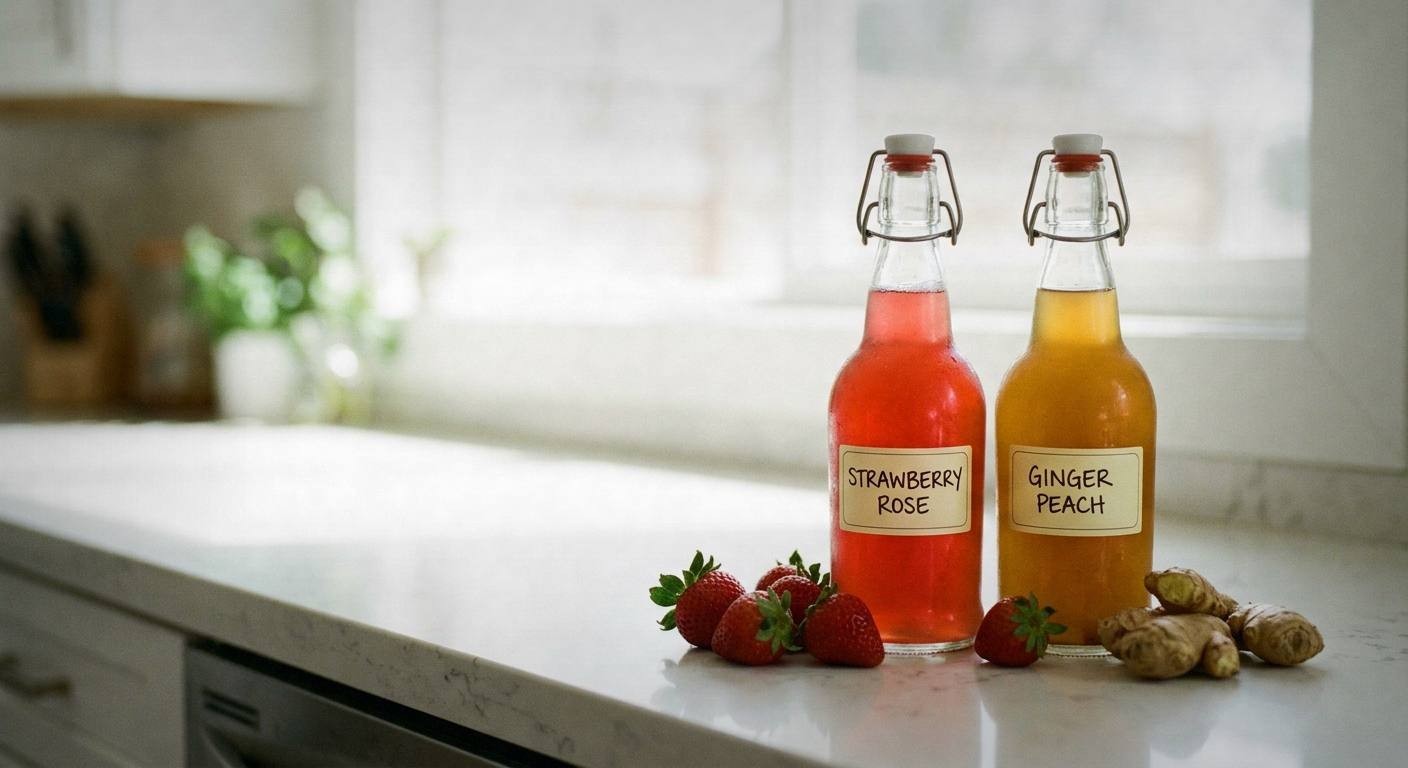
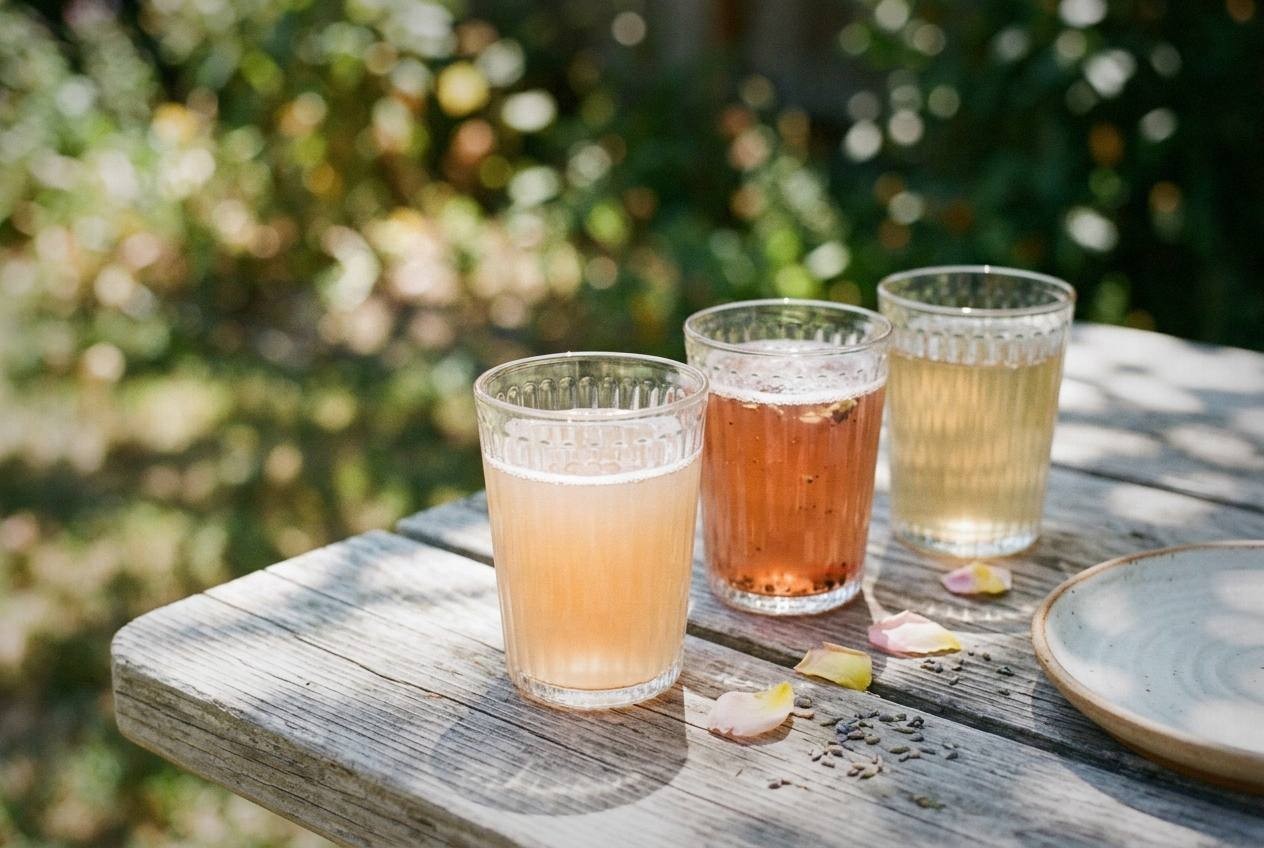
The separate spring kombucha flavor review also keeps its former home flavoring and bottling procedures on hold; its illustrated concepts are not preparation instructions.
Ten Concepts and Their Unresolved Controls
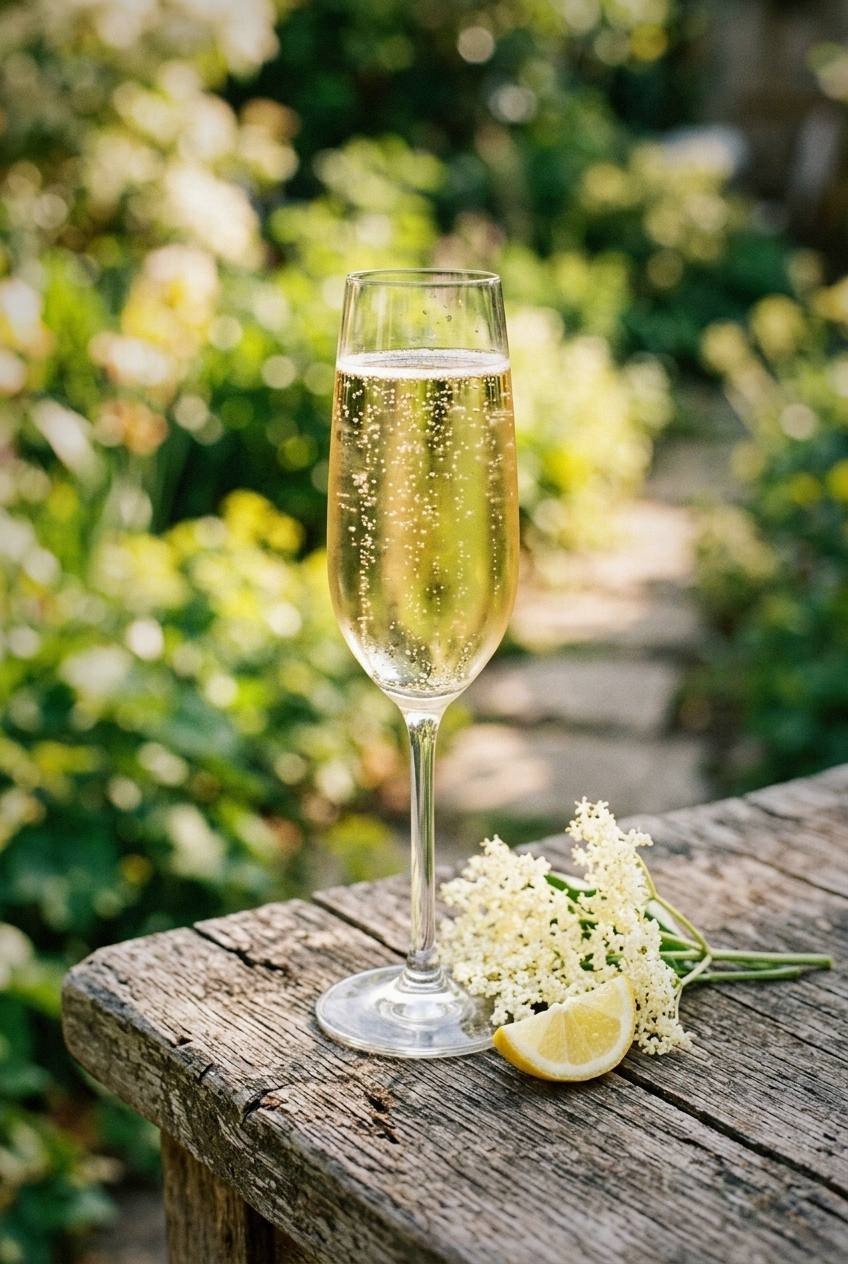
1. Elderflower Champagne
Wild flower culture, ingredient treatment, acidity, alcohol and pressure controls unresolved; no-wash instruction and calendar bottling withdrawn. Preparation and consumption remain on hold.
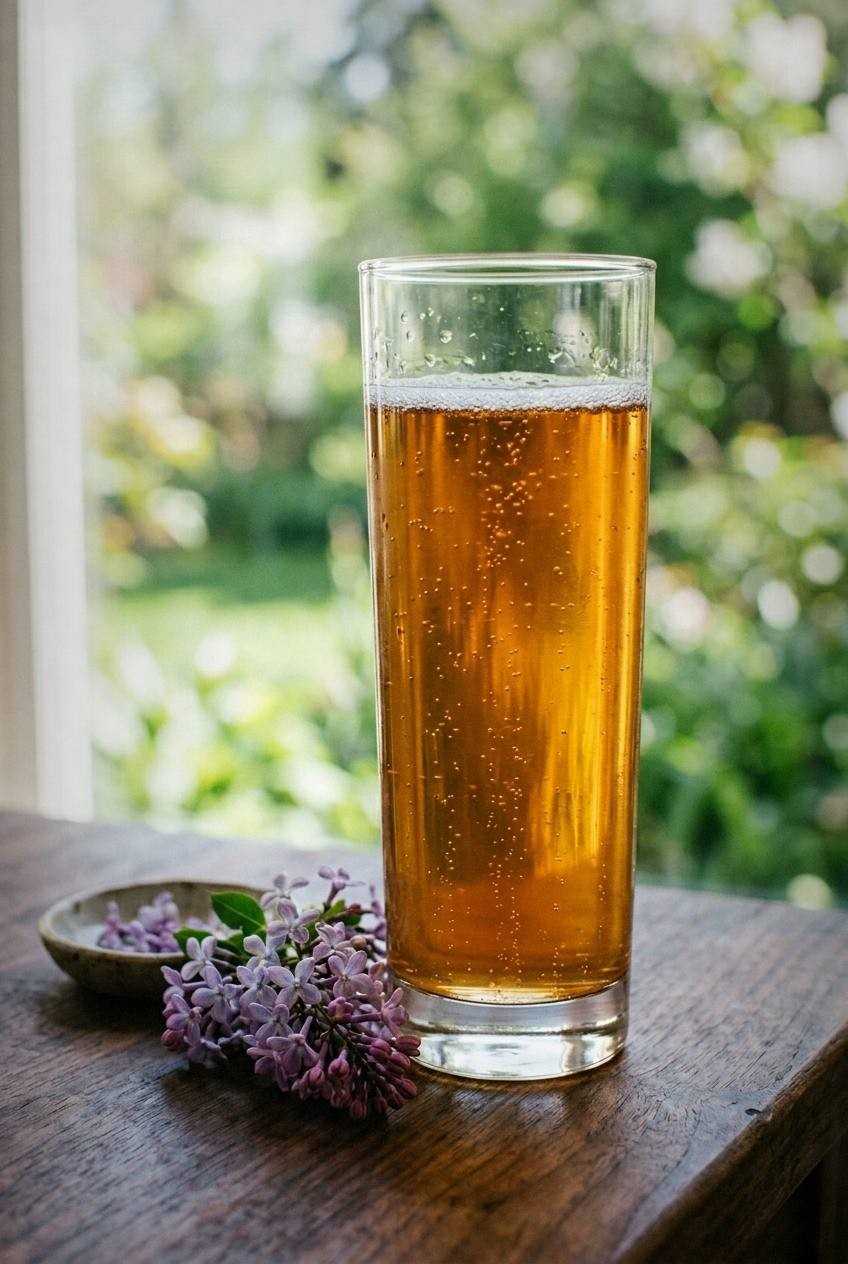
2. Lilac Mead
Water plus honey and lemon exceeded nominal jar volume. Calendar bottling and estimated 5-to-6-percent alcohol not established. Preparation and consumption remain on hold.
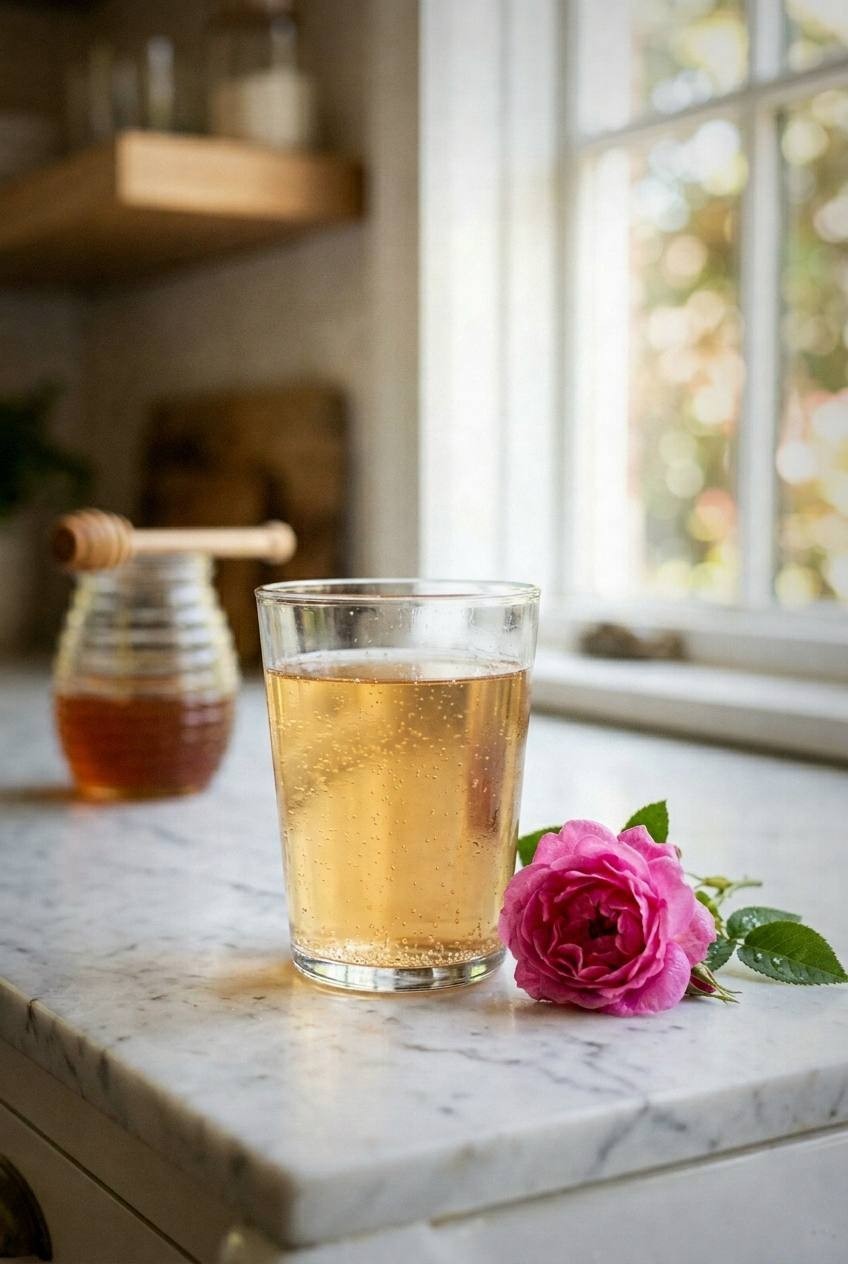
3. Rose Jun
Honey culture compatibility, flower treatment, acidity and sealed secondary process unresolved. Preparation and consumption remain on hold.
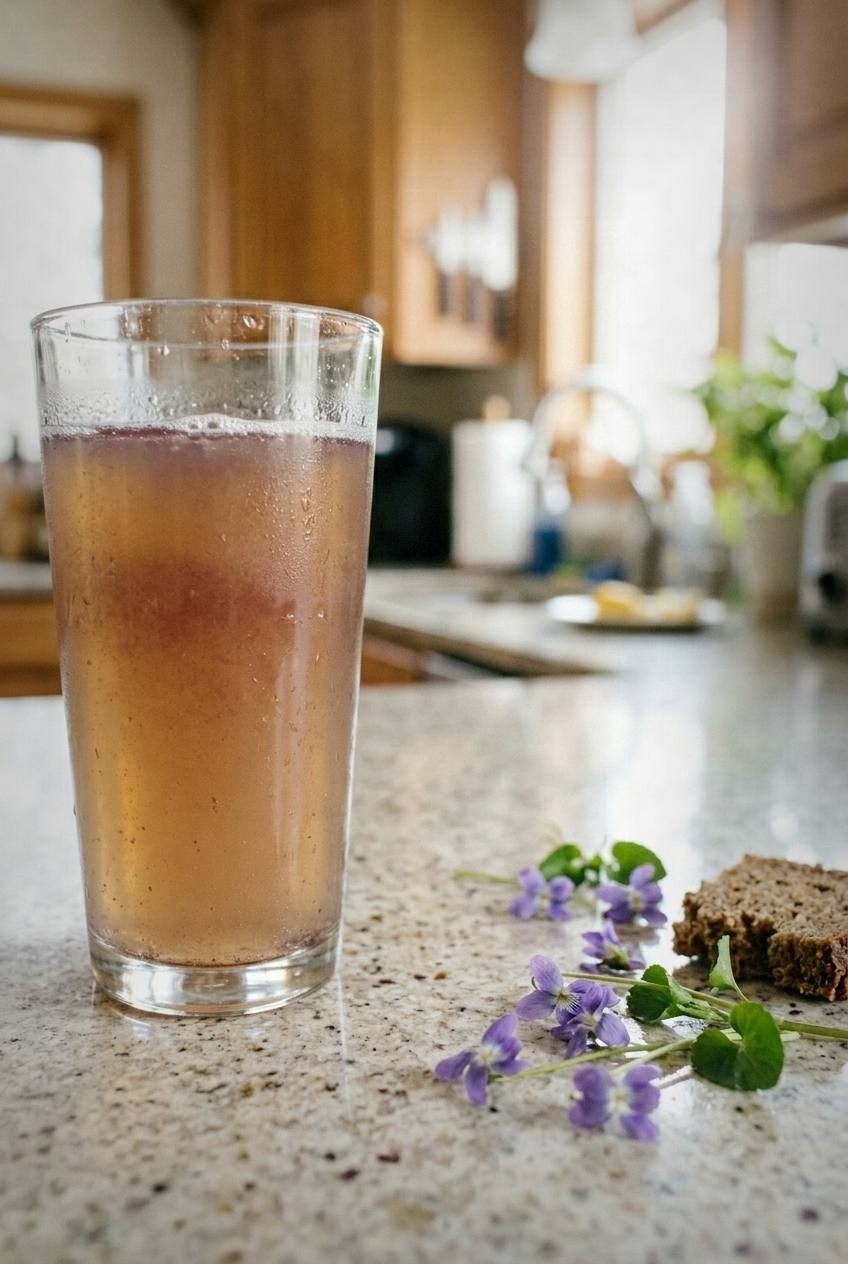
4. Violet Kvass
Eight cups water plus bread and flowers cannot fit a half-gallon jar. No established wild-culture process or pressure endpoint. Preparation and consumption remain on hold.
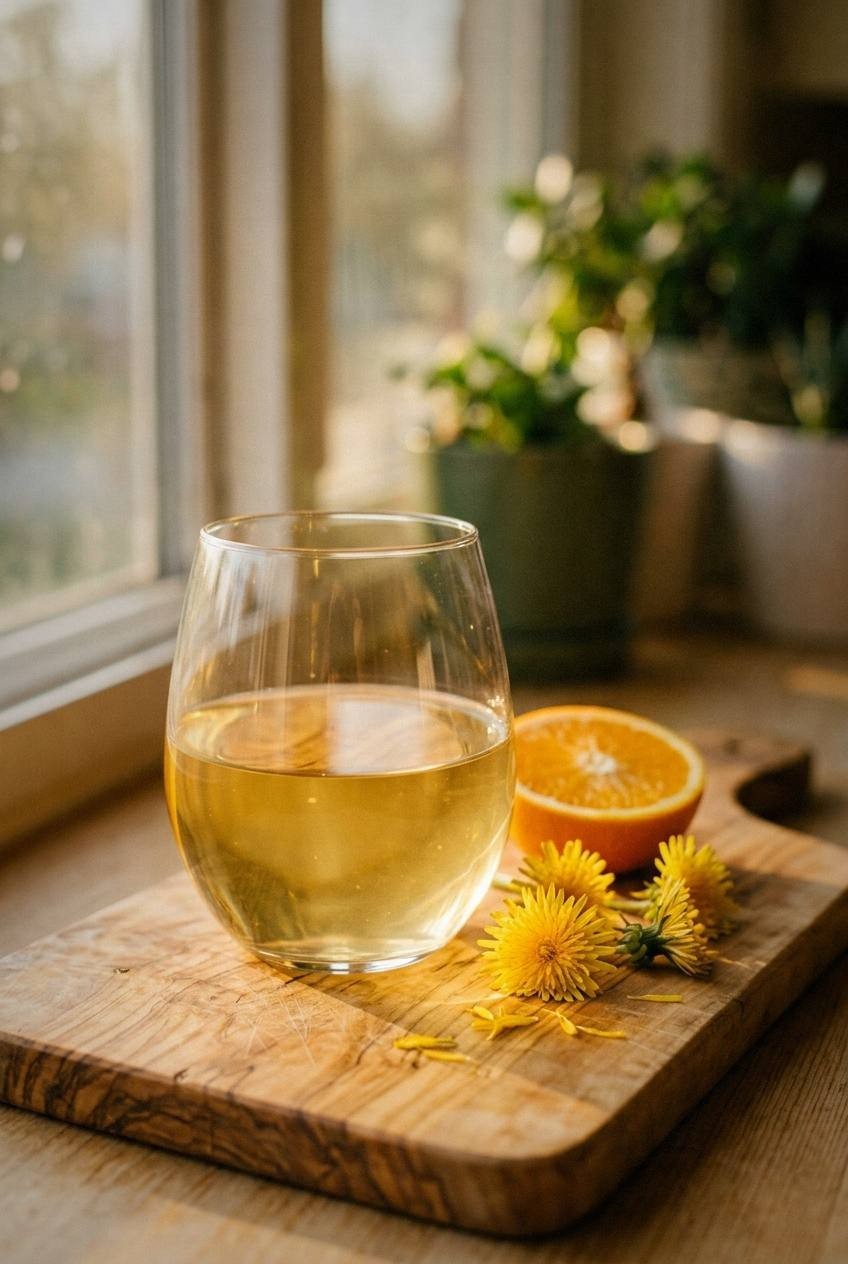
5. Dandelion Wine
A fixed two-week ferment plus one-week aging is not a demonstrated finished-wine endpoint. Petal extraction and calendar bottling unresolved. Preparation and consumption remain on hold.
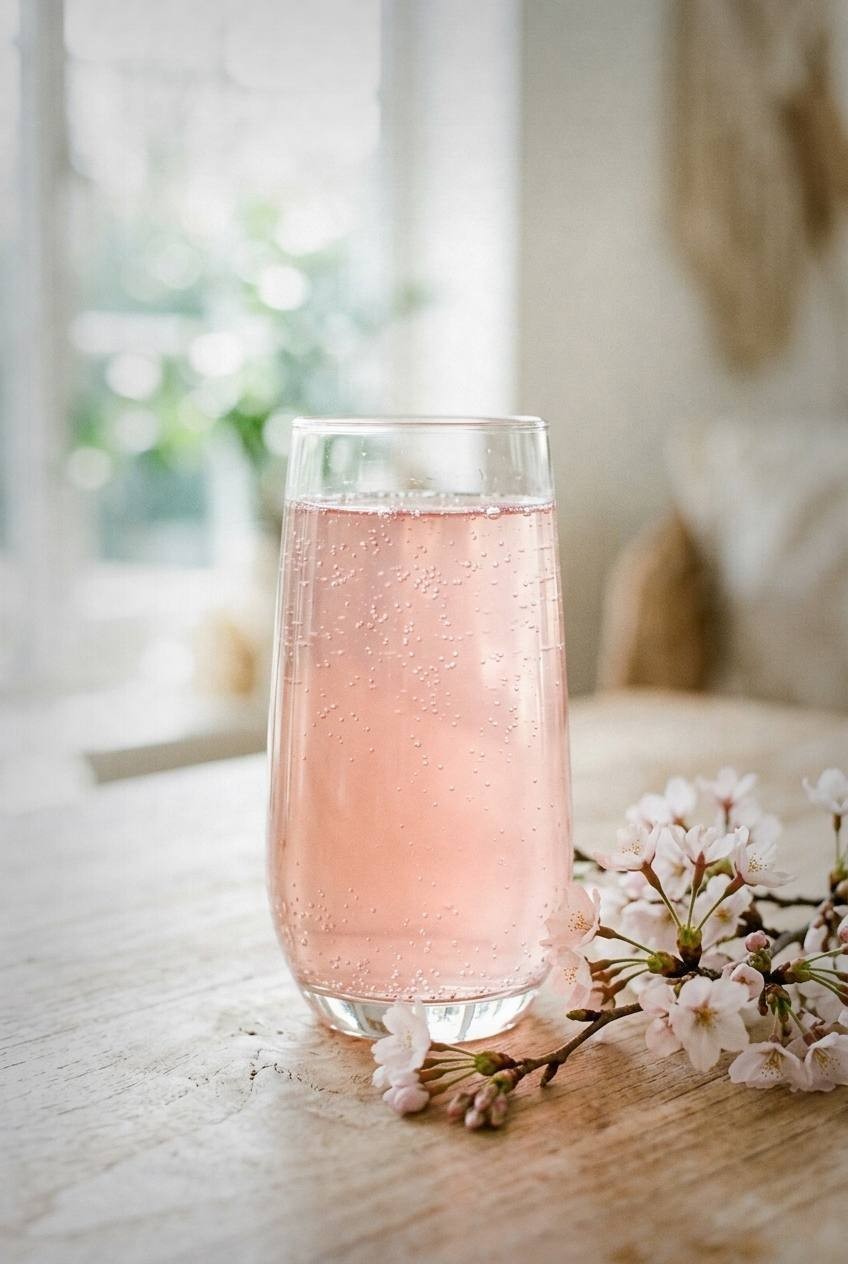
6. Cherry Blossom Kombucha
Four cups tea plus starter and blossoms exceed a quart jar. Botanical identity and suitable treatment of ornamental Prunus material unresolved. Preparation and consumption remain on hold.
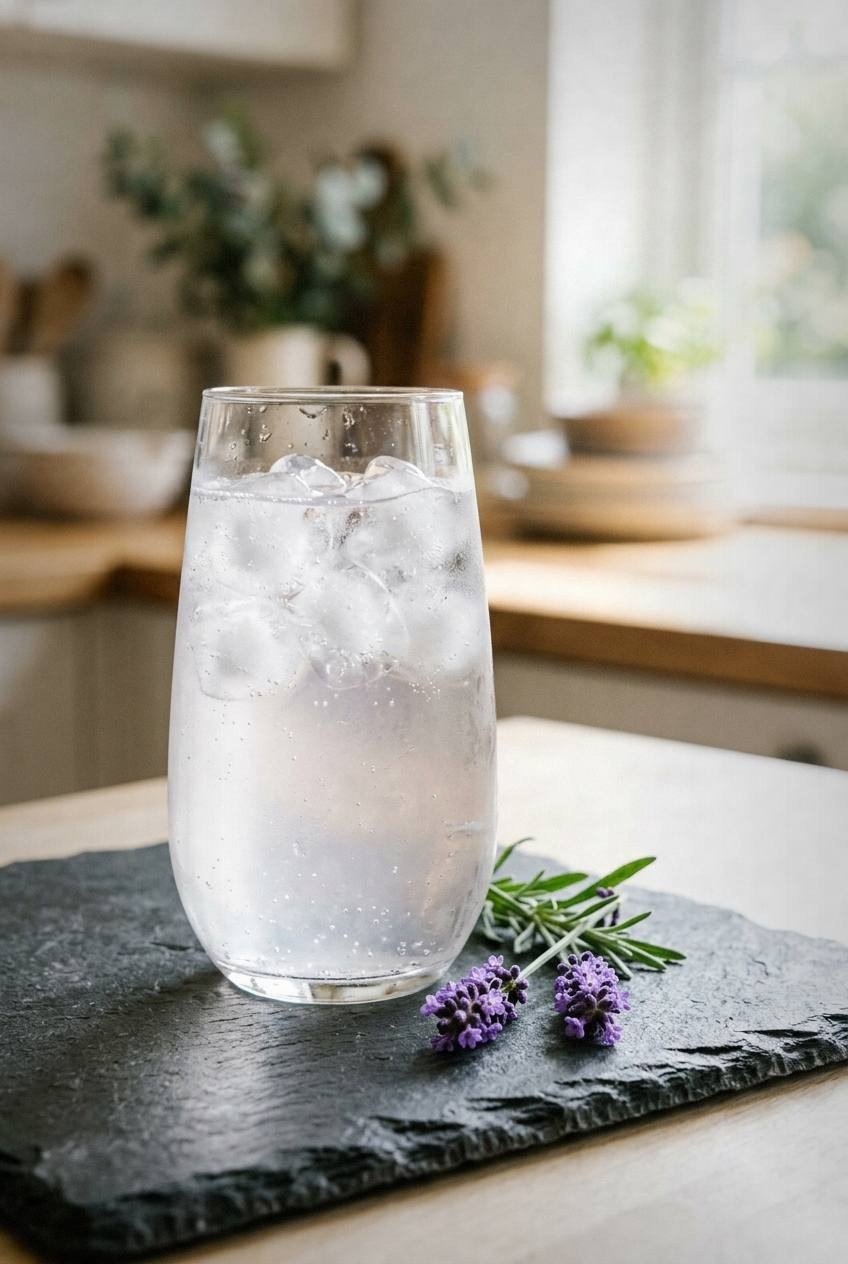
7. Lavender Water Kefir
Four cups water plus grains, sugar, fig and lavender exceed a quart jar. Starter maintenance and both fermentation stages unresolved. Preparation and consumption remain on hold.
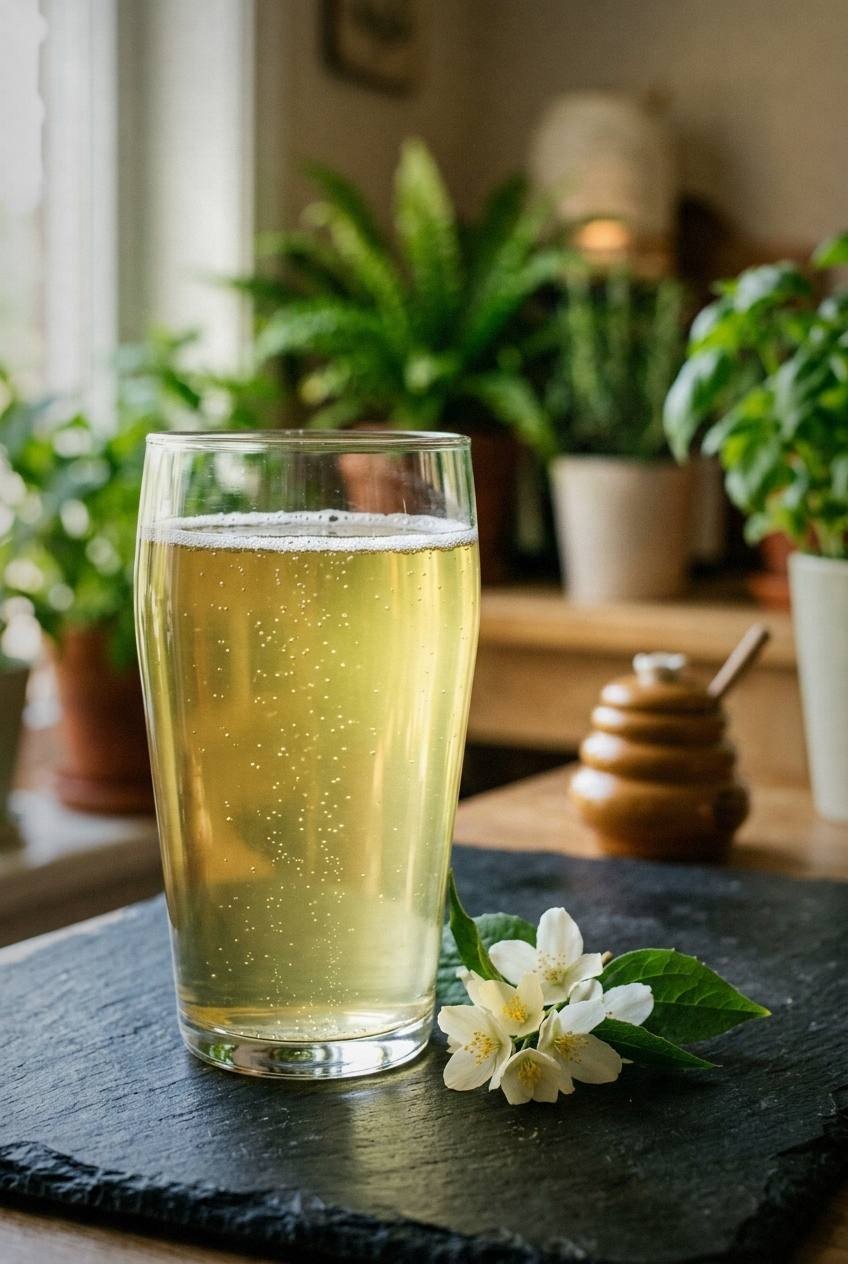
8. Jasmine Green Tea Jun
Jasmine product identity and treatment, honey culture and both fermentation controls unresolved. Preparation and consumption remain on hold.
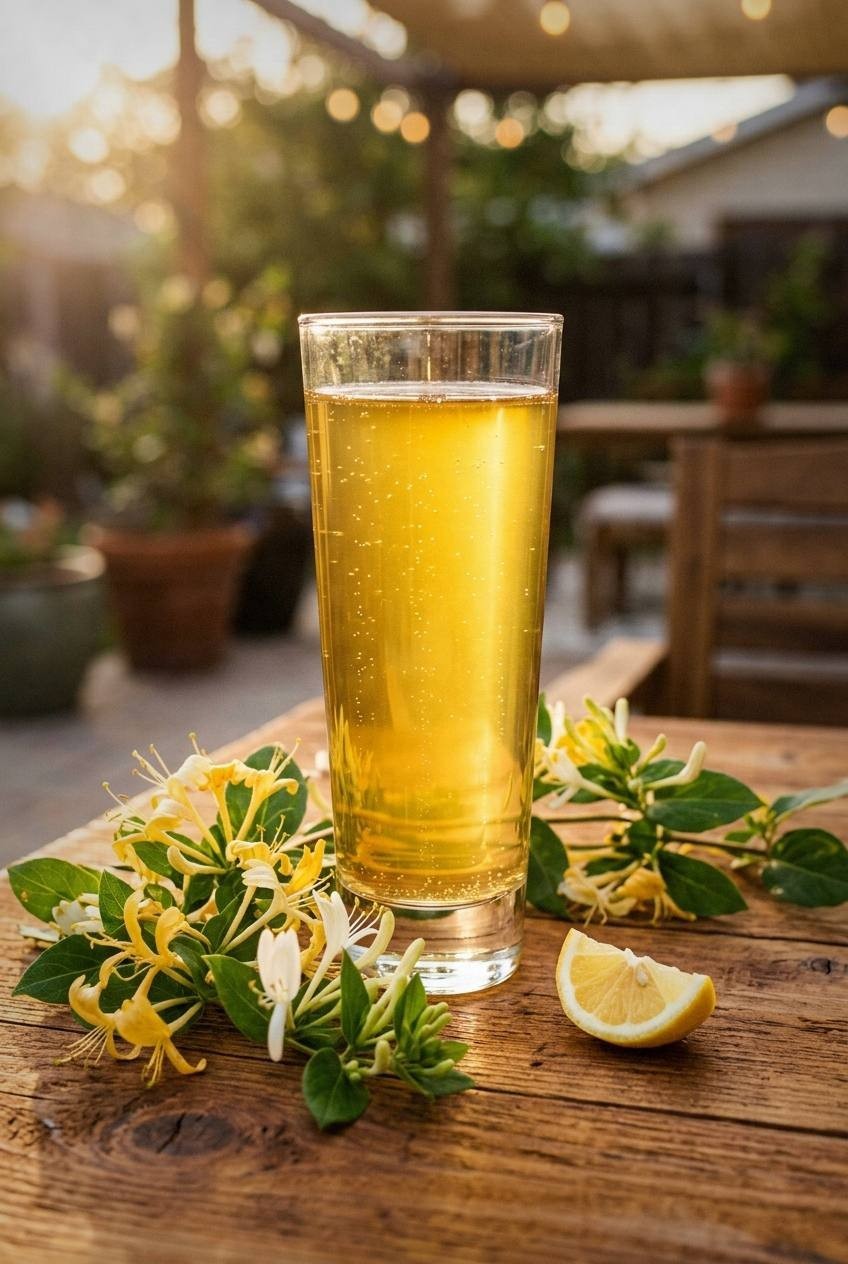
9. Honeysuckle Mead
Water plus honey and lemon exceed the half-gallon jar. Botanical suitability, calendar bottling and five-percent alcohol estimate unresolved. Preparation and consumption remain on hold.
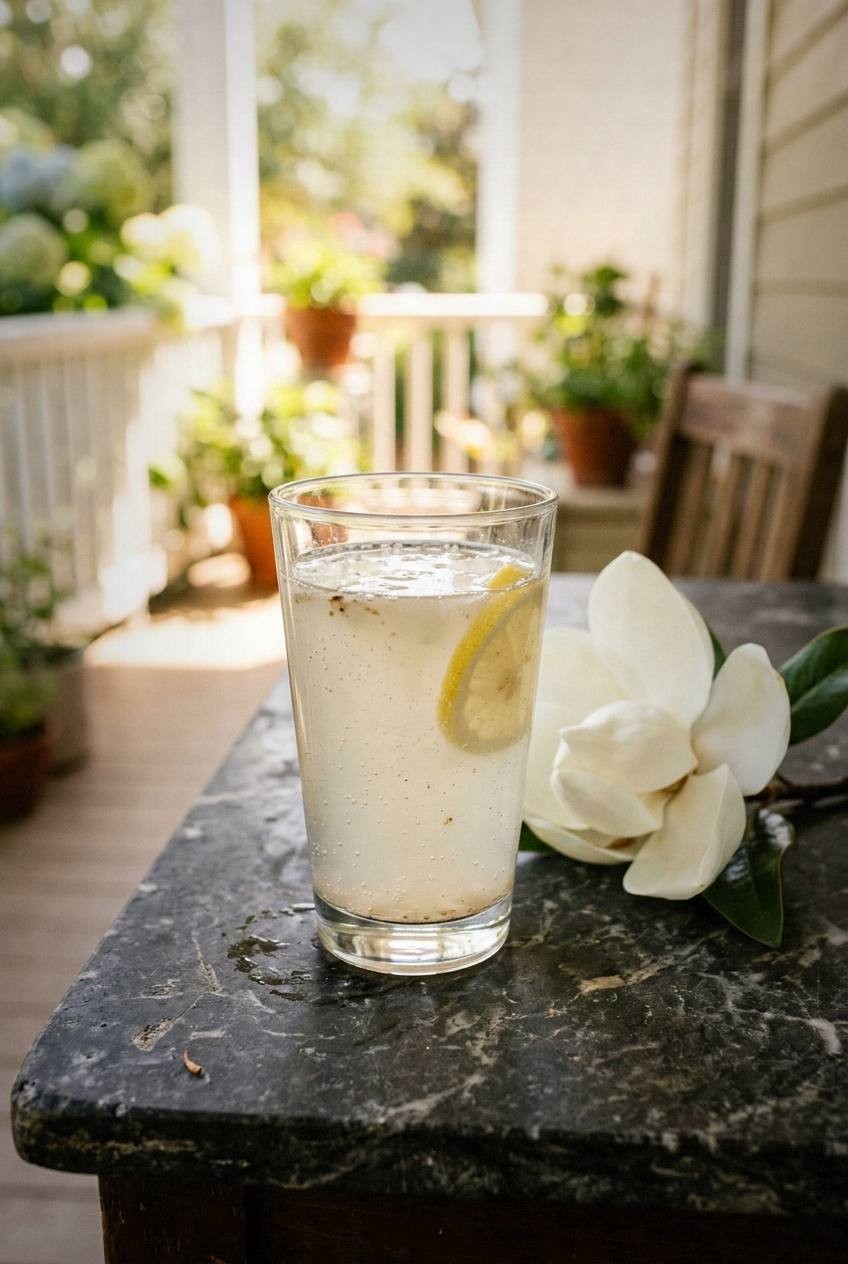
10. Magnolia Petal Kvass
Eight cups water plus petals and other ingredients exceed a half-gallon jar. Wild culture, botanical suitability and pressure controls unresolved. Preparation and consumption remain on hold.
Why a Borrowed Recipe Does Not Resolve All Ten
BBC Good Food’s complete elderflower champagne recipe uses a different formula, defined yeast and larger working vessels. It is an original culinary reference, not proof that this page’s wild-yeast teaspoon substitutions, schedules or bottles are equivalent. The NCHFP home kombucha recipe also specifies a different complete process; its tested scope does not cover flower additions during initial fermentation or conversion of a kombucha culture to honey over an arbitrary number of batches.
Withdrawn Shortcuts and Claims
The yeast-pinch rescue, two-to-three-batch culture adaptation, four-hour wild-yeast viability rule, no-wash foraging directions, mixed-ferment drink, ginger or lemon-balm secondary additions, edible-flower garnish and lower-alcohol spritzer all inherit the hold. Adding water does not establish alcohol content. Refrigeration does not sterilize a batch or prove pressure control. No universal probiotic benefit, alcohol percentage, yield or storage period remains.
Plant identity, plant part, growing conditions and handling need suitable evidence. A pesticide-free ornamental flower is not automatically a food ingredient. FDA produce hygiene explains washing and separation from raw foods, but cannot identify a plant or validate a fermentation process. Do not taste a suspect batch or improvise a consumption procedure from these names.