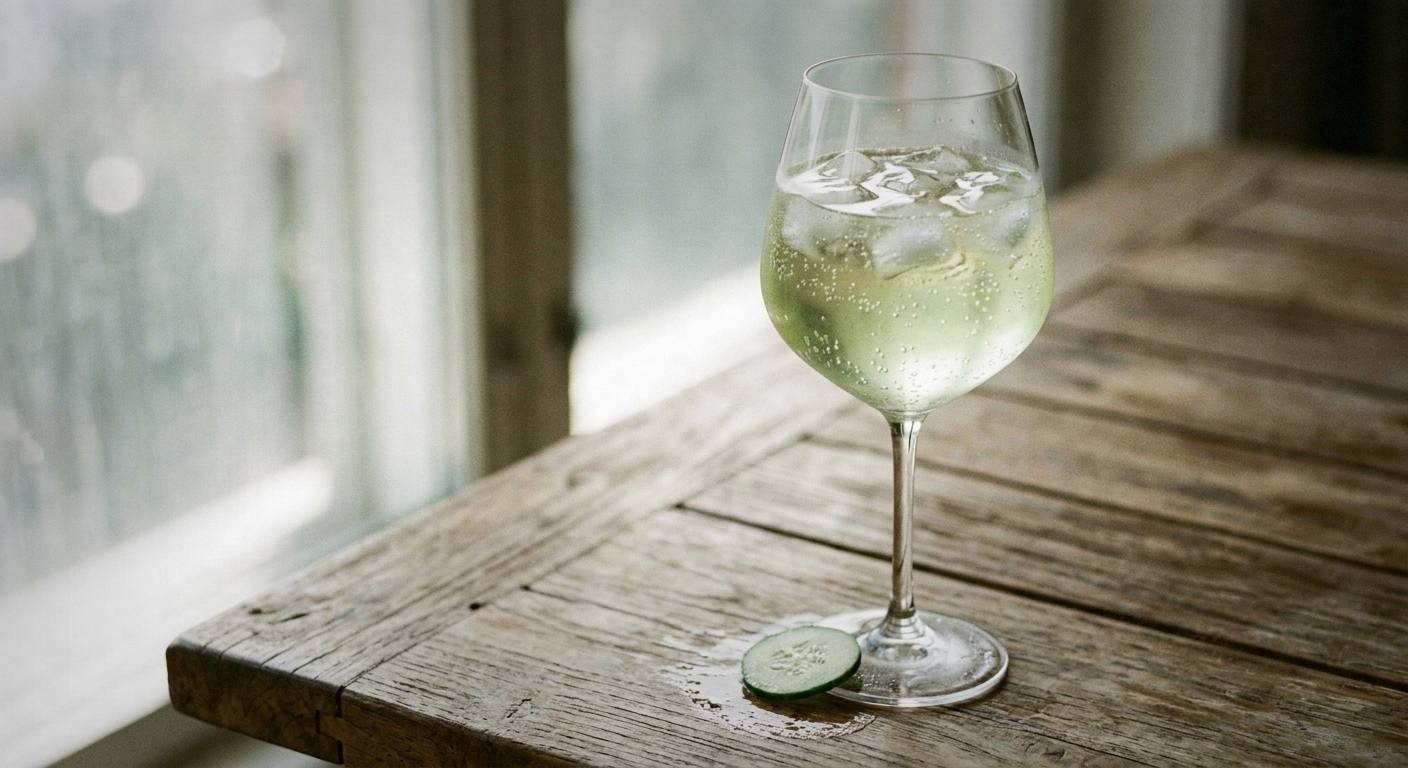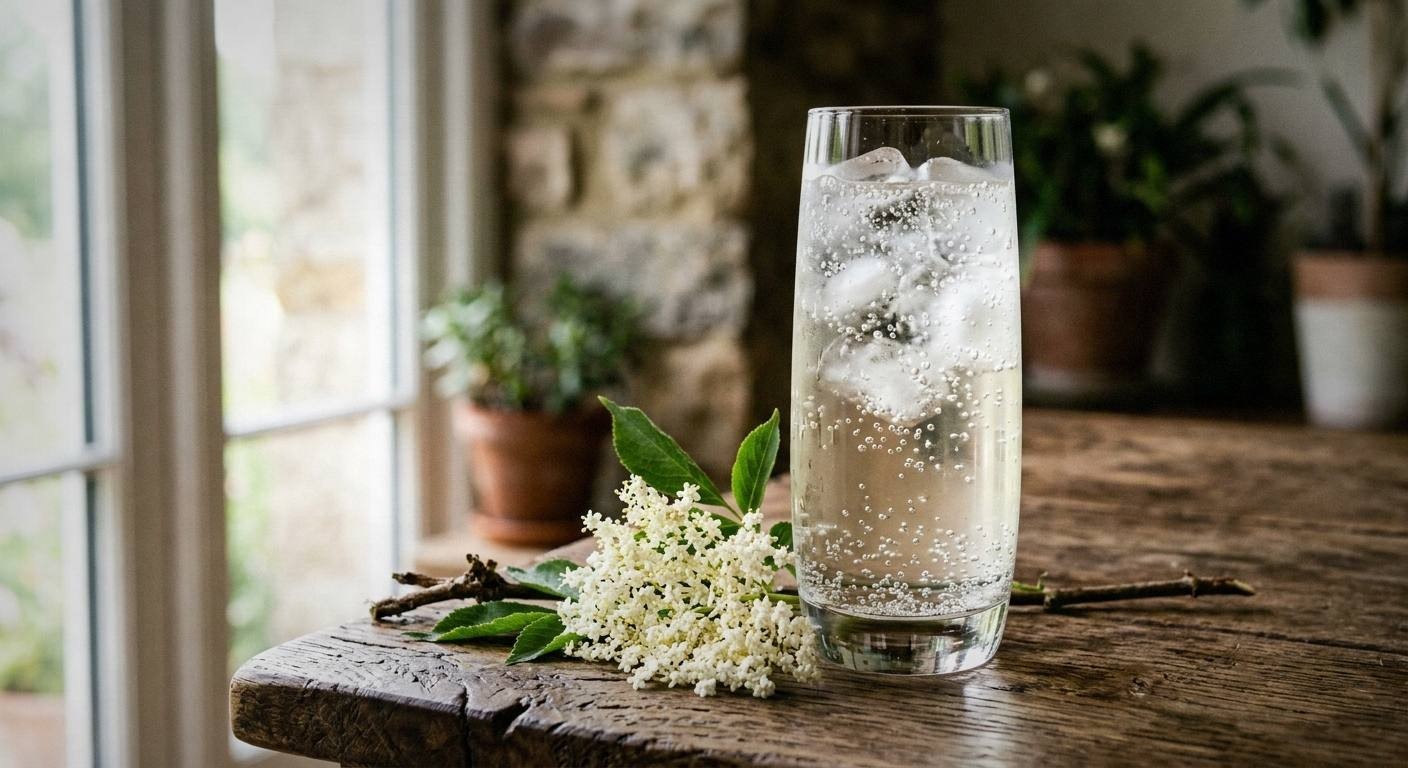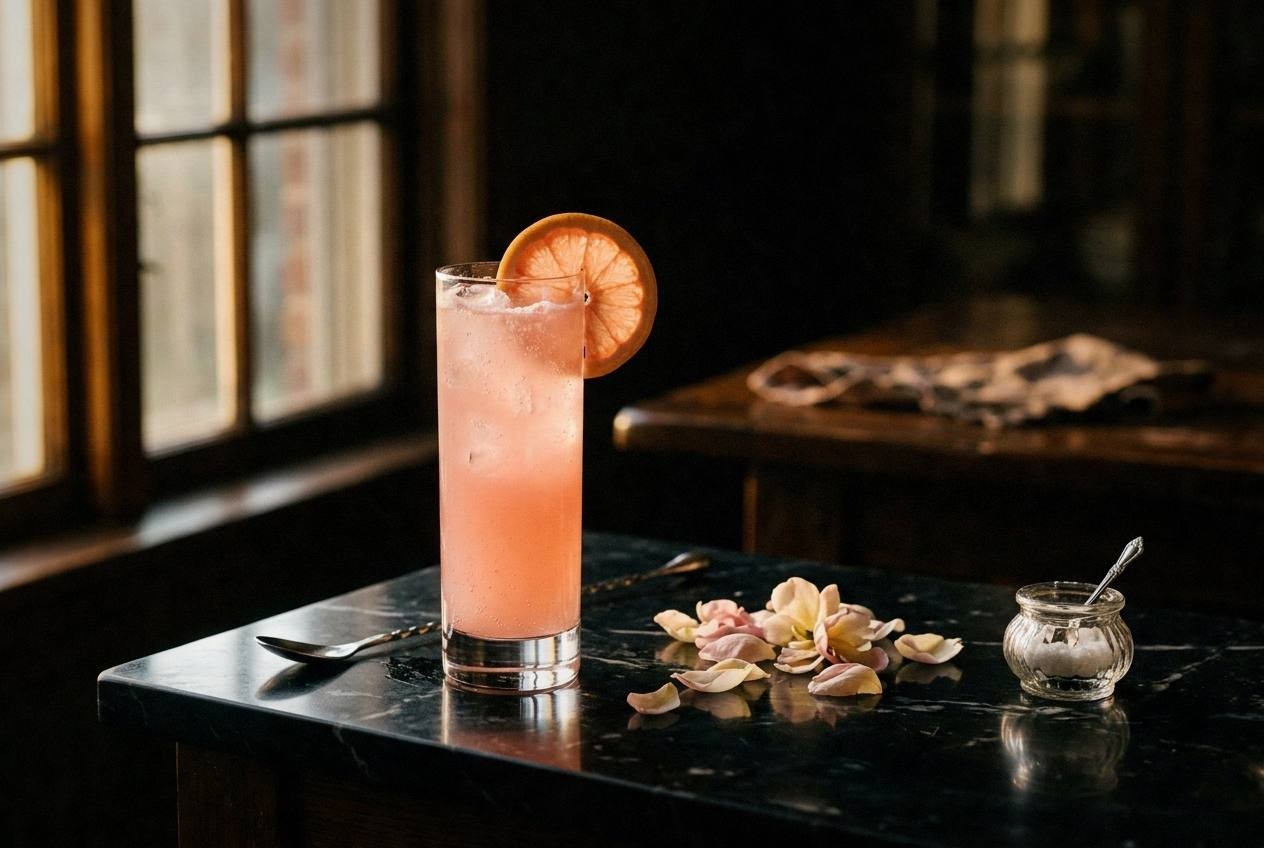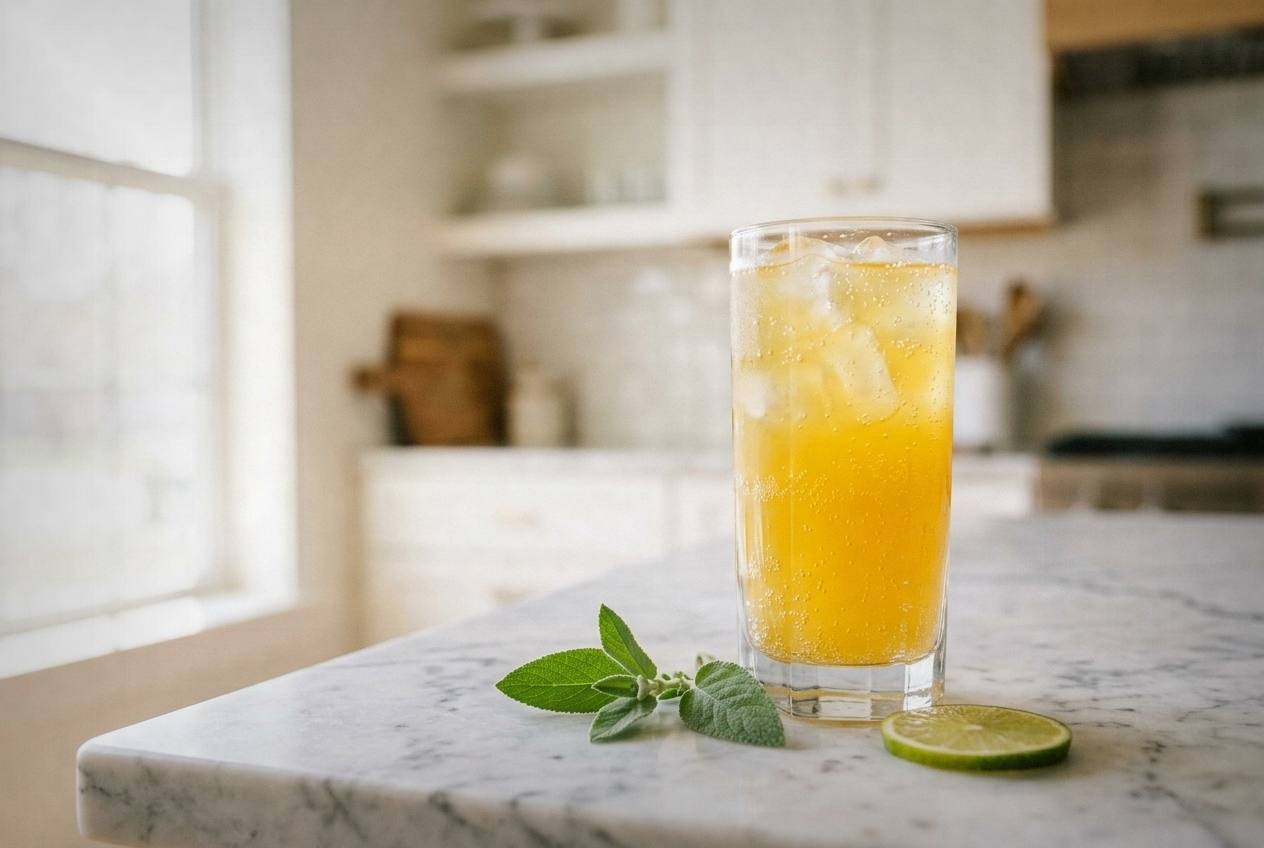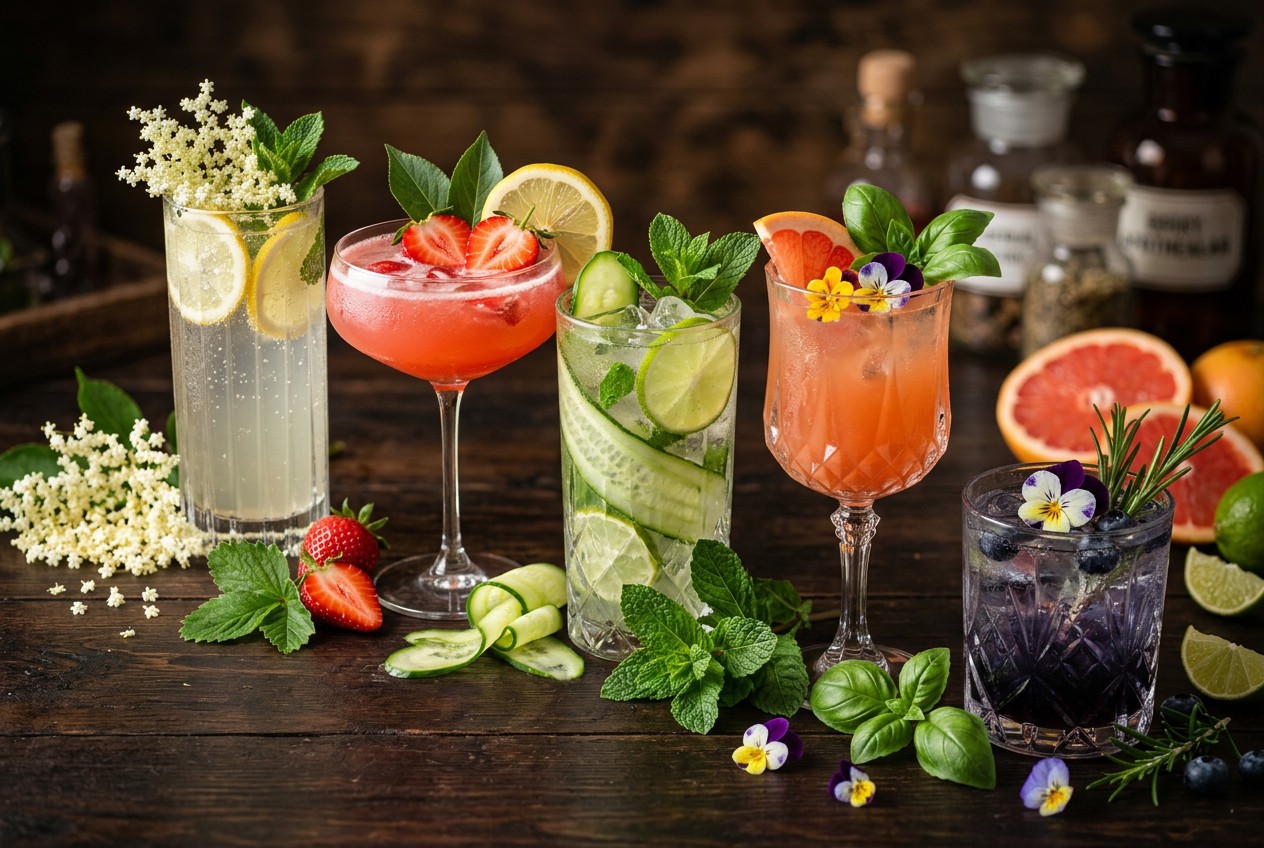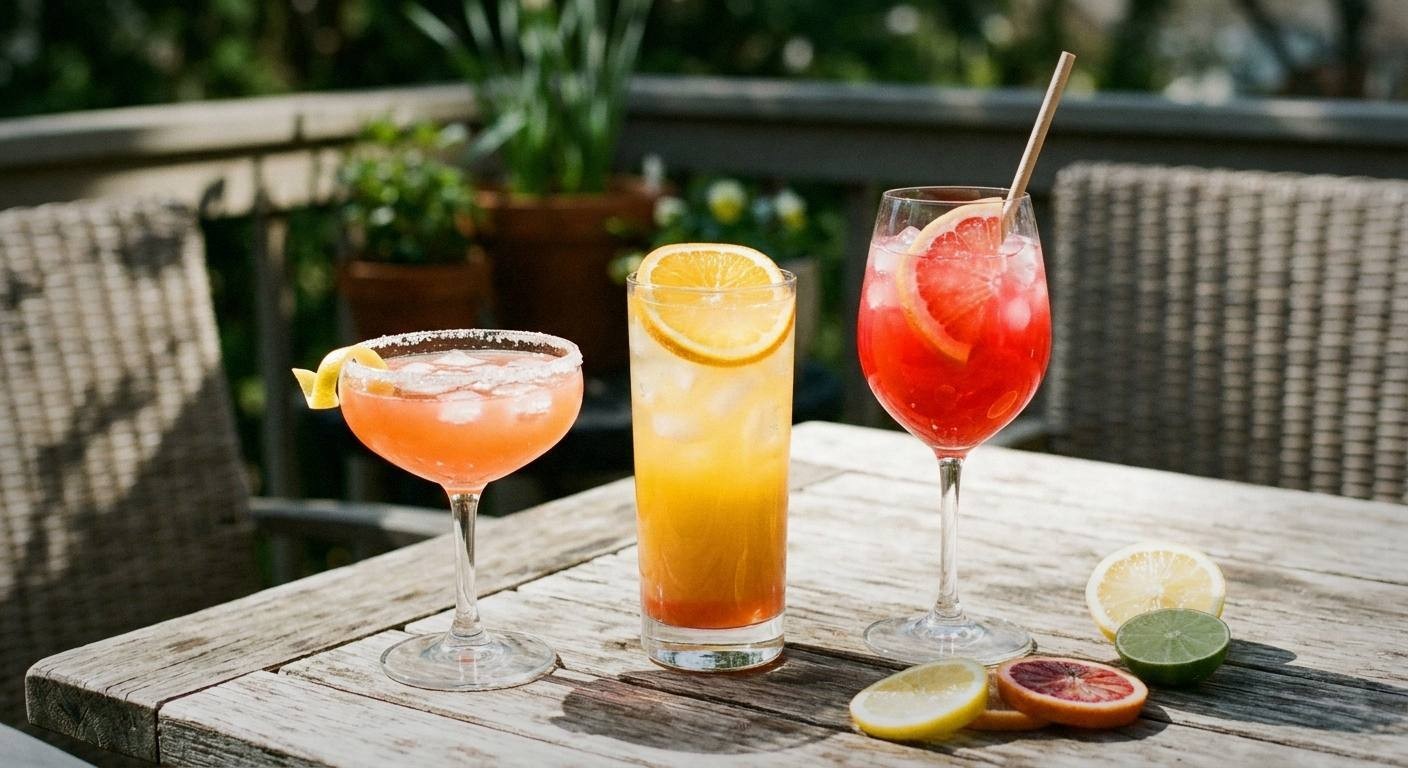
These house mocktails use food-grade ingredients and measured mixers. Commercial cordial must be labeled 0.0% alcohol if that is the goal. Tonic may replace the measured sparkling-water amount for a more bitter taste; read its quinine, sugar and medication warnings. Product names and labels determine contents.
These are TFA culinary adaptations, checked for quantities and handling against the sources below. They have not been kitchen tested; source comparisons do not certify flavor, shelf life or medical suitability.
Before You Start
Wash hands and equipment. Rinse produce and culinary herbs under running water before cutting; scrub melons and cucumbers before peeling. Use only correctly identified ingredients grown for food, never florist flowers or plants treated with pesticides unsuitable for food crops. Refrigerate promptly in small clean containers at 40 F (4 C) or below. Discard after more than two cumulative hours without cold holding, or one hour above 90 F (32 C). Do not wait for a large batch to cool on the counter. Normal smell and appearance do not establish safety. All quantities below use US cups and fluid ounces. Use a 12- to 16-fluid-ounce glass for iced single drinks, and add bubbles last.
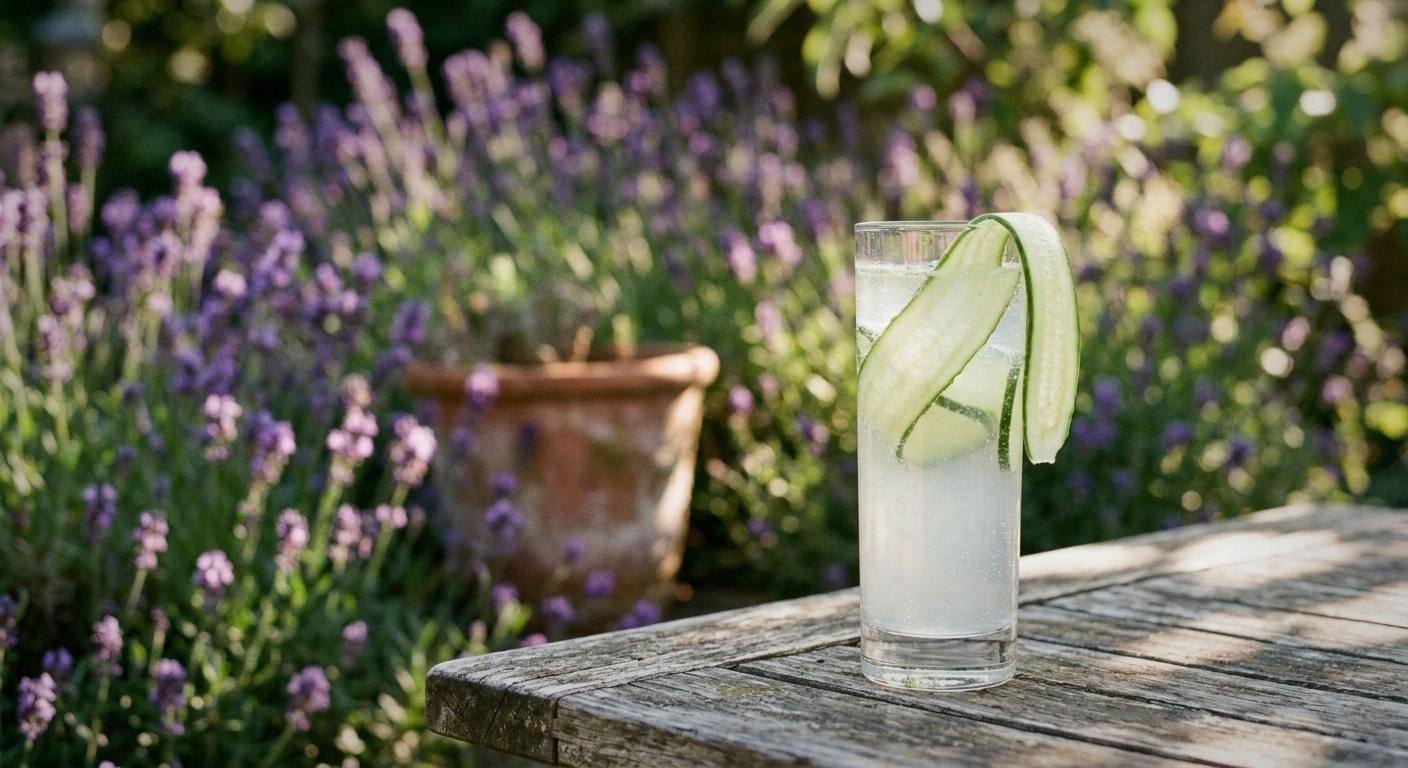
1. Elderflower Cucumber Cooler
Yield: 1 drink (7 fluid ounces before ice). Time: 5 minutes.
2 fluid ounces commercial 0.0% elderflower cordial; 1 fluid ounce lime juice; 3 rinsed cucumber ribbons; 4 fluid ounces sparkling water; ice.
Stir cordial and lime over ice in a 16-fluid-ounce glass, add cucumber and bubbles.
2. Rhubarb Rosemary Fizz
Yield: 1 drink (4 fluid ounces). Time: 5 minutes with syrup ready; syrup adds about 45 minutes.
1 1/2 fluid ounces cooled rhubarb syrup (method below); 1/2 fluid ounce lemon juice; 1 rinsed 1-inch rosemary tip; 2 fluid ounces tonic water; ice.
Press rosemary gently with syrup and lemon in a shaker, add ice and shake. Double-strain into an 8-fluid-ounce coupe and add tonic. Keep any woody decorative sprig on the table.
3. Strawberry Basil Smash
Yield: 1 drink. Time: 5 minutes with syrup ready.
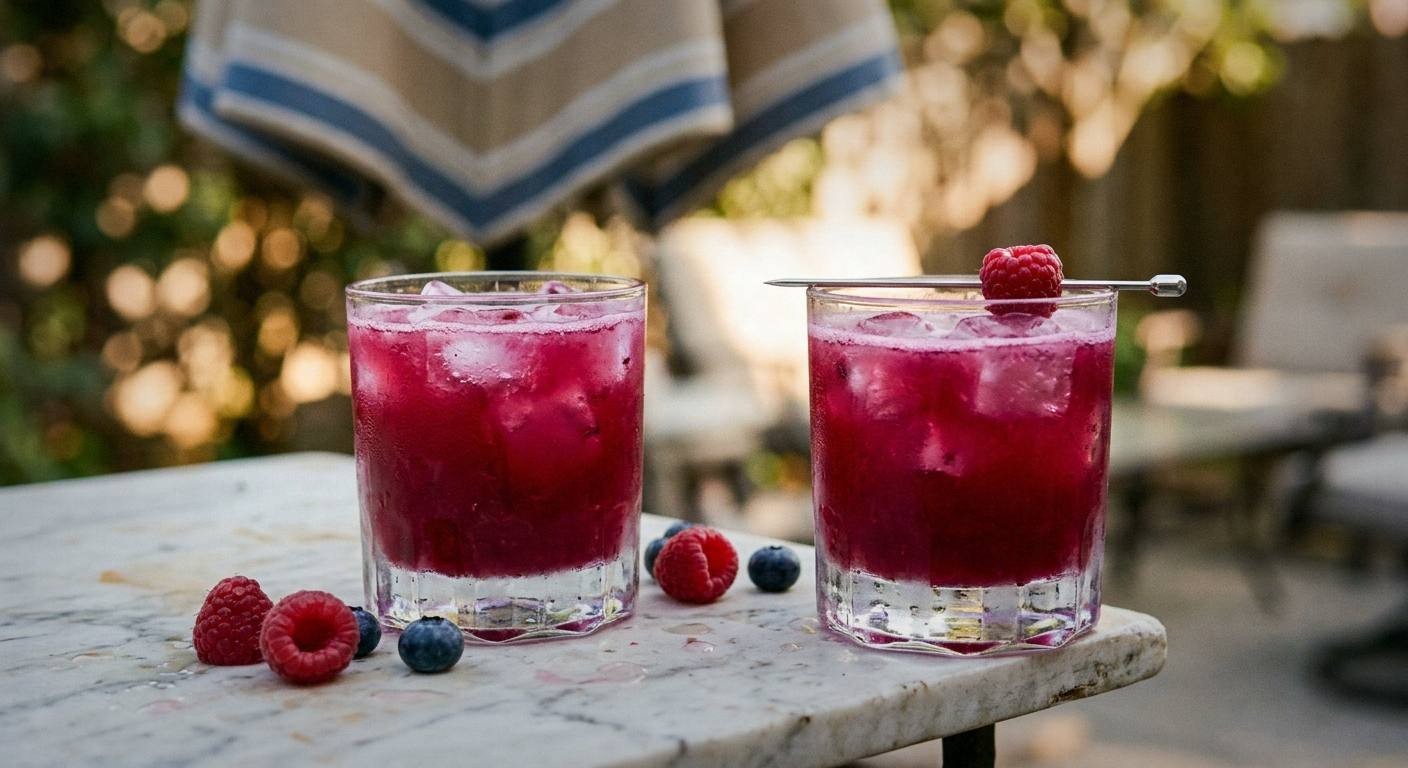
3 rinsed hulled strawberries; 4 rinsed basil leaves; 3/4 fluid ounce prepared simple syrup; 1 fluid ounce lemon juice; 2 fluid ounces sparkling water; ice.
Press berries and basil gently with syrup and lemon in a 12-fluid-ounce glass; add ice and bubbles.
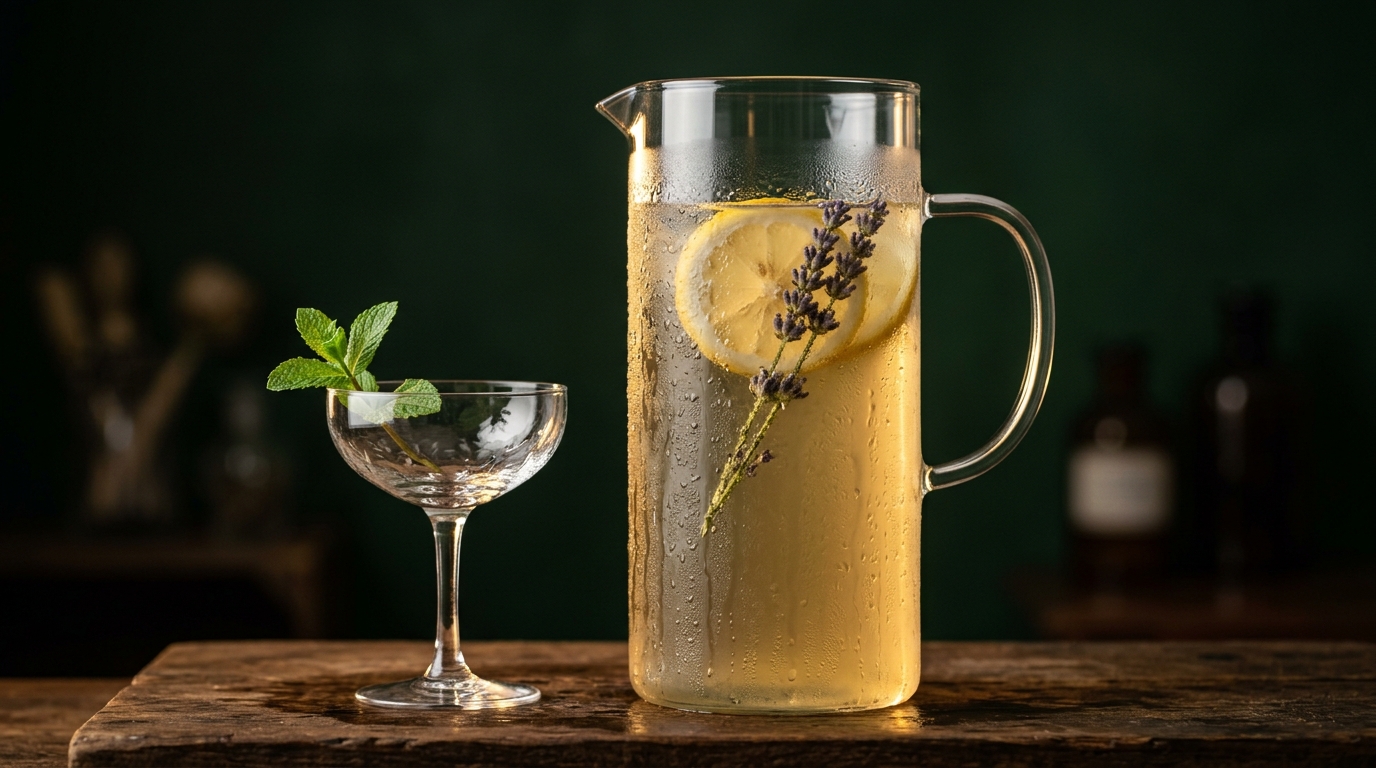
4. Lavender Lemonade Spritz
Yield: 1 drink; tea base makes roughly 2 drink pours, measure losses. Time: 25 minutes including cooling.
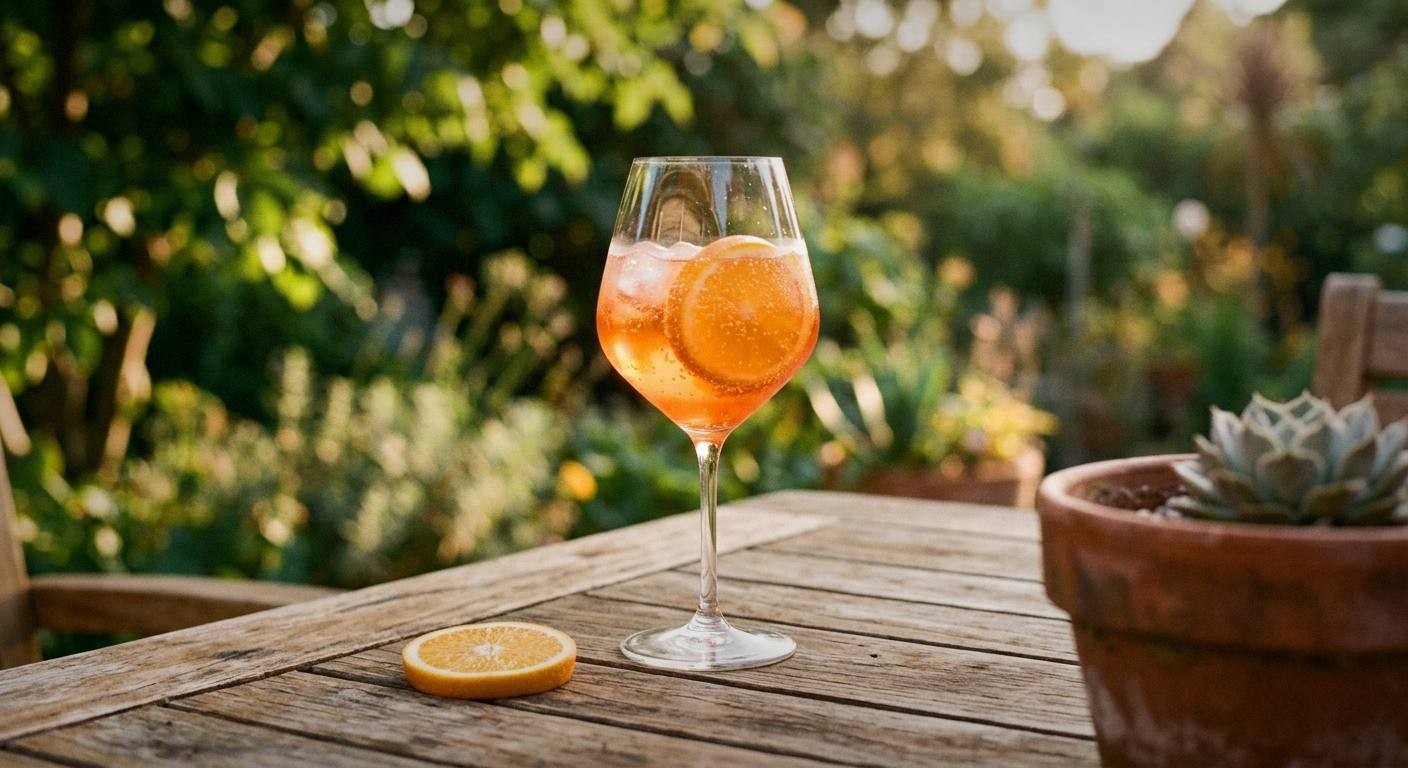
1 teaspoon dried food-grade lavender; 1/2 cup boiling water; 1 fluid ounce lemon juice; 3/4 fluid ounce prepared honey syrup; 2 fluid ounces sparkling water; ice.
Cover lavender with boiling water, steep 5 minutes, strain and cool promptly in an ice bath. Measure tea; use exactly 2 fluid ounces tea per drink, with remaining ingredients over ice. No loose dried-bud garnish.
5. Blood Orange Thyme Sparkler
Yield: 1 drink (6 1/2 fluid ounces). Time: 5 minutes with syrup ready.
3 fluid ounces measured blood orange juice; 1/2 fluid ounce simple syrup; 2 rinsed 1-inch thyme tips; 3 fluid ounces sparkling water; ice.
Shake juice, syrup and thyme with ice, double-strain into a 12-fluid-ounce glass over fresh ice, then add bubbles. Use measured juice; one orange is not a dependable yield.
6. Grapefruit Ginger Mint Refresher
Yield: 1 drink (5 1/4 fluid ounces). Time: 5 minutes with syrup ready.
1 teaspoon grated fresh ginger; 6 rinsed mint leaves; 2 fluid ounces grapefruit juice; 1/2 fluid ounce lime juice; 3/4 fluid ounce simple syrup; 2 fluid ounces sparkling water; ice.
Gently press ginger and mint with juices and syrup in a shaker, shake with ice and double-strain into a 12-fluid-ounce glass over ice. Add bubbles. No automatic equal-volume fresh/dried ginger swap.
7. Hibiscus Rose Cooler
Yield: 1 drink; measure remaining tea base separately. Time: 30 minutes including cooling.
2 teaspoons dried food-grade hibiscus; 1 cup boiling water; 1/8 teaspoon food-grade rose water; 1 fluid ounce lemon juice; 3/4 fluid ounce simple syrup; 1 fluid ounce sparkling water; ice.
Steep hibiscus in boiling water for 10 minutes, strain and cool promptly. Measure 3 fluid ounces tea for the drink and stir with rose water, lemon and syrup over ice; add bubbles. Refrigerate or freeze unused tea.
8. Cucumber Mint Elderflower Sparkler
Yield: 1 drink (6 1/4 fluid ounces). Time: 5 minutes.
4 rinsed cucumber slices; 5 rinsed mint leaves; 1 1/2 fluid ounces commercial 0.0% elderflower cordial; 3/4 fluid ounce lime juice; 4 fluid ounces sparkling water; ice.
Press cucumber and mint gently with cordial and lime, shake with ice and strain into a 16-fluid-ounce glass over fresh ice. Add bubbles.
9. Strawberry Rhubarb Spritzer
Yield: 1 drink. Time: 5 minutes with syrup ready.
2 rinsed hulled strawberries; 1 fluid ounce rhubarb syrup; 1/2 fluid ounce lemon juice; 4 fluid ounces sparkling water; ice.
Muddle strawberries with syrup and lemon in a 12-fluid-ounce glass; add ice and sparkling water. The former non-alcoholic rose wine option is replaced with sparkling water to avoid residual alcohol ambiguity. No raw rhubarb or leaf garnish.
10. Lemon Thyme Sparkler
Yield: 1 drink (5 3/4 fluid ounces). Time: 5 minutes with syrup ready.
3 rinsed 1-inch lemon thyme tips; 1 fluid ounce lemon juice; 3/4 fluid ounce honey syrup; 4 fluid ounces sparkling water; ice for shaking.
Shake thyme, lemon and syrup with ice, double-strain into an 8-fluid-ounce flute and add bubbles. Use 3 regular thyme tips and a small piece of rinsed lemon zest if lemon thyme is unavailable. Woody sprigs stay beside the glass.
Storage and Party Portions
Prepare fruit and dairy drinks for immediate service. Keep reserve chilled and use within the day; freeze unused noncarbonated tea or syrup portions. This is a conservative plan, not a validated shelf-life claim. Follow commercial ingredient labels if shorter.
Syrups and Tea Bases
For rhubarb syrup, follow Dana Velden’s Kitchn ratio: 4 cups chopped rhubarb stalks, 1 cup sugar and 1 cup water. Discard leaves; rinse stalks. Bring to a boil and simmer about 20 minutes until soft. Strain into a small heat-safe vessel, pressing lightly, and cool promptly in an ice bath. Allow about 45 minutes including prep and cooling. Measure the final volume rather than assuming a bottle count. Make it for the day, refrigerate and freeze extra; this handling plan is more conservative than the source’s storage advice. Do not use the former two-cup fruit formula and assign it the source yield.
For simple syrup dissolve 1/4 cup sugar in 1/4 cup water over heat. For honey syrup dissolve 1/4 cup honey in 1/4 cup warm water. These are equal volumes. Cool promptly, measure output and use the same day or freeze. Rich sugar syrup is not an automatic shelf-stable preserve.
For eight drinks multiply each single-drink pour by eight, except tea and syrup batch ingredients, which are prepared and measured separately. Keep all bases cold; add the multiplied bubble amount at serving. Use food-grade orange blossom water only: replace each cordial pour with the same volume of simple syrup plus 1/8 teaspoon orange blossom water per drink, adjusting next time for flavor. This is a house flavor substitution, not equivalent cordial.
Use washed fruit in potable-water ice cubes; freezing does not sterilize it. Commercial cordial storage follows its own label, not a universal six-week rule. Do not cold-soak dried herb substitutions in citrus; use the stated fresh herbs or brew a separate labeled food tea with boiling water. The former exact carbonation-loss percentages, herb oil/menthol figures, twelve-to-eighteen-month cordial claim and ’tested recipes’ claims are removed. No kitchen, sensory or storage testing was performed.