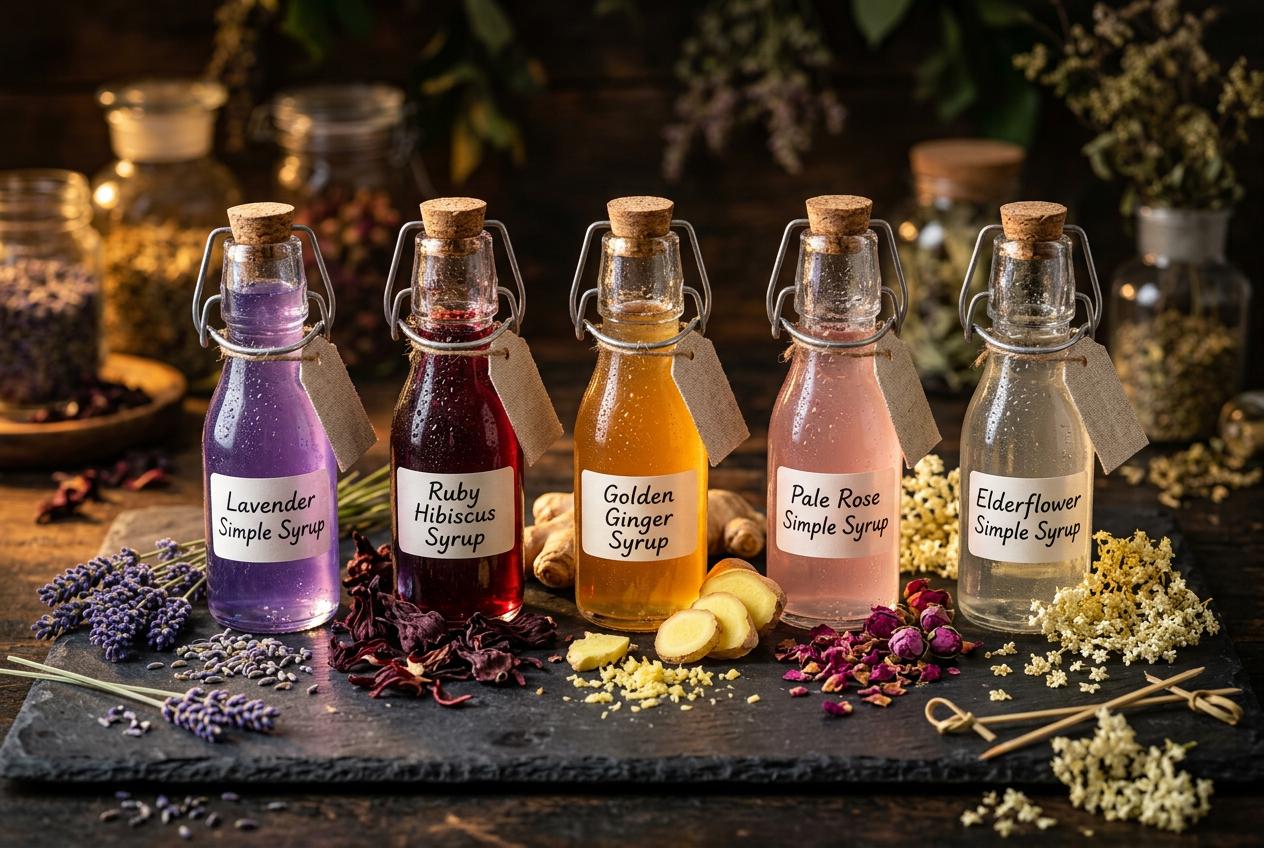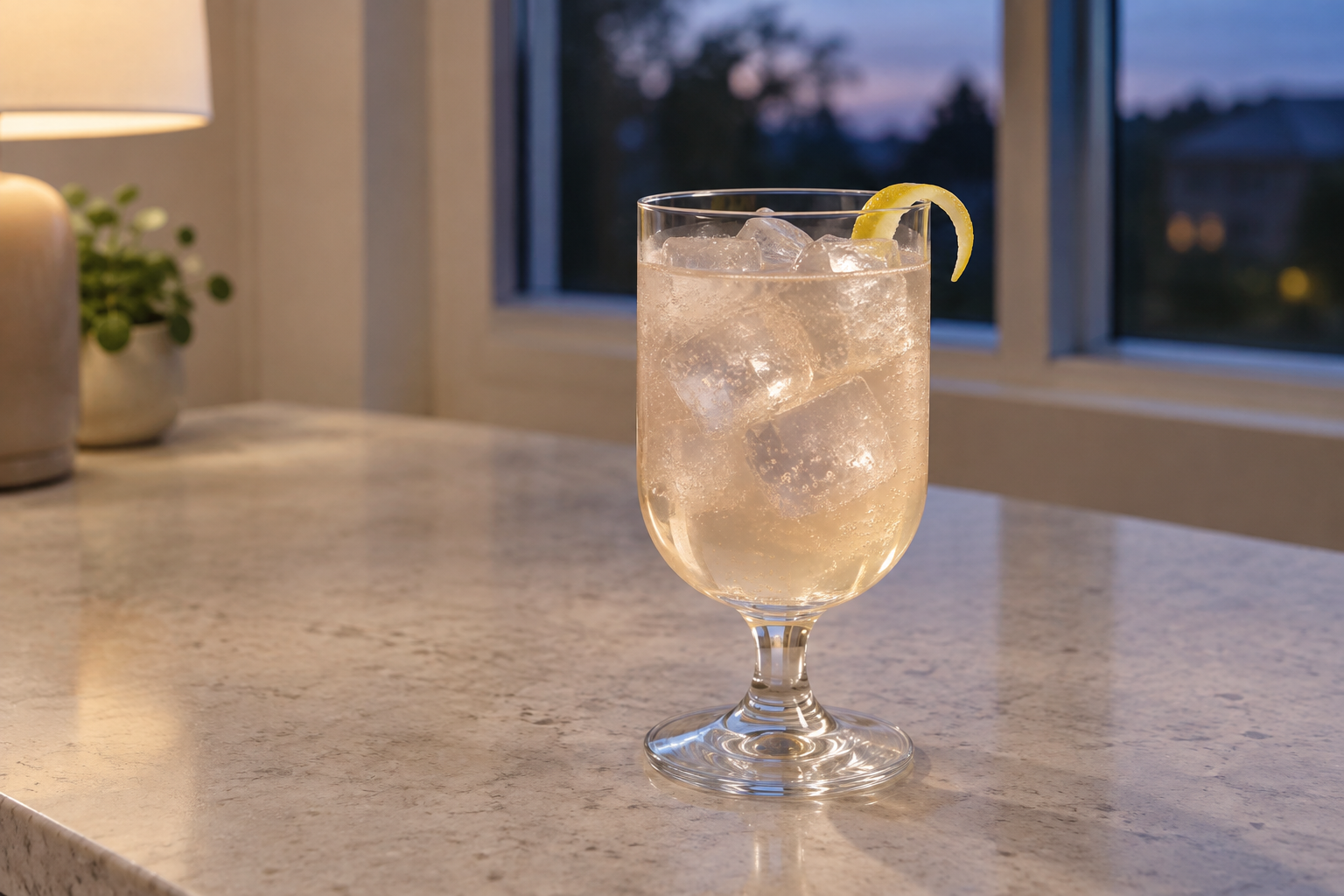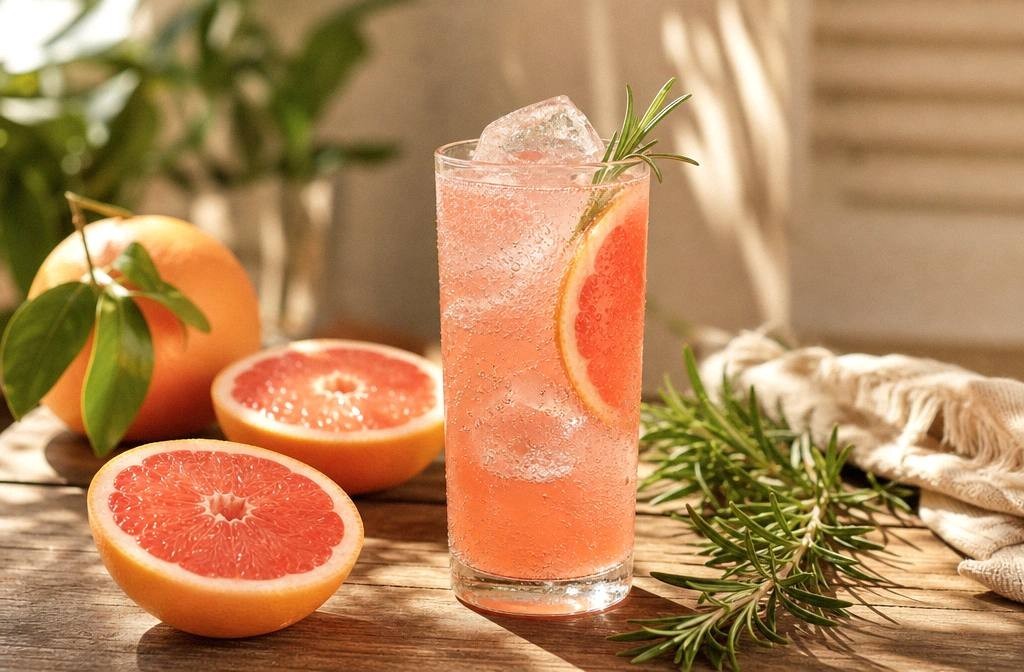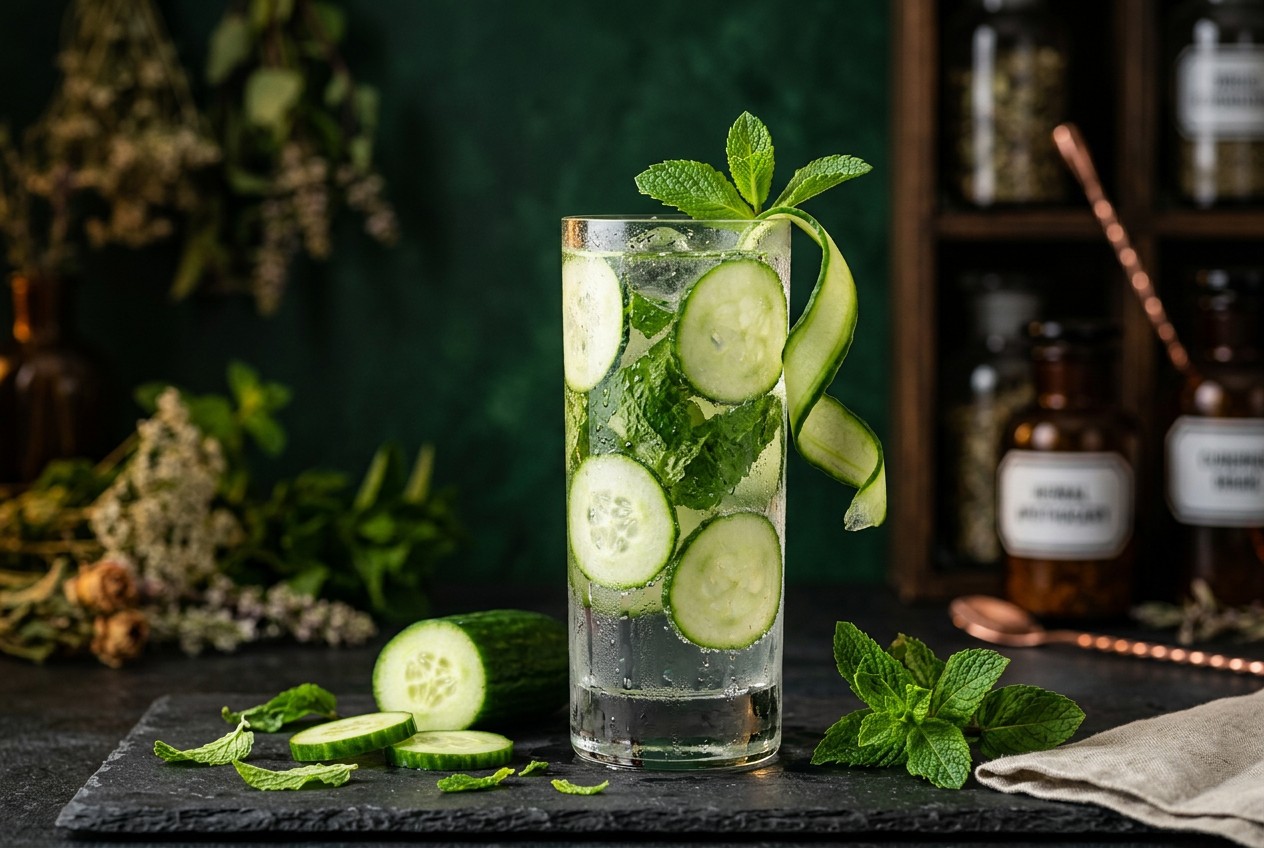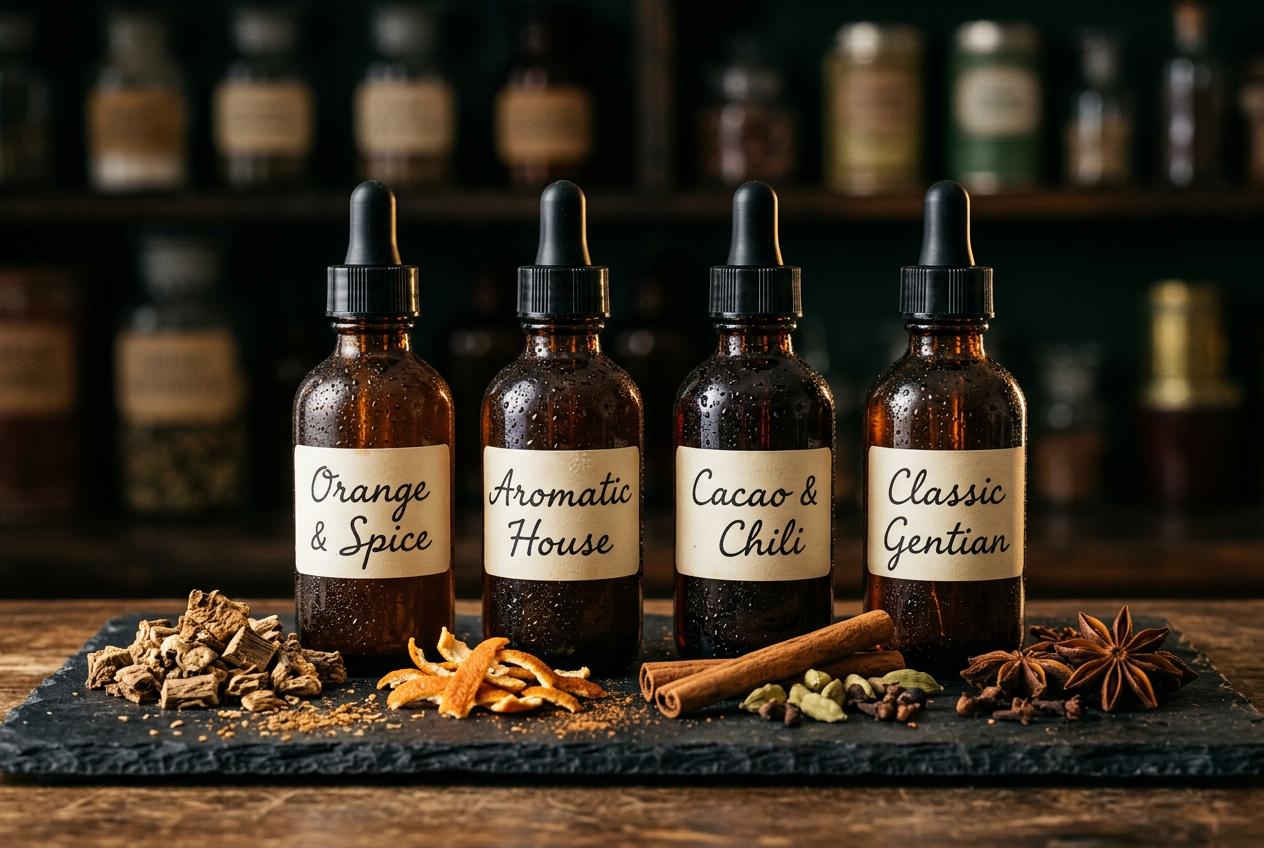
Bitters are concentrated cocktail flavorings. Alcohol-based bitters add alcohol to a drink, even in small amounts; they do not make an alcohol-free mocktail. The former two TFA blends used much more gentian than the comparison recipes and gave no defined proof or measured yield. They are replaced here by links to two complete original culinary formulas, rather than preserving their unreviewed extraction ratios.
1. Orange Aromatic Bitters
Use Marcia Simmons’ DIY Orange Bitters at Serious Eats as a whole. It specifies the citrus zest, bittering ingredients, separate spirit fractions, a staged infusion and double filtration. Follow that complete ingredient list and method together, without importing this page’s former cardamom/cinnamon blend or larger gentian spoonfuls. This is an alcoholic culinary project, not a supplement or daily digestive tonic. The source’s dash count is a serving convention, not a universal dropper calibration. Measure the final strained volume; extraction losses affect yield. Its starting spirit volume and printed output differ substantially, so do not pre-label bottle counts based on an assumed final volume.
2. Citrus Herb Bitters
Marcia Simmons’ DIY Grapefruit Bitters provides an alternative complete process with specific vodka proof, rum, botanical amounts, filtration and a final sweetener addition. Its prose method includes a rest after filtration; count that stage when planning, rather than using only the site’s summary clock. Measure the final output. It replaces the former lemon-verbena blend; neither recipe validates arbitrary roots, barks or unspecified solvent changes. The grapefruit author permits an 80-proof vodka option within her complete formula; that does not authorize arbitrary dilution or botanical substitutions.
Ingredient and Procedure Holds
Audit hold: The former unrestricted cinchona, wormwood, licorice, other root/bark substitutions and glycerin extraction/storage option are withdrawn. Do not prepare or consume bitters using those suggestions. Their identity, active-compound exposure, solvent strength and handling are unresolved. No operative quantities or Recipe output for those procedures are provided. Buy botanicals explicitly identified and sold for culinary use; an unknown garden root is not a substitute. Only potable beverage spirits belong in food, never denatured or rubbing alcohol. Keep strong spirits away from flame and heat; these source processes do not heat the alcohol.
Serving with Commercial Bitters
For the examples below use a labeled commercial product, following its storage instructions. For each use of dashes, use that bottle’s dispenser; a dash is not a teaspoon conversion. These are house cocktail suggestions, not directions to consume a held homemade batch.
| Drink | One portion and method |
|---|---|
| Old Fashioned | Dissolve 1 teaspoon sugar in 1 teaspoon water with 2 dashes commercial aromatic bitters; add 2 fluid ounces bourbon, stir with ice, finish with rinsed orange peel |
| Manhattan | Stir 2 fluid ounces rye, 1 fluid ounce sweet vermouth and 2 dashes commercial aromatic bitters with ice; strain |
| Champagne cocktail | Put 1 sugar cube and 2 dashes commercial aromatic bitters in an 8-fluid-ounce flute; add 4 fluid ounces sparkling wine |
| Gin and tonic | Pour 1 1/2 fluid ounces gin and 4 fluid ounces tonic over ice in a 12-fluid-ounce glass; add 2 dashes commercial citrus bitters |
| Whiskey sour | Shake 2 fluid ounces whiskey, 3/4 fluid ounce lemon juice, 1/2 fluid ounce prepared simple syrup and 2 dashes commercial aromatic bitters with ice; strain; no raw egg |
| Citrus spritz with bitters | Stir 2 fluid ounces grapefruit juice, 1 fluid ounce lemon juice and 1/2 fluid ounce prepared honey syrup over ice; add 3 dashes commercial citrus bitters and 3 fluid ounces sparkling water |
| Aromatic tonic | Stir 1/2 fluid ounce prepared simple syrup and 3 dashes commercial aromatic bitters over ice; add 4 fluid ounces tonic |
| Mint refresher | Gently press 4 rinsed mint leaves with 1 fluid ounce prepared simple syrup and 2 fluid ounces lime juice; strain over ice in a 16-fluid-ounce glass; add 3 dashes commercial citrus bitters and 4 fluid ounces sparkling water |
| Bitters and soda | Add 2 dashes commercial bitters to 6 fluid ounces sparkling water over ice; garnish with rinsed citrus |
| Shrub spritz | Stir 1 fluid ounce commercial fruit shrub and 2 dashes commercial bitters over ice; add 5 fluid ounces sparkling water |
Allow about 5 minutes per drink with mixers prepared. For simple or honey syrup dissolve 1/4 cup sugar or honey in 1/4 cup water, cool promptly and measure yield. Use the same day or freeze extra. Commercial alcohol-free bitters can replace alcoholic bitters only if their ingredient label and 0.0% alcohol statement suit the intended guest; this is a different product. The optional surface float is at most 2 drops of the selected commercial product per drink. The former rim coating, bitters syrup, salt replacement and homemade alcohol-free aperitif suggestions are withdrawn because their portions and intended uses were undefined.
Storage Limits
No indefinite preservation, five-year safety or glycerin shelf life is established here. The linked authors’ storage advice belongs to their complete formulas, not the withdrawn TFA blends. Changing solvent, adding water, fresh plants or syrup changes a preparation. For predictable storage, use a commercial product and its label. Wash hands and equipment. Rinse produce and culinary herbs under running water before cutting; scrub melons and cucumbers before peeling. Use only correctly identified ingredients grown for food, never florist flowers or plants treated with pesticides unsuitable for food crops. Refrigerate promptly in small clean containers at 40 F (4 C) or below. Discard after more than two cumulative hours without cold holding, or one hour above 90 F (32 C). Do not wait for a large batch to cool on the counter. Normal smell and appearance do not establish safety. These cooling rules apply to prepared nonalcoholic mixers and serving drinks, not as validation of an extraction. No microbial, alcohol or shelf-life measurement was performed.