

The Short Answer
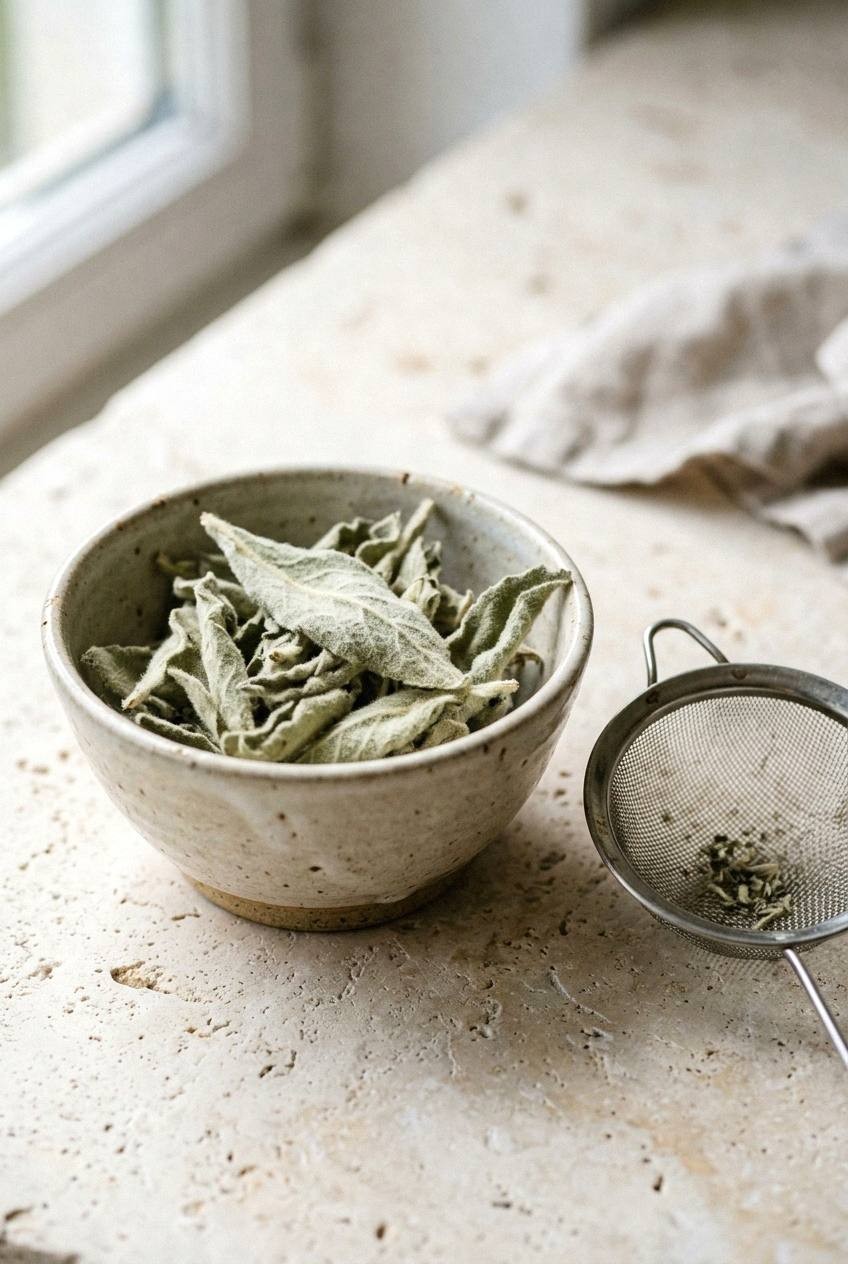
Mullein is used in herbal tea , but familiarity does not establish safety. Fine leaf particles can cause throat irritation if filtering is inadequate. Mullein leaf is fuzzy, and those tiny hairs can scratch or tickle if they get into the finished cup.
For the basic tea method , see our mullein tea recipe for cough, mucus, and lung support . This page is the safety companion: who should be careful, what side effects to watch for, and how to make the cup less irritating.
Common Mullein Tea Side Effects
The cited supplier describes irritation from fine leaf hairs and advises careful filtering. It does not establish side-effect frequencies. Stop using a preparation that irritates you; seek medical help for breathing difficulty or a severe reaction.
Why Mullein Leaf Hairs Can Irritate Your Throat
The scratchy feeling does not usually come from the tea liquid itself. It comes from the plant material. Dried mullein leaf has tiny surface hairs, sometimes called trichomes. If small leaf pieces or hairs slip through a loose tea ball, they can sit in the back of your throat and feel like dust, fuzz, or a dry tickle.
That is why “strain well” is not a decorative instruction in mullein recipes. It is a preparation precaution, not proof of overall safety.
Use one of these:
- A paper coffee filter
- A reusable cloth tea filter with a tight weave
- A very fine stainless steel mesh strainer
- A French press plus a second pass through paper
If your throat feels worse after a cup, stop drinking it and check your straining method before trying again. If you have swelling, wheezing, hives, chest tightness, or trouble breathing, treat that as a medical issue, not as normal herbal tea irritation.
Gordolobo Tea Side Effects
“Gordolobo” can refer to different plants. UTEP describes Gnaphalium species, distinct from Verbascum mullein, and reports harmful confusion with Senecio. Its precautions concern that identified plant, including allergy concerns and unknown prolonged-use safety. They cannot be transferred to mullein as a shared side-effect profile. Confirm the botanical name and plant part before using any preparation.
Who Should Avoid or Ask First
Ask a clinician before using mullein tea if you are pregnant, breastfeeding, giving it to a young child, taking medication for asthma or another respiratory condition, or dealing with symptoms that are more than mild congestion.
Skip mullein if you know you are allergic to plants in the figwort family, or if you notice itching, swelling, rash, or breathing changes after drinking it.
Pregnancy and Breastfeeding
There is not enough reliable safety data for mullein tea during pregnancy or breastfeeding. That does not automatically mean it is dangerous, but it does mean this is not the place to guess. If you are pregnant, trying to become pregnant, or nursing, get personalized guidance before using it regularly.
This matters even more if you are using mullein for a cough. Persistent cough, fever, wheezing, or shortness of breath during pregnancy should be handled medically.

Kids and Mullein Tea
Do not give mullein tea to babies or toddlers without medical guidance. For older children, ask a pediatric clinician first, especially if the child has asthma, allergies, wheezing, fever, or a cough that is keeping them from sleeping.
Herbal teas can feel mild because they are familiar, but children need different dosing and closer monitoring than adults.
How to Make Mullein Tea Safer
Use these rules:
- Buy dried mullein leaf from a reputable herb supplier.
- Use 1 to 2 teaspoons per 8 oz cup.
- Pour freshly boiling water over the leaf and steep 10 to 15 minutes, covered.
- Strain through a coffee filter or very fine mesh.
- These amounts describe a supplier preparation, not a medically established dose or daily schedule.
- Stop if your throat feels more irritated after drinking it.
If the goal is cough support, our mullein tea for cough and mucus guide explains how to keep the formula simple.
A One-Cup Preparation
The supplier method cited below uses 1–2 teaspoons of dried leaf per cup, freshly boiled water, a covered 10–15-minute steep and fine filtering. Its cup volume is unspecified. The eight-US-fluid-ounce measure previously used here was a TFA serving choice, not a clinical dose. No first-cup trial or waiting interval can prove safety for repeated use.
When Tea Is Not Enough
Get medical care if you have chest pain, trouble breathing, wheezing, high fever, coughing blood, blue lips, dehydration, or symptoms that are getting worse. Also get checked if a cough lasts more than a week without improvement or keeps returning.
Mullein tea belongs in the gentle-support category. It is not a treatment for pneumonia, asthma attacks, severe bronchitis, COPD flare-ups, or unexplained breathing problems.

Common Questions
Can mullein tea irritate your throat?
Yes, especially if it is not strained well. The leaves have tiny hairs that can feel scratchy. The cited supplier lists a coffee filter among its fine-filtering options.
Why does mullein tea make my throat scratchy?
The usual source is tiny mullein leaf hairs or small leaf particles in the finished cup. Strain the tea through a paper coffee filter or very fine mesh. If it still bothers your throat, stop using it.
Is gordolobo tea the same as mullein tea?
Not reliably. The name can refer to Verbascum or unrelated Gnaphalium species, and UTEP documents confusion with toxic plants. Confirm the botanical name before using any preparation.
Is mullein tea safe every day?
This page establishes no safe daily-use schedule. Ask a clinician about repeated use and do not use tea to postpone assessment of persistent symptoms.
Can mullein tea make you sleepy?
Plain mullein contains no tea or coffee ingredient, but this page establishes no sedative or cough-treatment effect. Check any blend for other ingredients.
Does mullein tea interact with medication?
Specific interaction data is limited. If you take respiratory medication, sedatives, blood pressure medication, or medication for a chronic condition, ask a clinician before using mullein regularly.
Can I drink mullein tea for asthma or COPD?
Do not use mullein tea as a treatment for asthma, COPD, pneumonia, severe bronchitis, or unexplained breathing problems. If you already have a respiratory diagnosis, ask your clinician before adding herbal tea to your routine.
Preparation sources and limits
The Herbal Connection’s published method supports 1-2 teaspoons of dried mullein leaf per cup, freshly boiled water and a 10-15-minute steep with fine filtering. The eight-fluid-ounce cup here defines the TFA serving; the supplier does not specify that volume. Its July 14, 2026 page postdates this article and is current corroboration, not proof of the original source. BfR advises boiling water for herbal teas. These preparation comparisons do not establish a therapeutic dose, a daily-use schedule or a storage life. Make a fresh cup.