Why You Will Love These
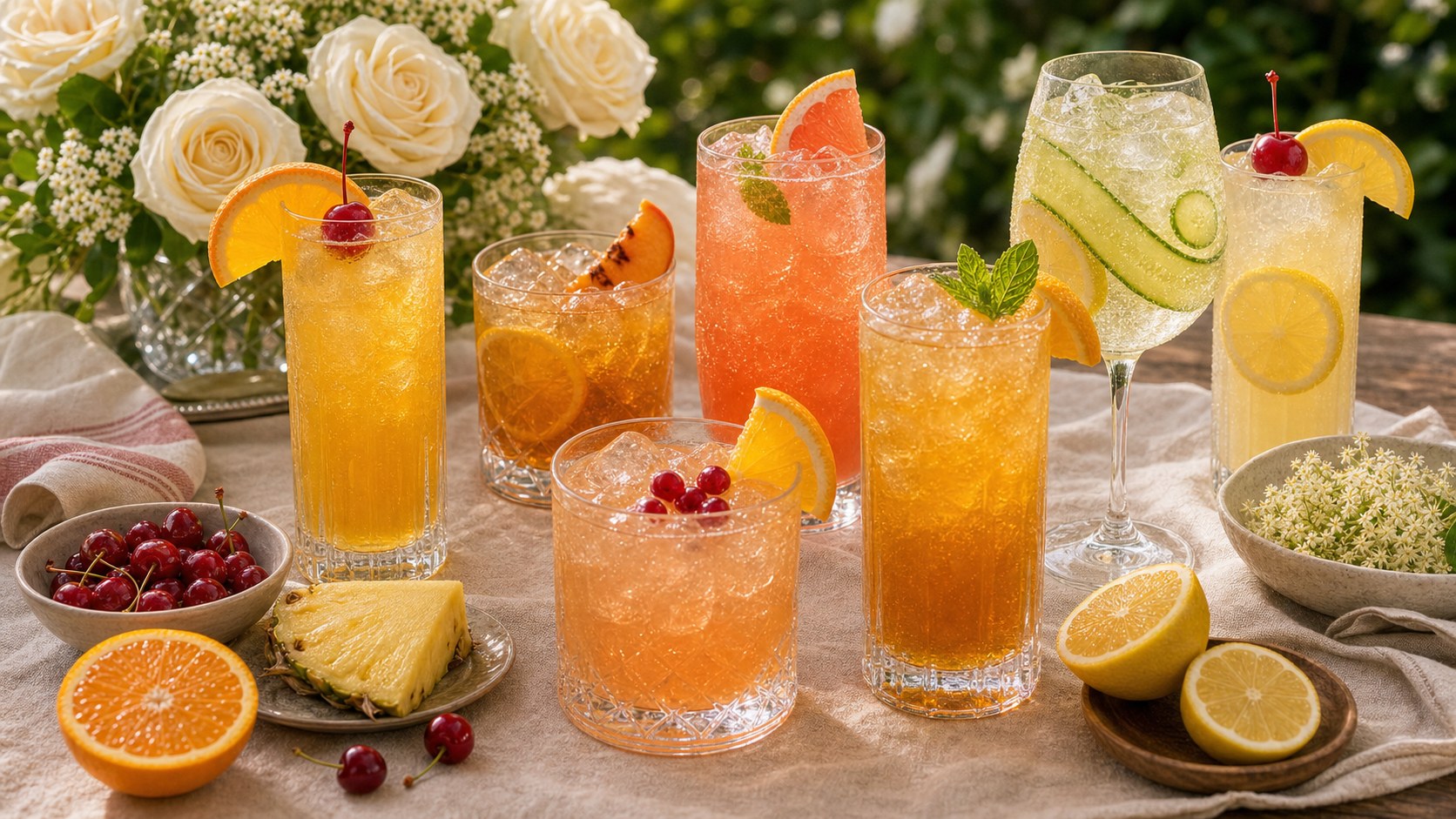
This archive collects seven citrus drinks for a Preakness watch party. The setting shifts for a year, but the drink mood is still Maryland: bright citrus, pineapple, elderflower, orange wedges, cherries, crushed ice, and a little Baltimore race-day polish.
For the opening race, see the 2026 Kentucky Derby drinks guide . The next Triple Crown race is the Belmont Stakes; its 2026 drinks guide covers the Saratoga race-day menu.
This list starts with the historical 2015 Black-Eyed Susan formula demonstrated by America’s Best Racing, then builds out the drinks people actually search for around Preakness week: vodka, rum, bourbon, peach, rye, an orange crush, a light elderflower spritz, and one alcohol-free version that still tastes like it belongs at the table.
The List
1. Historical 2015 Black-Eyed Susan
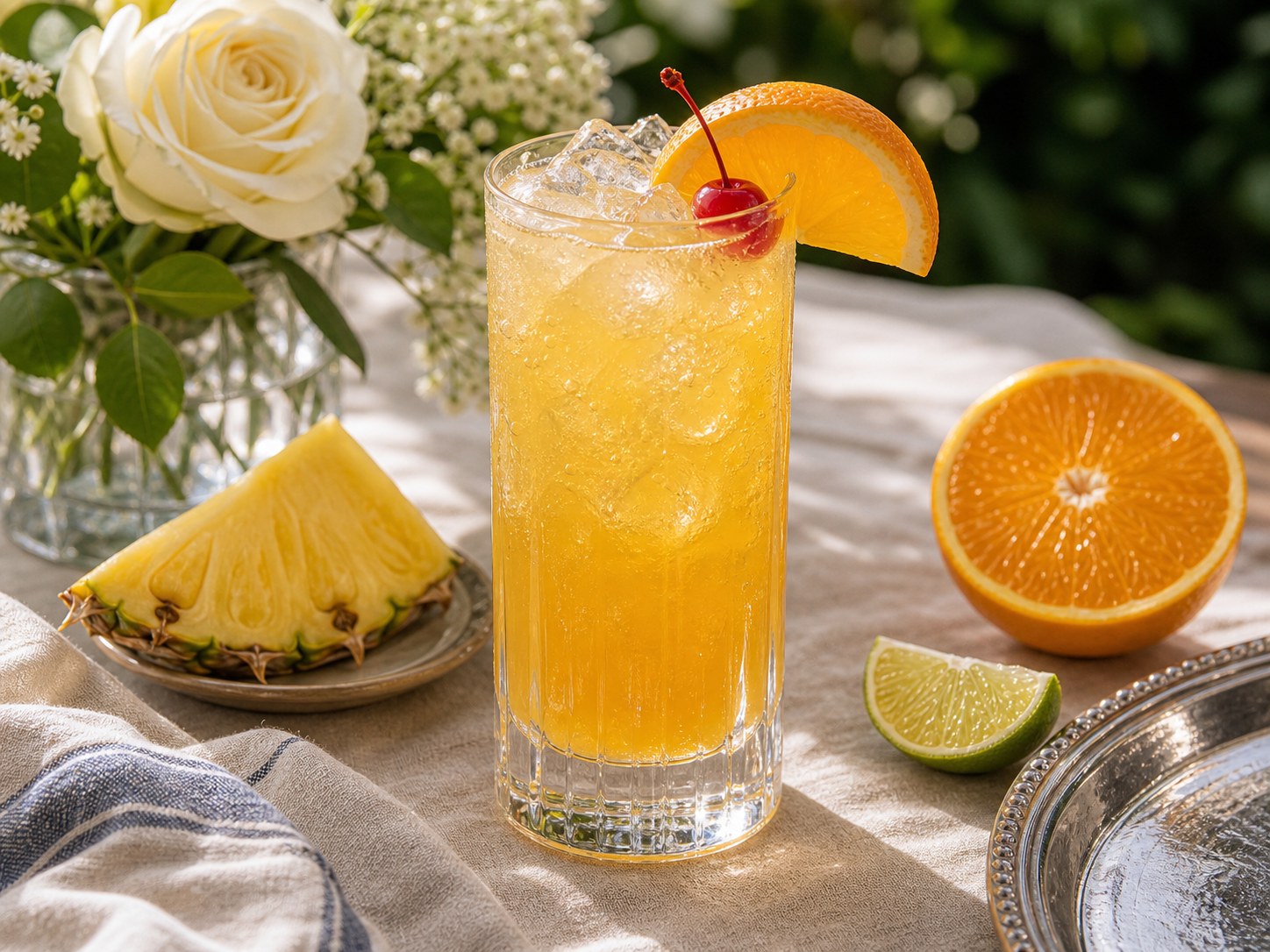
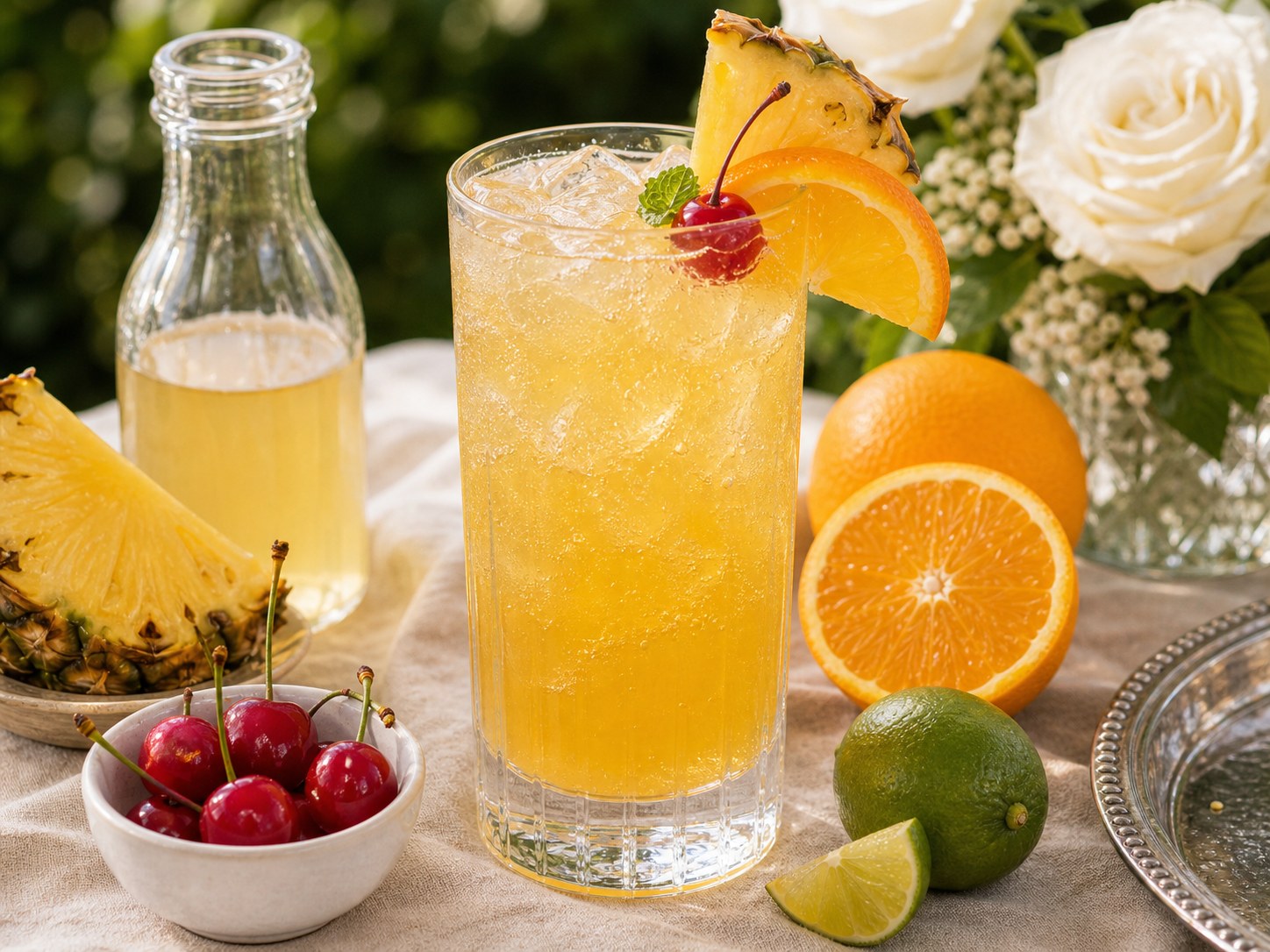
This is the anchor drink. America’s Best Racing’s historical 2015 demonstration uses vodka, St-Germain elderflower liqueur, pineapple juice, lime juice, and orange juice. It is lighter than the older punch-style versions and leans into fresh citrus rather than heavy sweet-and-sour mix.
For one drink, shake 1 1/2 oz vodka, 1/2 oz elderflower liqueur, 2 oz pineapple juice, 1/4 oz fresh lime juice, and 3/4 oz orange juice with ice. Strain into a 12-fluid-ounce highball or Collins glass over fresh ice. Garnish with an orange wedge.
The flavor is golden, floral, and easy to drink. This is a historical recipe, not a verified official 2026 sponsor formula.
2. Annapolis Bourbon and Peach Black-Eyed Susan
The earlier Chesapeake Bay Magazine attribution could not be verified through ordinary accessible page opens. Retain this coherent bourbon-peach formulation as a TFA house version, without an unverified bar attribution. It is a stronger, sweeter race-day version for people who want the drink to feel more like a party cocktail.
For one drink, shake 1 oz bourbon, 1 oz vodka, 1 oz peach schnapps, 2 oz orange juice, and 2 oz sour mix with ice. Strain into a 16-fluid-ounce ice-filled glass. Garnish with an orange slice and cherry.
If you want to freshen it up, use homemade sour mix: combine 2 tablespoons measured lemon juice, 2 tablespoons measured lime juice and 2 tablespoons prepared 1:1 simple syrup. Makes 3 fluid ounces; use 2 fluid ounces in the drink. This is a house three-way ratio, not a verified Annapolis source ingredient. Refrigerate for same-day use or freeze extra. That keeps the peach and bourbon from tasting flat.
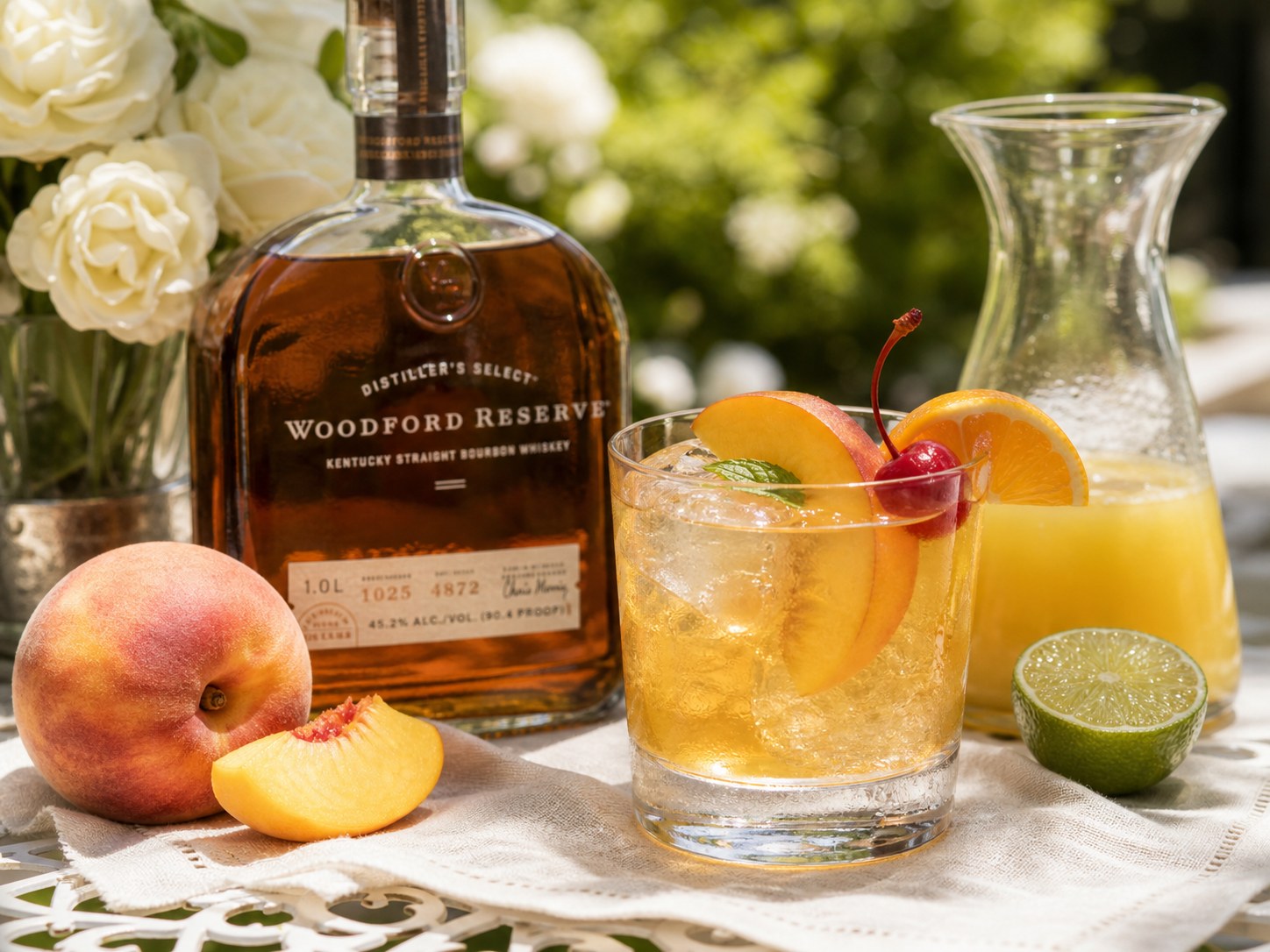
3. Rye Peach Susan
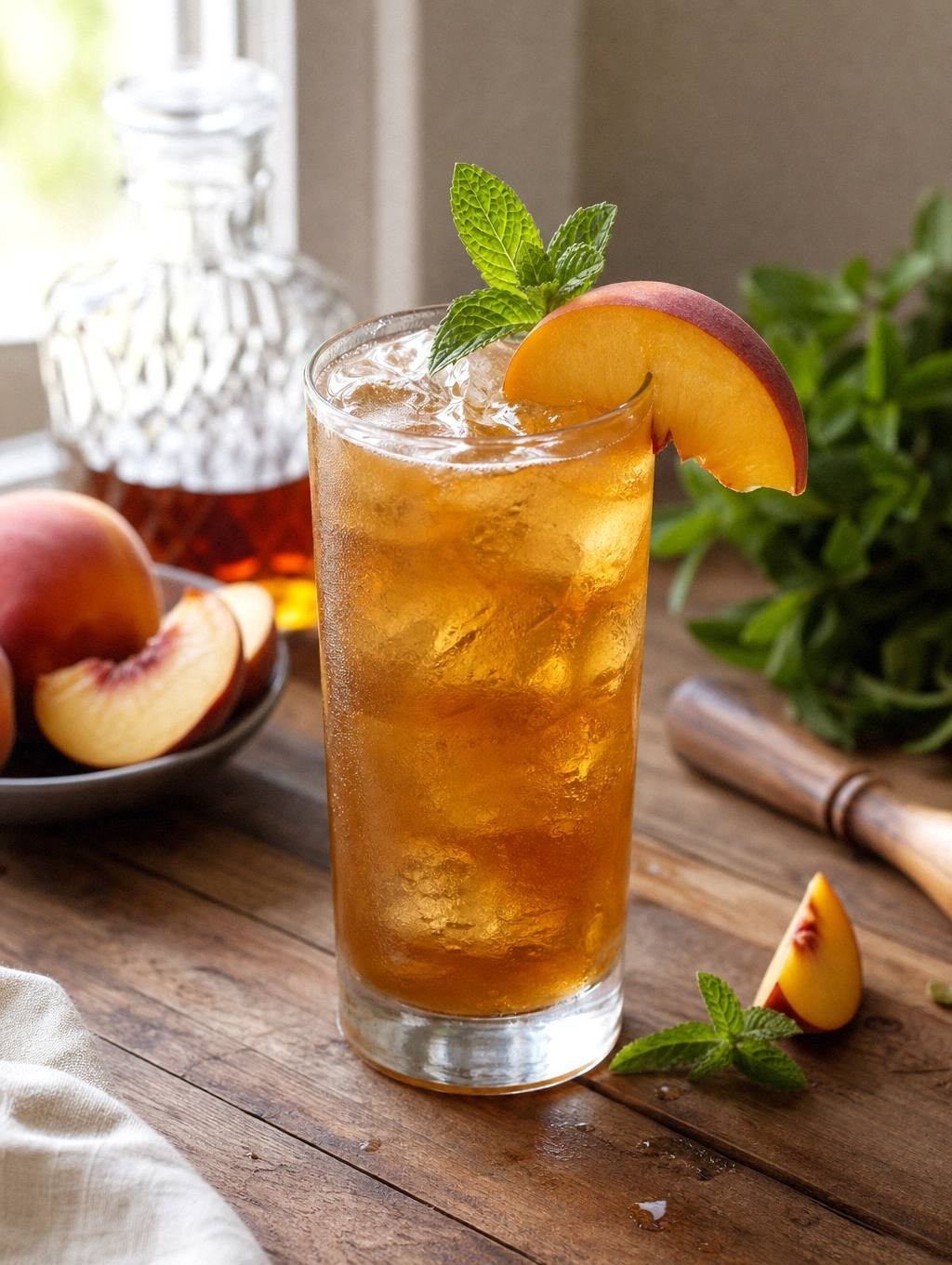
Wine Enthusiast featured a rye whiskey Black-Eyed Susan from Baltimore bartender Brendan Dorr of Dutch Courage. It drops the vodka and lets rye, peach liqueur, orange, lemon, and honey do the work.
For one drink, shake 2 oz rye whiskey, 1/2 oz peach liqueur, 2 oz orange juice, 1/2 oz lemon juice, and 1/4 fluid ounce undiluted honey with ice. Strain into an ice-filled Collins glass. Garnish with a peach slice and mint sprig.
This one tastes less tropical and more Maryland barroom: citrus up front, rye spice underneath, peach rounding the edges. The source specifies honey, not diluted honey syrup. Stir honey into the lemon and orange juice before shaking so it disperses; diluted syrup is a different sweetness.
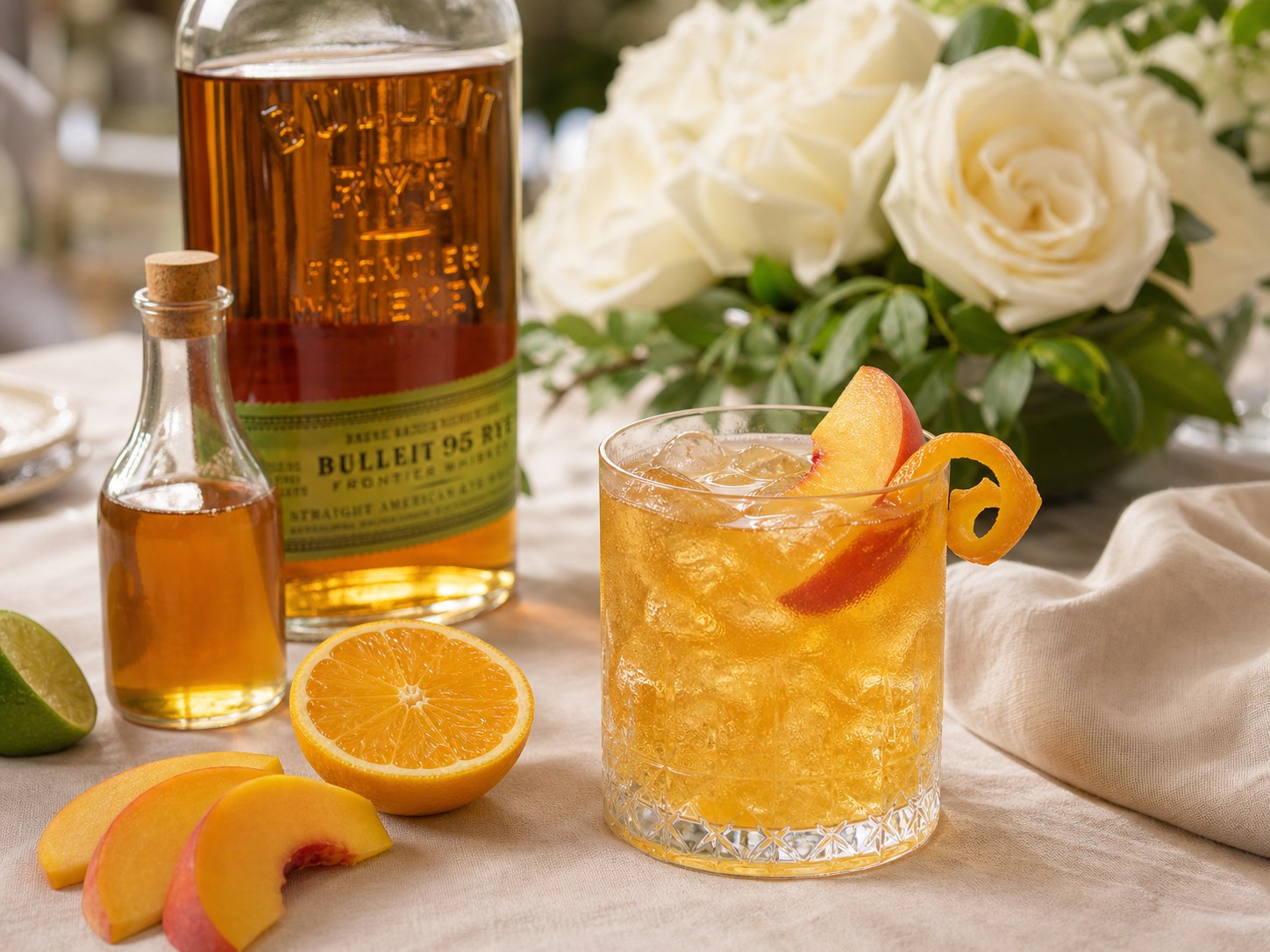
4. Rum and Pineapple Black-Eyed Susan Punch
Older Black-Eyed Susan formulas often include rum, vodka, triple sec, orange juice, and pineapple juice. This version works best when you need a pitcher because the rum and citrus base scales cleanly.
For 10 drinks, combine 1 1/4 cups vodka, 1 1/4 cups light rum, 3/4 cup triple sec, 4 cups pineapple juice, 4 cups orange juice, and 1 tablespoon fresh lime juice in a chilled 4-quart pitcher or punch bowl. Stir well. Serve over ice in tall glasses with orange wheels and cherries. For one glass built around spiced rum, lime and ginger instead of a pitcher for a crowd, see the Root Daiquiri .
The punch contains 90 1/2 fluid ounces before optional additions, ten 9.05-fluid-ounce pours; use 16-fluid-ounce glasses for ice and fruit. This is a house ratio, not a claimed original historical formula. Taste before serving. If the juice is very sweet, add another measured tablespoon of lime juice for the whole batch (91 fluid ounces total). If it tastes too sharp, add 2 fluid ounces prepared simple syrup for the whole batch (92 1/2 fluid ounces total).
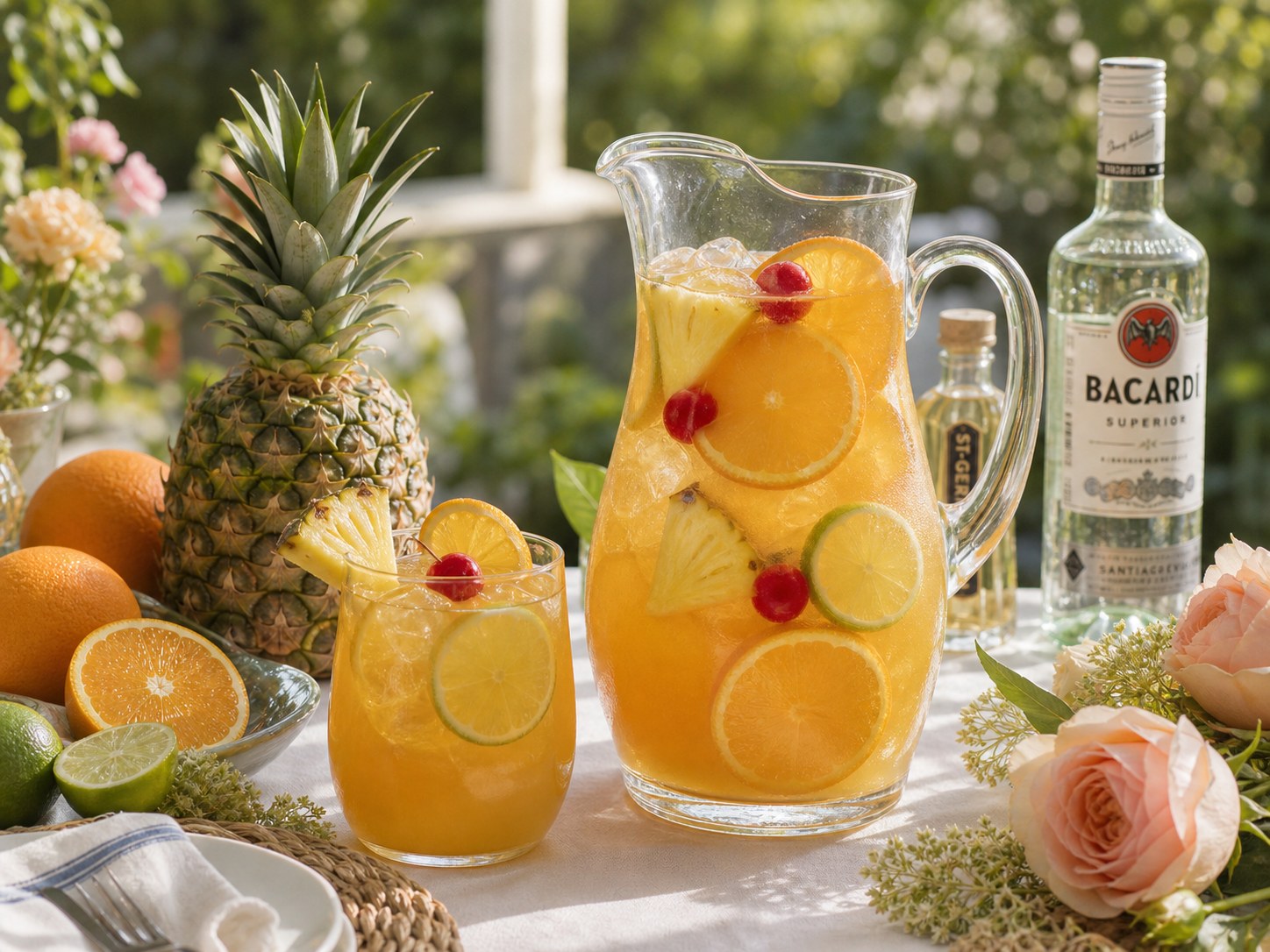
5. Maryland Orange Crush
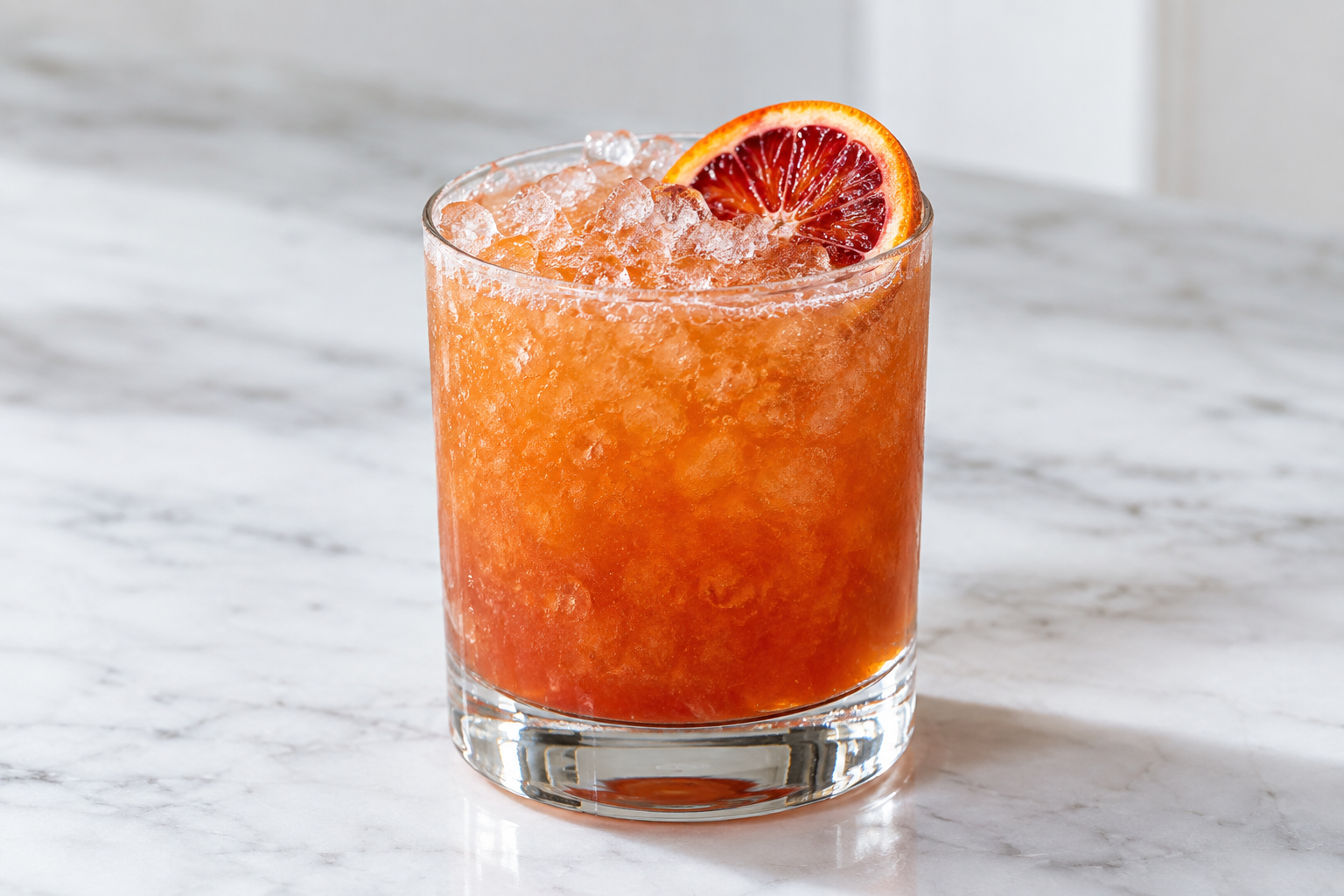
The orange crush is not a Preakness-specific drink, but it is very Maryland. Tasting Table notes the drink is tied to Maryland bar culture and built around fresh-squeezed orange juice, vodka, triple sec, and lemon-lime soda.
For one drink, squeeze 1 to 2 oranges to get about 1/2 cup fresh orange juice. Fill a pint glass with crushed ice. Add 1 1/2 oz vodka, 1 oz triple sec, and the orange juice. Top with 3 oz lemon-lime soda. Stir gently and garnish with an orange wedge.
This is the drink to serve beside crab cakes, salty snacks, and anything outdoors. Fresh juice matters here. Bottled orange juice makes it taste like brunch punch.
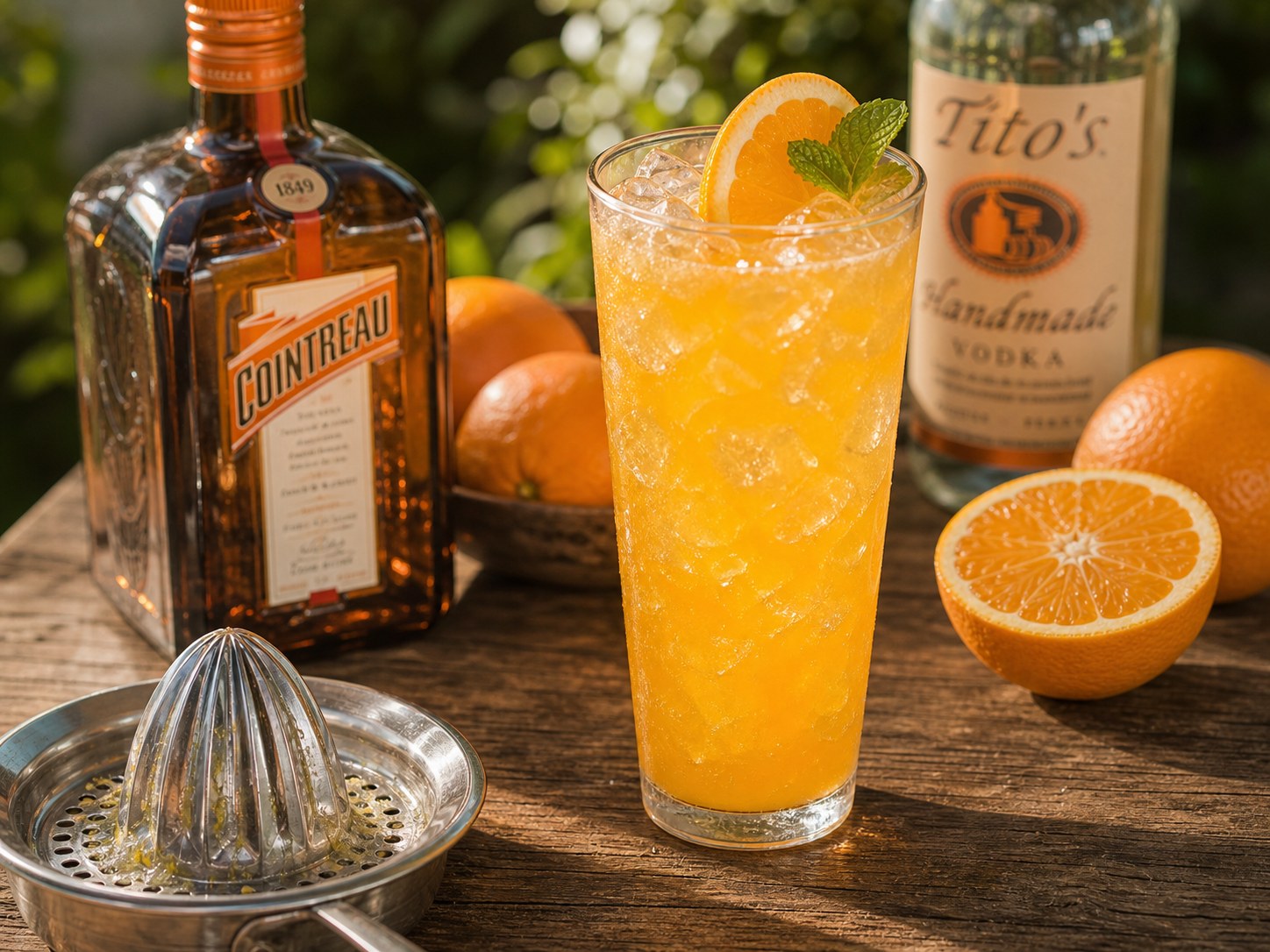
6. Elderflower Hugo Spritz
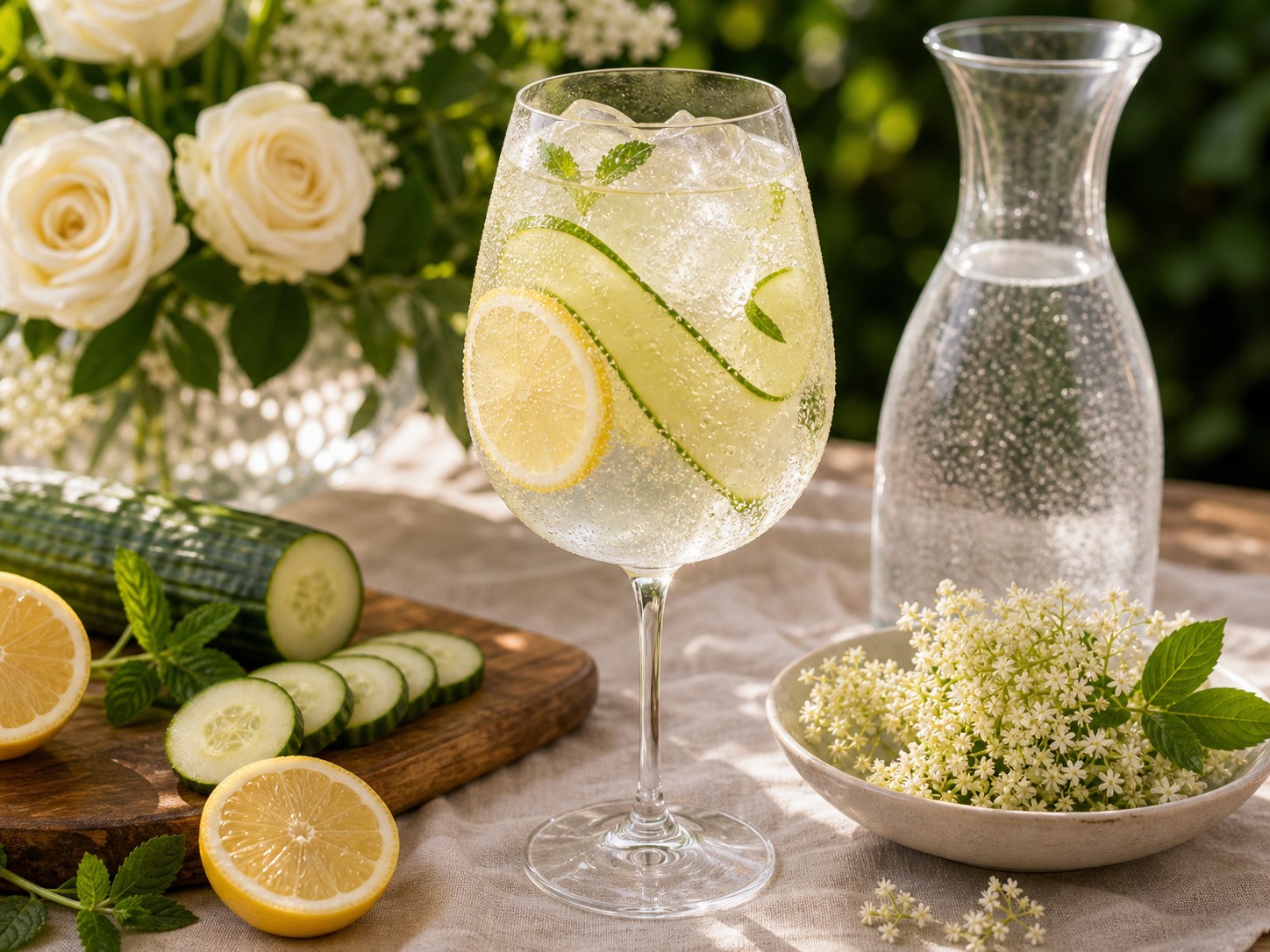
For a lighter option, the Hugo Spritz keeps elderflower in the lineup without the weight of juice. St-Germain’s version uses elderflower liqueur, prosecco, sparkling water, mint, and lime.
For one drink, fill a large wine glass with ice. Add 8 to 10 mint leaves, 1 1/2 oz elderflower liqueur, 2 oz dry prosecco, and 2 oz sparkling water. Stir gently. Garnish with a mint sprig and lime wedge.
Serve this early in the afternoon or for guests who want something floral and sparkling but not as sweet as the Black-Eyed Susan. For a separate alcohol-free floral mixer, see the elderflower cordial preparation . Cordial is a sweet concentrate, not the alcoholic liqueur used here; it is not a direct replacement in this recipe.
7. Alcohol-Free Black-Eyed Susan Spritz
The alcohol-free option should not feel like leftover juice. Feasting Through Time’s Preakness mocktail keeps the Black-Eyed Susan color and fruit profile with orange juice, pineapple juice, tonic water, and peach syrup.
For one drink, combine 1/3 cup orange juice, 1/3 cup pineapple juice, 1/3 cup tonic water, and 1 tablespoon commercially prepared peach drink syrup labeled alcohol-free in an ice-filled glass. Stir gently. Garnish with an orange slice and one blackberry or blueberry.
The tonic water is the useful trick. It adds a bitter edge that keeps the drink from tasting like a kids’ punch, while the peach syrup nods to the older peach schnapps versions.
How to Build the Preakness Drink Table
Make the historical 2015 Black-Eyed Susan as the signature drink, then choose two backups: one stronger bourbon or rye option, and one lighter spritz or alcohol-free option. That gives you range without turning the kitchen into a full bar.
For a crowd, batch only the rum and pineapple punch ahead. Keep anything sparkling separate until serving. Slice oranges, chill juices, prepare the simple syrup or sour mix needed for your selected drink, and set out mint before guests arrive. Do not shake individual drinks until someone orders one, because citrus drinks taste best cold and freshly aerated.
Make Ahead
- Juice oranges and limes the morning of the party and refrigerate them separately.
- Make honey syrup up to 1 week ahead.
- Chill pineapple juice, orange juice, prosecco, tonic water, and soda before serving.
- Batch the rum punch base without ice up to 4 hours ahead.
- Add sparkling water, tonic, soda, and prosecco only when pouring.
Common Questions
Which Black-Eyed Susan formula is this?
The first drink matches America’s Best Racing’s author demonstration of the official 2015 formula. Direct Pimlico recipe routes were inaccessible in this review. That evidence does not establish an official 2026 version; recipes and sponsorships change.
Why are there so many Black-Eyed Susan recipes?
The recipe has changed over time. Some versions use vodka and elderflower. Others include rum, bourbon, peach schnapps, triple sec, sour mix, orange juice, or pineapple juice. That is why this list separates a documented historical version, sourced author recipes and house riffs.
What should I serve for guests who do not drink alcohol?
Make the alcohol-free Black-Eyed Susan spritz. It keeps the same orange, pineapple, and peach profile but uses tonic water for bitterness and structure instead of spirits.
Measures, Timing and Cold Handling
All liquid ounces above mean US fluid ounces, not weight. Each single drink takes about five minutes with prepared chilled ingredients; fresh squeezing, syrup preparation and cooling add time. Standard liquids before ice/shake dilution: historical Susan 5 fluid ounces; bourbon-peach 7; rye-peach 5 1/4; crush 9 1/2; Hugo 5 1/2; mocktail 8 1/2. Use 12-fluid-ounce glasses for smaller singles and at least 16 for bourbon-peach, crush and mocktail with ice. The Hugo goes in a large 16-fluid-ounce wine glass. Top with bubbles gently; never shake prosecco, soda or tonic in a closed shaker.
For a 1:1 simple syrup component heat 1/4 cup sugar and 1/4 cup water until dissolved, cool promptly and refrigerate. Measure output; sugar and water volumes are not additive. Allow about 20-30 minutes including cooling. The rye drink uses undiluted honey and needs no honey-syrup component. The mocktail uses labeled commercial peach syrup, not schnapps or an unspecified homemade peach preserve.
Wash hands and equipment. Rinse produce and culinary herbs under running water before cutting; scrub melons and cucumbers before peeling. Use only correctly identified ingredients grown for food, never florist flowers or plants treated with pesticides unsuitable for food crops. Refrigerate promptly in small clean containers at 40 F (4 C) or below. Discard after more than two cumulative hours without cold holding, or one hour above 90 F (32 C). Do not wait for a large batch to cool on the counter. Normal smell and appearance do not establish safety.
Keep all juice bases cold during any four-hour make-ahead window, rather than four hours on a counter. Serve finished drinks immediately; use bases the same day and freeze extra. An opened commercial mixer follows its label. Garnish produce is rinsed and held cold; use clean scoops for ice. Spirits do not preserve fruit juice. The source Hugo is the US 1 1/2, 2, 2-fluid-ounce formula, not an exact conversion of the different UK 40/60/60 mL recipe. None of these recipes or alcohol levels was physically tested in this audit.
Sources and Review Limits
- Victoria Garofalo: Official 2015 Black-Eyed Susan Demonstration
- Brendan Dorr / Wine Enthusiast: Rye Black-Eyed Susan
- St-Germain US: Hugo Spritz
- Michelle Bottalico: Maryland Orange Crush
- Feasting Through Time: Preakness Mocktail
- Liquor.com: Simple Syrup
- FoodSafety.gov: Four Steps to Food Safety
- FDA: Selecting and Serving Produce Safely