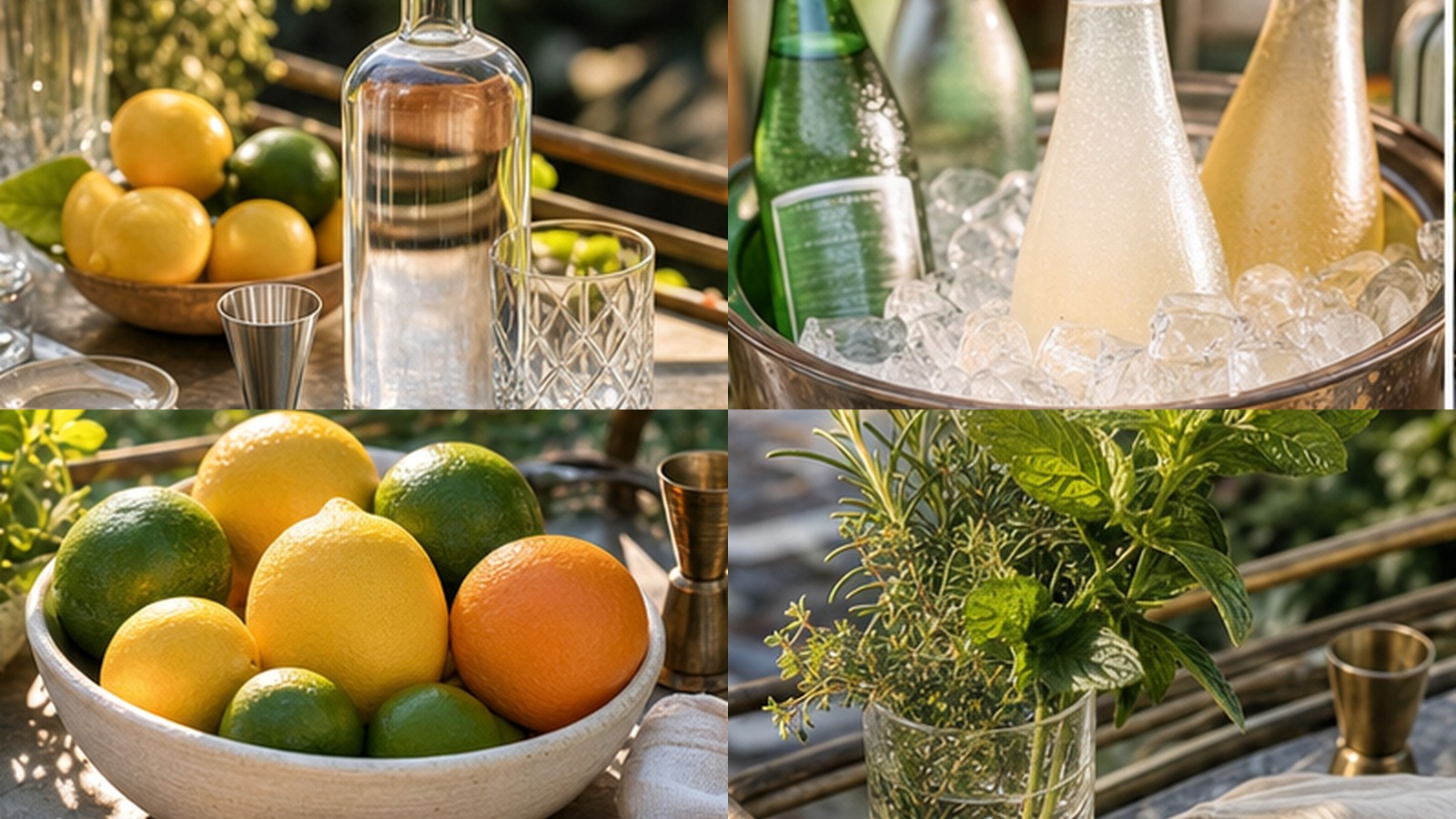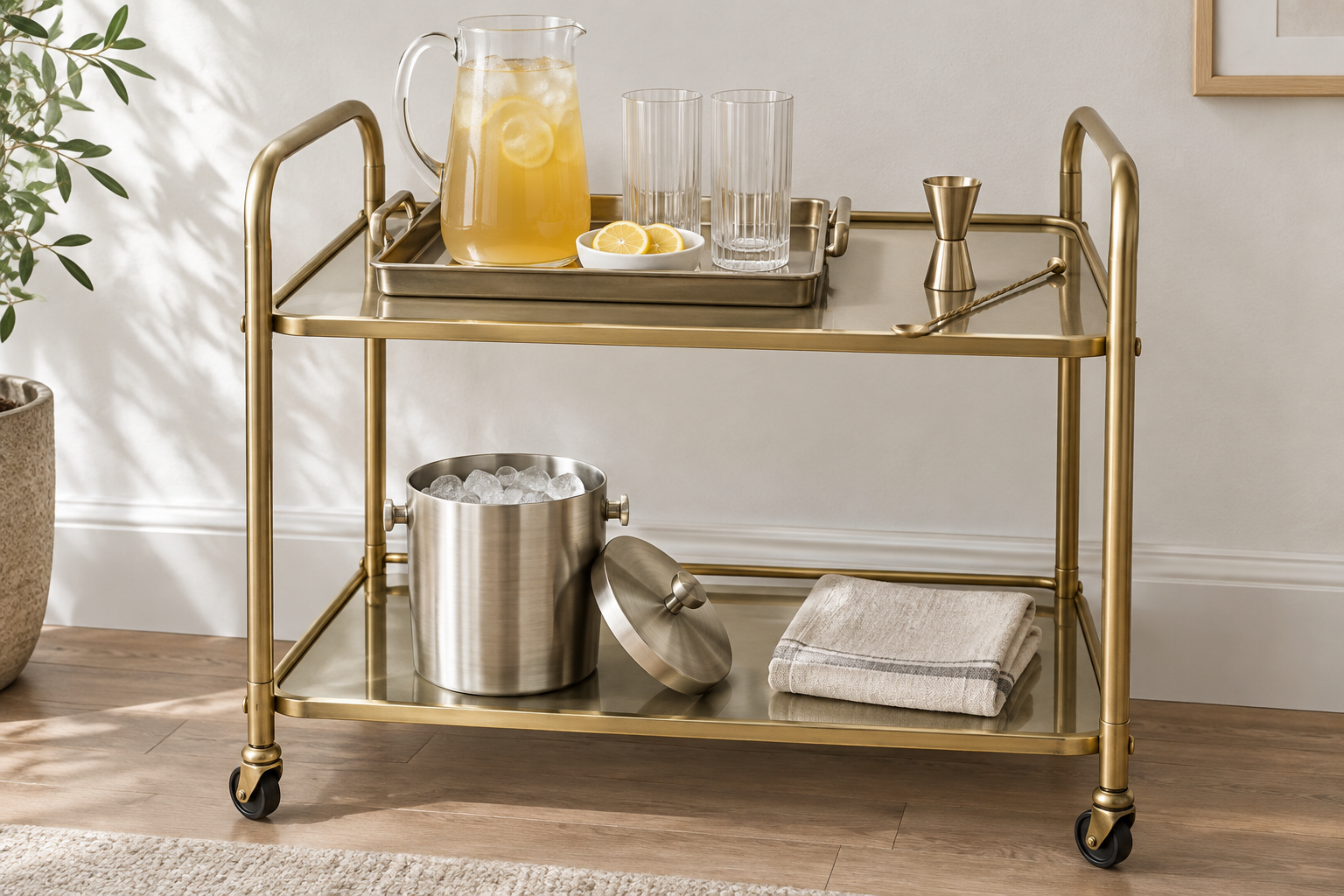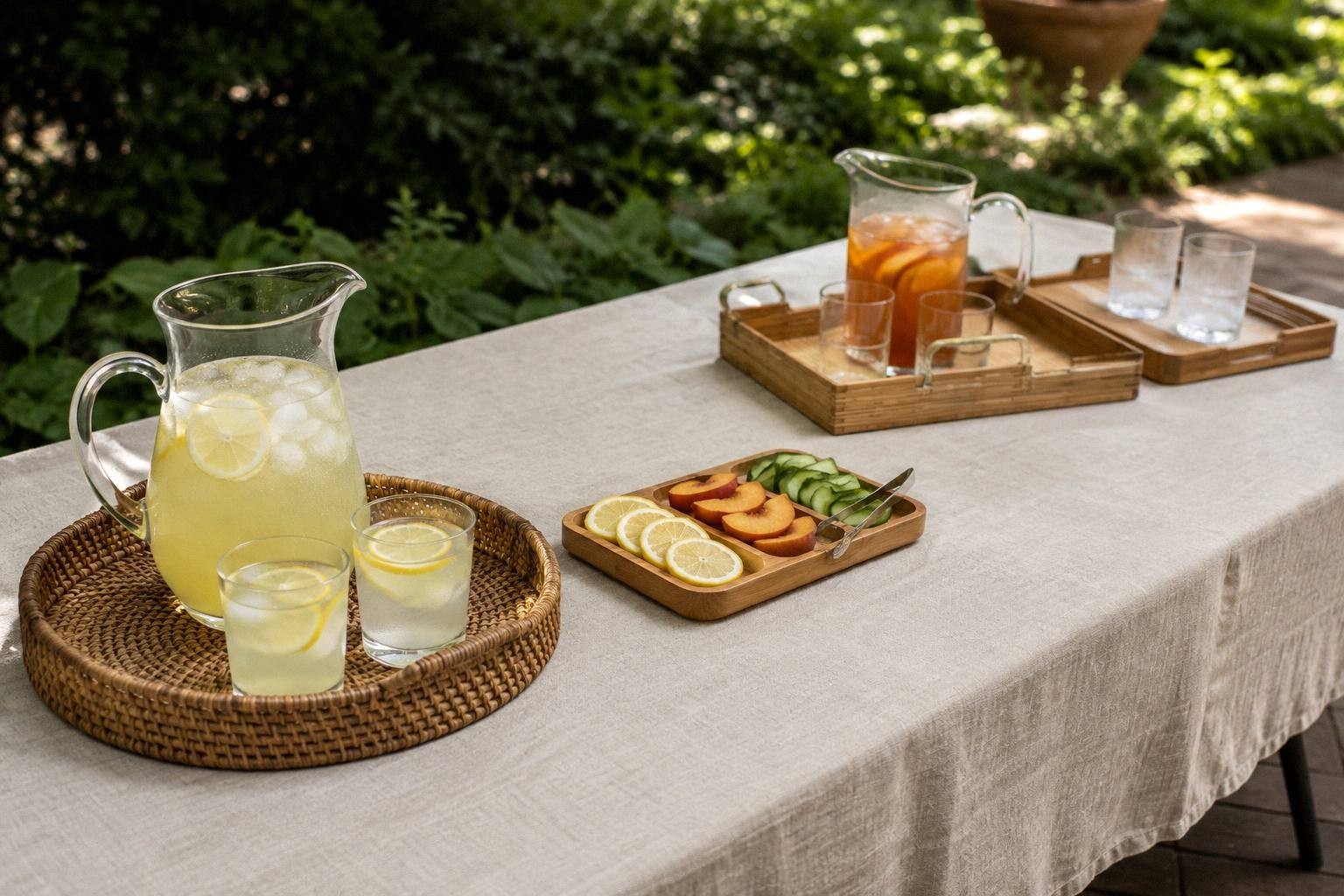
A useful bar cart is not a miniature liquor store. It is a short working path: set down the glass, measure, mix or pour, add ice, and wipe the drip before it reaches the floor.
This post contains affiliate links. If you buy through them, we may earn a commission at no extra cost to you. Product scenes are illustrative, not photos of the exact linked items; confirm the current model, seller, and included parts on each listing.
These eight examples map to common serving jobs, but no cart needs all of them. Start with the parts you lack, confirm the exact seller variant, and stop when your current setup works.
Bar cart essentials checklist: eight useful pieces
| Job | Product | Why it earns the space | Buy or reuse |
|---|---|---|---|
| Contain the working zone | Fibogollo bamboo serving trayPaid Amazon links: we may earn a commission if you buy through links in this article. Disclosure details. | Handles help the useful pieces move together | Reuse a tray or baking sheet first |
| Give every drink one dependable glass | JoyJolt Faye highball glasses | Tall glasses suit water, spritzes, mocktails , and mixed drinks | Buy only if your current glasses are too few or fragile |
| Batch the alcohol-free base | Bivvclaz glass pitcher | One base can serve drinkers and non-drinkers | Use a pitcher you own if it pours cleanly |
| Keep ice off the counter | ChefBee insulated ice bucket | Keeps serving ice near the drink station | Use a clean insulated cooler if it fits |
| Shake citrus drinks | OXO Steel cocktail shaker | Useful when the menu needs shaking and straining | Skip for drinks built directly in a glass |
| Measure without guessing | OXO Steel angled jigger | Makes measured pours easier to repeat | Use a marked measuring cup you own |
| Control bottle pours | Pafusen pour spouts with dust caps | Can help with bottles used during service | Skip unless pours and drips are a real problem |
| Save unfinished bottles | Rabbit bottle stoppers | Closes bottles between rounds | Keep original caps when they work |
This is a functional checklist, not a current popularity ranking. The scenes illustrate each job; open the listing to confirm exact model, dimensions, material, capacity, pack contents, and care. I retain the JoyJolt size because its maker publishes it; capacity and pack counts for the other examples are omitted where I could not verify them on a primary maker page.
Which bar cart essentials should you buy first?
If you are starting from nothing, do not order all eight at once. Buy in the order that fixes your real bottleneck.
- No safe place to pour? Start with the tray.
- Guests keep searching for cups? Buy one everyday glass style.
- You run back to the kitchen for every round? Add the pitcher and ice bucket.
- Drinks taste different every time? Add the jigger.
- You make shaken drinks often? Add the shaker.
- Bottles drip or go flat between gatherings? Add pour spouts and stoppers.
1. Serving tray: Fibogollo bamboo tray with metal handles
The tray is the boundary of the working bar. Put the jigger, pour spouts, folded towel, and one active bottle on it. Leave the glasses and ice beside it so guests are not reaching over tools.
This one is a sensible match because the handles make it useful beyond display. It can carry empty glasses outside, collect sticky tools after the party, or move the whole mocktail setup from kitchen to patio.
Buy it if: your current setup spreads across a counter or you regularly move drinks outdoors.
Skip it if: you already own a rimmed baking sheet or handled breakfast tray. A tray you own is the easiest money-saving substitute in this entire list.
2. Highball glasses: JoyJolt Faye
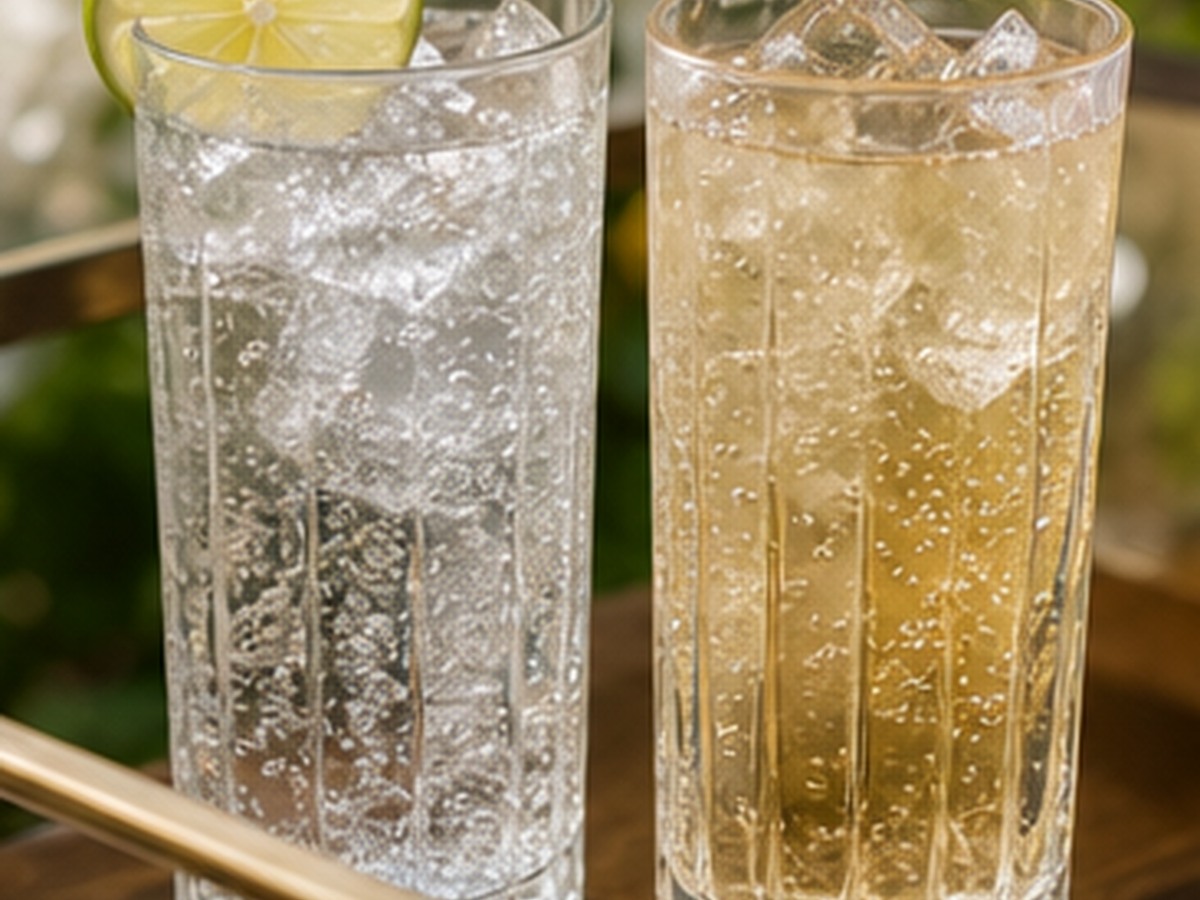
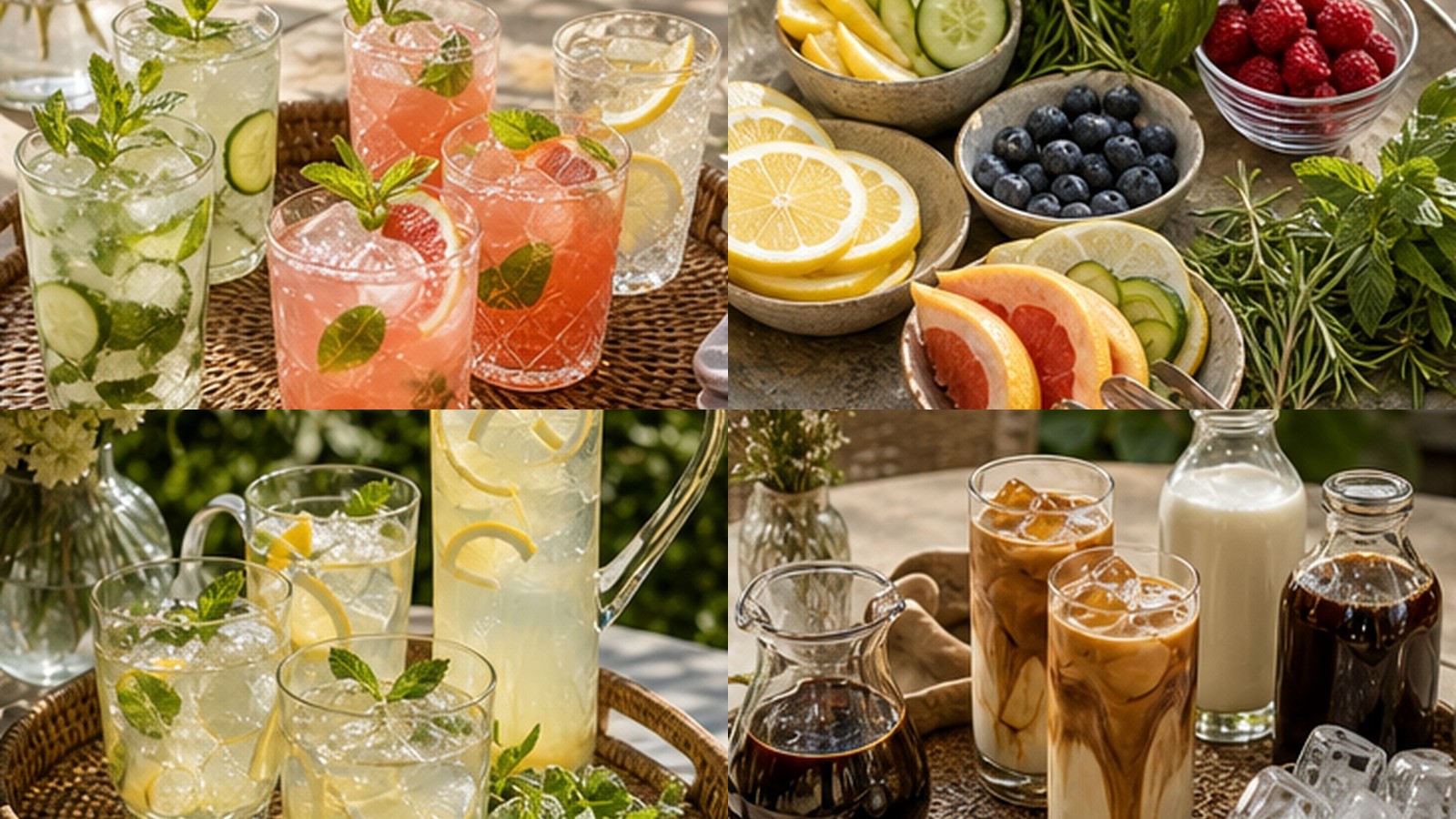
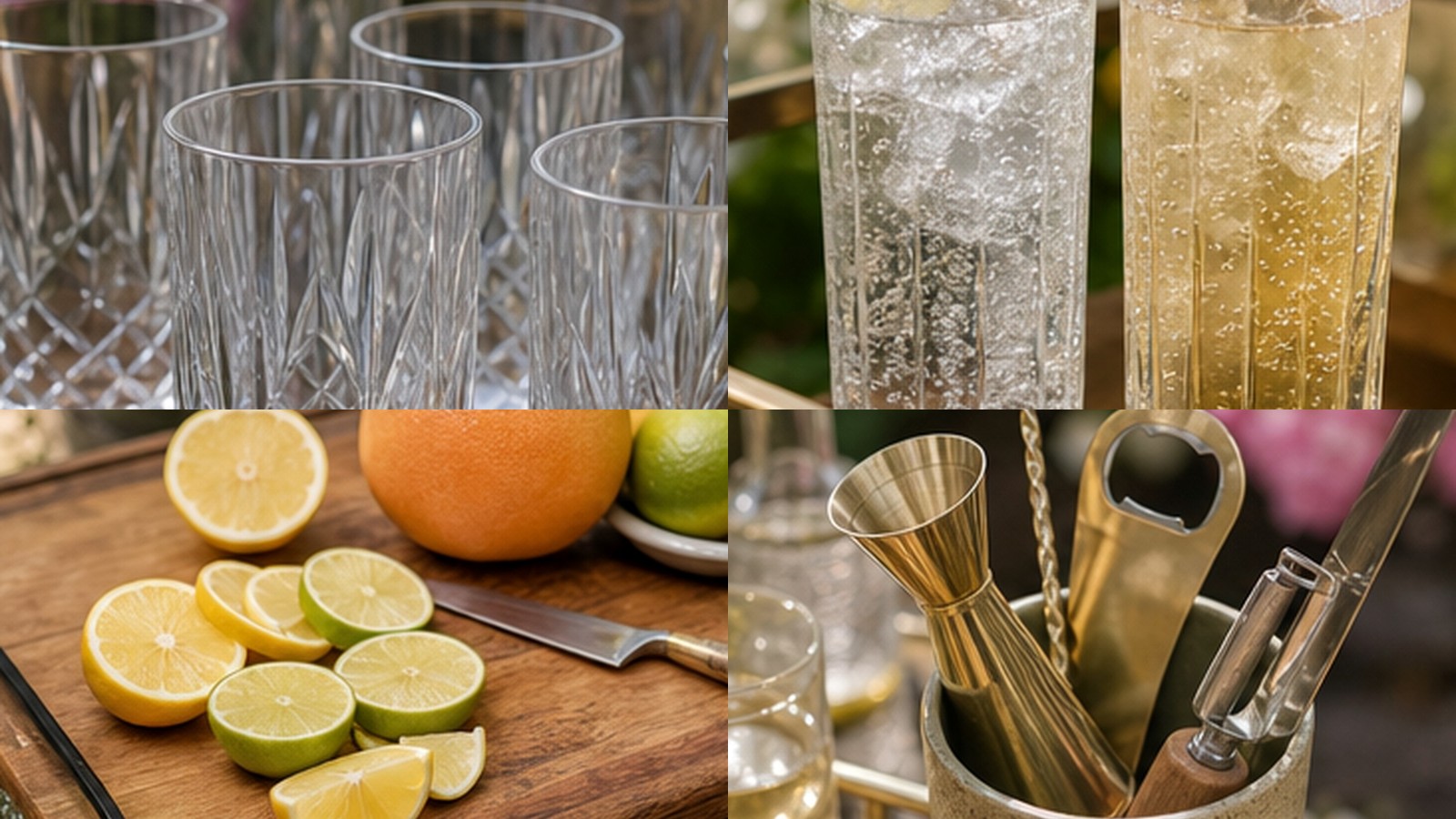
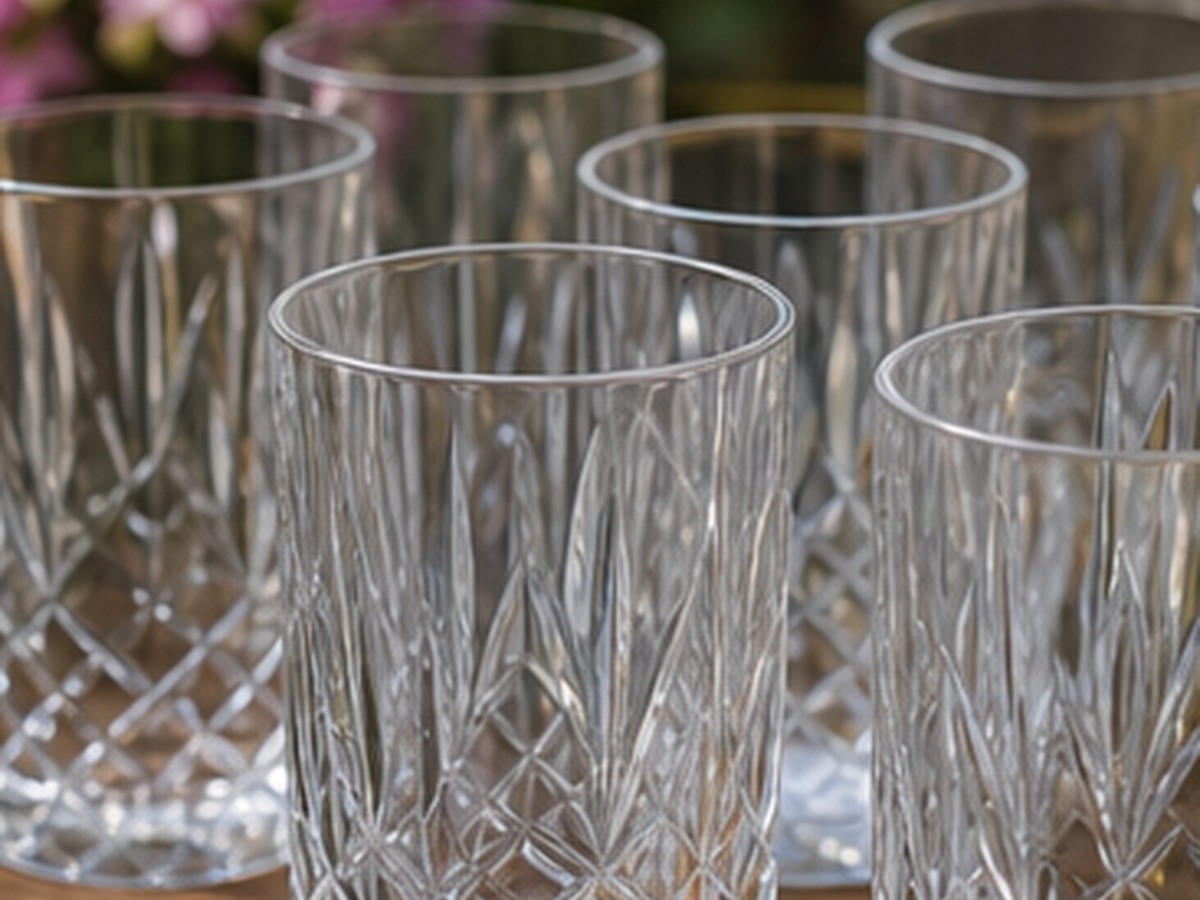
One repeatable glass style makes a small cart look calmer and can cover several drinks. JoyJolt lists the Faye as a 13-ounce, lead-free glass sold in a dishwasher-safe set of six ; confirm that the live seller listing matches the Faye 13-ounce version. Compare the glass’s stated capacity with your drink and ice so the first pour leaves room at the top. A highball handles sparkling water, iced tea , a Collins, a fruit spritz, and many tall mocktails.
Buy it if: you need one glass that can cover the whole menu.
Skip it if: you already have six sturdy tumblers of roughly the same height. Matching function matters more than matching brand.
3. Glass pitcher: Bivvclaz pitcher
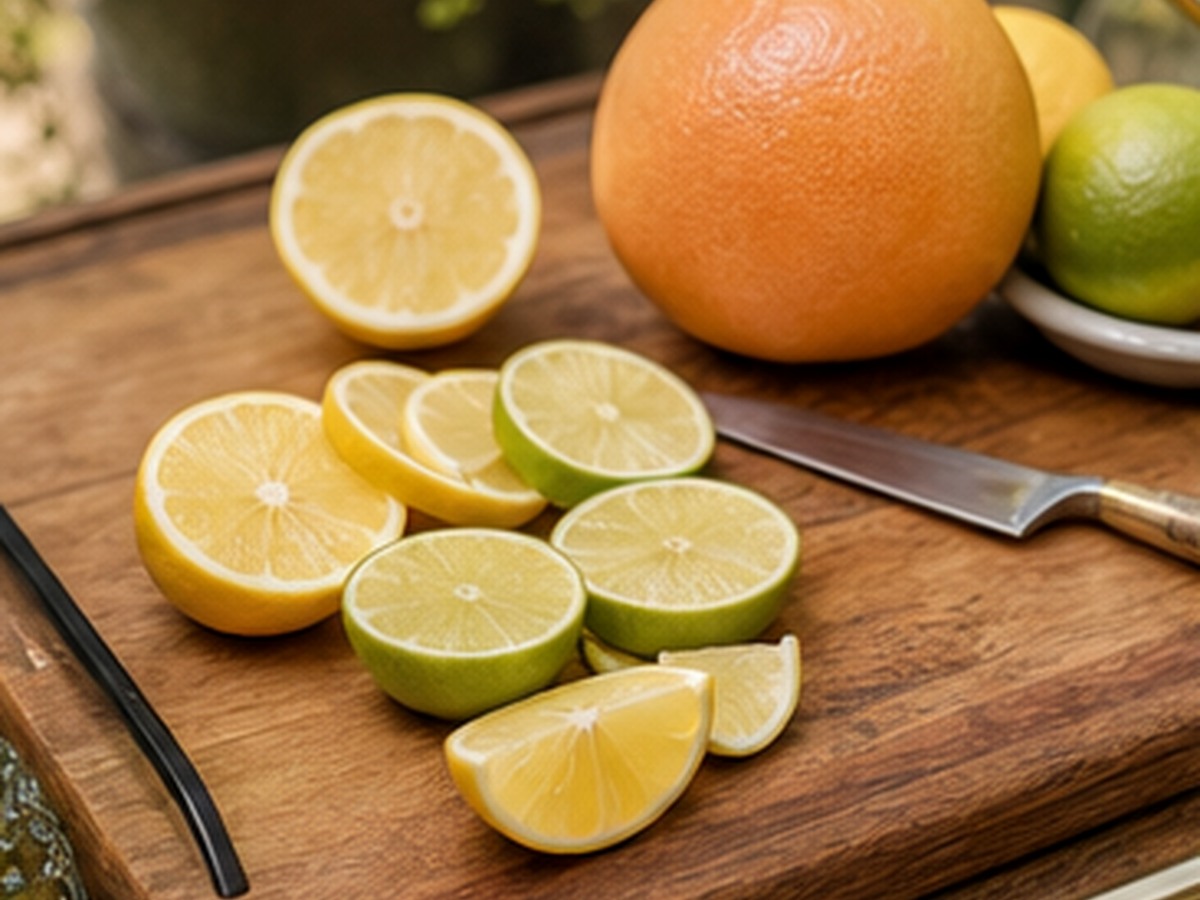
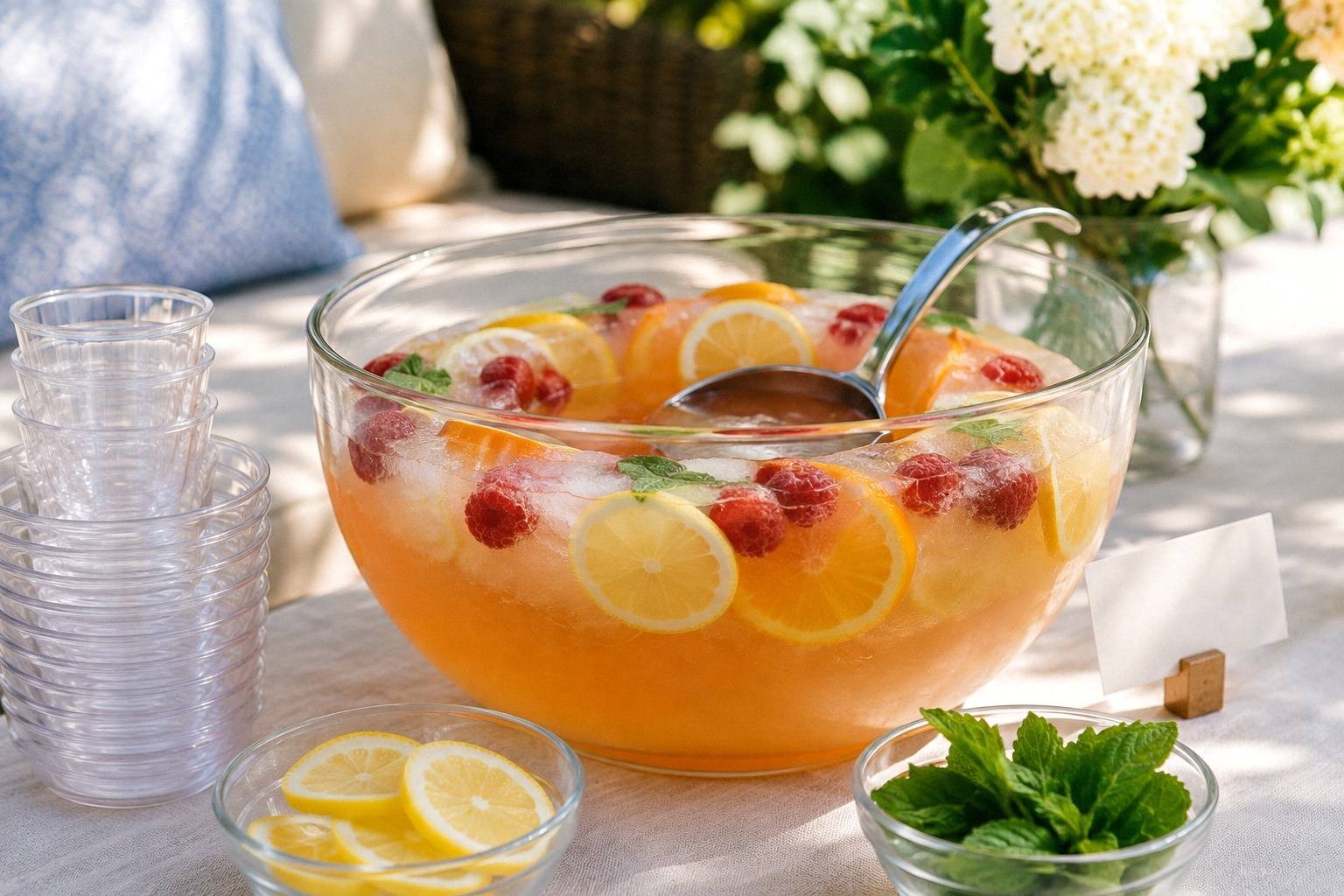
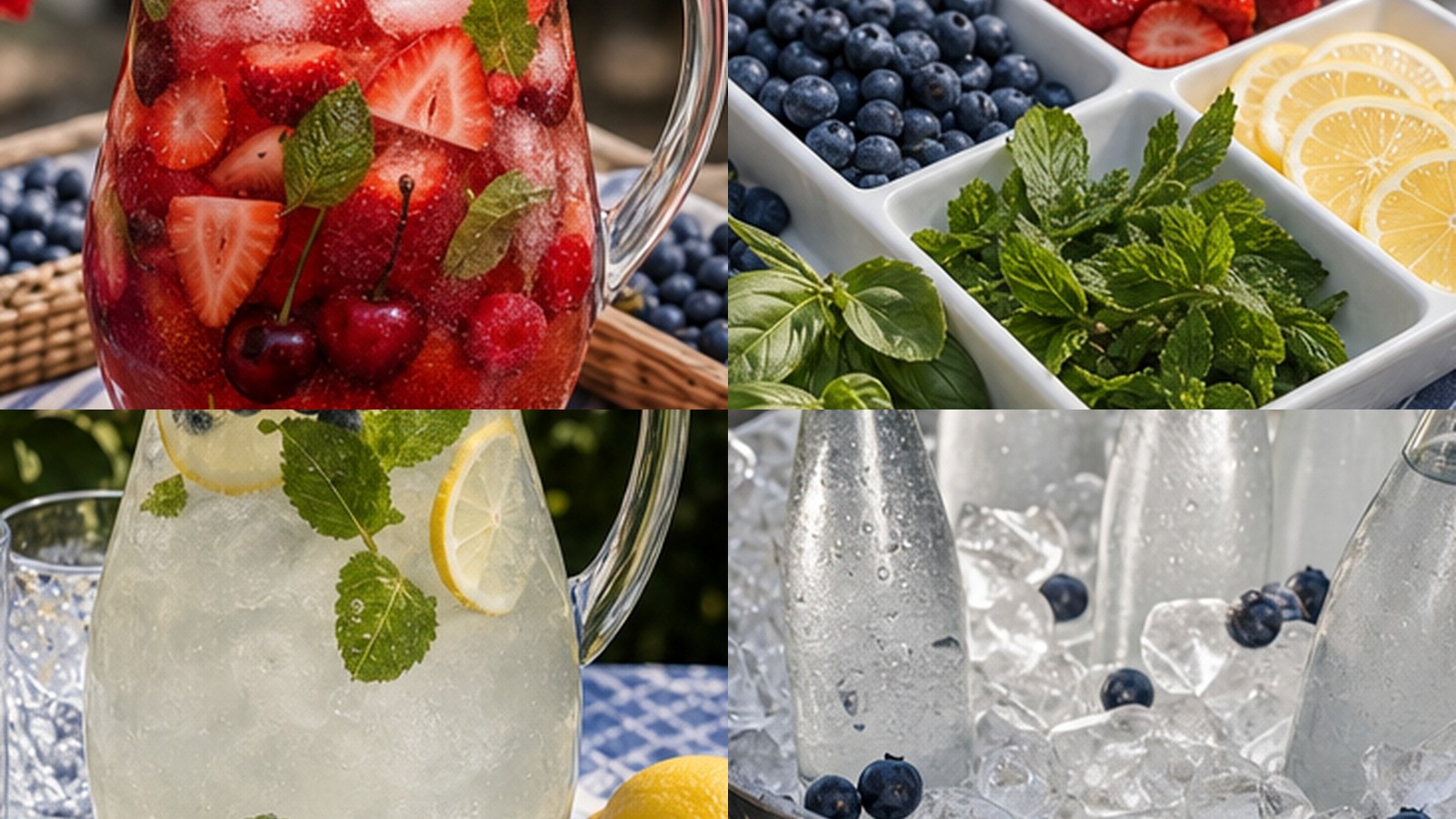
The smartest batch is usually the part everyone can drink: tea, lemonade, citrus water, or an alcohol-free spritz base. Guests who want a cocktail can add a measured spirit to their own glass. Everyone else gets the same thoughtful drink without a separate second-class option.
A clear pitcher helps guests see what is inside. If the chosen model includes a lid that fits securely, use it to cover the batch outdoors; check capacity, lid fit, and care on the live listing. Keep a small label beside it if ingredients or allergens are not obvious.
Buy it if: you host more than four people or serve both cocktails and mocktails.
Skip it if: you already own a clean-pouring pitcher. Capacity and drip control matter more than a new silhouette.
4. Insulated ice bucket: ChefBee insulated bucket
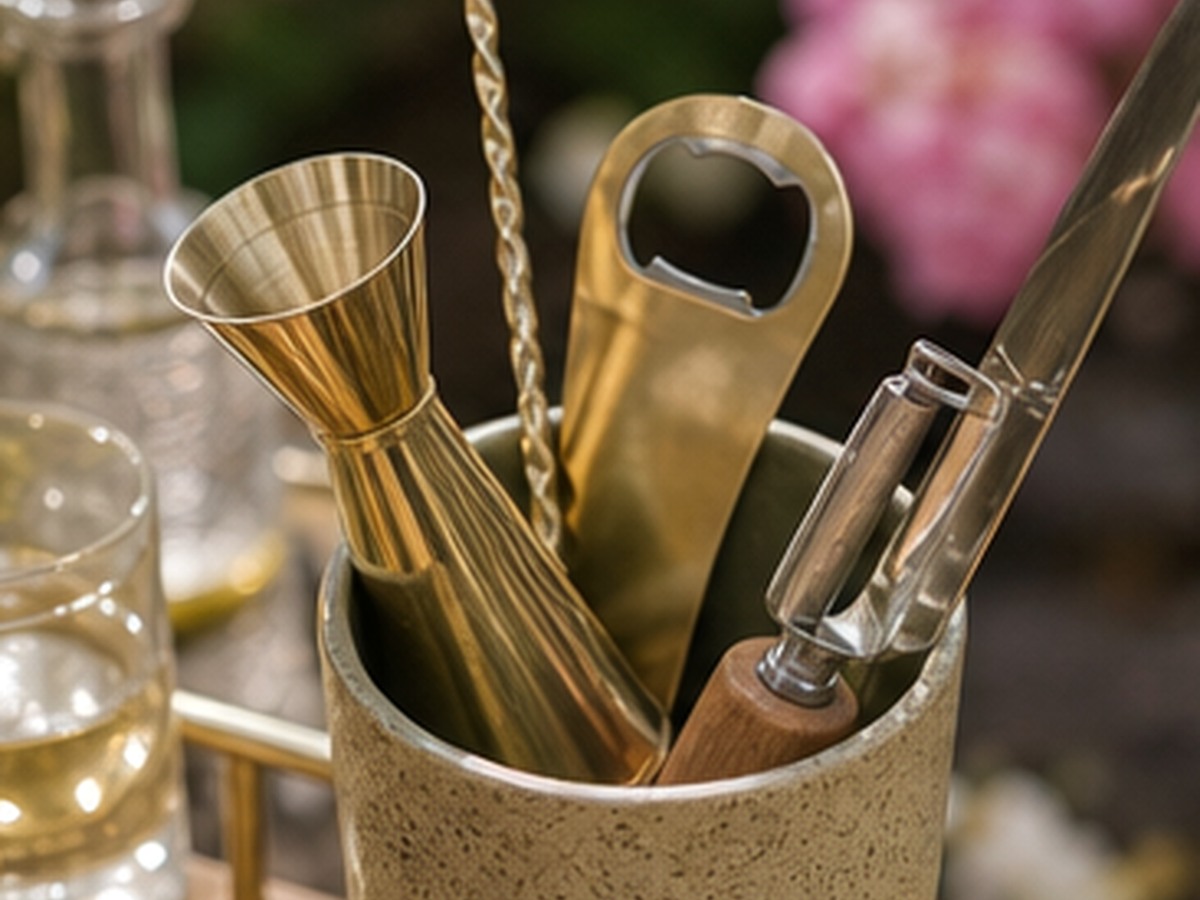
An insulated bucket can keep the working ice near the drinks. Check the listing for the exact capacity, included accessories, and care instructions; use a clean scoop or tongs and keep backup ice in the freezer until needed. We have not measured how long this model retains ice.
Buy it if: guests repeatedly walk through the kitchen for ice or your outdoor ice melts too quickly.
Skip it if: a small insulated cooler already fits beside the cart. A clean scoop is more important than a photogenic bucket.
5. Cocktail shaker: OXO Steel single-wall shaker
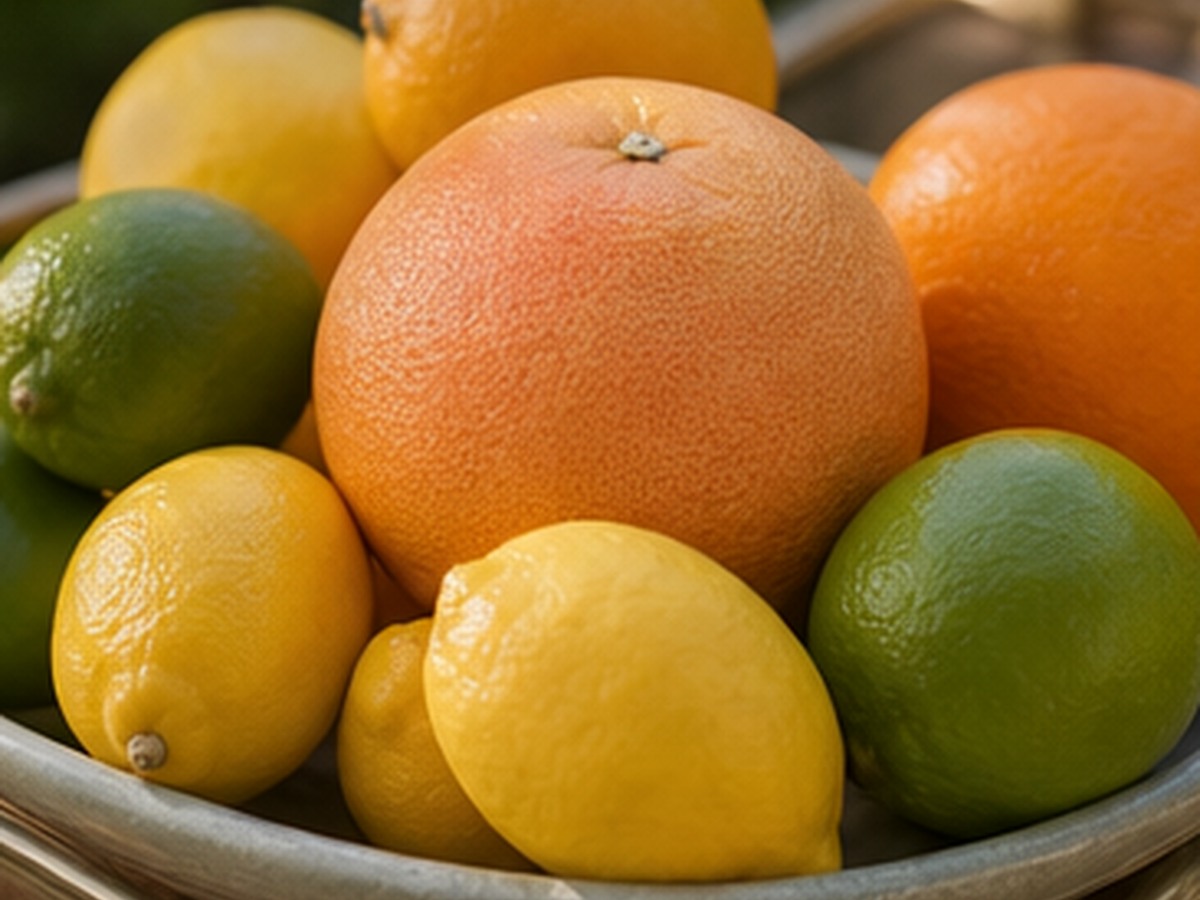
A shaker earns its place when the menu includes citrus, juice, cream, egg white, or another ingredient that needs more than a quick stir. It does not need to live on the cart for a wine-and-spritz party.
OXO lists this single-wall stainless shaker at 18 ounces and 3.5 by 3.5 by 9.5 inches. It has two silicone gaskets, a built-in strainer, a measuring cap, and is dishwasher-safe, according to the maker’s product page . Check the linked seller page to confirm the same model is offered. This is a focused choice instead of a 20-piece kit.
Buy it if: you make shaken drinks at least a few times a month.
Skip it if: your regular drinks are built in the glass. For a shaken recipe, use a purpose-built cocktail shaker with an intact, tight-fitting lid. Do not shake hot or carbonated drinks in a sealed container. If you do not own a shaker, choose a recipe designed for stirring or direct service.
6. Measuring jigger: OXO Steel angled jigger
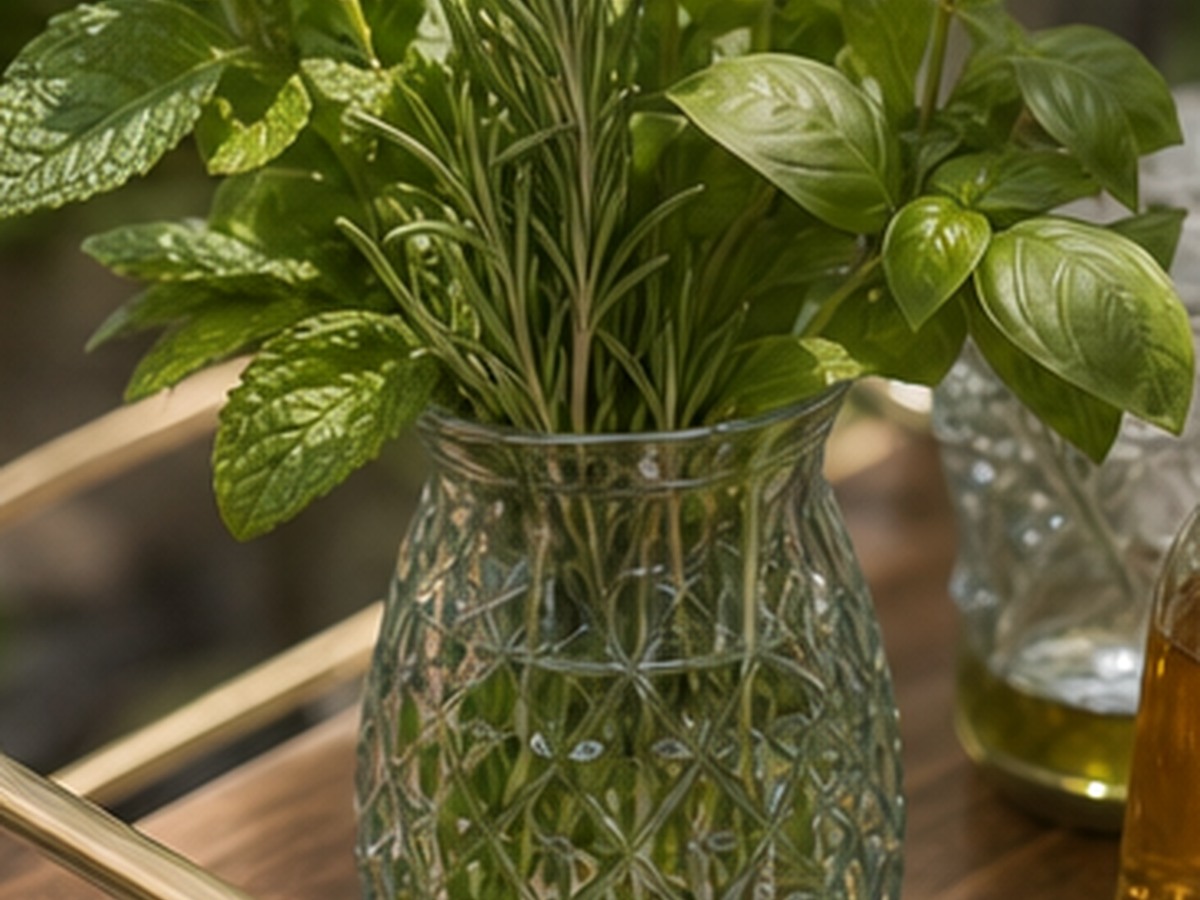
The jigger is the small tool that changes the most. Measuring gives a cocktail balance, keeps a mocktail syrup from becoming cloying, and tells you how many servings a bottle will actually make.
OXO says the angled markings can be read from above and include ounces and tablespoons; the stainless jigger is dishwasher-safe. See the maker’s product details . The viewing angle may help when measuring directly into a glass or shaker. Use it only for the quantities its markings support.
Buy it if: your drinks taste different from one round to the next.
Skip it if: you already use a small liquid measuring cup with clear ounce markings. Accuracy is the job; the bar-tool shape is optional.
7. Bottle pour spouts: Pafusen spouts with dust caps
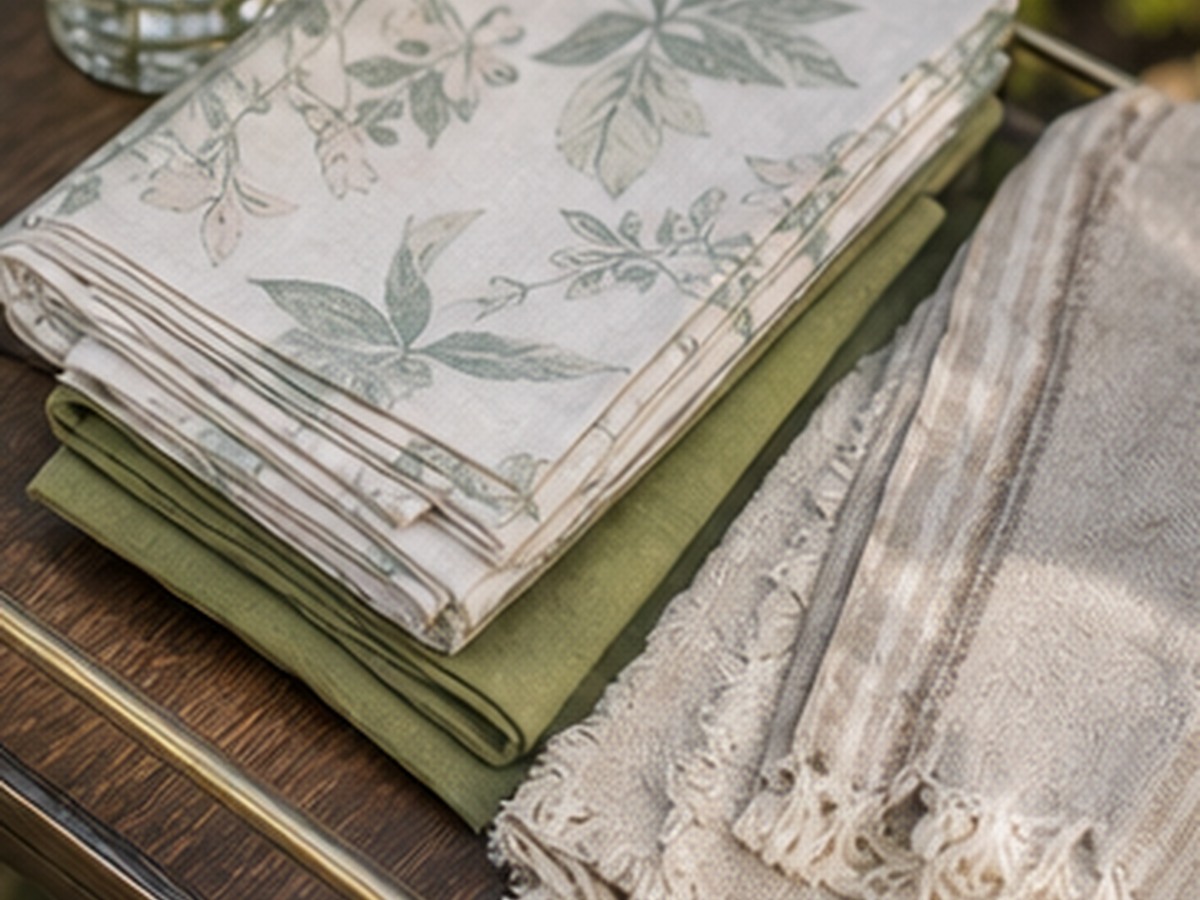
Pour spouts are useful on the two or three bottles being used that day, not every bottle you own. They reduce glugging, make a measured pour easier, and keep syrup from running down the side of the bottle.
Wash and dry them after each gathering. Do not leave an open pour spout on a bottle for long-term storage, and use the dust caps between rounds.
Buy it if: sticky bottle rings and accidental heavy pours are a recurring problem.
Skip it if: you open only one bottle at a time and pour neatly from the original cap.
8. Bottle stoppers: Rabbit stoppers
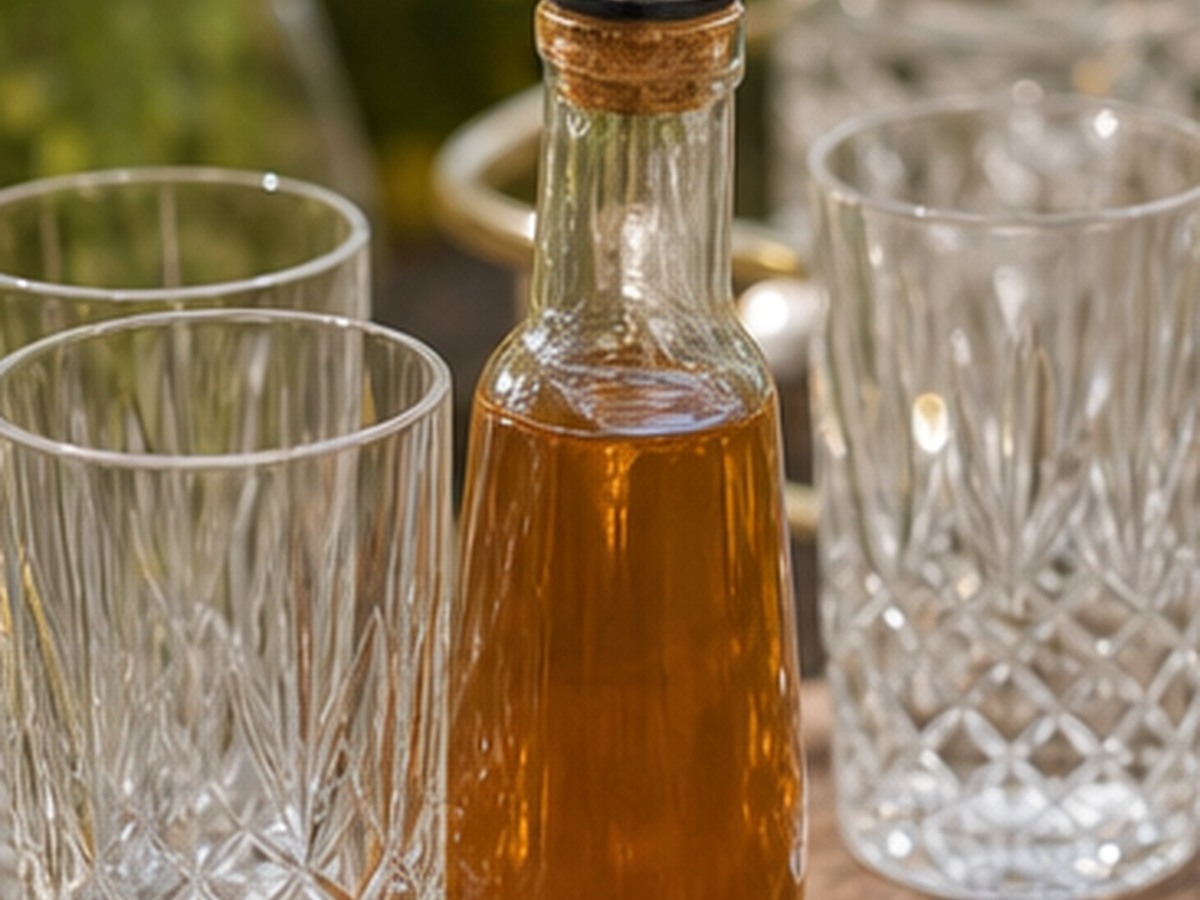
The last useful step is closing what did not get finished. Reusable stoppers help with still wine, mixer bottles, and homemade syrup containers whose original cap has disappeared into the party.
They are not a substitute for refrigeration or a pressure-rated sparkling-wine stopper. Refrigerate perishable mixers and syrups promptly, and use the correct closure for carbonated bottles.
Buy it if: half-used bottles regularly end the night covered with foil or plastic wrap.
Skip it if: every bottle already has a reliable cap. This is a problem-solver, not mandatory decor.
The cart layout that keeps traffic moving
| Zone | Place it here | Why |
|---|---|---|
| Glasses | Front left or at the start of the table | Guests begin with an obvious first step |
| Pitcher | Center, on or beside the tray | The heaviest item stays stable and visible |
| Ice bucket | Beside the pitcher, never behind it | Guests do not reach across bottles with tongs |
| Jigger and shaker | On the working tray | Small tools stay contained |
| Pour spouts | Only on the active bottles | The cart does not become a forest of open containers |
| Bottle stoppers | In one dry cup or drawer | They stay clean until the end of the night |
Buy-first priority for a new setup
Three realistic budgets
| Budget | Keep | Add |
|---|---|---|
| Spend nothing | Existing glasses, pitcher, baking sheet, measuring cup, cooler | A folded towel and a clear setup order |
| Fix one bottleneck | Everything that already works | The one product that stops kitchen trips, spills, or inconsistent pours |
| Build the full working cart | Any functional substitute you own | Add the missing pieces one at a time after each gathering |
The least expensive bar cart is the one that does not make you rebuy tools. Start with the jobs your current setup fails, then stop shopping when the drinks become easy to build.
What to skip when stocking a bar cart
- A giant tool kit before you know which drinks you make
- Delicate specialty glasses for only one recipe
- More bottles just to fill an empty shelf
- A tray without a rim or safe handhold
- Decorative garnish that creates food waste
- Duplicate shakers, jiggers, or openers in different finishes
- A new cart when a small table or kitchen trolley already works
Bar cart essentials questions
Do I need alcohol on a bar cart?
No. A pitcher base, sparkling water, citrus, measured syrup, ice, and sturdy glasses make a complete mocktail cart. Spirits can stay separate so every guest starts with the same alcohol-free option.
Should the cart stay stocked all week?
Keep only dry, clean pieces on it between gatherings. Refrigerate opened mixers, juice, syrups, wine, and cut garnish. Empty and dry the ice bucket before storage.
Is a bar cart better than a drink table?
Only when the wheels, shelves, or small footprint solve a space problem. A stable table is often easier for a larger party. The eight products in this guide work on either one.
Which item saves the most money?
No tool guarantees savings. A jigger is useful when you need repeatable measured pours; if you already own a marked measuring cup, keep using it. The surest way to avoid duplicate purchases is to start with the glasses, pitcher, and tray you already have.
The short version
Contain the working pieces, use one dependable glass, batch the alcohol-free base, keep ice nearby, and measure every concentrated ingredient. Add the shaker, pour spouts, and stoppers only when they solve a problem you have already seen. That is how eight products become a working bar cart instead of eight more things to dust.