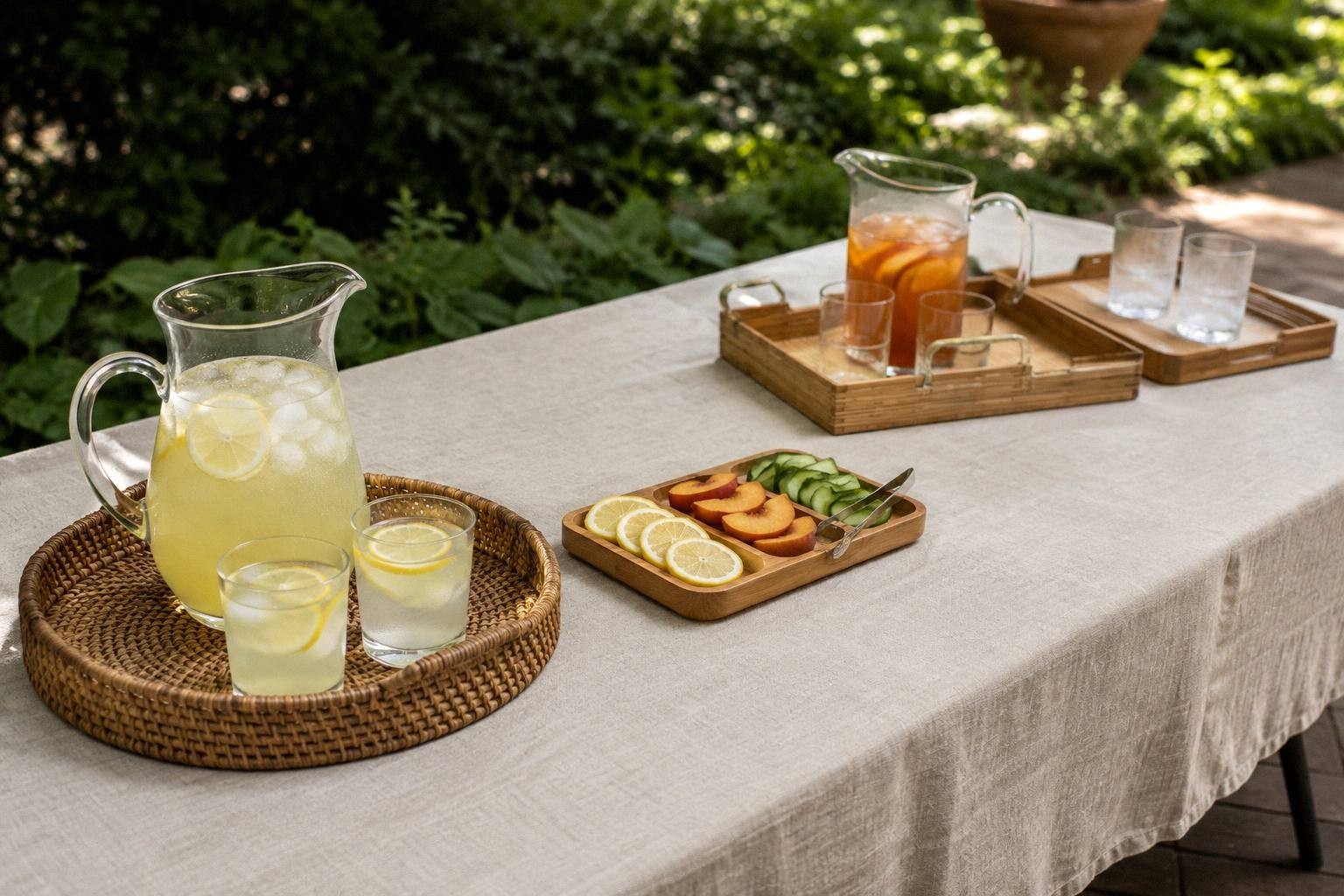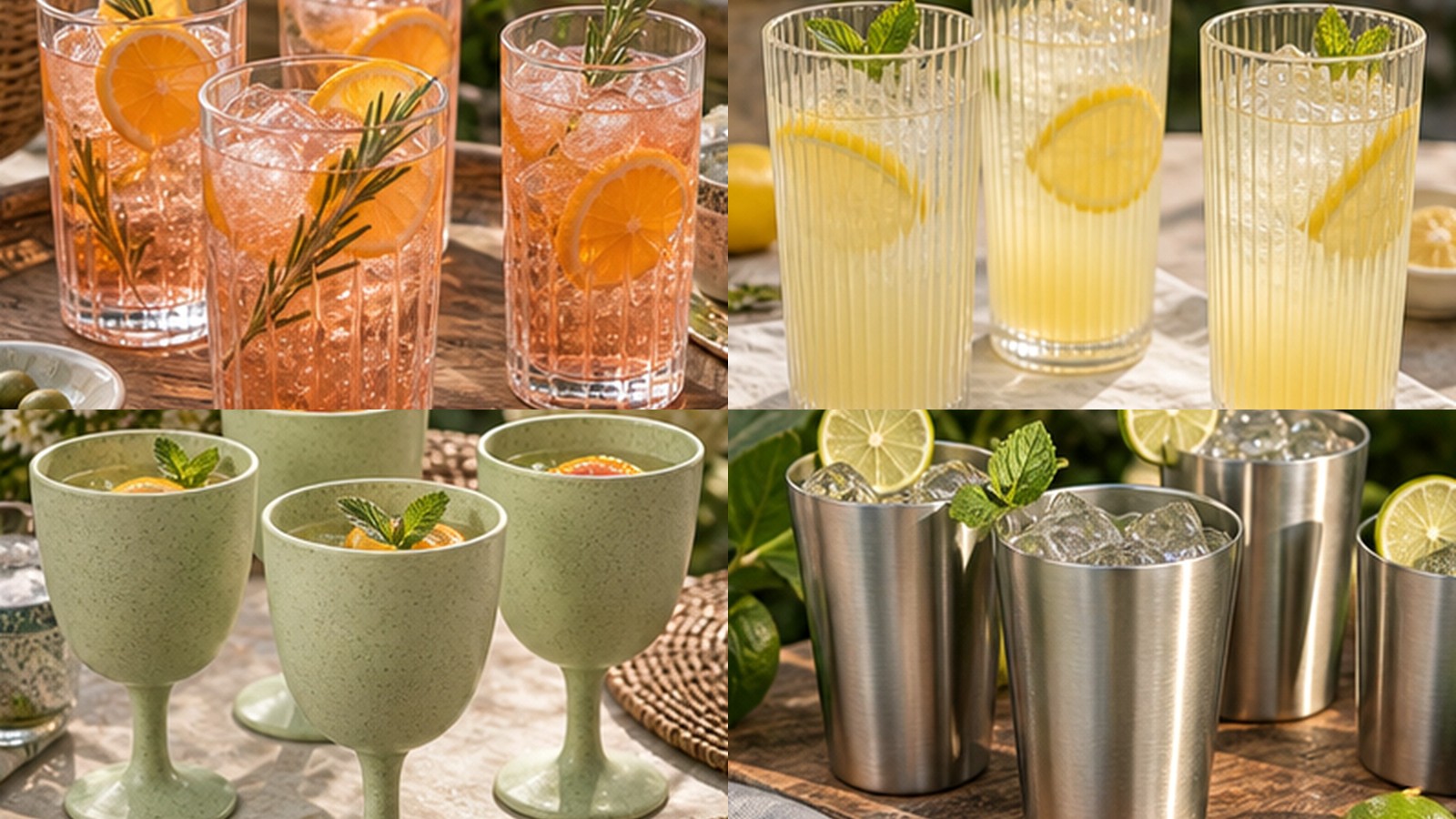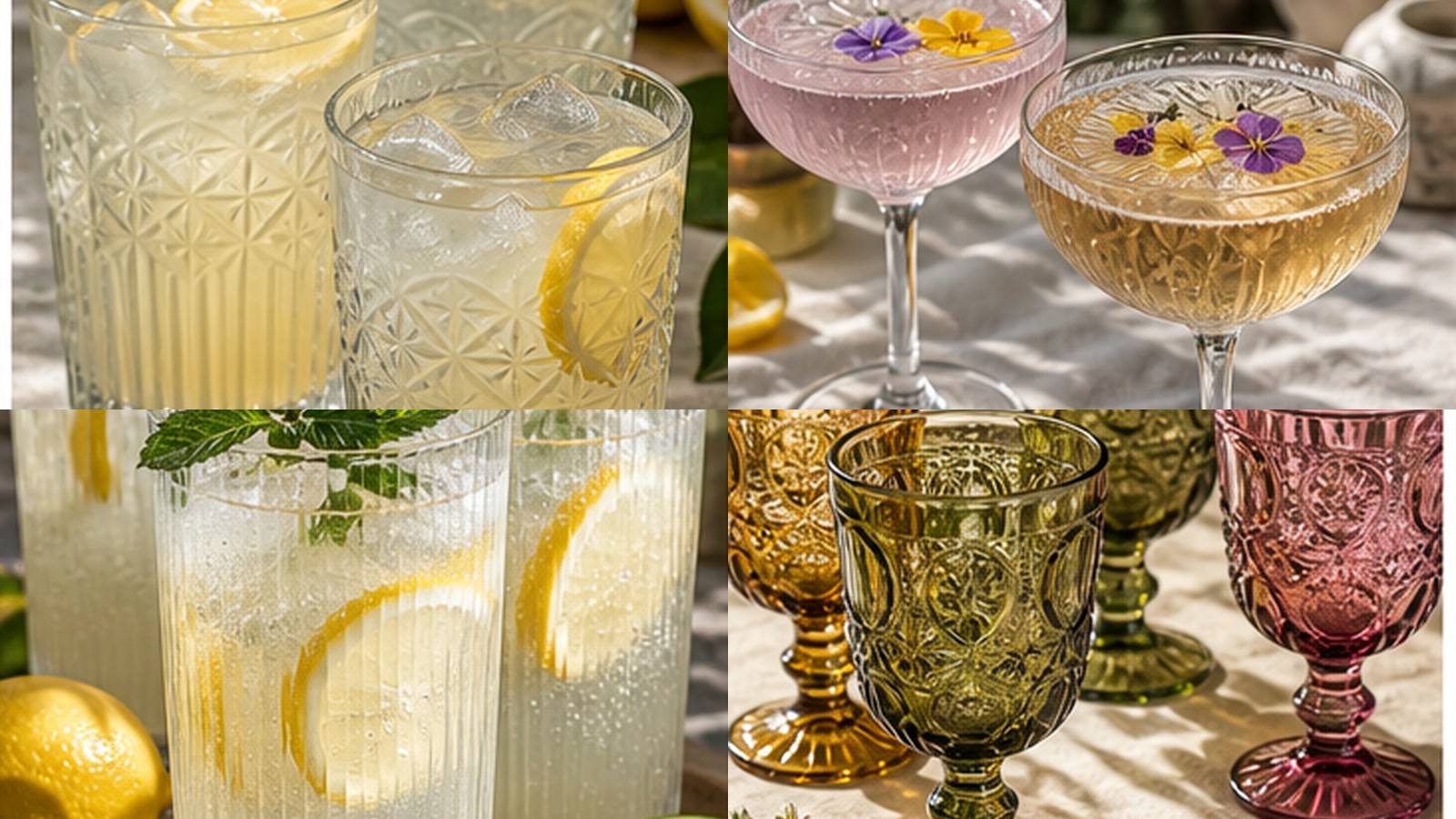
The best pitcher depends on the batch and where you will serve it. This guide compares eight styles by practical tradeoffs: usable capacity, fridge fit, pouring, cleaning, and whether you need to carry the drink outdoors.
This page contains affiliate links. As an Amazon Associate I earn from qualifying purchases.
Quick answer
Start with the batch volume and serving location, then compare how each style handles pouring, storage, and cleanup. The eight choices below are style examples rather than hands-on product rankings; verify model-specific capacity, materials, care, and dimensions on the maker’s current page before buying.
Pitcher buying checklist
- Clean-pouring spout
- Capacity for the finished batch plus planned refills
- Comfortable handle with a full pitcher
- Wide mouth for ice
- Stable base and a lid suited to storage or transport
- Easy washing
- Matches the drink type
Choose a pitcher before you buy
For indoor lemonade or a strained mocktail base, start with a lidded pitcher that fits your fridge shelf with the lid on. For a patio or poolside table where breakage is a concern, consider a non-glass pitcher and check the maker’s material and care information. If the drink needs to stay cold while you carry it or wait to be served, an insulated server may suit the job better; it is bulkier and usually slower to fill and clean than an open pitcher. A dispenser makes sense when its capacity and spout solve a real refill problem. Fruit pulp and narrow taps are an awkward combination.
| Check | Why it matters |
|---|---|
| Fridge clearance, height and depth with lid on | Check the actual shelf opening; the pitcher must fit while full, not just empty |
| Finished batch plus refill plan | Compare the recipe volume with usable capacity, leaving room for ice and fruit |
| Handle and full weight | Listing weight excludes the drink; choose a size you can lift and pour comfortably |
| Opening, spout and lid | Check whether fruit fits, the spout pours cleanly, and every part can be washed |
| Glass or non-glass | Choose for the setting and who will carry the drinks |
When an insulated server makes more sense
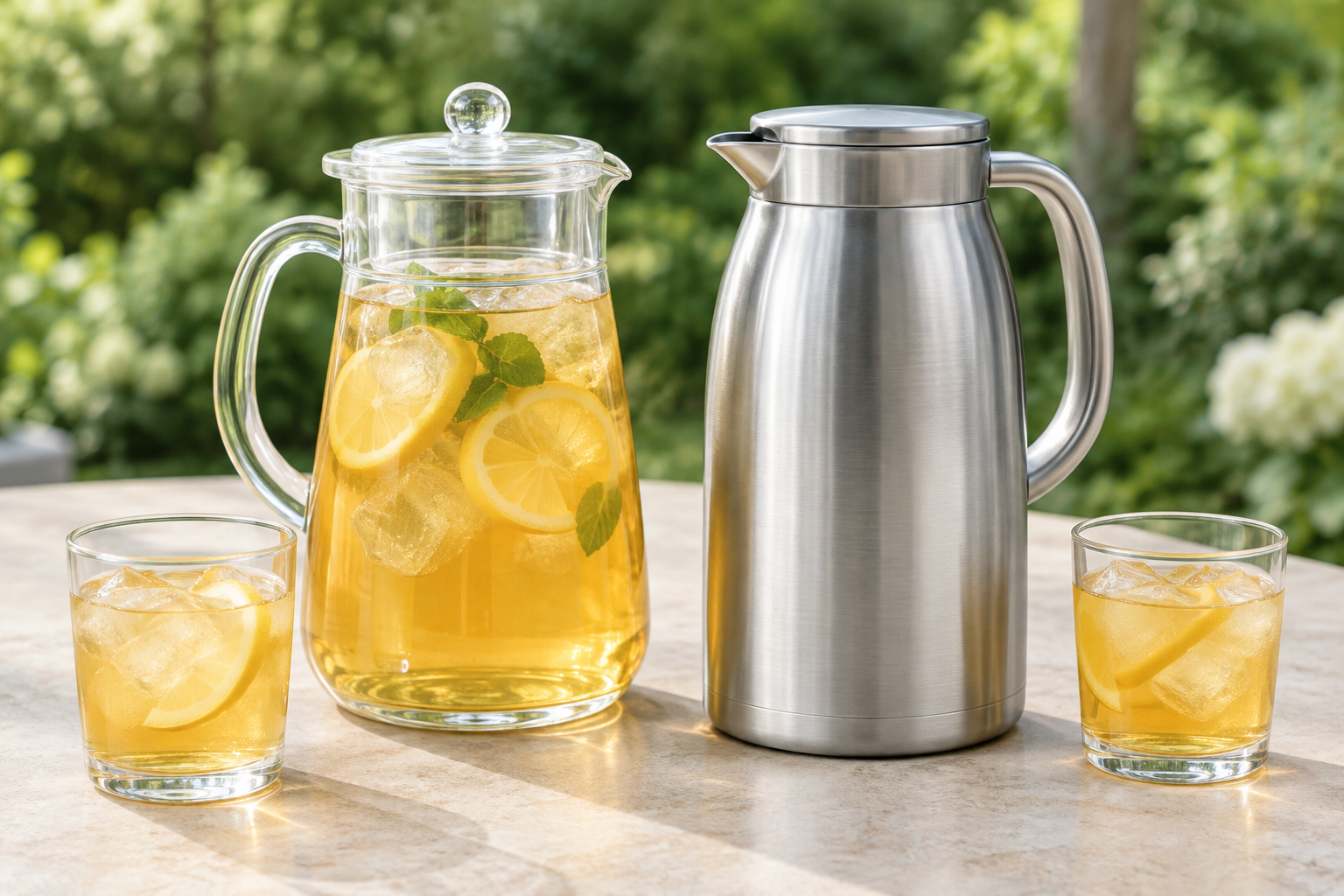
An insulated vessel helps when you need to carry a batch or keep it closed between pours. It is a different tool from a wide-mouth pitcher guests can scoop fruit from. Thermos lists the 2.0 L Stainless King beverage bottle with a carry handle and twist-and-pour stopper. The maker claims it keeps drinks hot or cold for up to 24 hours and is leakproof when fully closed. Those are maker claims for the closed vessel; they do not describe how long a drink stays cold once it is being served. Check the current maker page for capacity, dimensions, weight, and care details.
Choose this kind of server for a transport or temperature-retention problem. For a self-serve table with ice, fruit, and frequent pours, a regular lidded pitcher is easier to refill and clean. Measure the shelf, cooler, or tote first, and check the maker’s care instructions before buying.
A lidded glass option for indoor refills
A lidded glass pitcher can work for chilled tea, lemonade, or a strained mocktail base when its footprint fits the refrigerator shelf. Check the current listing for usable capacity, lid fit, material care, and dimensions. We have not tested the linked model’s pour, heat resistance, or durability. Keep a second batch chilled rather than filling a heavy vessel to its rim. Choose another material when breakage is a concern.
 Paid Amazon links: we may earn a commission if you buy through links in this article. Disclosure details.
Check the current pitcher listing and purchase terms on Amazon.
Compare the recipe’s finished volume with the vessel’s stated usable capacity, leaving room for ice and fruit. Plan refills around your actual serving size and guest count.
Keep ice separate if dilution is the problem
A new pitcher will not fix a warm base or ice melting into it. Chill the drink first and serve ice separately. If a cooler or covered container you own already does the job, skip this purchase.
An insulated ice bucket is an option for serving table-side ice. It solves a different job from the pitcher and is not a substitute for refrigerating the drink. We have not measured how long it keeps ice frozen; plan backup ice and check the exact listing’s included accessories before ordering.
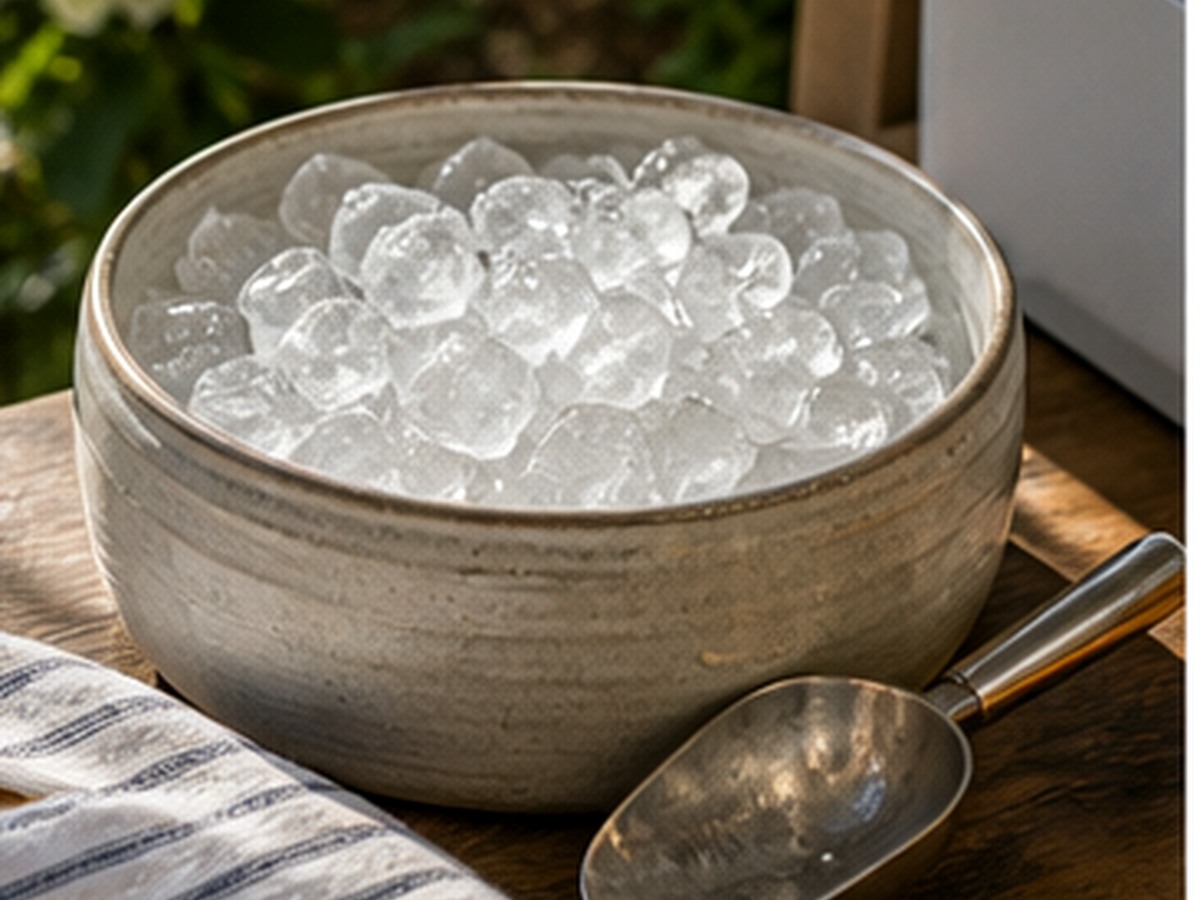
Check the current ice bucket listing on Amazon.
The linked listings are examples, not a tested ranking. Confirm current product identity, specifications, price, and availability on the retailer’s listing. For the full table, use the drink station setup .
Related helpful guides
- 8 Batch Mocktails Guests Can Pour Themselves
- Vintage Pitchers for Batch Cocktails and Mocktails
- 10 BBQ Drink Station Ideas for a Backyard Cookout
- 7 Pineapple Cocktails for Summer Parties
Pitcher styles at a glance
| Style | Choose it for | Check or skip when |
|---|---|---|
| Wide-mouth glass | Adding ice and fruit, easy cleaning access | The full body does not fit the fridge |
| Tall narrow | A shallow table footprint | Shelf height or a narrow opening makes storage and washing awkward |
| Lidded | Covered storage between pours | You need a transport seal the maker does not confirm |
| Ceramic | An opaque, decorative table vessel | The filled weight makes pouring uncomfortable |
| Acrylic or another non-glass material | Serving where glass breakage is a concern | The maker’s care or material limits do not suit your use |
| Small table pitcher | A lighter vessel to pass around | Frequent refills would interrupt the meal |
| Infuser | Keeping tea or fruit in a removable insert | The insert crowds the batch or is difficult to clean |
| Vintage cut glass | Decorative indoor serving | Composition, food-contact suitability or condition is unknown |
Inside this guide
- 1. Wide-Mouth Glass Pitcher
- 2. Tall Narrow Pitcher
- 3. Lidded Pitcher
- 4. Ceramic Pitcher
- 5. Acrylic Outdoor Pitcher
- 6. Small Table Pitcher
- 7. Infuser Pitcher
- 8. Vintage Cut-Glass Pitcher
1. Wide-Mouth Glass Pitcher
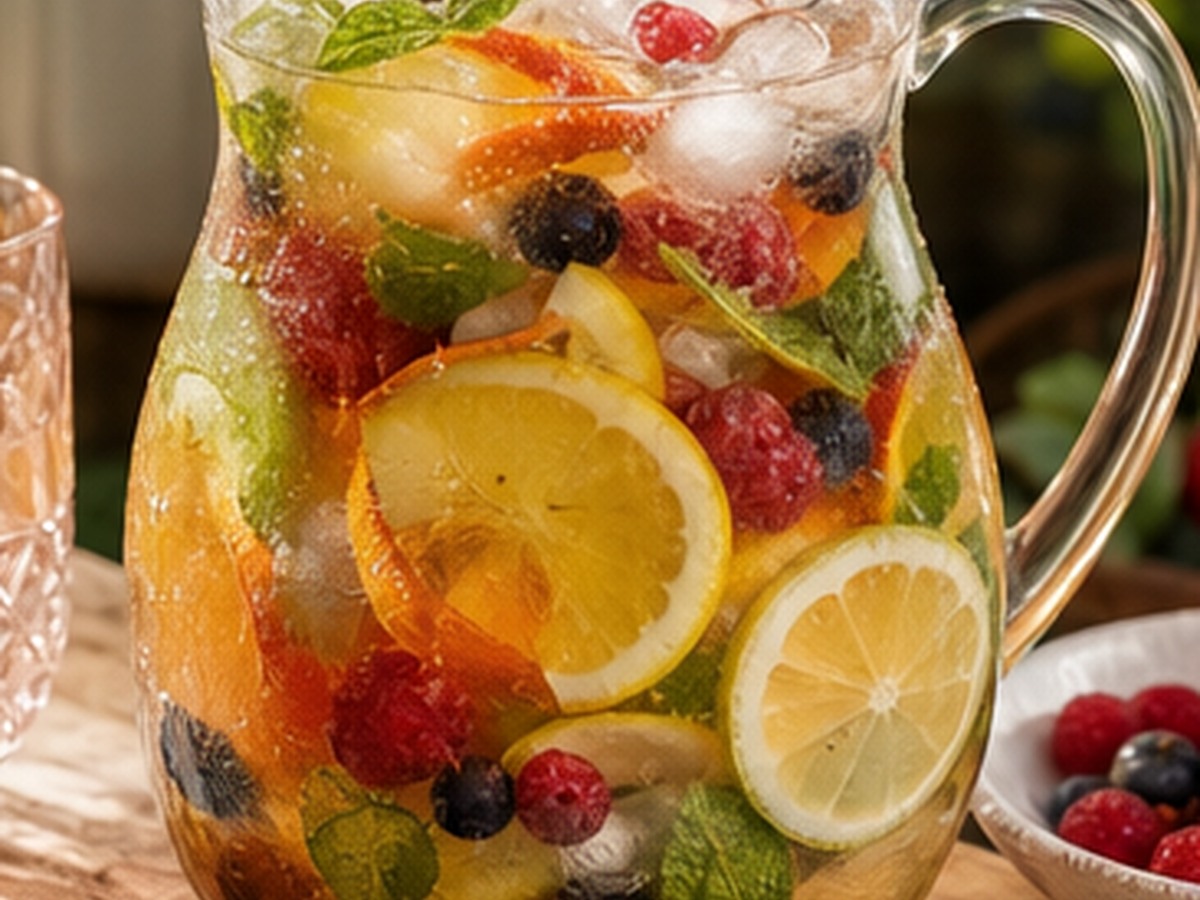
A wide mouth can make it easier to add citrus, berries, herbs, and ice, and to reach inside for cleaning. Check whether the wider body fits your fridge shelf.
2. Tall Narrow Pitcher
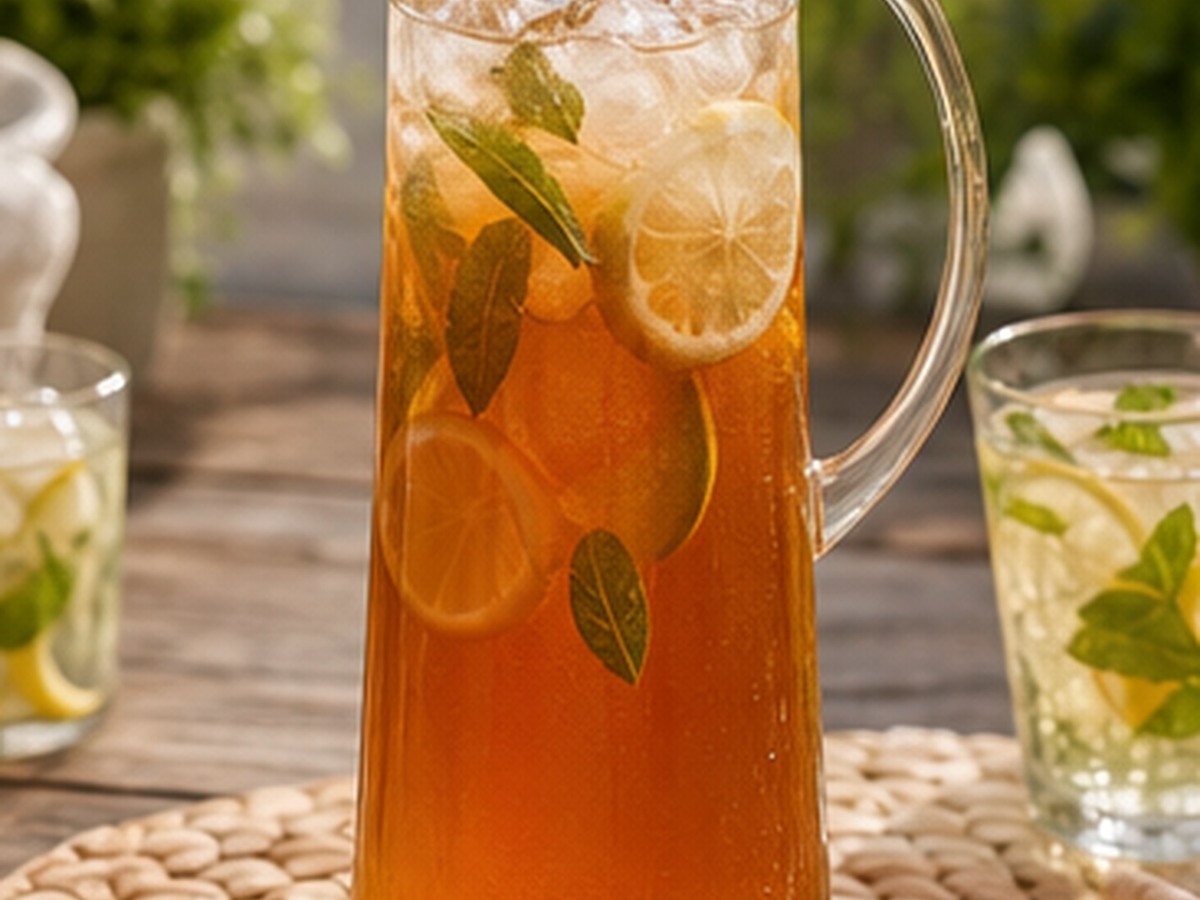
A tall, narrow pitcher uses less table depth, which can help on a crowded surface. Check its height against the refrigerator shelf and confirm that the opening is large enough to clean.
3. Lidded Pitcher
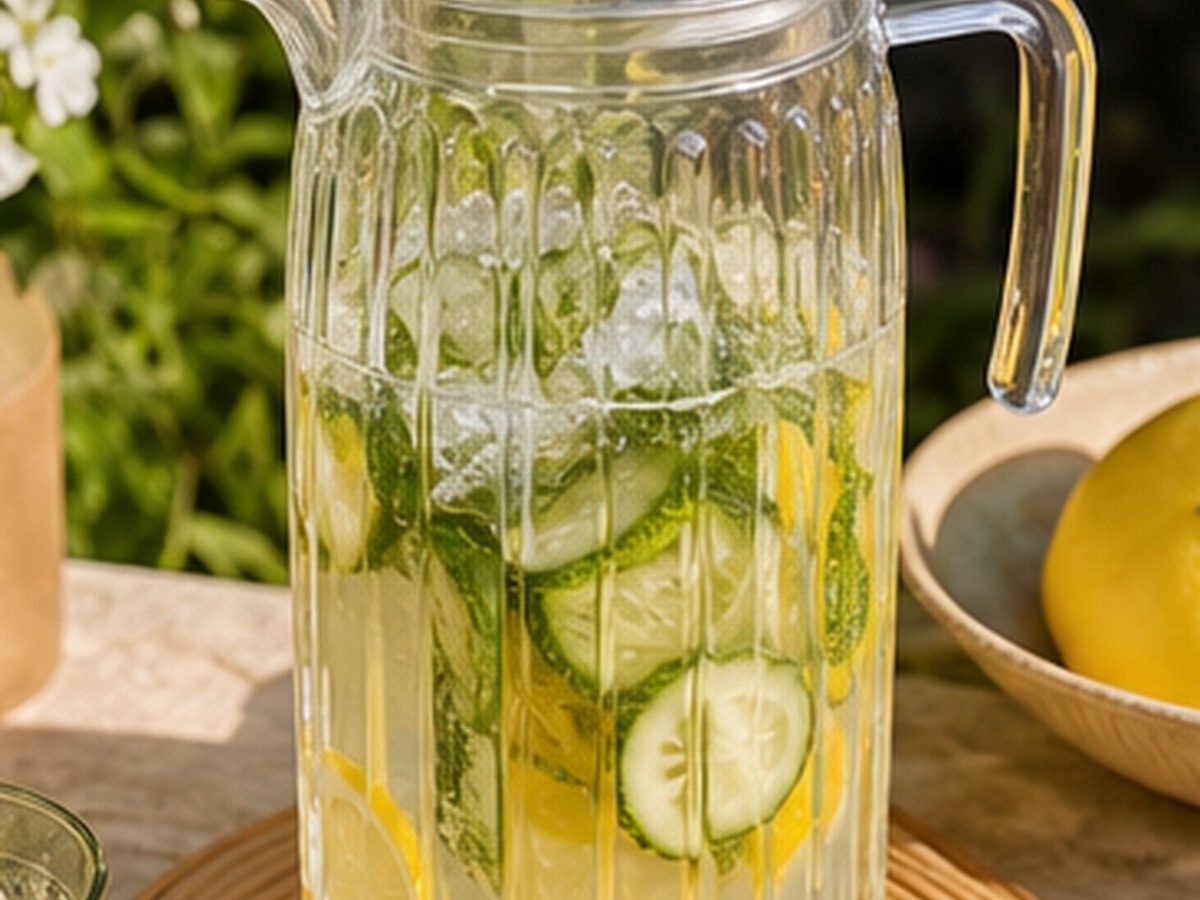
A lid can cover a drink between pours and help with covered refrigerator storage. Check how it fits and whether the spout remains easy to pour from; a lid alone does not mean the pitcher is leakproof.
4. Ceramic Pitcher
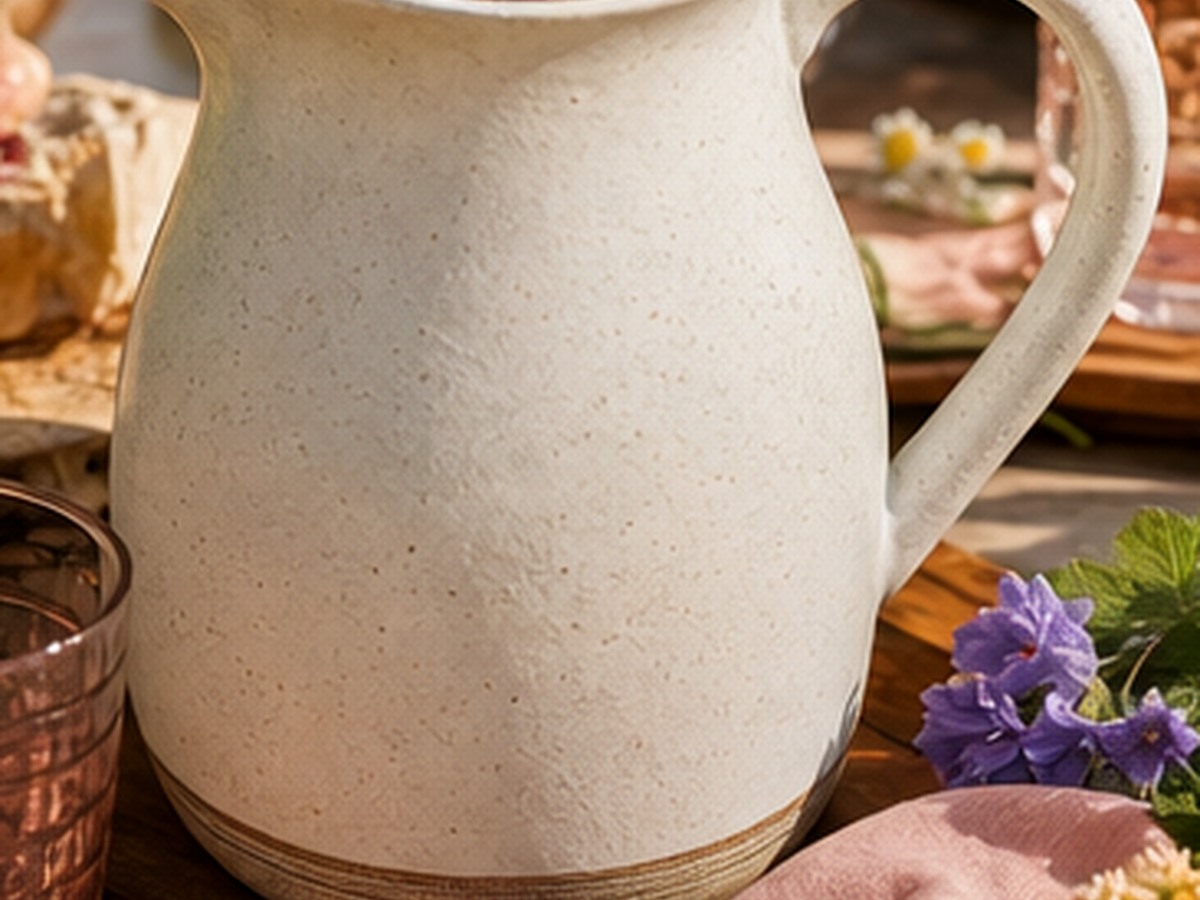
Ceramic is an opaque, decorative choice for a table or brunch setup. Check the filled weight, handle shape, and maker’s care instructions before choosing it for frequent pouring.
5. Acrylic Outdoor Pitcher
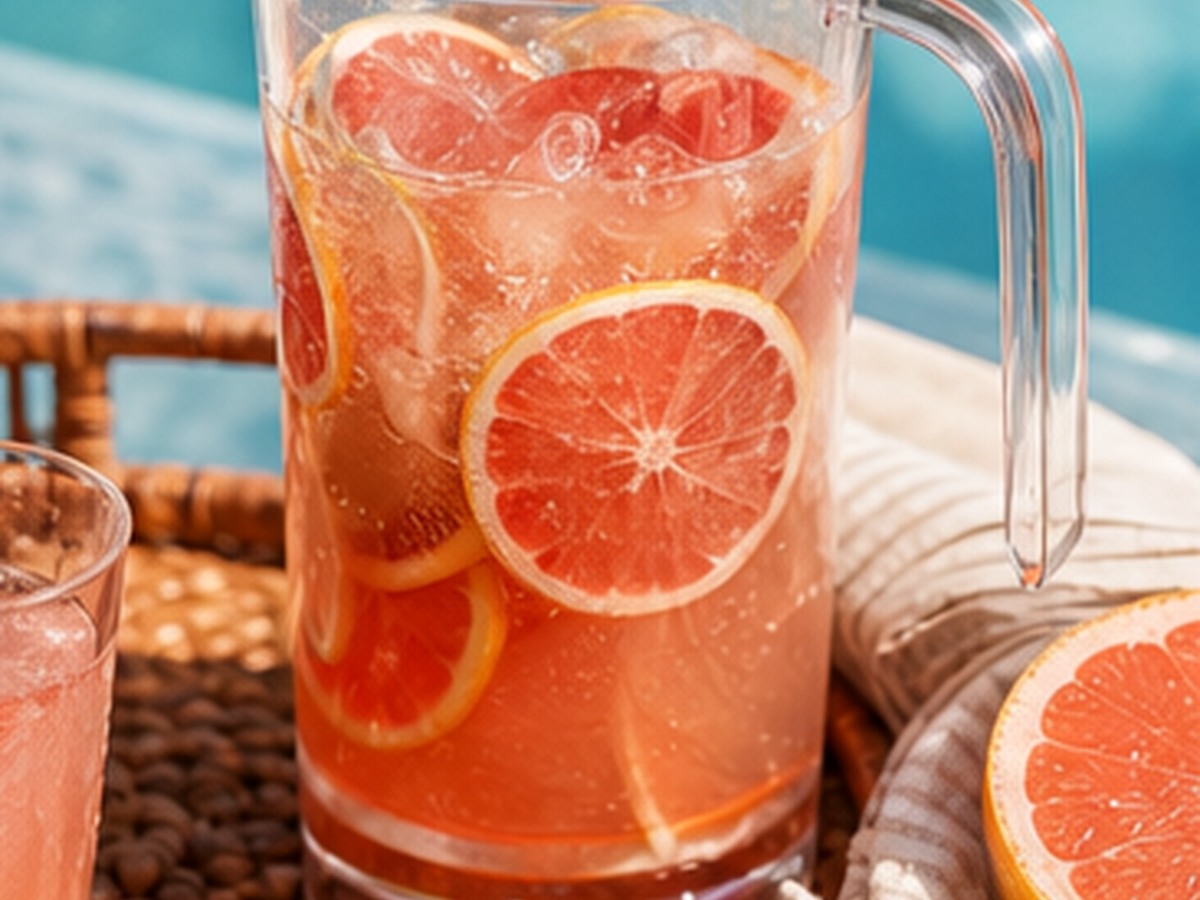
A non-glass pitcher may suit a patio or poolside setting where breakage is a concern. Check the maker’s material and care guidance, and inspect the surface for clouding or scratches.
6. Small Table Pitcher
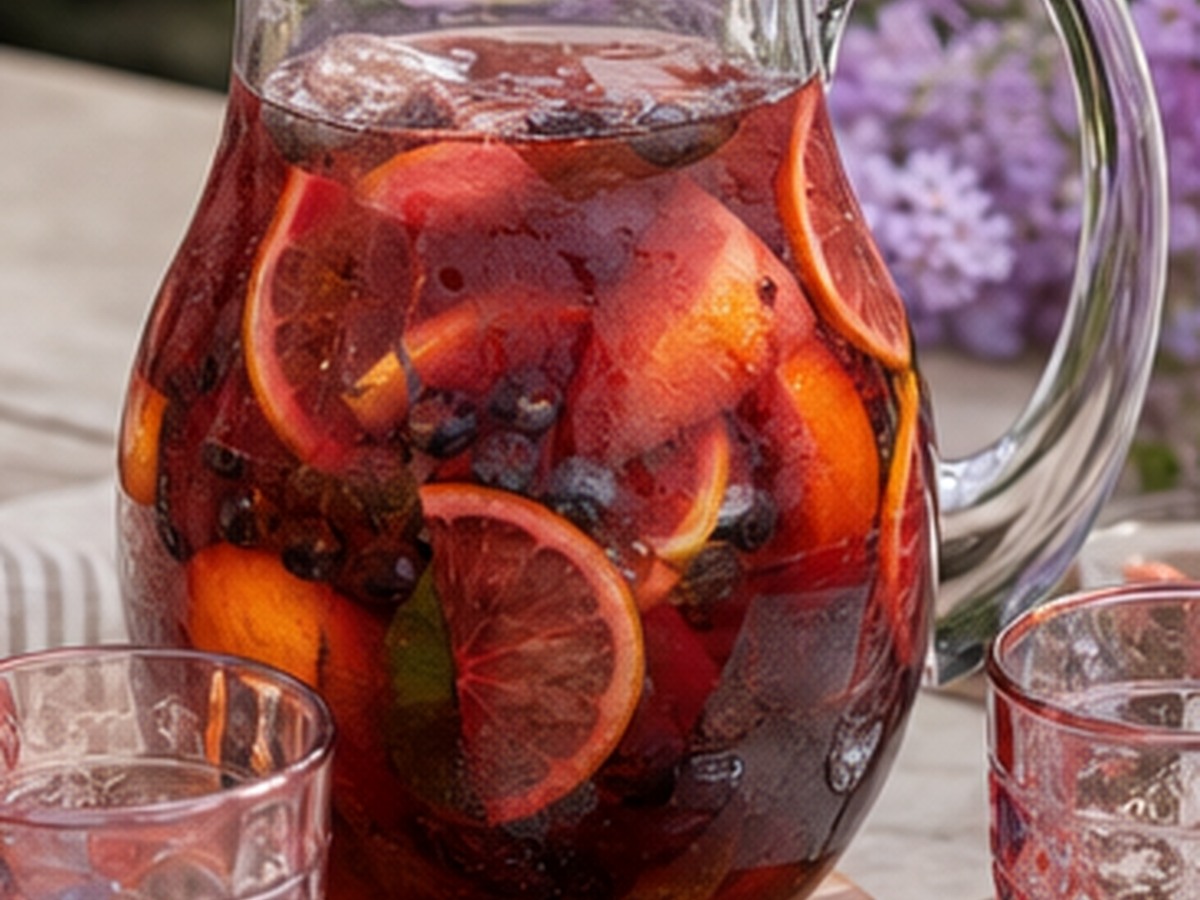
A smaller pitcher can be easier to pass around a brunch table, but it means more refills. Compare its usable capacity with the batch and number of guests.
7. Infuser Pitcher
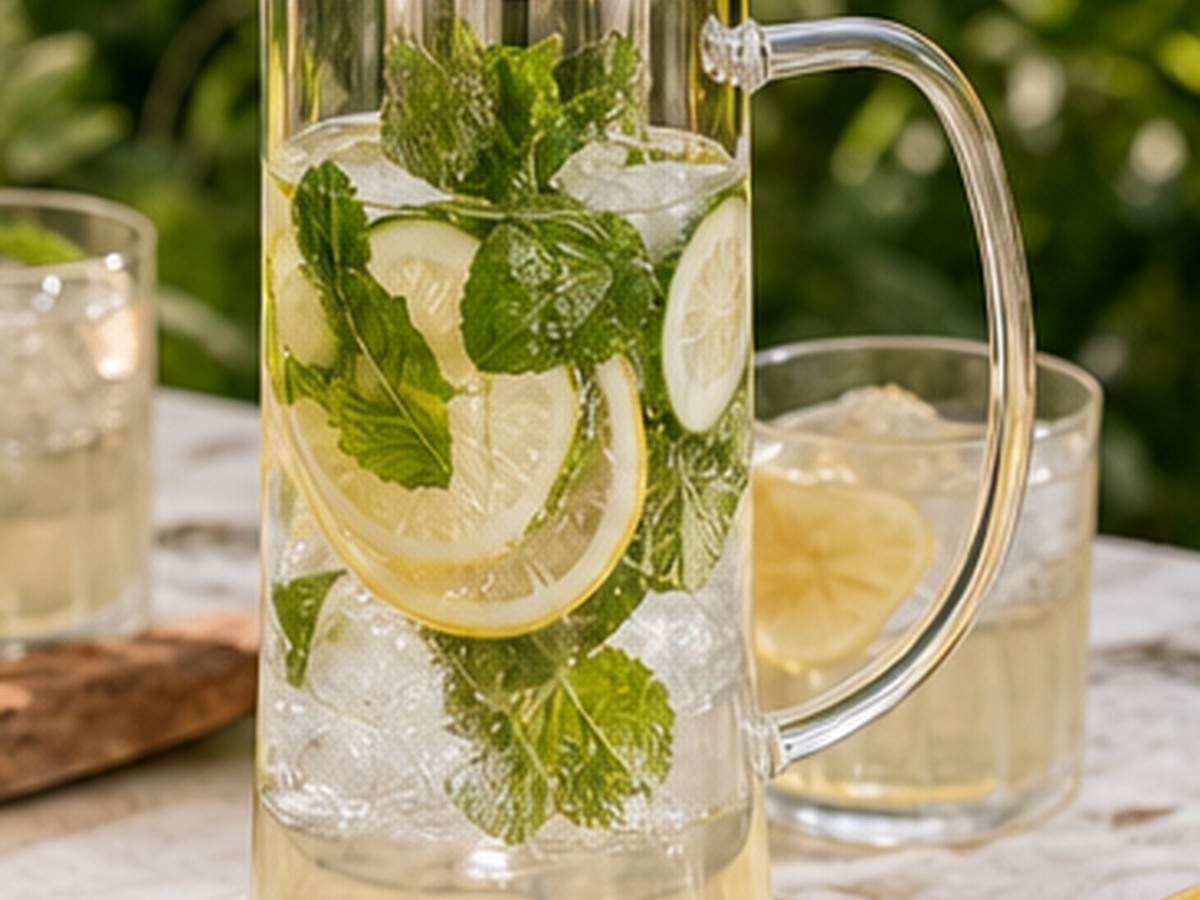
An infuser pitcher can hold tea leaves or fruit away from the main vessel. Check whether the insert is removable and easy to clean, and whether it leaves enough room for the batch.
8. Vintage Cut-Glass Pitcher
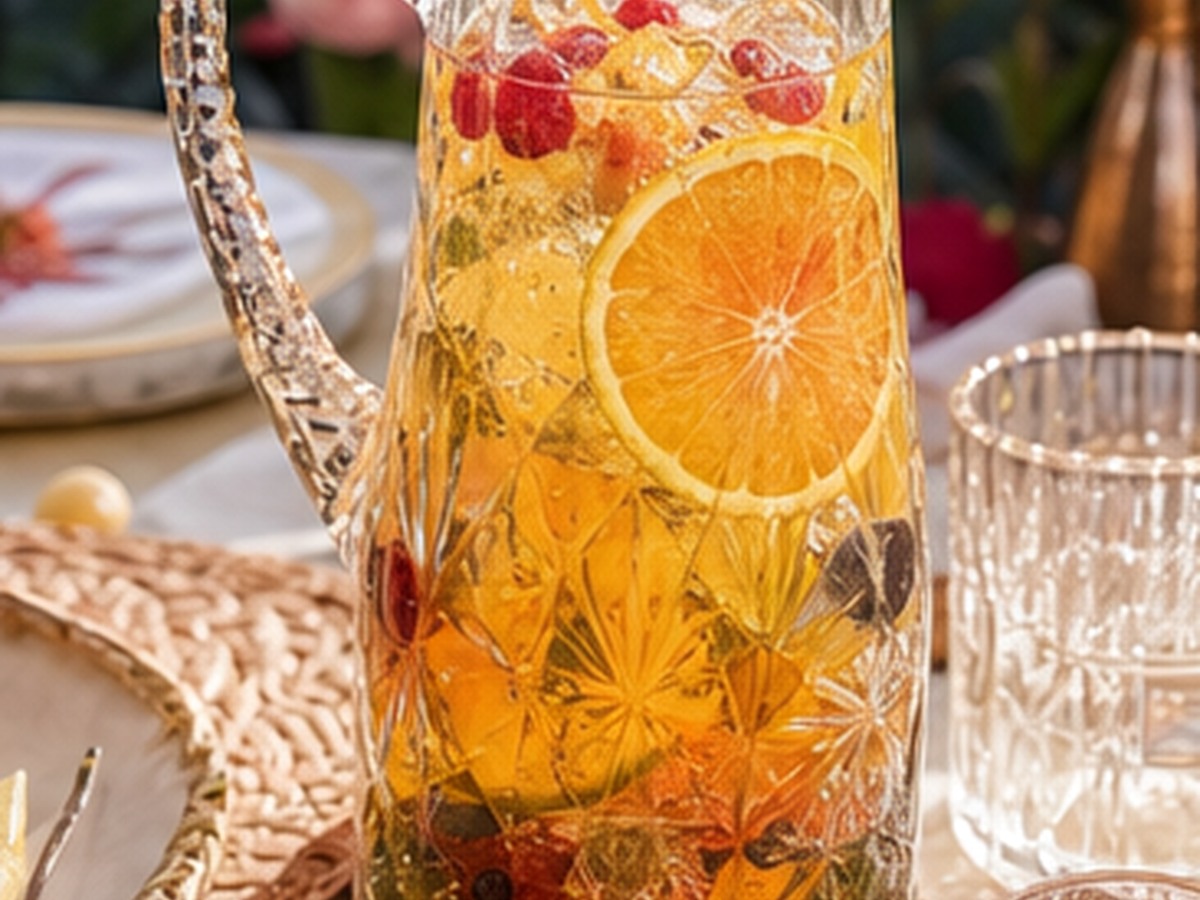
A vintage cut-glass pitcher can add a decorative note to the table. Verify food-contact suitability and composition before serving acidic drinks; appearance alone does not establish either. Inspect the rim and spout for chips, and check the pour and handle condition before buying.
Questions to ask before buying
What is the best insulated pitcher for outdoor parties?
Choose an insulated vessel only if temperature retention or transport is the job you need it to do. Check the maker’s stated capacity, closure and care instructions. A closed beverage server suits carrying a strained drink; a wide-mouth pitcher is easier for frequent refills and fruit. The Thermos example above has a manufacturer specification page, but we have not compared it with other servers in a temperature test.
How large should a party pitcher be?
Use the recipe’s finished volume and your planned serving size. Leave room for ice or fruit, and decide how often you’ll refill. A smaller pitcher with a chilled backup batch can be easier to carry than one large vessel filled to the rim.
Is a lidded pitcher safe to carry in a bag?
A lid can cover the drink without sealing it. Use a model whose maker confirms a transport closure for that use, keep it upright, and follow its filling instructions. If the seal is unclear, transport the base in a suitable closed container and pour it into the serving pitcher at the destination.
Can I serve acidic mocktails in a vintage pitcher?
Only when you can verify the piece’s food-contact suitability and composition. Keep unidentified antique crystal or decorated pieces for display, and avoid storing drinks in lead crystal. Inspect the rim, spout and handle for damage. See Health Canada’s lead-crystalware guidance .