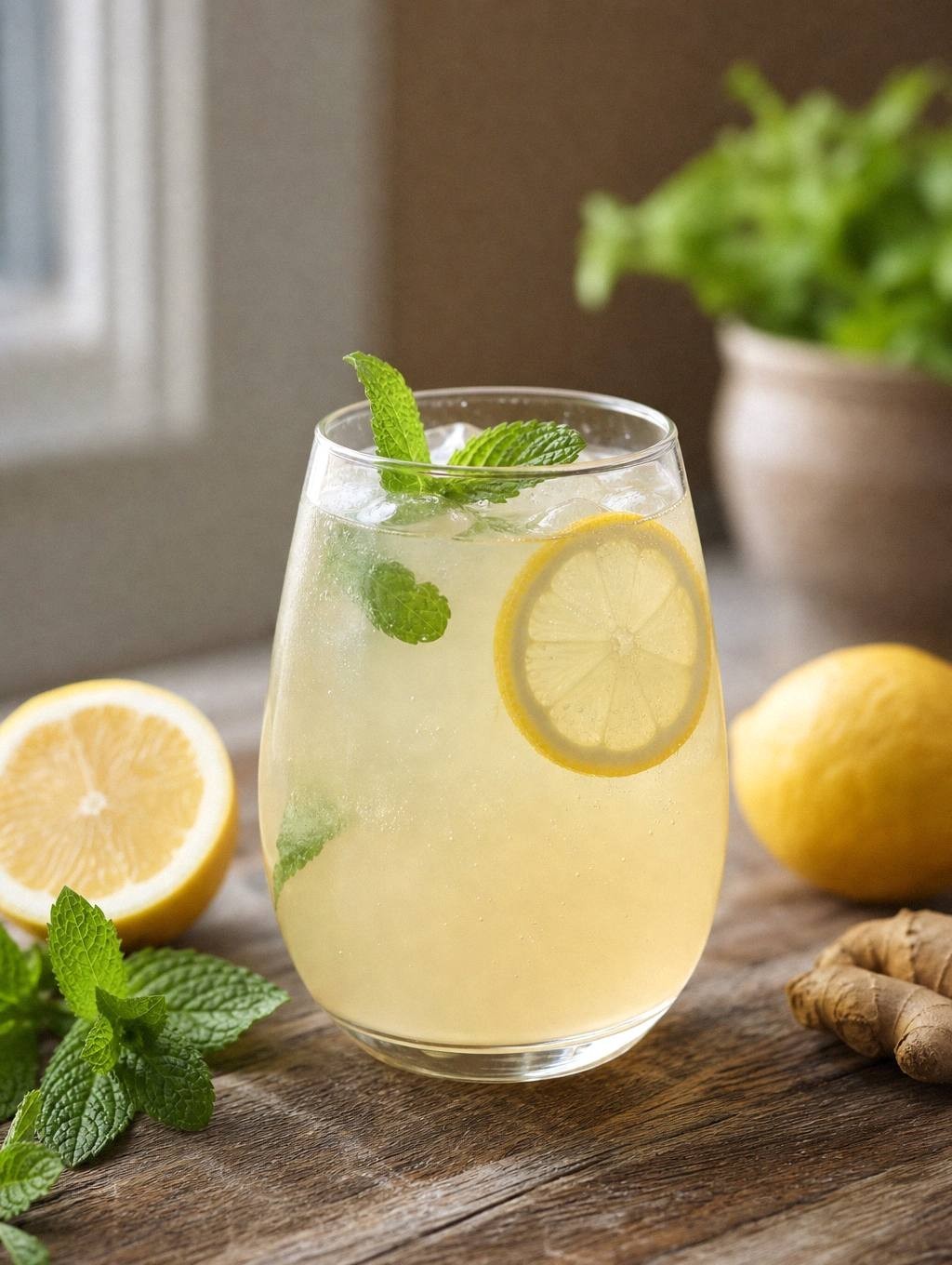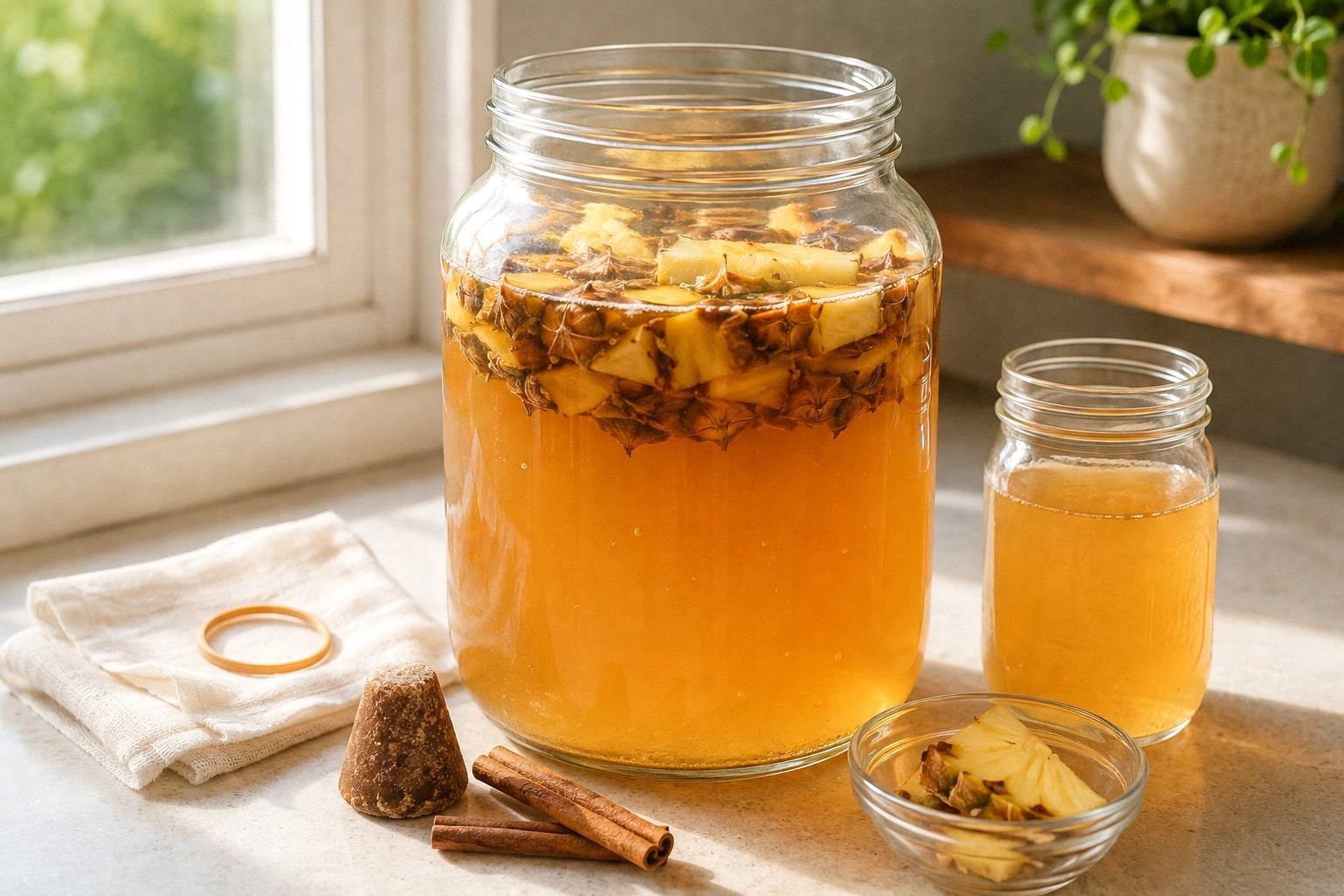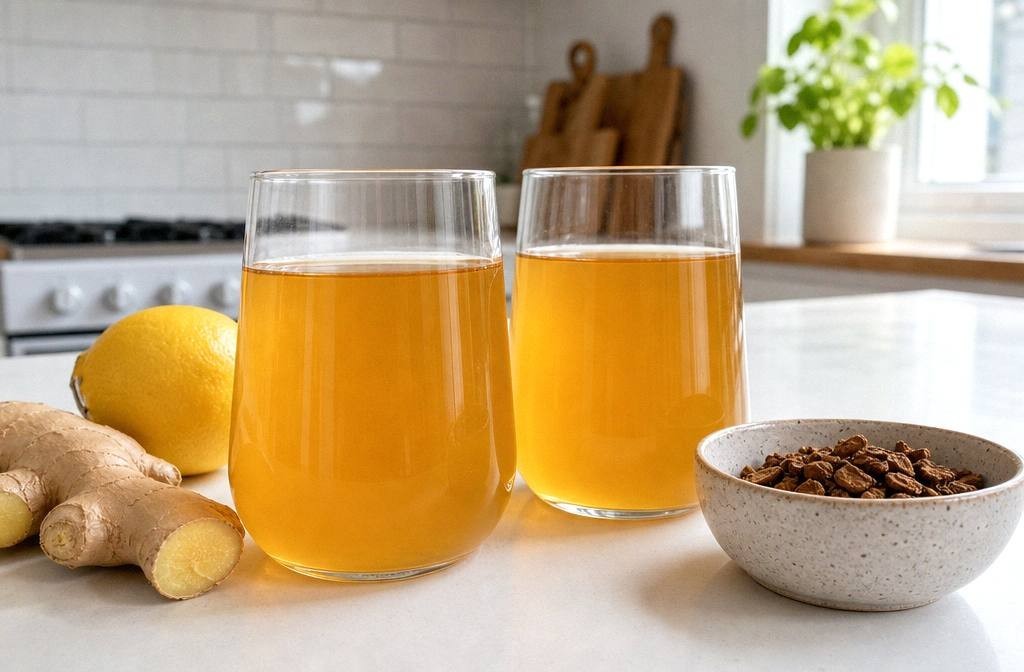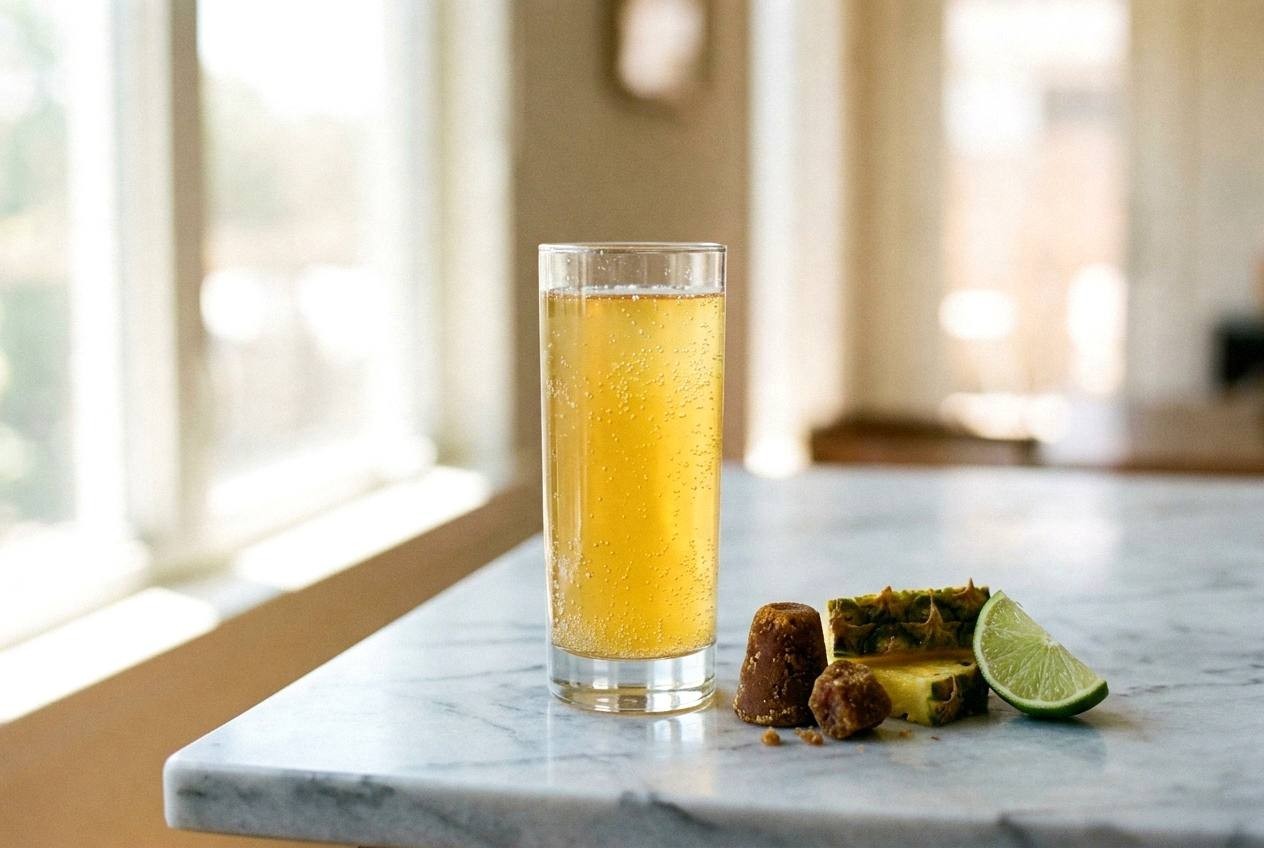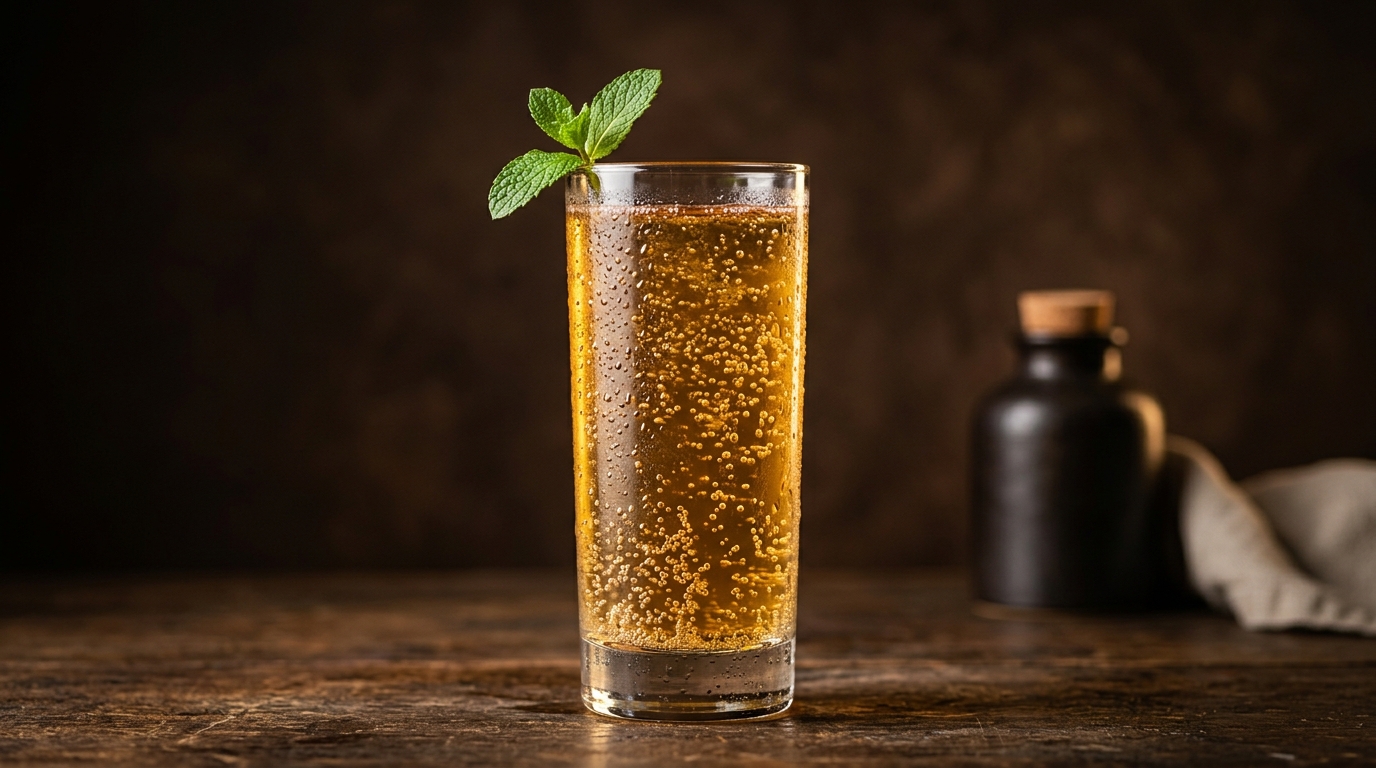
This original formula is withdrawn as a preparation guide while its process is unresolved. Do not use the quantities below to brew, taste or serve a batch. Use a culture supplier’s complete documented process instead; this page does not supply a replacement.
Why You Will Love This
This page records an original formula for review. Ginger, mint, tea and fruit can change flavor, but neither those ingredients nor live cultures establish a digestive benefit or a safe fermentation process.
The Story Behind It
Fermentation uses microorganisms to change the starting liquid. Culture composition and the resulting acidity, alcohol, residual sugar and gas depend on the process. Appearance alone cannot identify every organism or establish safety.
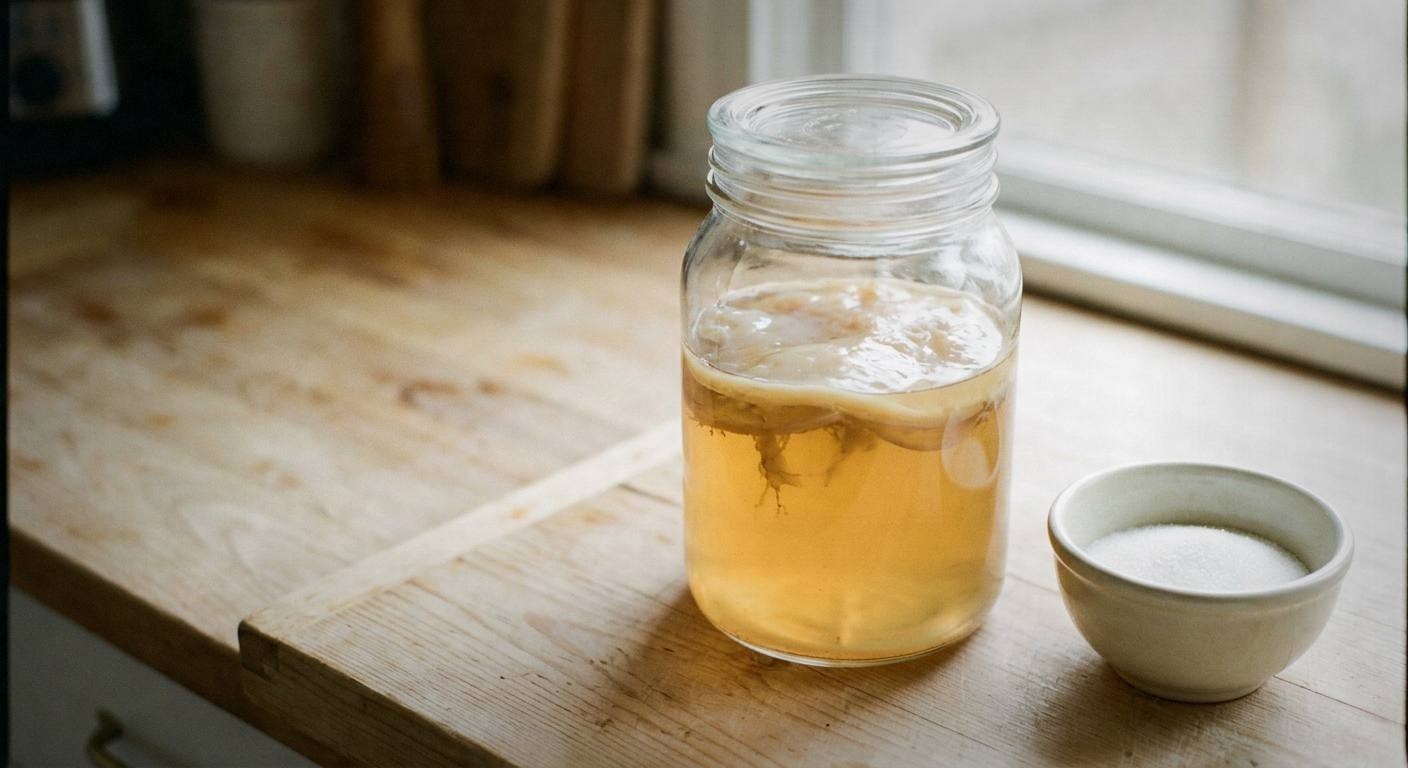
Original Formula Record
For First Fermentation:
- 1 gallon (3.8 liters) filtered water (water treatment must suit the culture; boiling is not a universal chloramine-removal method)
- 8 black or green tea bags (or 2 tablespoons loose leaf)
- 1 cup (200g) organic cane sugar (residual sugar is not measured for this formula)
- 1 SCOBY with 1 cup starter liquid from a previous batch or store-bought raw kombucha
For Second Fermentation :
- 3-inch piece fresh ginger root, sliced thin (about 30g)
- 1/2 cup fresh mint leaves, lightly crushed
- Optional: 1-2 tablespoons raw honey (historical flavoring quantity, not a validated carbonation control)
Equipment:
- Food-safe glass fermenting vessel larger than 1 gallon, with room for starter and headspace
- Breathable cloth cover and rubber band
- Enough pressure-rated bottles for the measured finished volume; 4-5 sixteen-ounce bottles hold only 64-80 fluid ounces before headspace
How to Make It
This original formula is withdrawn as a preparation guide while its process is unresolved. Do not use the quantities below to brew, taste or serve a batch. Use a culture supplier’s complete documented process instead; this page does not supply a replacement.
Starter volume, elapsed days, surface growth, taste and fizz do not establish a safe finished batch. Acidity, culture conditions, suitable equipment, alcohol and storage need a documented process. The former warm sealed-bottle carbonation schedule remains withdrawn; daily opening does not guarantee pressure control.
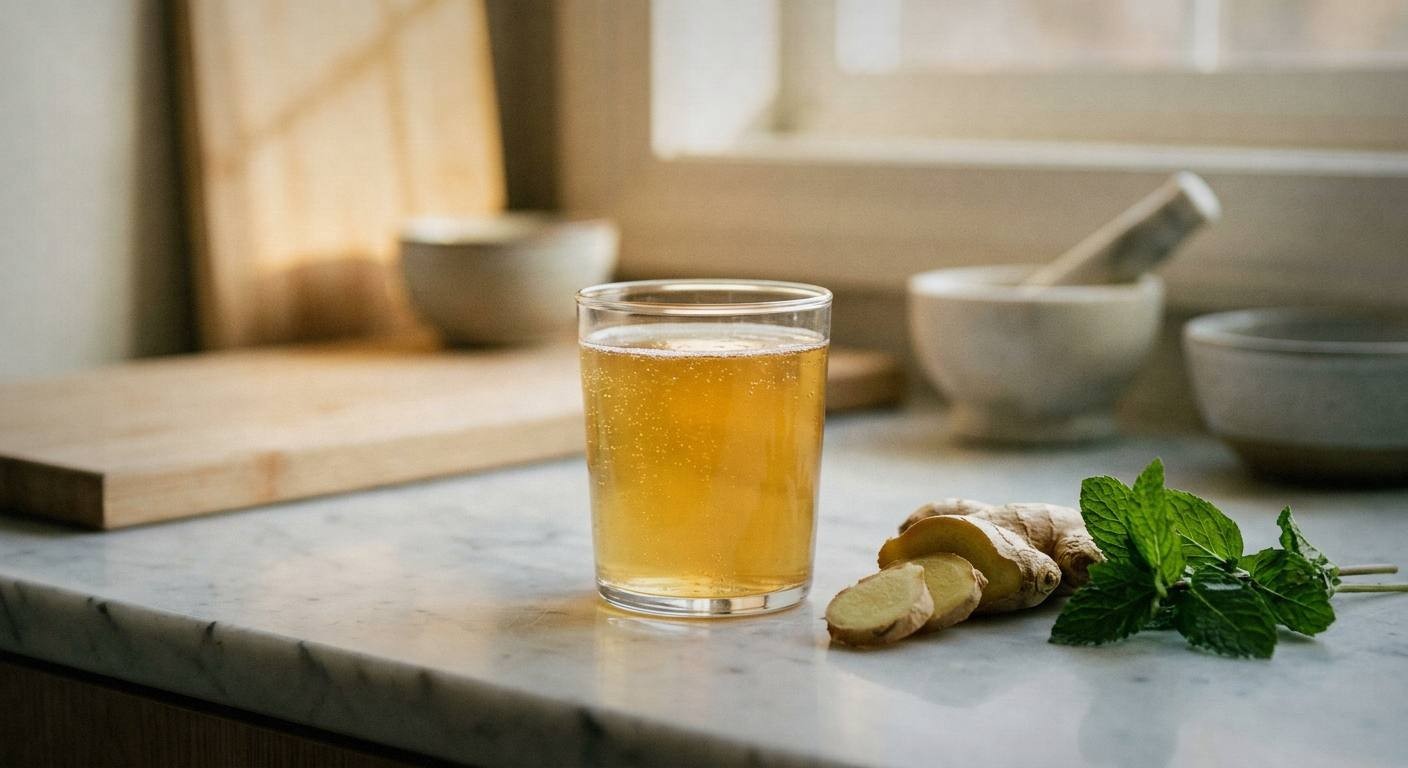
Herbalist Notes
Ginger and mint contribute flavor. This page establishes no digestive effect, microbial count or safe flavoring load for its original batch.
Make It Your Own
Ginger , mint , fennel and turmeric variations need their own documented preparation controls. Do not extend fermentation to obtain a promised probiotic effect or use a new flavoring as a safety equivalent.
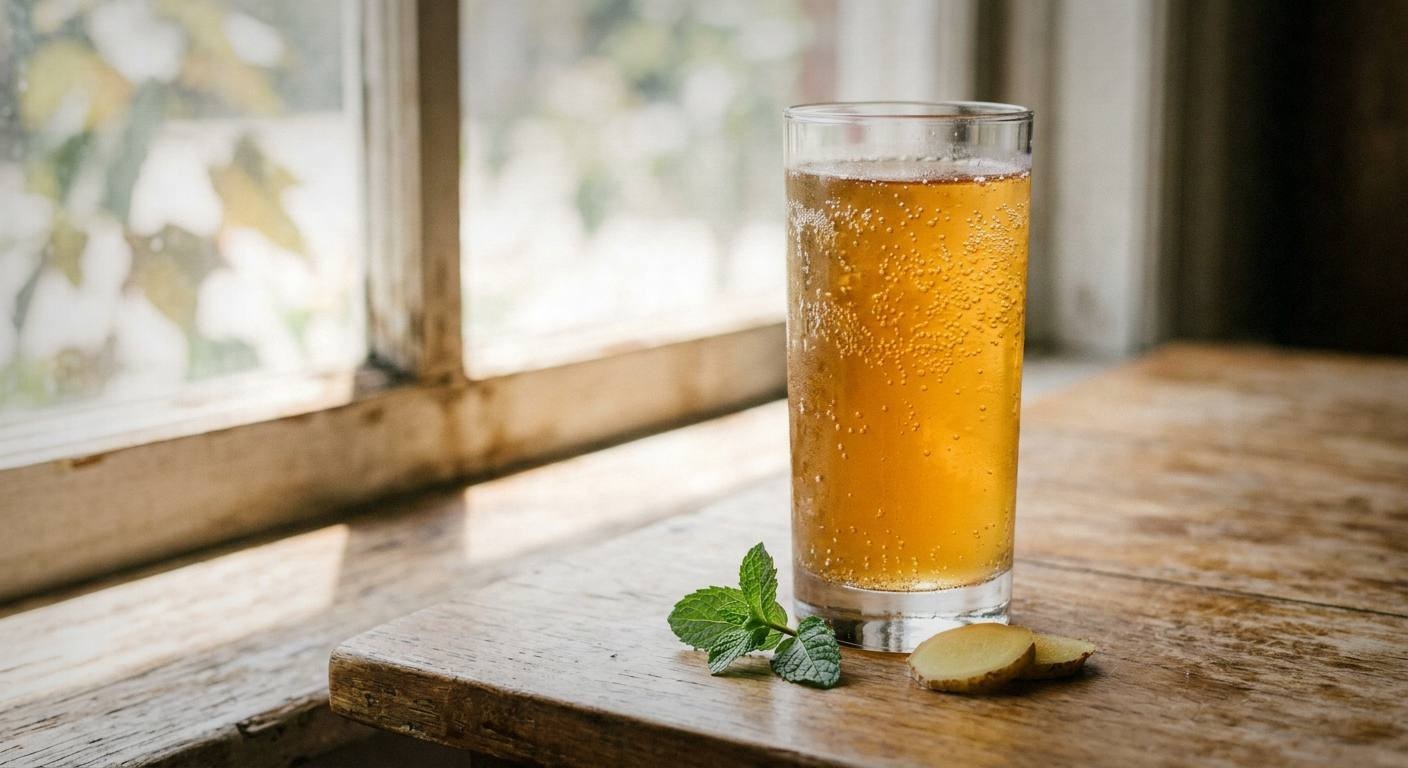
Common Questions
Can this formula be used to make ginger kombucha?
Not as a complete preparation guide. Its starter and ginger-mint process remain unresolved. Use a documented process before attempting a batch.
Does it establish a digestive benefit or drinking schedule?
No. A home batch has no measured probiotic dose here. This page gives no serving amount or time-of-day recommendation.
How long does it keep?
No finished shelf life has been established for this formula. Do not taste a suspect batch; discard a batch and culture with mold rather than reusing them.
Brewing safety and source limits
The original one-cup starter formula and ginger-mint bottling schedule have not been validated. Use an established culture supplier’s complete brewing process before attempting this ferment. Pennsylvania Department of Agriculture guidance requires pH monitoring rather than a taste-only endpoint and addresses mold, pressure and alcohol hazards. Its commercial controls are not a test of this home recipe. TTB notes that continued bottle fermentation can increase alcohol; refrigeration is not proof of an alcohol-free drink.