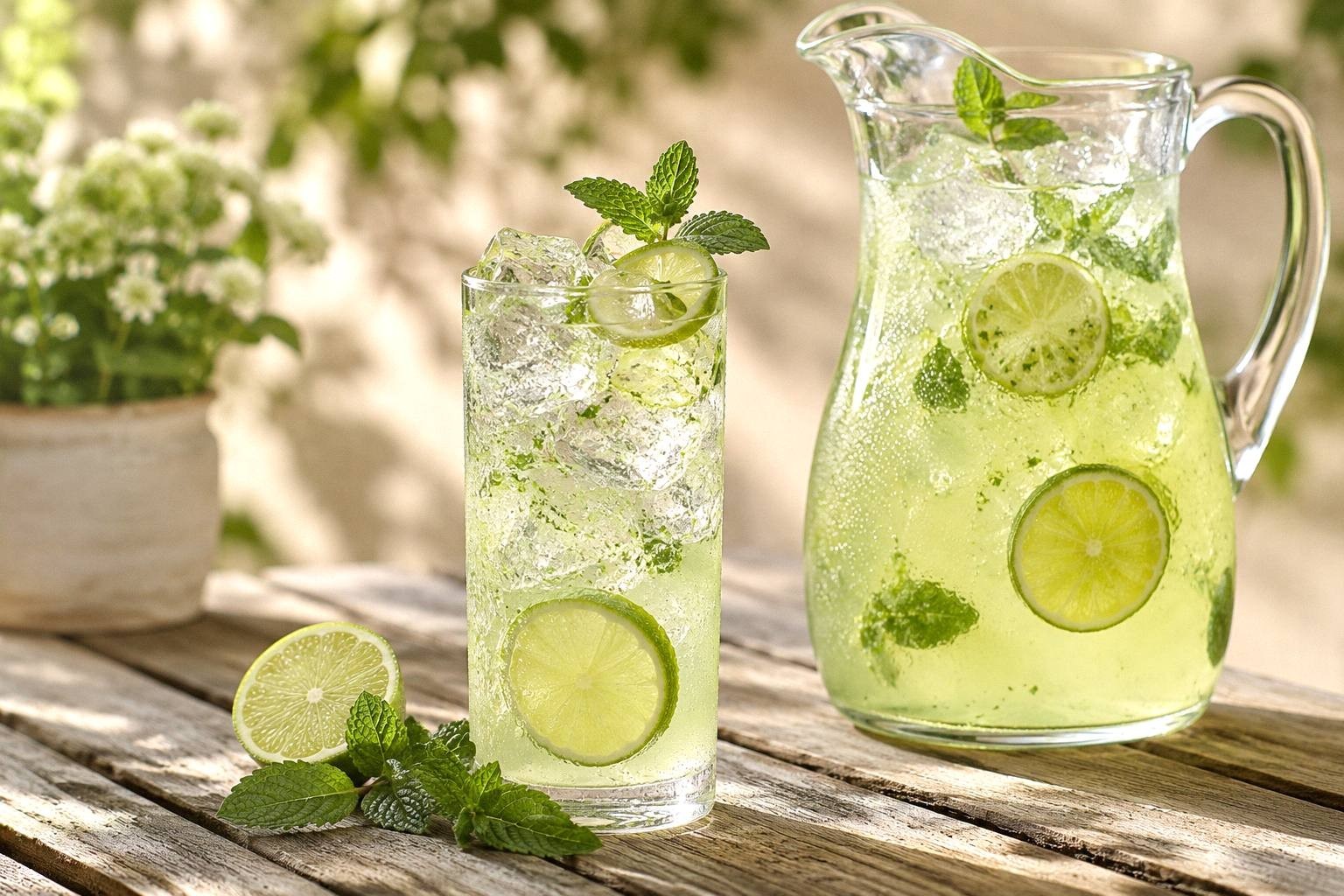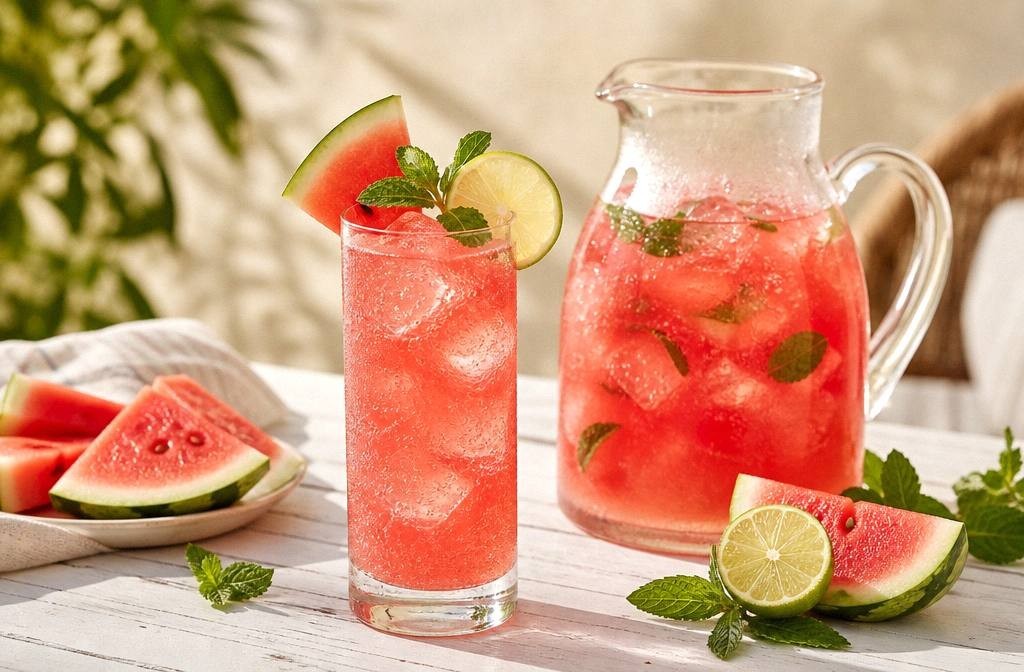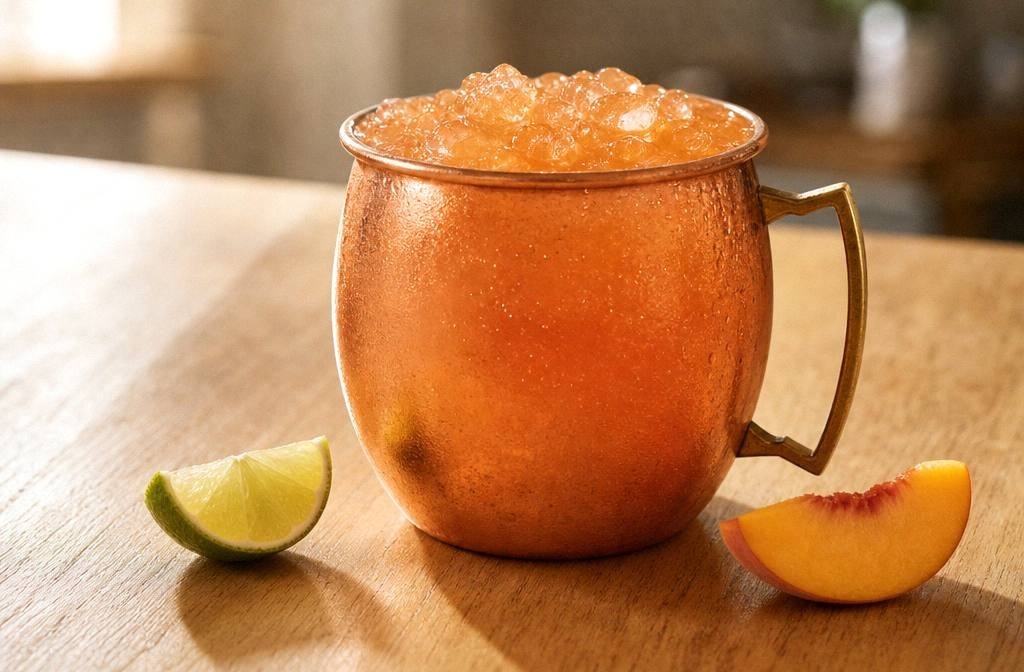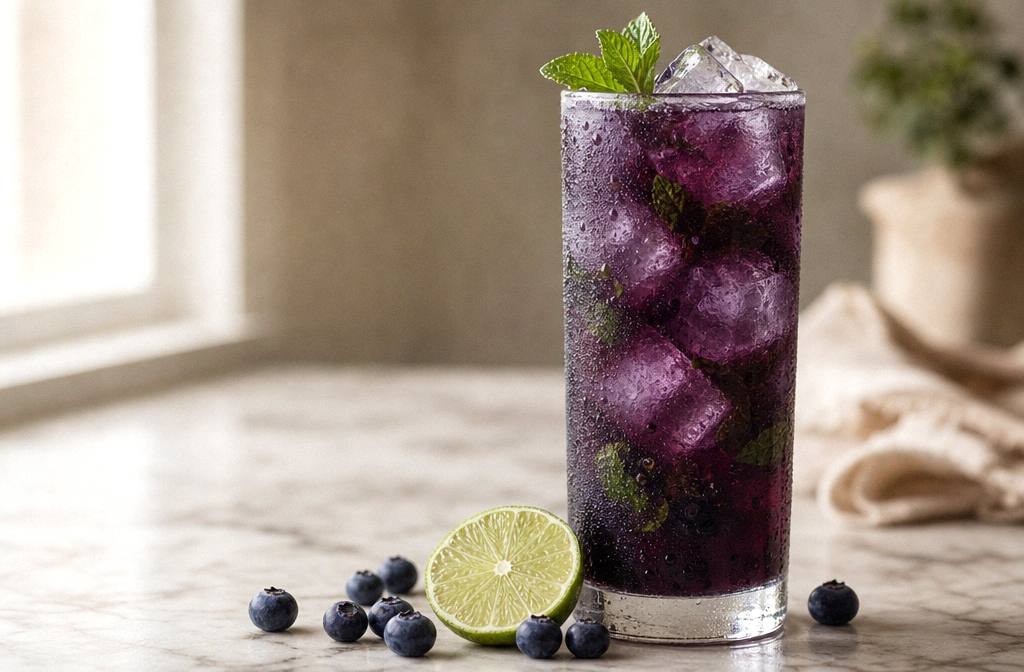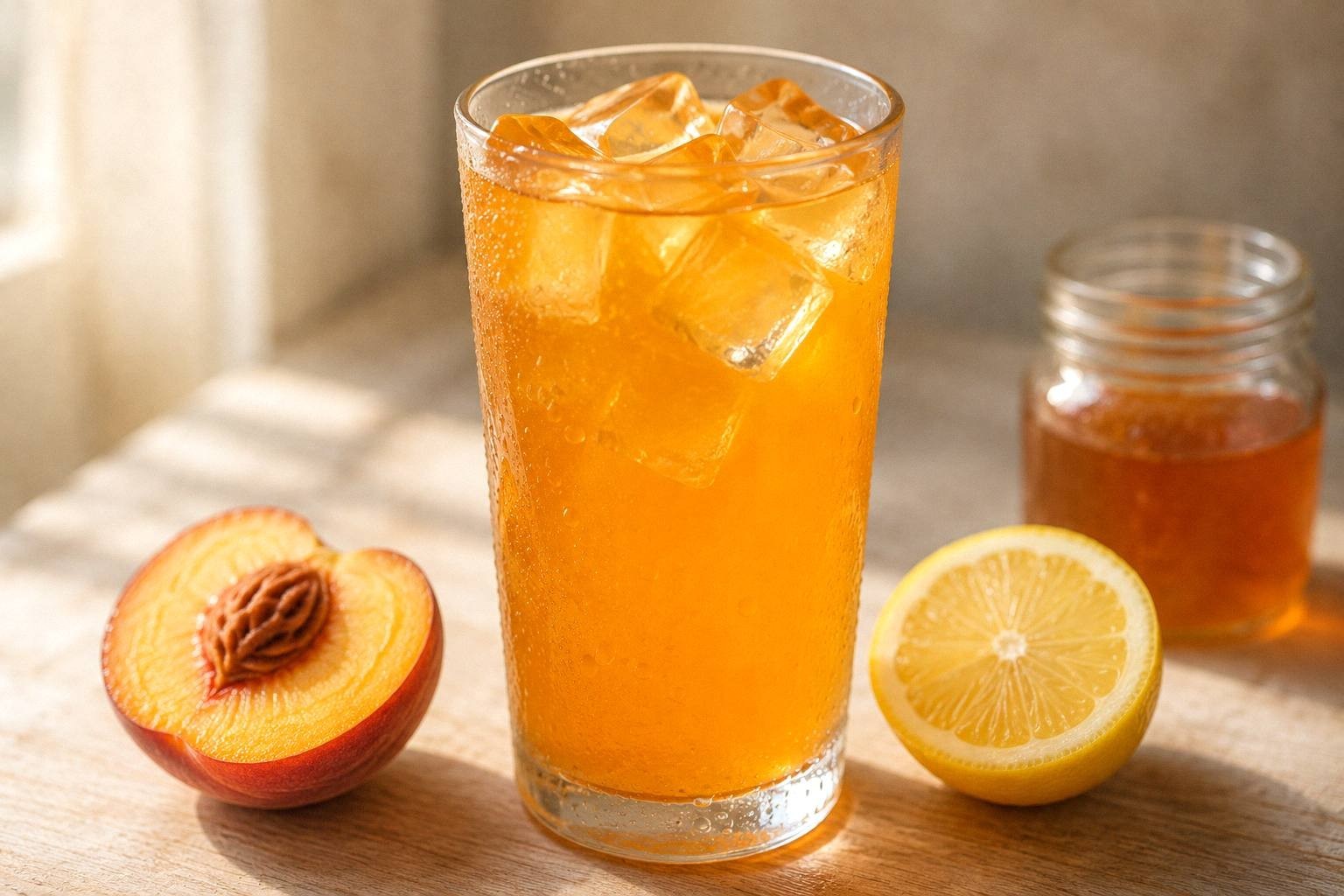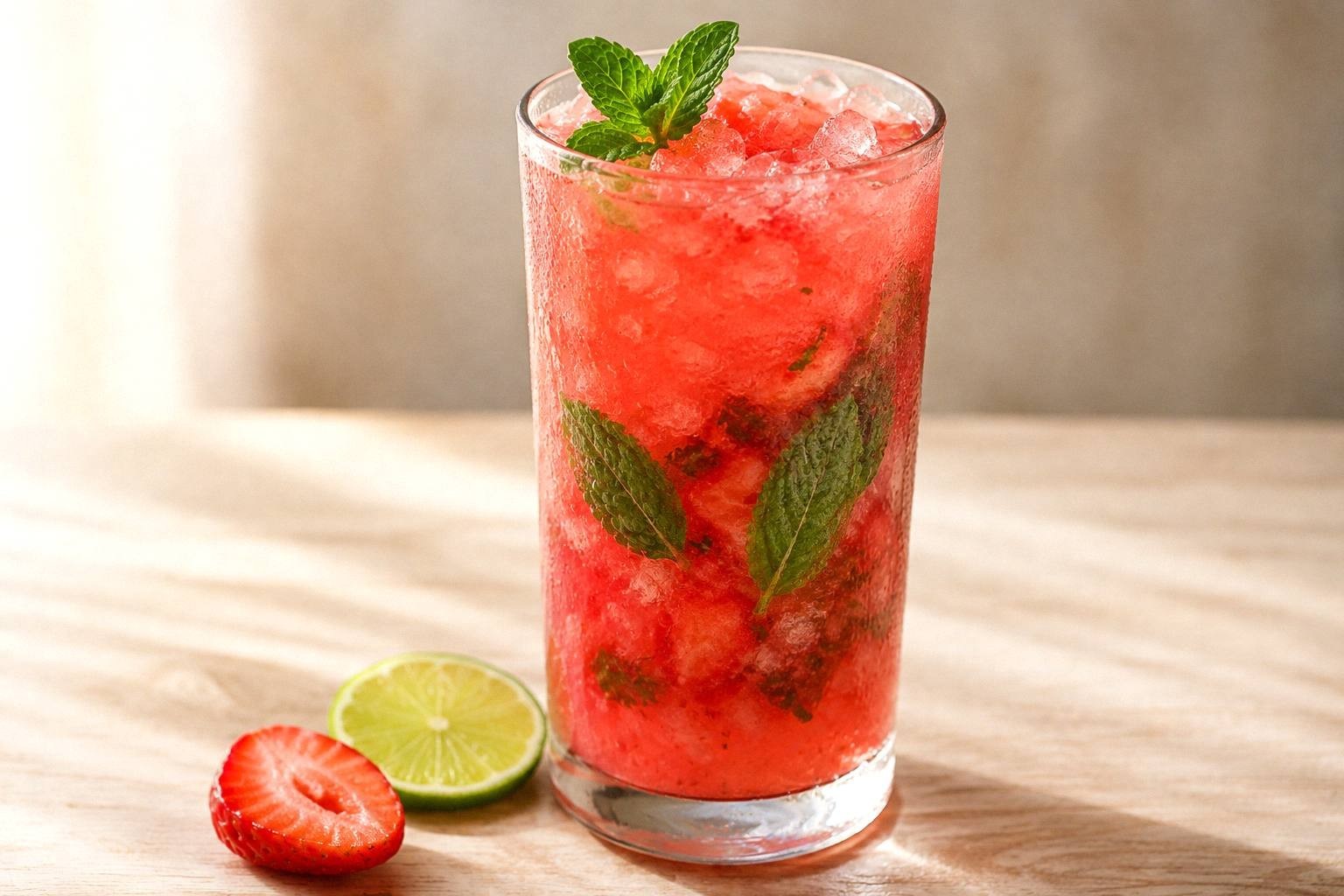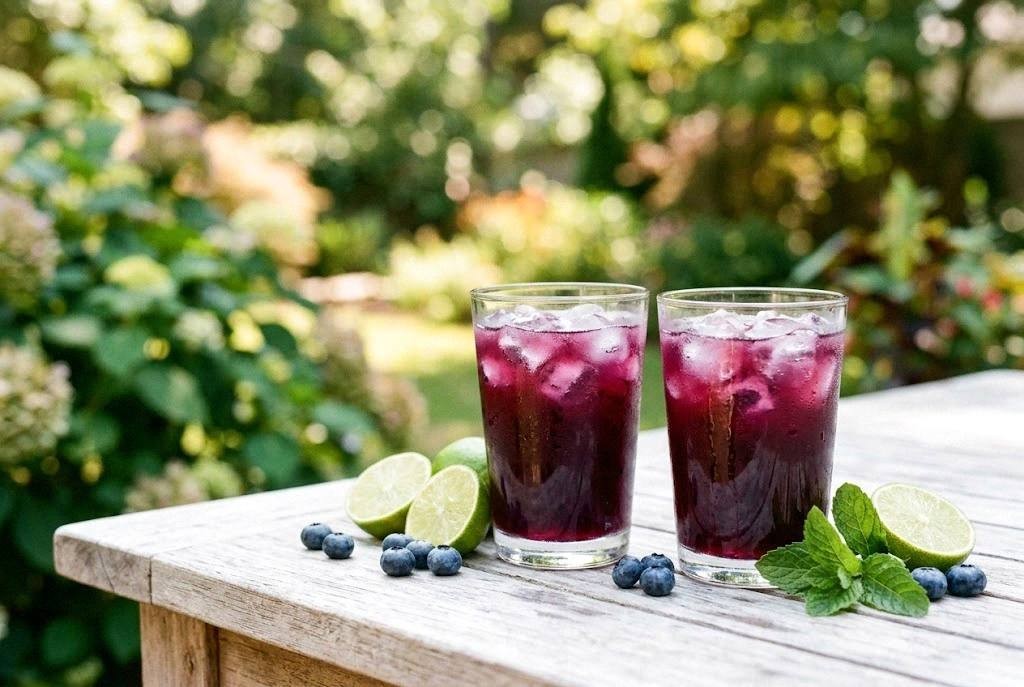
Easy Blueberry Limeade Mocktail Recipe combines a measured cold base with citrus, sweetness and bubbles. These are house culinary formulations; published fruit-drink recipes supply comparisons, not an identical external formula or certified shelf life.
Ingredients and Timing
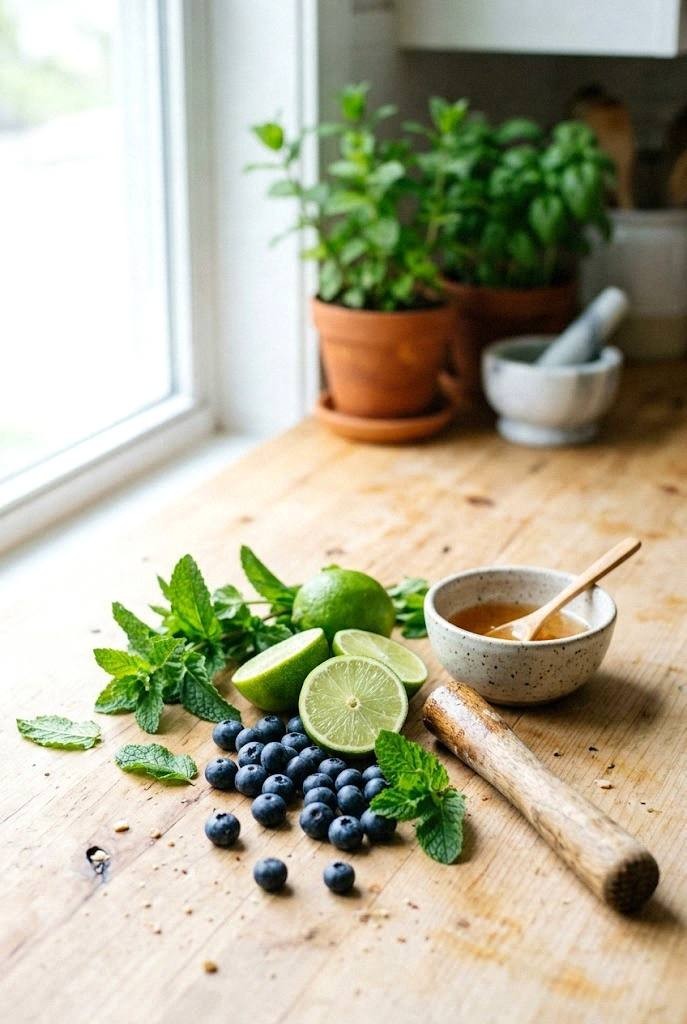
- 1 cup rinsed fresh blueberries
- 1/3 cup measured lime juice; lime count varies
- 2 tablespoons prepared chilled 1:1 simple syrup or 1:1 honey syrup
- 8 rinsed mint leaves
- 1 1/2 cups chilled sparkling water
- 1 cup ice, divided
- 2 rinsed lime wheels and 6 rinsed blueberries for garnish, optional
2 equal drinks; measured berry base plus 6 fluid ounces soda each. Allow 10 minutes with prepared chilled bases; component preparation and chilling are additional as specified below. Use US cup and fluid-ounce measures: 1 cup = 8 fluid ounces, 1 tablespoon = 1/2 fluid ounce. Put ice in glasses and add carbonated mixers gently at service. Never shake carbonated mixers in a closed shaker.
Method
- Muddle blueberries with measured lime juice and prepared syrup until the berries burst. Gently bruise mint, add and refrigerate the base for five minutes.
- Remove mint. Strain if desired, then measure the berry-lime base and divide equally between two 16-fluid-ounce glasses with 1/2 cup ice each. Straining changes output.
- Top each with 3/4 cup (6 fluid ounces) sparkling water, stir gently and serve immediately with optional garnish.
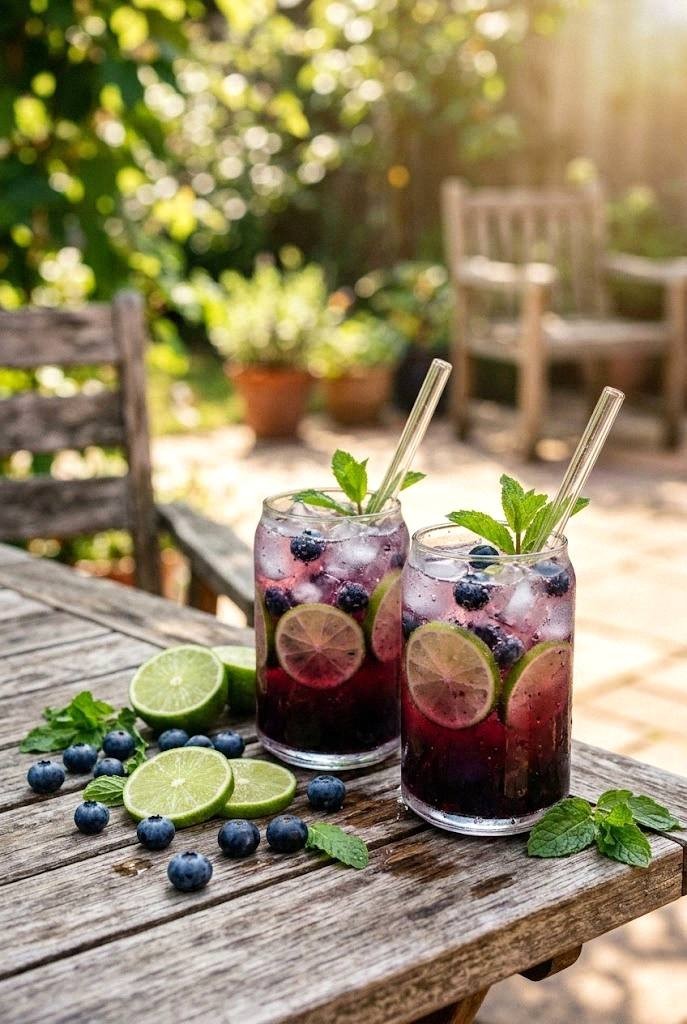
Variations and Yield
The two-drink formula has 15 2/3 fluid ounces listed liquids for the batch before extracted berry juice, pulp and ice; measure actual base and divide equally. This concentrated muddled house formula is different from Yoly’s eight-serving blended, still-water limeade on Allrecipes. Keep its distinct ratio; the comparison does not prove identical flavor or nutrition. The former low-sugar wording had no defined nutrient analysis and is removed.
For less sweetness use 1 tablespoon syrup for the batch and 1 3/4 cups soda, divided into two 7-fluid-ounce soda pours; listed liquid total is 17 1/6 fluid ounces before berry extraction. For a maple flavor option use 1 tablespoon pure maple syrup plus 1 tablespoon cold potable water in place of the 2 tablespoons prepared syrup. It has different flavor/sugar composition and is not an identical substitution.
For eight drinks multiply the base ingredients by four: 4 cups berries, 1 1/3 cups lime, 1/2 cup prepared syrup and 32 mint leaves. Refrigerate five minutes and remove mint, strain if desired and measure base. Divide equally into eight large glasses, each with 1/2 cup ice, and top each with 3/4 cup soda, 6 cups soda total. Use a 3-quart vessel for the uncarbonated base and keep it cold; do not claim simply four times the original assembly time, since muddling/straining capacity matters. Plan about 20 minutes with prepared bases.
For a tea version add 2 fluid ounces prepared chilled green or white tea to each serving before soda; each tea contains caffeine. The batch needs 4 fluid ounces tea. Use large glasses with room for the extra liquid. A salt option uses 1/16 teaspoon table salt for the entire two-drink batch, a house flavor choice. Frozen berries may replace the fresh cup measure after thawing in a covered container in the refrigerator; include thaw juice. Thawing adds time and is not a countertop make-ahead step.
Prepare the Bases First
Simple syrup: heat 1 cup granulated sugar with 1 cup potable water, stirring until dissolved. Cool promptly in small heat-safe containers set in an ice bath, keeping bath water out, then refrigerate. The 1:1 ratio is by volume; measure the finished syrup and take only the pour listed for your drink. Plan about 20-30 minutes including cooling, longer if needed; use the remainder that day or freeze it. Sugar and water cup measures do not add to a guaranteed liquid yield.
Honey syrup: stir 1/2 cup honey into 1/2 cup warm potable water until dissolved, cool promptly and refrigerate. This is the specified 1:1 volume option, not undiluted honey or the stronger 2:1 version. Measure output and the recipe pour; allow about 15-20 minutes including cooling. Use the remainder that day or freeze it; diluted honey does not inherit the storage properties of the original honey.
Tea option: make one cup of labeled green or white tea using its package quantity, temperature and steep time. Remove the bag or strain, cool promptly in an ice bath and refrigerate; measure 4 fluid ounces for the two-drink batch. Brewing and cooling add about 20-30 minutes, longer if needed. The tea contains caffeine; use extra prepared tea that day or freeze it.
Use prepared syrups and bases the same day and freeze extra, a conservative handling plan rather than a shelf-life study. Refrigerate promptly in small clean containers at 40 F (4 C) or below. Discard after more than two cumulative hours without cold holding, or one hour above 90 F (32 C). Do not wait for a large batch to cool on the counter. Normal smell and appearance do not establish safety. Wash hands and equipment. Rinse produce and culinary herbs under running water before cutting; scrub melons and cucumbers before peeling. Use only correctly identified ingredients grown for food, never florist flowers or plants treated with pesticides unsuitable for food crops.
Serving and Review Limits
Use at least 12-fluid-ounce glasses for the standard pours, larger glasses for optional additions. Keep pitchers and perishable garnishes at 40 F (4 C) or below in ice baths or a cooler. Use clean ice scoops and tongs; serving ice is separate from ice bathing the containers. Prepare for same-day service, keep a cold backup and freeze extra base before the holding limit is exceeded. Do not replenish a warm old batch with fresh base. Spirits do not make a juice pitcher shelf stable. Commercial mixers and prepared syrups follow their labels. Check labels for alcohol and caffeine, especially ginger beer, bitters, zero-proof aperitifs and fermented ingredients. Fermented tepache cannot be promised alcohol-free. These are TFA culinary adaptations, checked for quantities and handling against the sources below. They have not been kitchen tested; source comparisons do not certify flavor, shelf life or medical suitability.