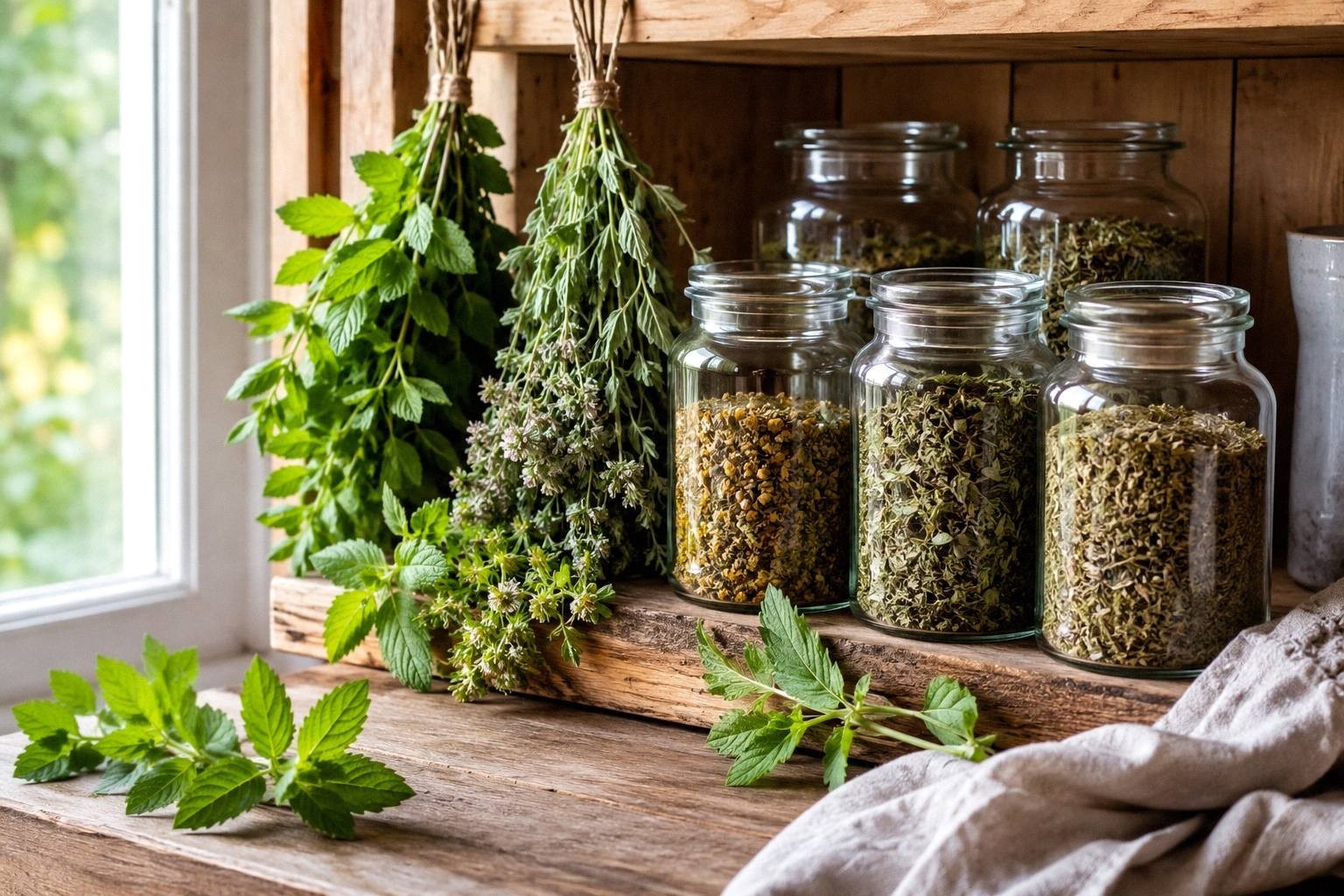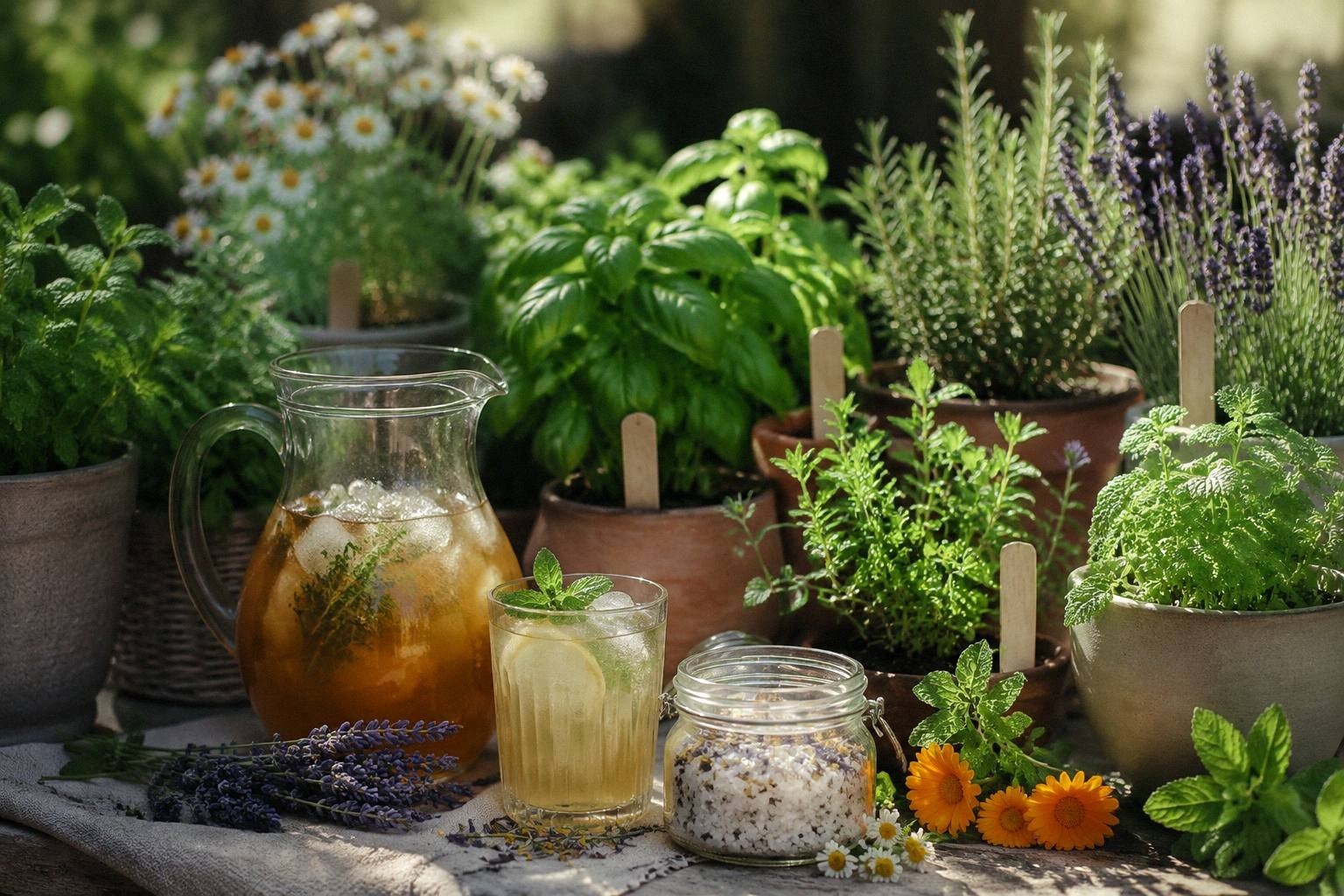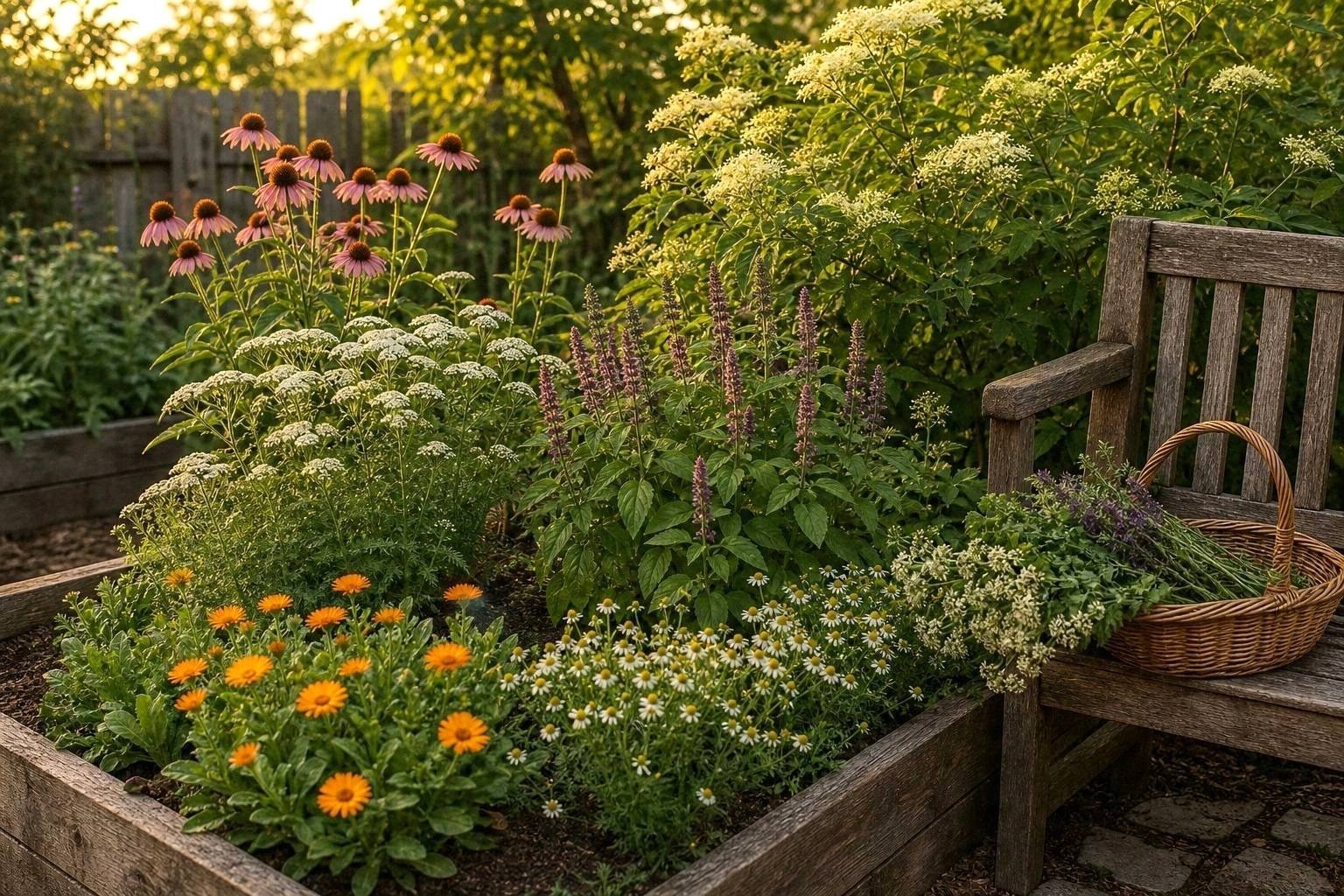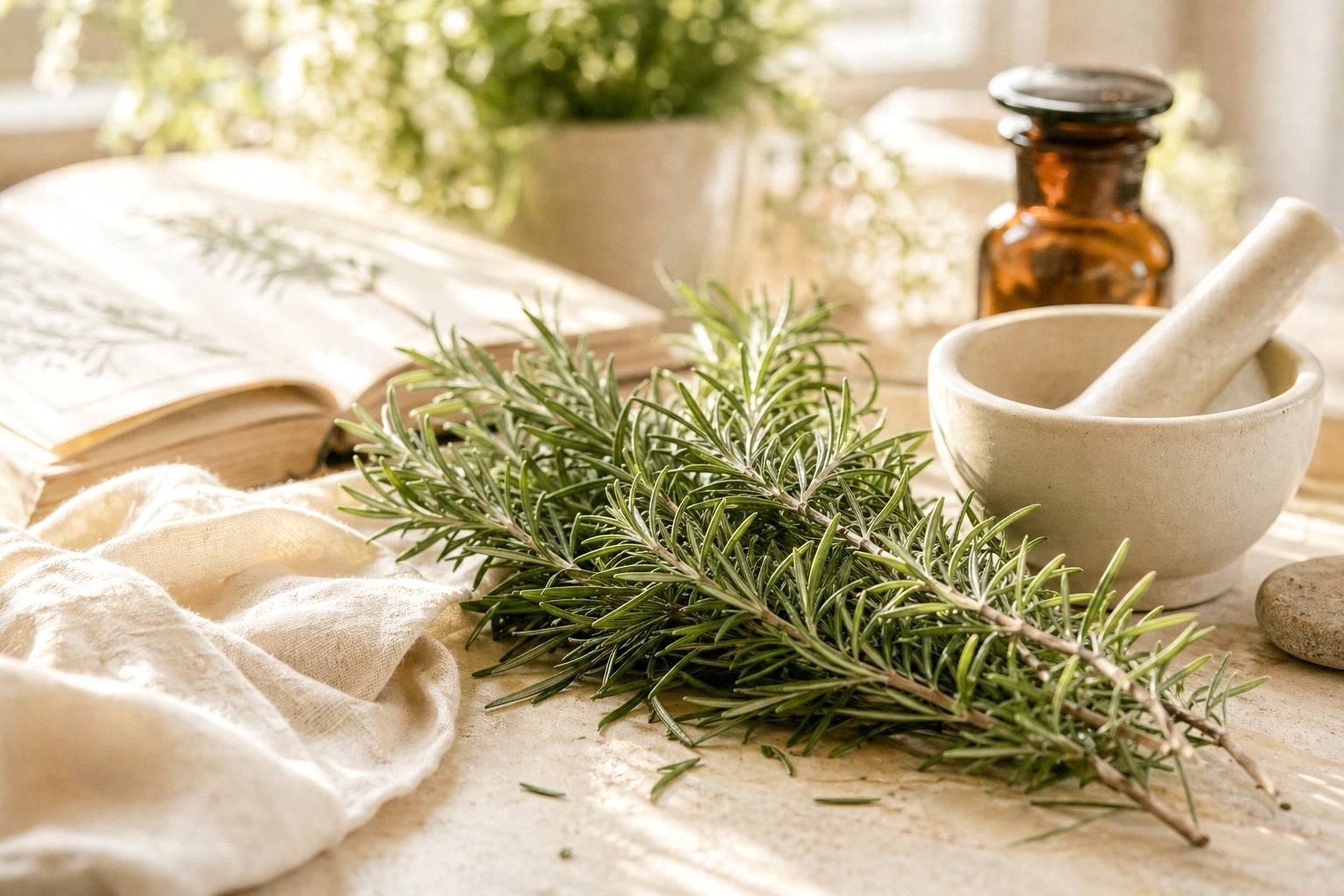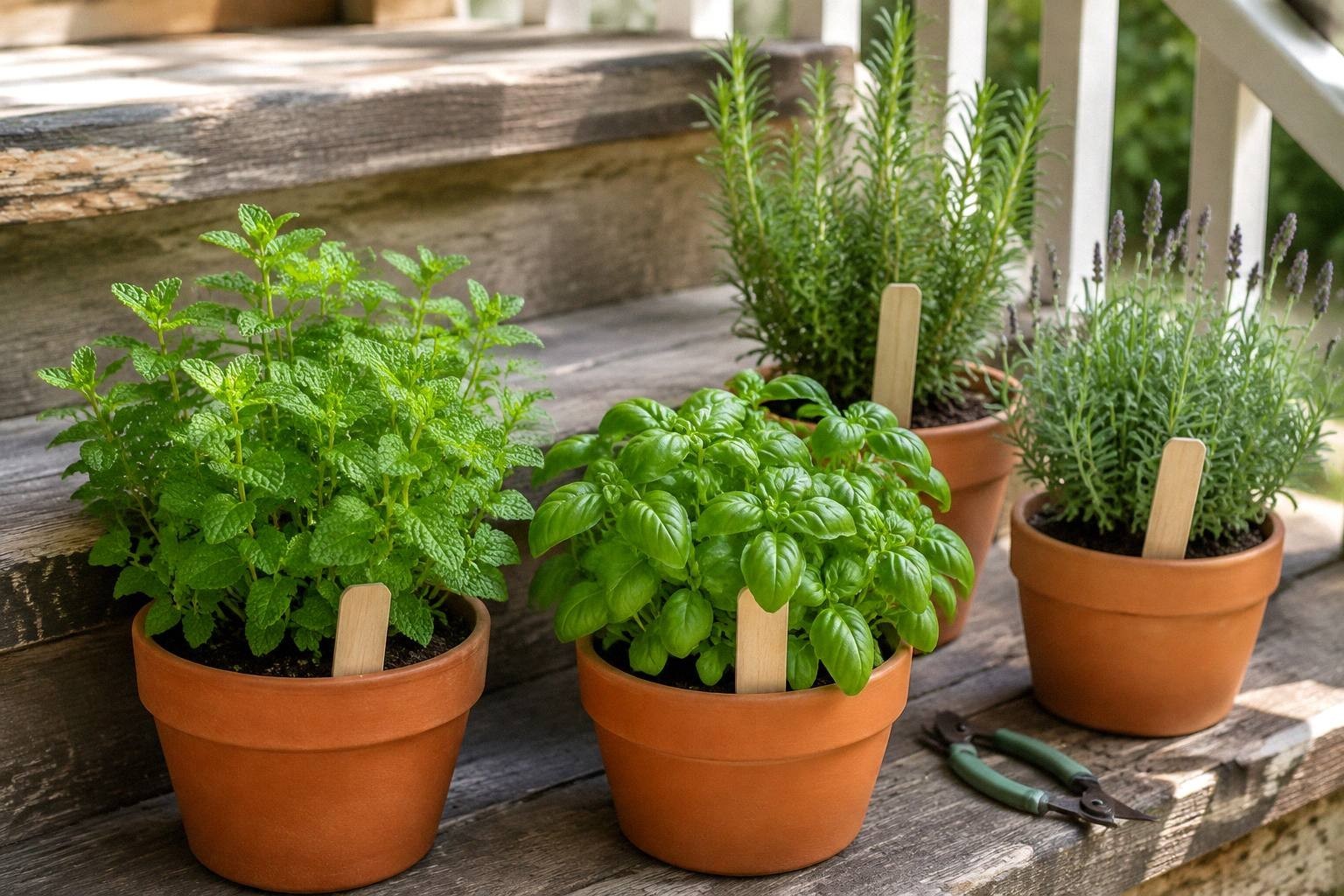
Four nursery herbs can give a porch its own drink ingredients. Mint and basil suit frequent small harvests; rosemary and lavender need different watering and pruning. Planting takes about 45 minutes. The growing and harvest period is separate and depends on plant size, climate and care. Four pots do not guarantee one summer’s output or a fixed savings amount.
Supplies and Container Capacity
- One labeled culinary spearmint plant, Genovese basil plant, rosemary plant and English lavender (Lavandula angustifolia) plant, purchased for food growing
- Three pots around 12 inches wide and one lavender pot 12 to 16 inches wide, sized to the starts, all with drainage holes
- Peat-free container compost suitable for culinary herbs; moist-retentive for mint/basil, free-draining for rosemary
- Coarse horticultural grit for lavender, three parts compost to one part grit by volume
- Four labels, watering can and clean pruning scissors
Pot diameter alone does not give compost capacity: depth, taper and rootballs matter. Read or measure each pot’s capacity and buy enough mix to fill around the rootballs, leaving watering space below the rim. A two-cubic-foot bag is about 56.6 litres but is a shopping estimate, not a guaranteed four-pot amount. Two cups grit shared between large pots would not establish the drainage ratio.
For a 4-litre lavender mix, measure 3 litres compost and 1 litre grit; scale both equally for the actual pot. RHS recommends coarse grit up to 25 percent by volume. Use a suitable ready-made free-draining rosemary mix according to its label, instead of assuming lavender’s exact mix suits every rosemary container.
Planting the Four Pots
- Choose a sunny, stable spot that does not obstruct porch steps or walkways. Basil, rosemary and lavender prefer full sun; mint can take partial shade. Six hours is a planning target, not a universal growth guarantee.
- Harden nursery starts to outdoor conditions according to supplier instructions and plant tender basil only after local frost risk has passed and weather is warm.
- Put mint in its own pot to contain runners. Use the selected mixes and set each rootball at its previous planting depth. Fill around it, firm gently and leave watering space below the rim.
- Water thoroughly until surplus drains. Empty saucers so roots do not sit in water. Label species, especially plants intended for food.
- Check moisture regularly. Keep mint/basil evenly moist without waterlogging. Water container rosemary and lavender when the mix begins to dry; newly planted lavender needs water while establishing. Do not deliberately dry an entire rootball several inches deep by a fixed schedule.
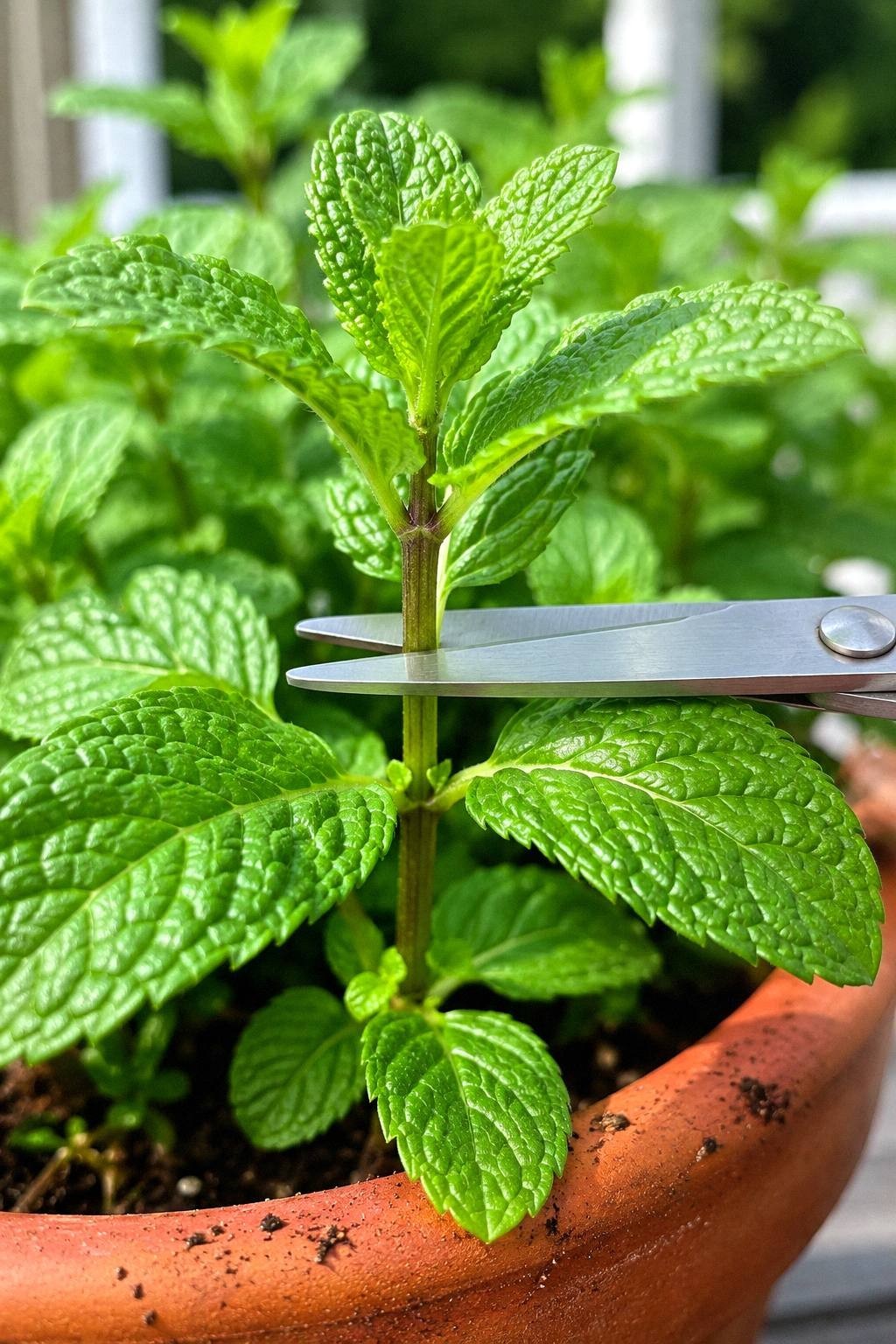
- Harvest small amounts only after established new growth appears. Leave ample foliage to recover. The following cuts differ by herb.
Harvest and Upkeep
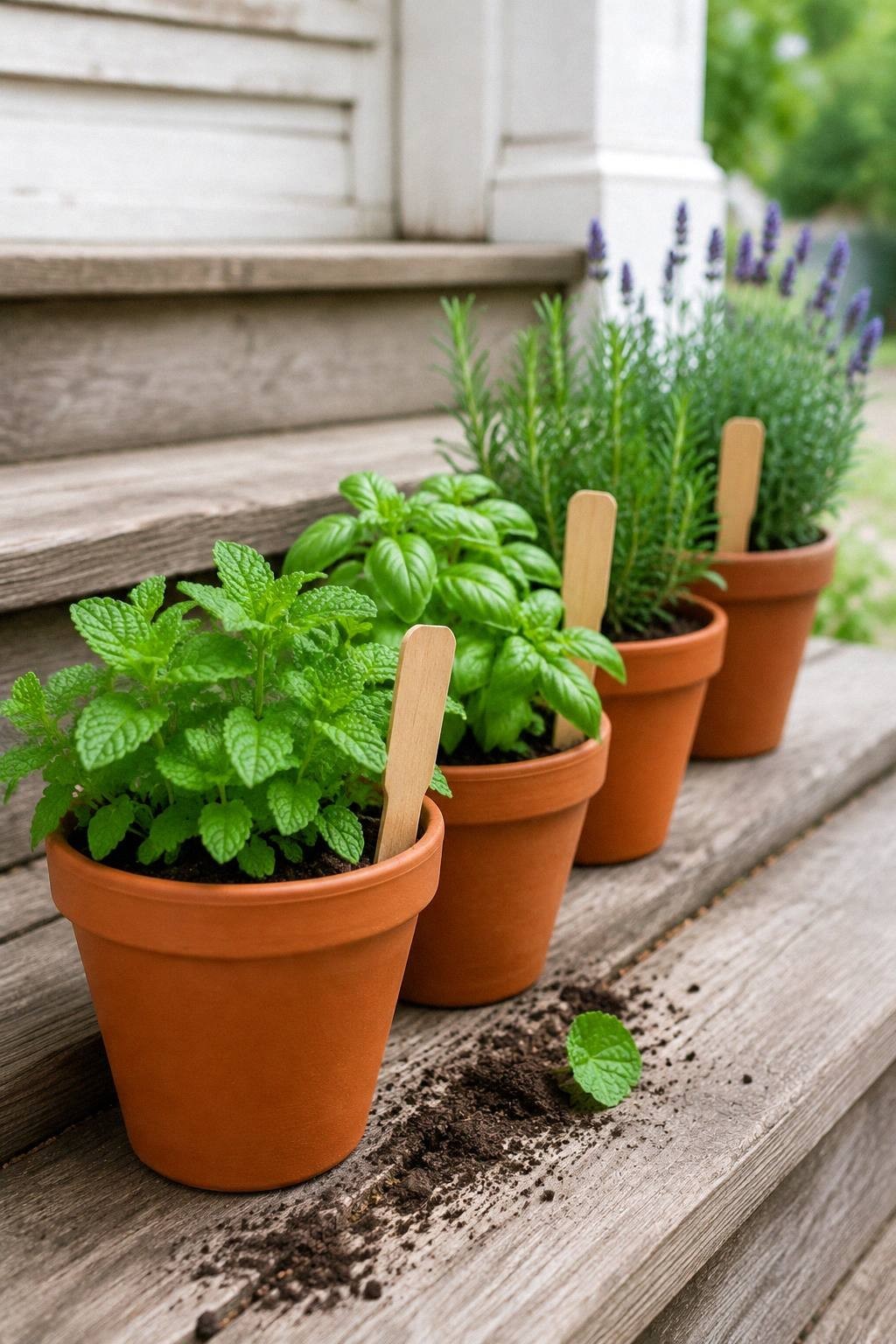
Mint and basil: cut tender tips above a pair of leaves to encourage branching; remove basil flower tips to prolong leaf harvest. Flowering does not mean a plant instantly stops producing leaves. Rosemary: take soft new tips without cutting into bare old wood. Lavender: harvest flower stems from identified culinary plants and prune lightly within leafy growth; do not cut into bare wood. The old ‘always cut above a node’ instruction was too broad for woody herbs and flower stalks.
Take no more than roughly a third of current leafy growth as a conservative harvesting habit, then wait for healthy regrowth rather than promising recovery in one week. Established vigorous mint may be cut back to encourage new shoots, but do not cut stressed or newly planted starts to two inches on an arbitrary July date. Water, divide and repot mint as needed. Feed container plants according to compost/fertilizer labels and growth; a universal half-strength dose every two weeks is not a complete product instruction.
Protect container roots in winter according to local temperatures and cultivar hardiness. Rosemary survival is not guaranteed by a zone number, and indoor rosemary needs light, ventilation and careful watering. Lavender’s mature drought tolerance does not justify neglecting a new potted plant.
From Harvest to Measured Syrup
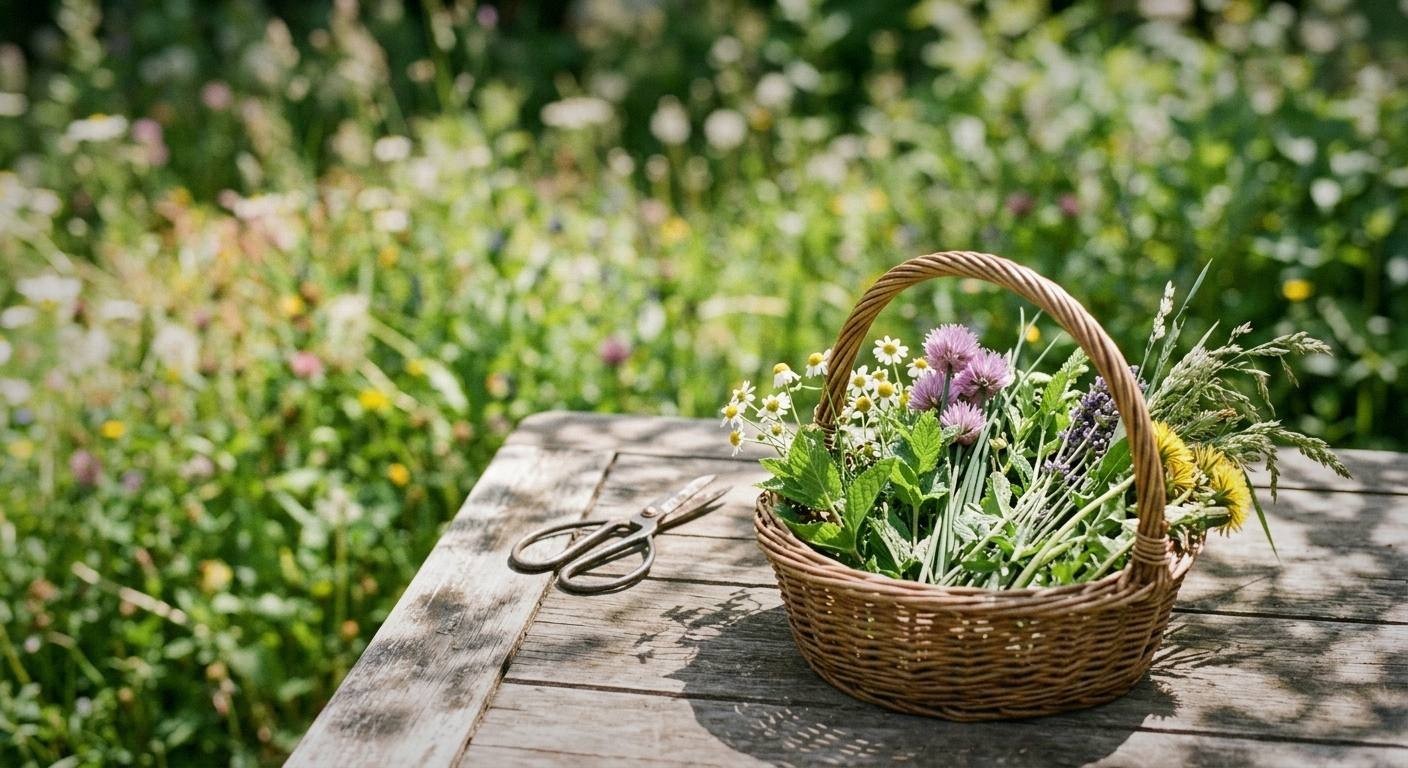
Wash hands and scissors; rinse leaves or culinary flowers under running water before preparing. Only use identified edible plants grown without treatments unsuitable for food crops. A nursery plant’s ornamental label alone does not establish food use. Food safety cannot be inferred from a photograph or plant smell.
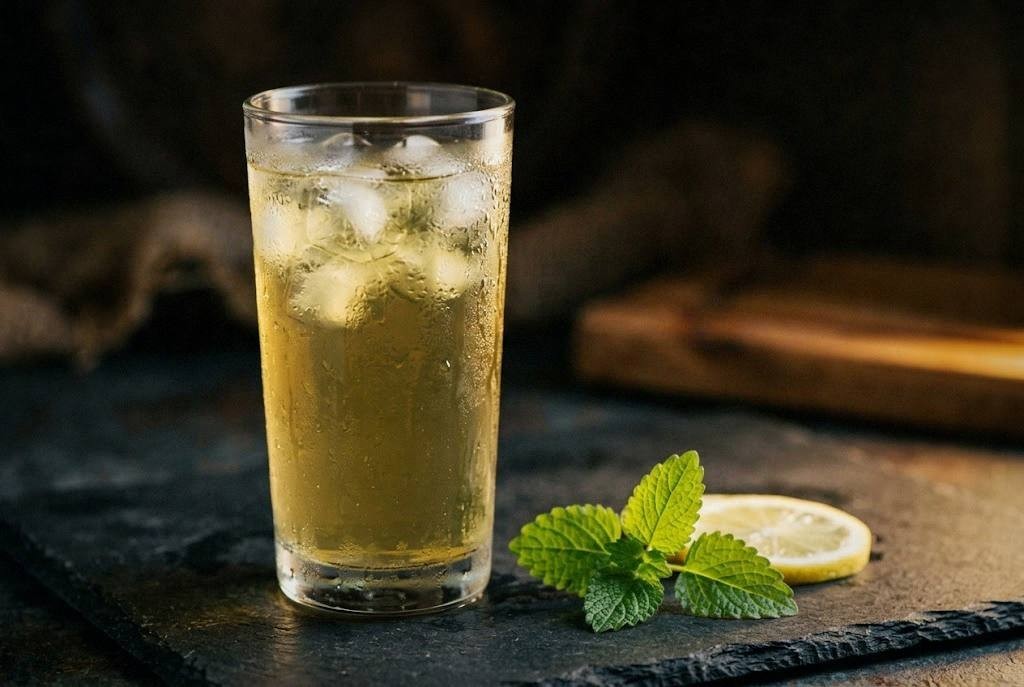
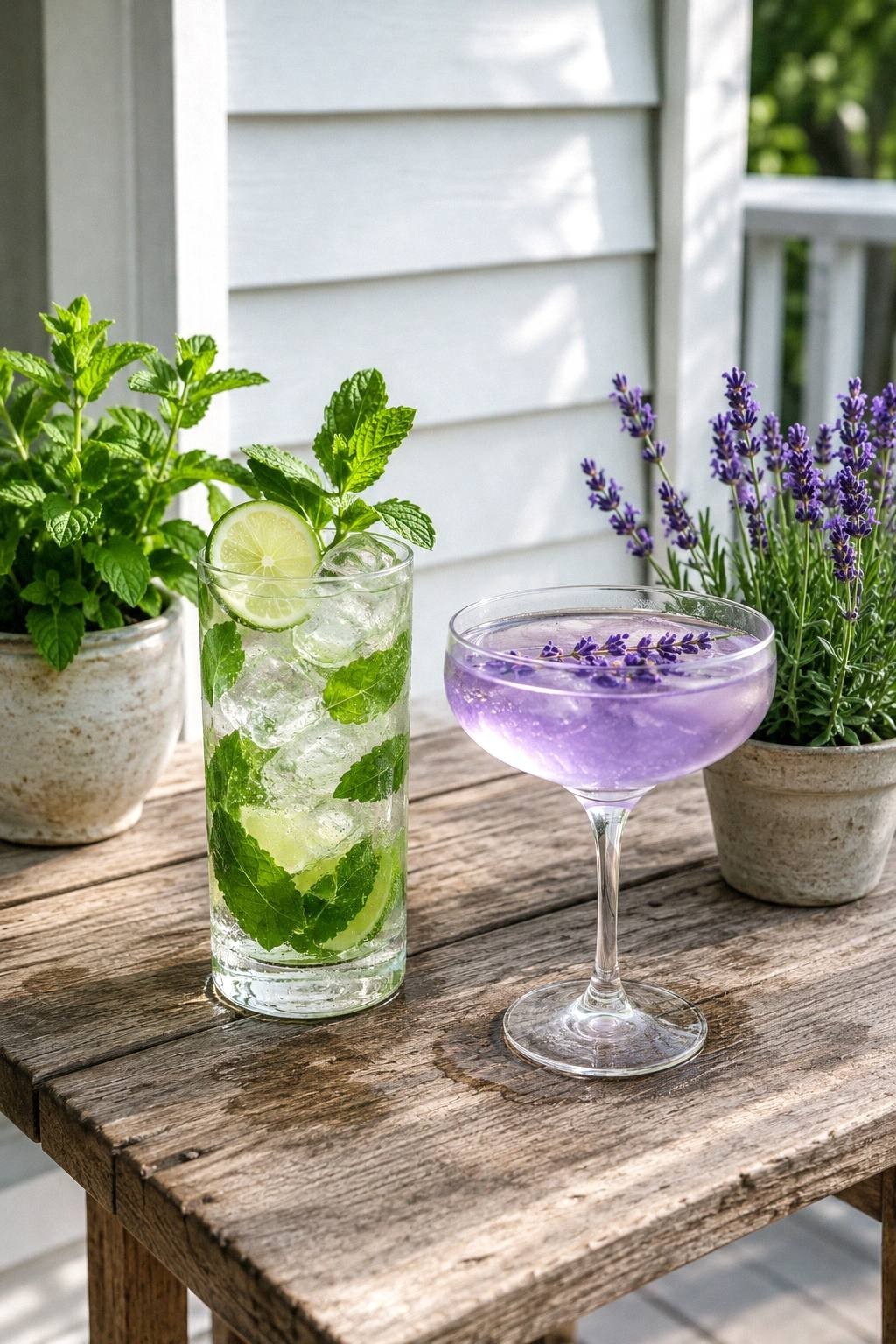
Do not turn 1/2 cup of any herb into the same syrup. Use the measured herb syrup guide : its tender leaves, woody herbs and lavender have separate quantities and clocks. That is a complete linked preparation, not an identical half-cup method. The mint limeade and lavender lemonade have full measured methods. Other named cocktails are inspiration links, not extra procedures invented in this garden tutorial.
| Herb | Drink inspiration |
|---|---|
| Mint | Mint mojito , mint limeade |
| Basil | Cucumber basil martini , watermelon basil pitcher |
| Rosemary | Rosemary grapefruit spritz , measured syrup |
| Lavender | Lavender lemonade , lavender honey lemon mocktail |
Windowsill, Renter and Other Herb Options
Use pots that fit the rootball with room to grow, drainage holes and saucers; a six-inch pot may be temporary and need repotting. A bright south-facing window can work for tender herbs, but actual light and growth determine whether supplemental light is needed. Follow a grow-light manufacturer’s distance and duration instructions rather than promising twelve hours with an arbitrary small lamp will keep every plant producing. Rotate pots for even light.
Indoor mint, basil and rosemary need individual care; lavender generally does better outdoors in sun. A second basil or identified culinary lemon balm is an optional replacement, in its own pot with moist, free-draining compost. Thyme is another optional sunny, well-drained pot; harvest soft leafy tips and avoid bare wood. These substitutions do not promise the same yields or use identical syrup amounts. Rinse culinary harvests, prepare through a complete drink recipe and refrigerate cut herbs promptly. Do not store harvests in warm water on the drink table.
This is a horticultural guide, not a food recipe, so it has no Recipe schema or printable ingredient card. No plants or growing conditions were physically tested for this audit.