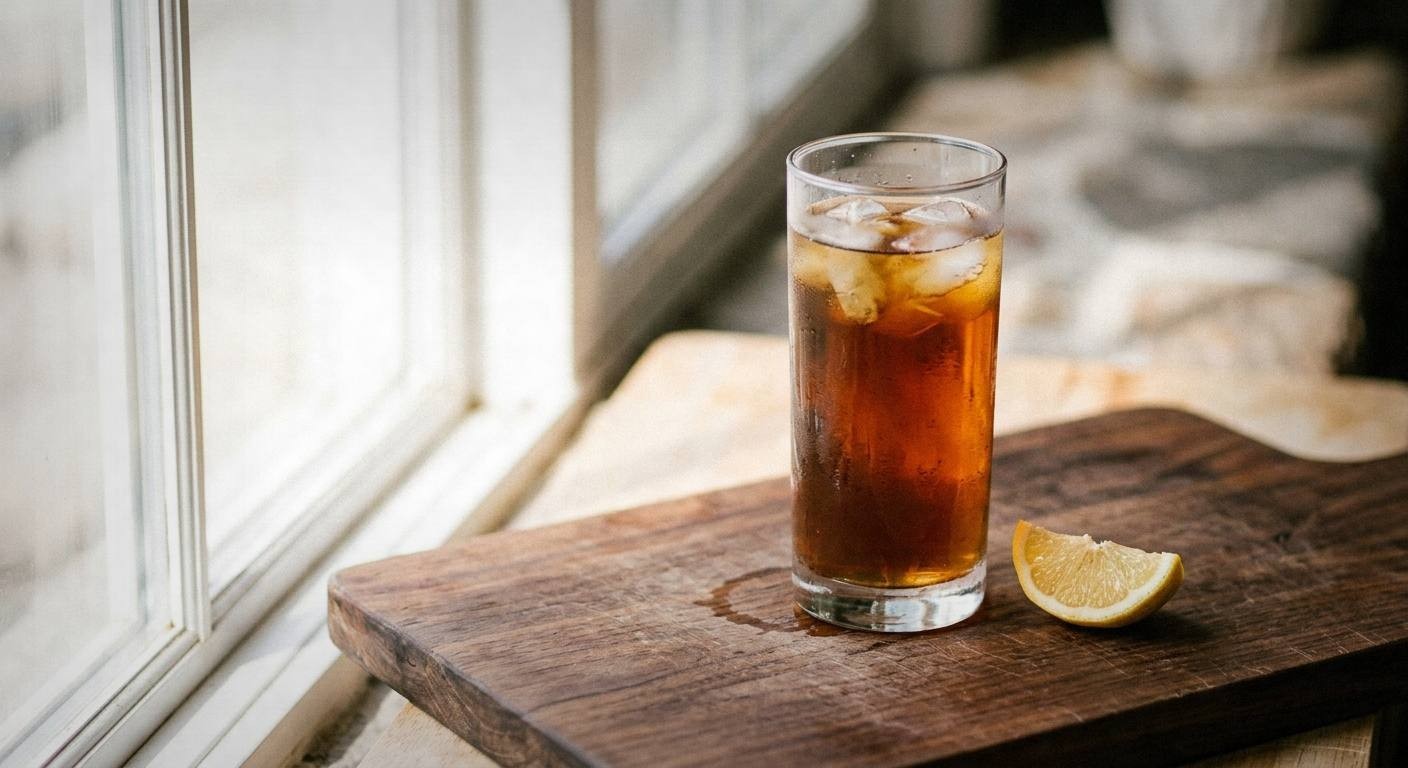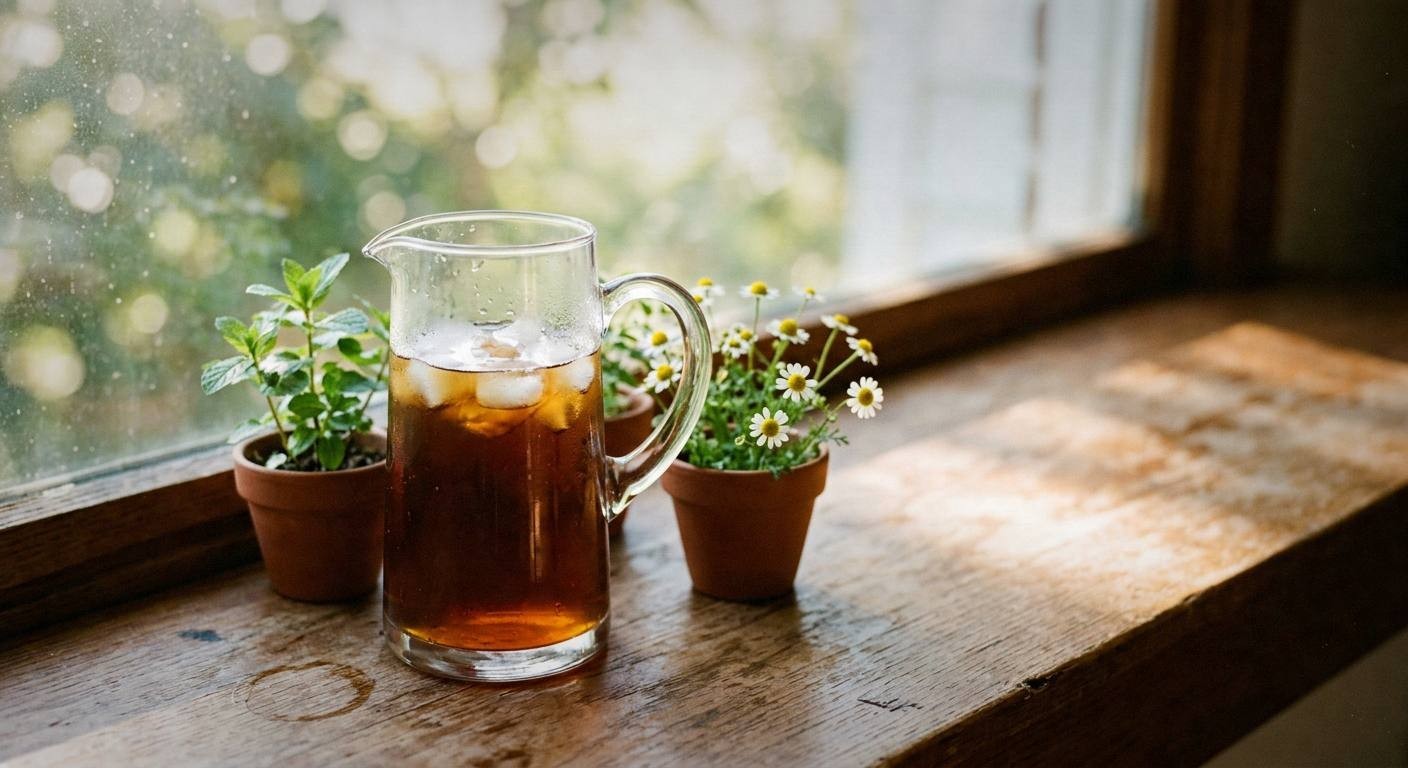
Grow herbs for flavor, not a promised medical effect. Mint, lemon balm, German chamomile, culinary English lavender, holy basil, food-grown rose and lemon verbena can supply a tea garden when correctly identified. Choose food-grown starts, identify the species and cultivar, and confirm local suitability with Extension. This page is a gardening and multiple-blend guide, not a one-serving recipe containing soil and fertilizer. For a separate guide to identifying culinary plants before gathering outdoors, see this spring foraging guide .
Growing and Harvesting
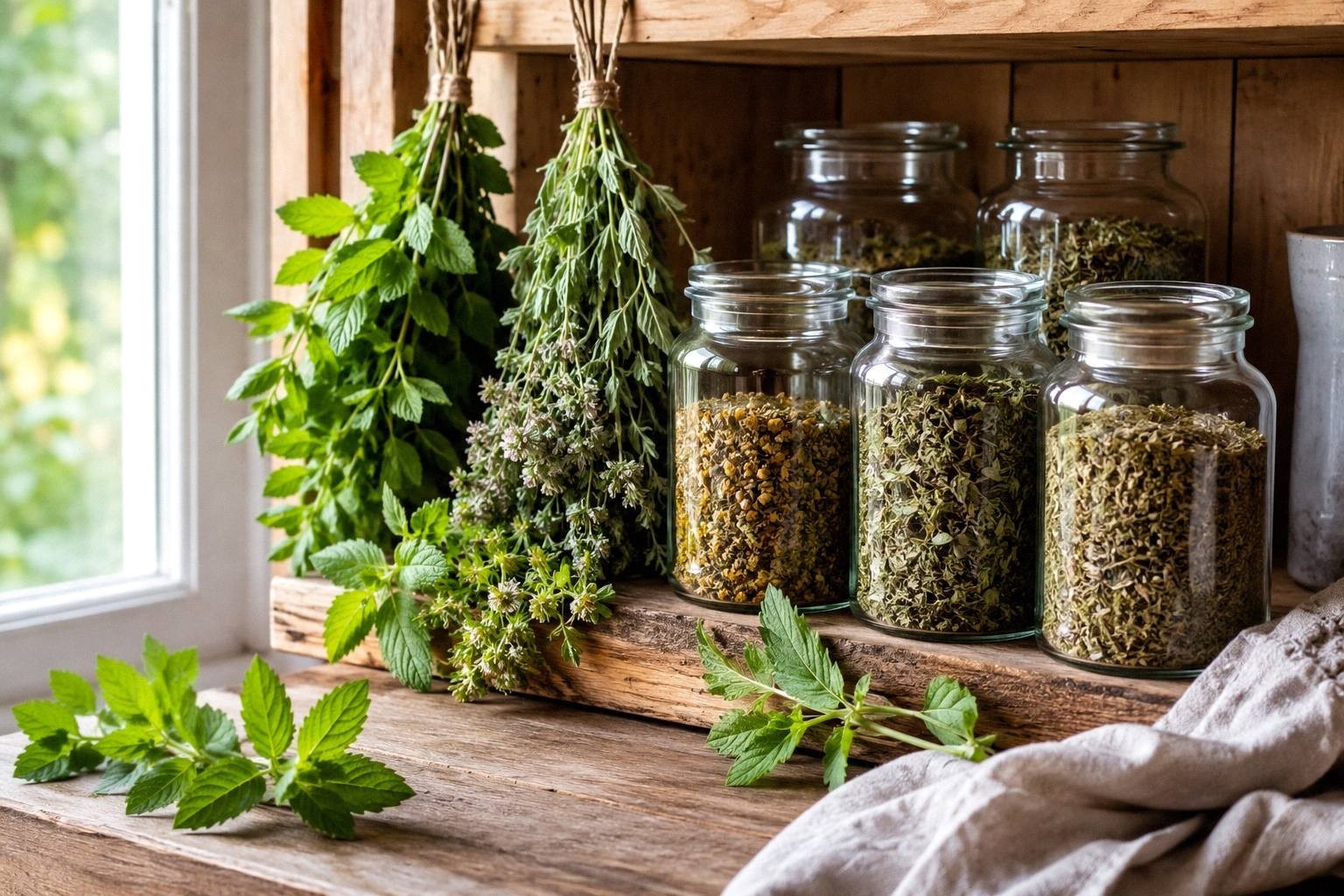
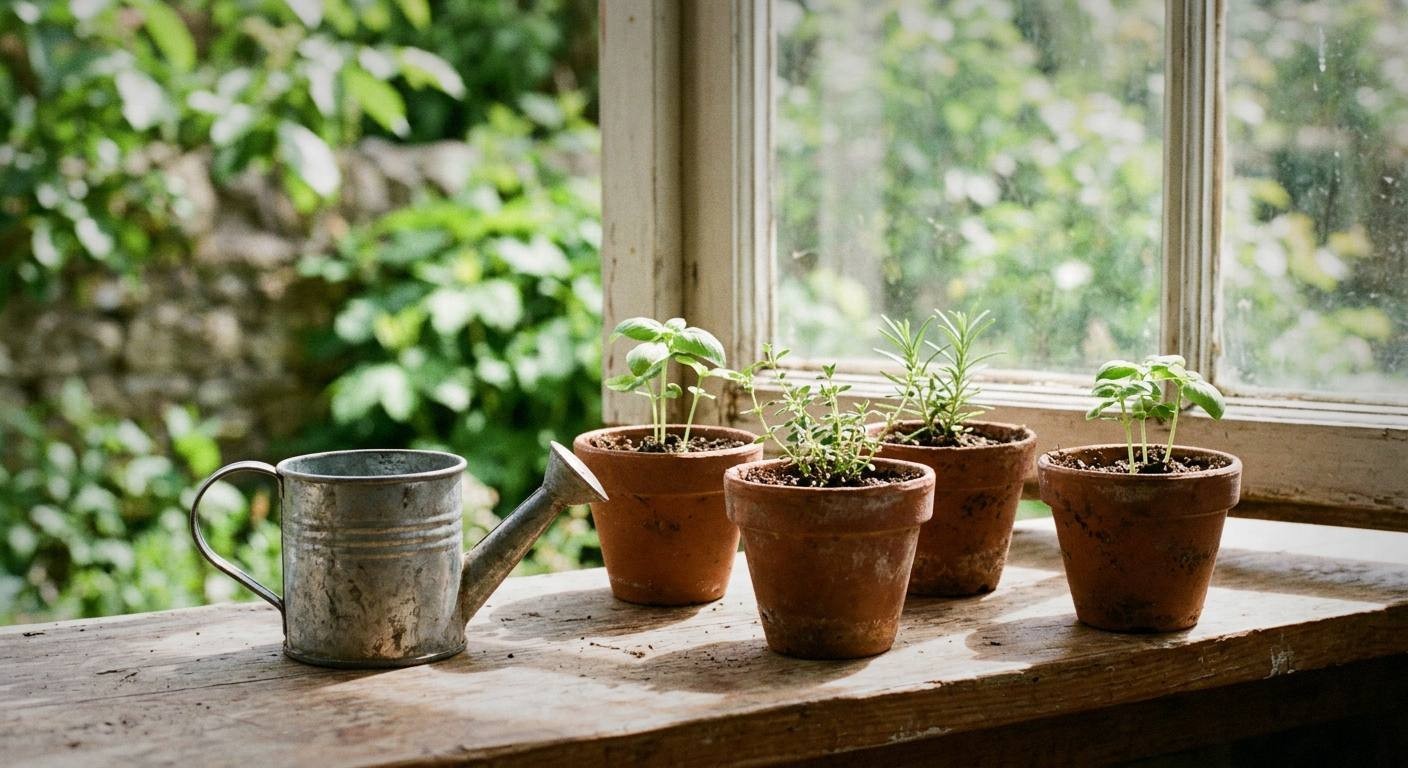
University of Minnesota Extension describes herb gardening with sun, drainage and plant-specific watering. Start mint in a separate pot to limit spread. Lavender particularly needs drainage. Frost-sensitive holy basil and lemon verbena wait until local frost risk has passed. Buy pots sized to the mature cultivar; use the plant label for spacing and hardiness. Do not impose one March planting date, one hardiness range, one soil amendment or one watering interval across all eight herbs.
Use a labeled fertilizer only at its manufacturer rate; fish emulsion is not always one tablespoon per gallon. Harvest healthy leaves or flowers after dew dries, leaving enough growth for the plant to recover. Plants grown from seed and mature starts do not share a guaranteed three-week or four-to-eight-week harvest. Indoor yield depends on light and cultivar. The earlier annual cost, daily cup yield and self-seeding guarantees are removed.
Three Measured Culinary Blends
These house flavor combinations use fresh, rinsed plant material. Virginia Cooperative Extension’s Master Gardeners of Northern Virginia gives a starting measure of about 1 tablespoon fresh leaves per 8-ounce cup; this is flavor guidance, not a medicinal dose. BfR’s boiling-water/minimum-five-minute preparation takes priority over any cooler-water flavor suggestion.
| Blend | One cup’s plant material |
|---|---|
| Mint, lemon balm and chamomile | 1 1/2 teaspoons lightly chopped fresh peppermint , 3/4 teaspoon fresh lemon balm and 3/4 teaspoon fresh German chamomile flowers |
| Tulsi and spearmint with rose | 2 teaspoons lightly chopped fresh food-grown holy basil, 3/4 teaspoon fresh spearmint and 1/4 teaspoon food-grown fresh rose petals |
| Lemon verbena with mint | 3/4 teaspoon lightly chopped fresh lemon verbena and 2 1/4 teaspoons fresh spearmint |
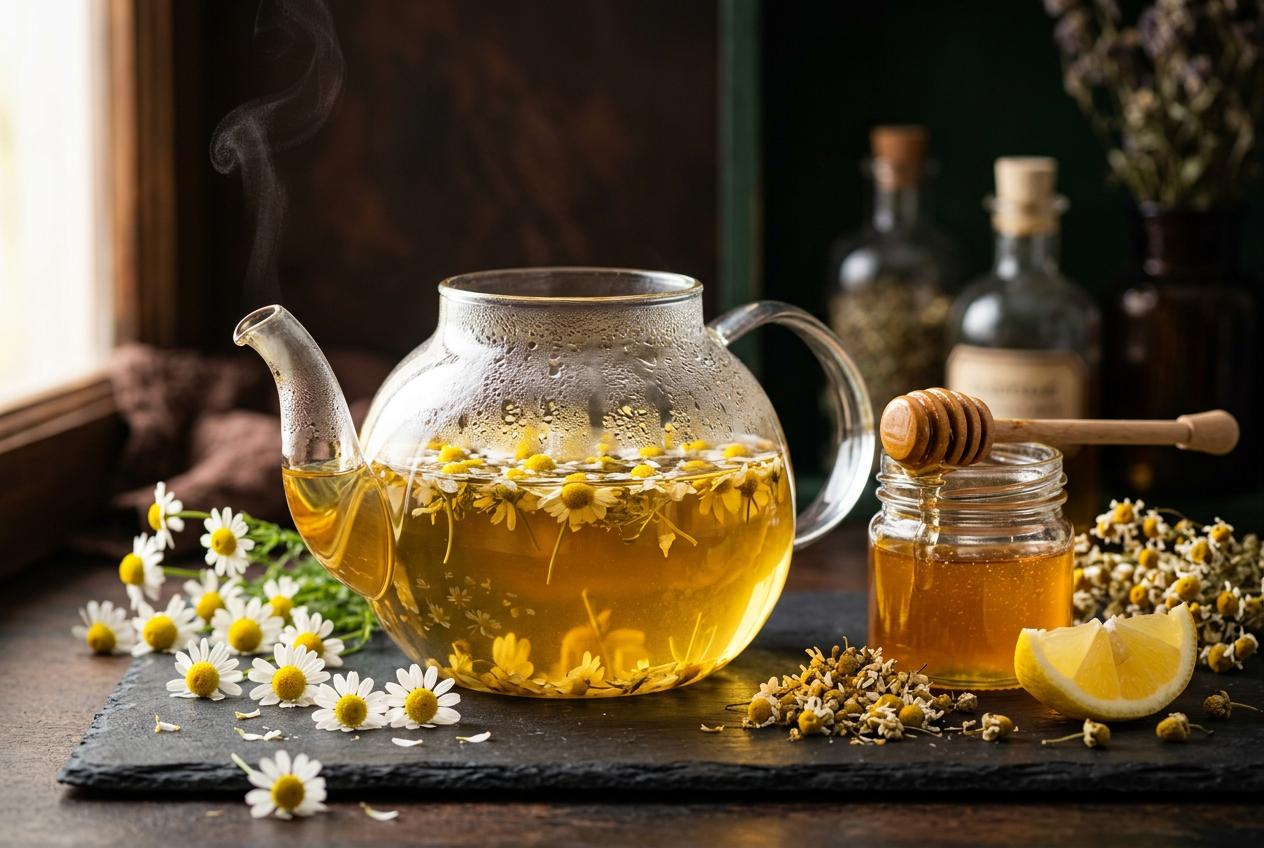
For each blend pour 1 cup freshly boiling potable water over the measured ingredients in a heat-safe mug, cover for at least 5 minutes, then strain. Allow about 15 minutes including prep and water heating. The finished cup may be slightly smaller because plants absorb water. For a chamomile-only variation use 1 tablespoon rinsed fresh German chamomile flowers per cup with the same method; counting three flower heads is not a dependable spoon conversion. For a lavender accent replace 1/4 teaspoon fresh mint with 1/4 teaspoon fresh culinary lavender flowers; do not substitute essential oil or an unidentified ornamental.
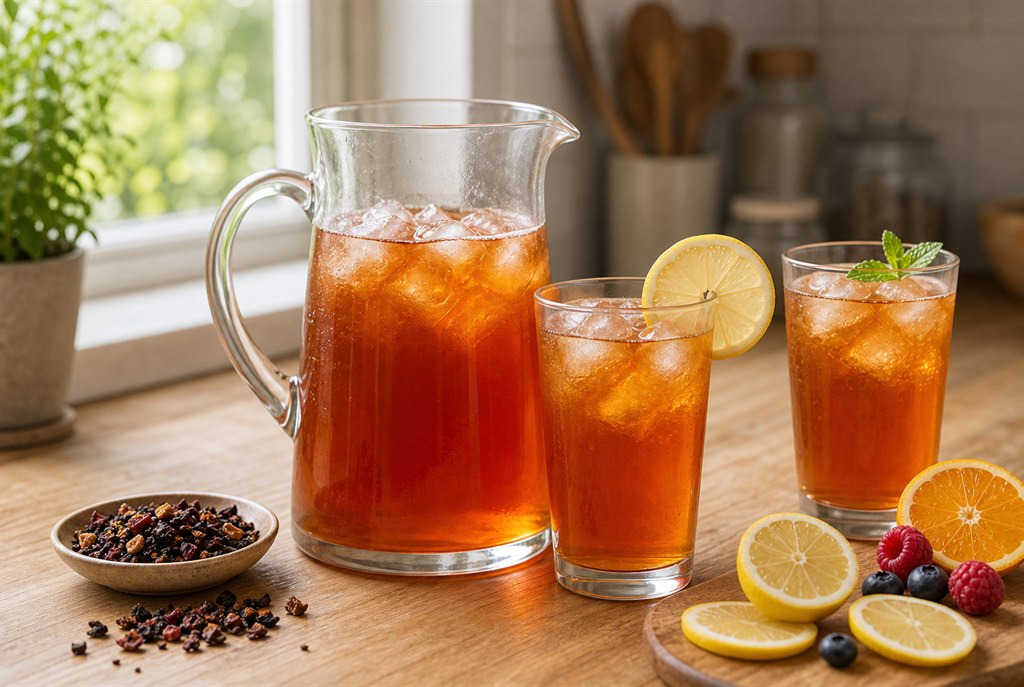
For four starting cups, multiply plant amounts by four and use 4 cups boiling water in a heat-safe vessel. Strain after at least 5 minutes, then cool promptly in a small vessel in an ice bath and refrigerate before pouring over ice. Allow about 35 minutes including cooling, which varies. The former raw overnight cold brew and below-boiling herbal preparation are replaced. Chilling is a serving choice after hot preparation.
Drying the Harvest
Follow NCHFP’s drying guidance: tender mint and lemon balm must dry quickly with good airflow to avoid mold. Rinse and pat dry, use small batches and clean ventilated racks or paper bags with air holes. Dry until crisp and crumbly, not for an automatic five-to-seven-day calendar. Store fully dried material in a closed clean jar in a cool, dark, dry place; label identity and date and watch for moisture. Discard moldy herbs. Drying preserves ingredients but does not sterilize them for a cold infusion.
For more detail on harvest timing, drying methods and storage, see the guide to drying and storing herbs for tea .
For a dried mint cup use 1 teaspoon identified food-grade dried mint and 1 cup freshly boiling water; steep at least 5 minutes or the longer package time. Do not apply a single fresh/dried multiplier to every flower, root or concentrated extract. The former half-quart loosely packed herb measurement and universal bud/leaf counts are withdrawn.
Serving and Storage
Wash hands and equipment. Rinse produce and culinary herbs under running water before cutting; scrub melons and cucumbers before peeling. Use only correctly identified ingredients grown for food, never florist flowers or plants treated with pesticides unsuitable for food crops. Refrigerate promptly in small clean containers at 40 F (4 C) or below. Discard after more than two cumulative hours without cold holding, or one hour above 90 F (32 C). Do not wait for a large batch to cool on the counter. Normal smell and appearance do not establish safety. Brew for immediate drinking, or use refrigerated tea within the day and freeze extra; this is a conservative plan rather than a shelf-life study. Label herbs for allergies and ingredients; culinary use does not certify pregnancy or medication suitability. No calming, digestive, bedtime-treatment or cost-saving claim is established. No growing trial, kitchen or storage testing was performed.