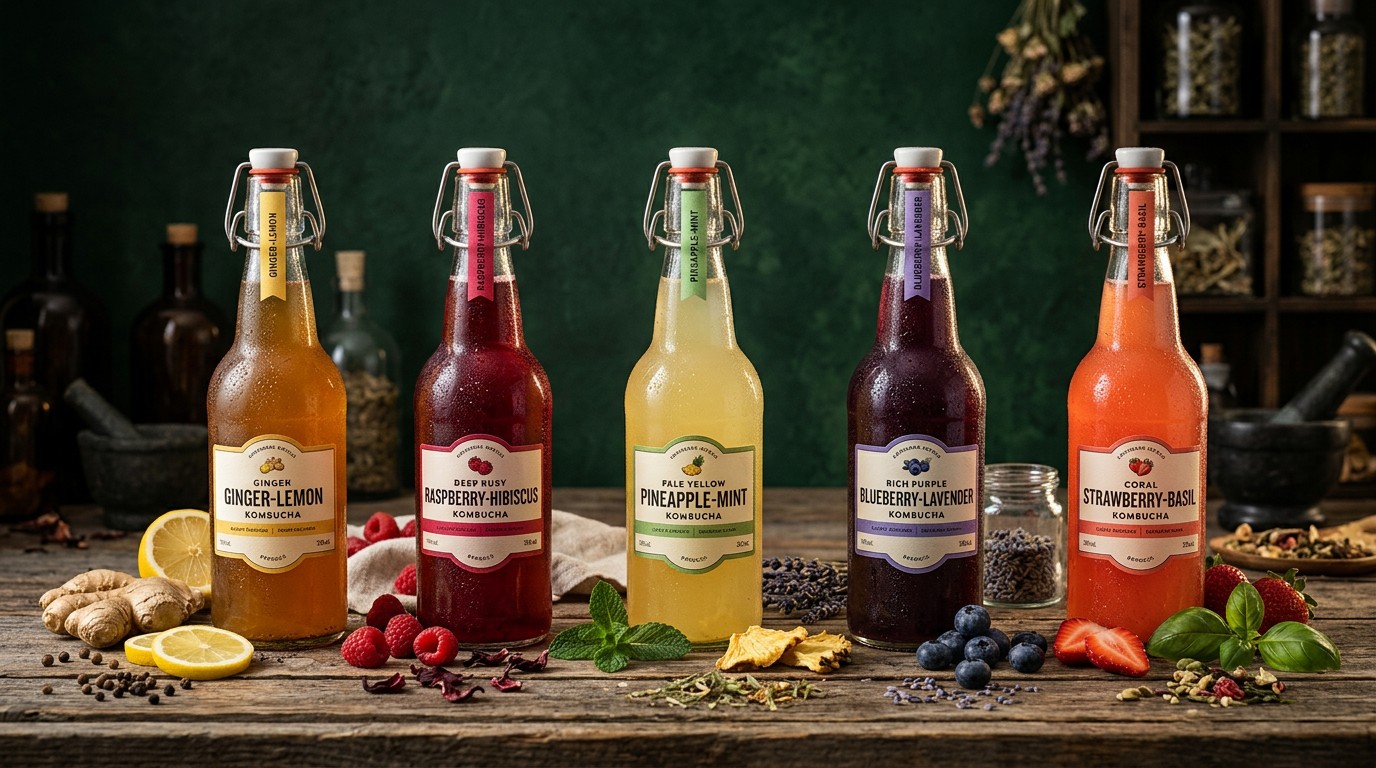
Drinks marketed as living or probiotic sodas vary in their cultures, ingredients and processing. Read the individual product label; the category name does not establish a microbial count, digestive benefit or storage requirement.
What Makes a Soda “Living”
A live-culture label describes organisms the manufacturer says are present. Fermentation and adding a culture to a finished drink are different production methods; neither alone establishes a health benefit. Viability and the final sugar content depend on the product, processing and storage.
Probiotic vs Prebiotic Sodas
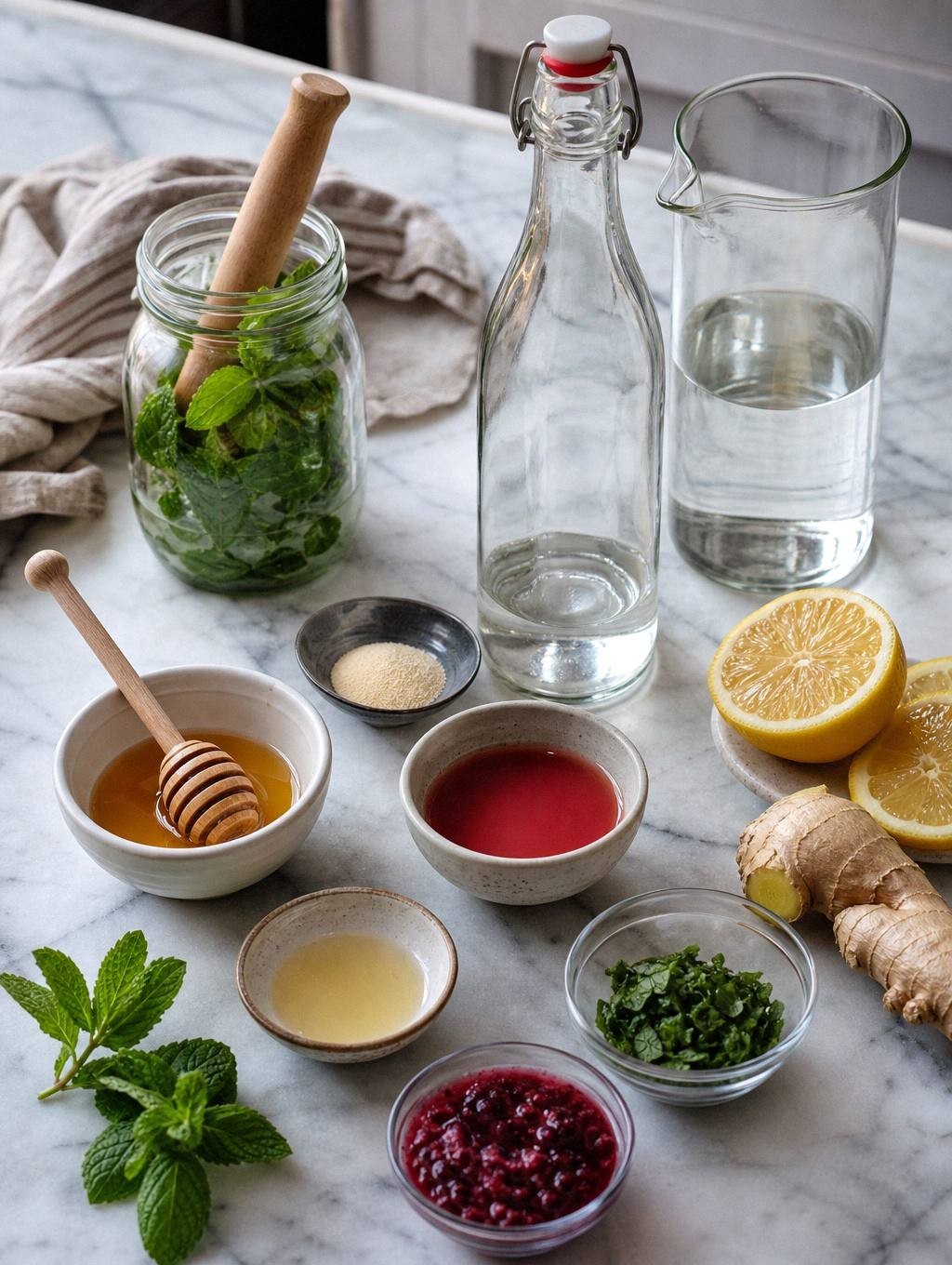
NCCIH distinguishes probiotics, live microorganisms intended to confer a health benefit, from prebiotics, food components that selectively support desirable microorganisms. These terms are not interchangeable.
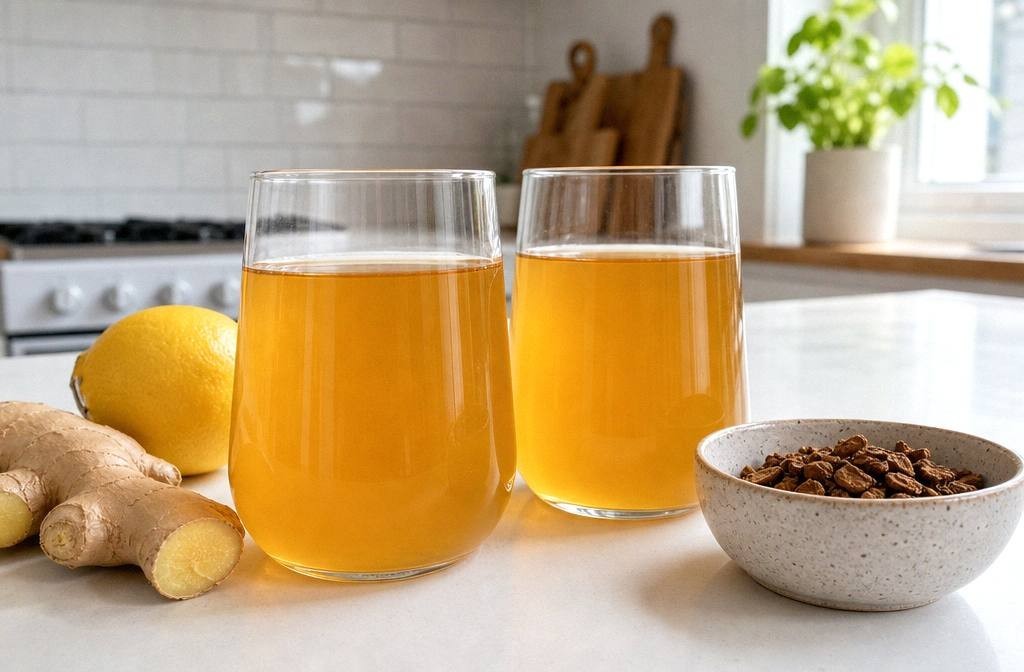
The former chicory, banana-flour and flax drink is not a ready-to-drink soda option: its preparation and consumption directions are withdrawn in this prebiotic drink preparation hold .
| Label term | What to check |
|---|---|
| Live cultures or probiotic | Named organisms, product evidence and manufacturer storage directions |
| Prebiotic | Listed fiber or other ingredient and its amount |
| Fermented | Whether cultures remain alive after processing; fermentation alone is not a clinical benefit |

Refrigeration and Shelf Life
Follow the specific manufacturer’s storage and use-by directions. Do not assume every live-culture soda needs refrigeration or every prebiotic product is shelf-stable. Continued fermentation can change alcohol, pressure and flavor in some drinks; a warm bottle or a preferred taste cannot establish safety.
What They Taste Like
Flavor and texture vary with the ingredients, sweetness, acids and carbonation. Compare products by their labels and your flavor preferences rather than assuming a universal creamy texture, lower sugar content or milder acidity.
Reading the Label
Check serving size, total and added sugars , caffeine, named cultures and any manufacturer storage directions. A culture name or colony-forming-unit count does not establish that the product has been clinically studied for your intended use. Organic certification and visible sediment do not prove probiotic effectiveness or product safety.
Gut Health Claims and Evidence
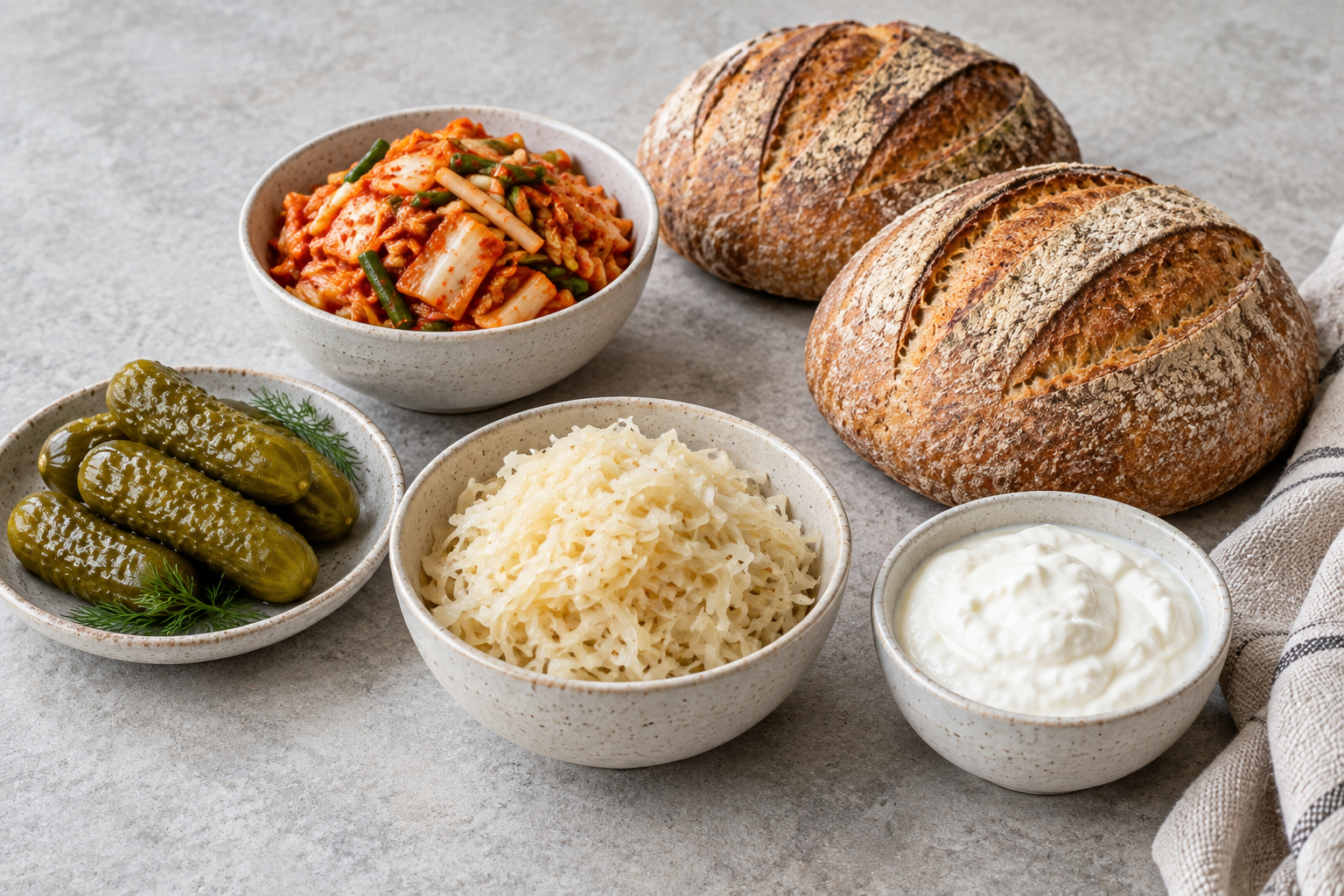
NCCIH explains that effects depend on the organisms and their use. Results for a particular studied strain cannot be assumed for another culture or a soda. This guide establishes no comparative bacterial-count advantage over yogurt, kefir or fermented vegetables and no universal benefit from prebiotic soda.
Regulation depends on intended use and product category. NCCIH distinguishes structure/function claims from disease-related claims and drug approval requirements. A label claim is not proof of effectiveness, and absence of premarket FDA approval does not establish that all digestive-function claims are prohibited.
Potential Side Effects
NCCIH notes that risks can be greater for people with severe illness or compromised immune systems. Discuss probiotic products with your clinician when relevant to your circumstances. This guide provides no half-can trial, clinical dose, pregnancy rule or disease-specific use recommendation. Stop using a product that causes concerning symptoms and seek medical advice.
Frequently Asked Questions
Does probiotic soda need refrigeration?
Follow the individual product’s label and manufacturer instructions.
How much should I drink?
There is no universal clinically established probiotic-soda dose here. Review serving size and nutrition information; a can is not a medical dose.
Is it better than kombucha?
This guide establishes no digestive-health comparison. Products differ in cultures, ingredients, alcohol, flavor and storage.
Can children use it?
Ask a pediatric clinician about a specific product. No universal age cutoff or dose is supplied here.
Does it contain alcohol?
Check the product label and manufacturer information. TTB explains that continued kombucha fermentation can increase alcohol after bottling; the word probiotic does not establish an alcohol percentage.
Where can I buy it?
Check the retailer or manufacturer for current availability and shipping/storage requirements.
Choosing What Works for You
Choose using the individual product’s nutrition label, ingredients, flavor and storage requirements. Keep any clinical claim separate from an ordinary preference for a fizzy drink; this guide does not certify a gut-health outcome.
Evidence limits
NCCIH’s probiotic summary says effects depend on the organism and use, and risk can be greater for people with severe illness or compromised immunity. Live cultures alone do not establish a health benefit. This page is a reference guide and contains no drink recipe or preparation yield.