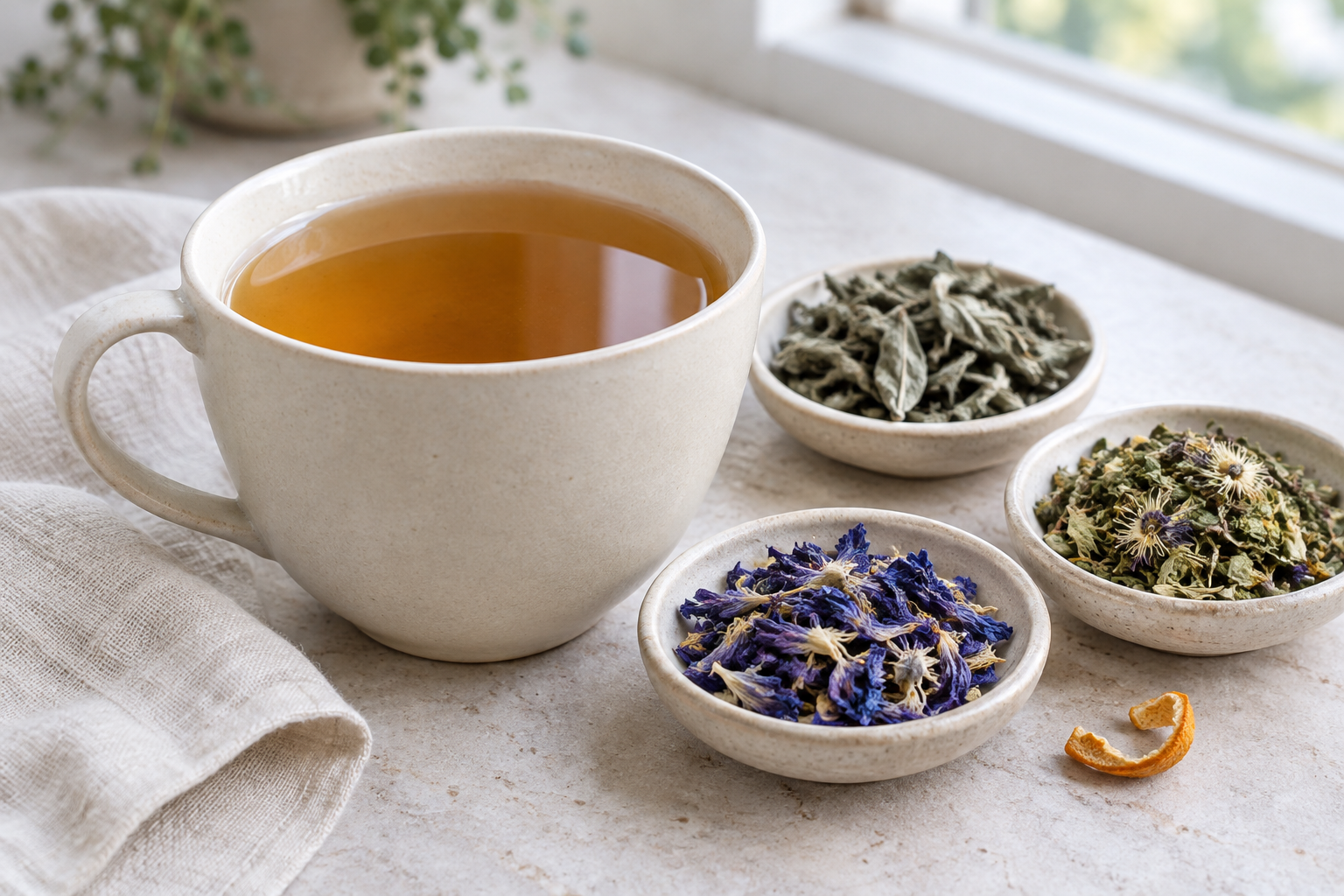
Why You Will Love This

This tea tastes like earth and quiet. Blue lotus softens mugwort’s bitter edge with a faint floral sweetness, and passionflower rounds the cup into something you can actually drink before bed. The point is not to force a perfect lucid dream on command. The point is to build a repeatable nighttime ritual: warm tea, low light, a clear intention, and a notebook close enough to grab when you wake up.

Mugwort (Artemisia vulgaris) is the traditional anchor herb in most dream tea blends. Blue lotus (Nymphaea caerulea) brings the old-world mystique people search for, while passionflower keeps the blend gentle and evening-friendly. If you are here because “lucid dream tea recipe” keeps showing up in your search history, this is the version I would start with: small dose, clear flavor, no dramatic claims.

If you struggle with sleep quality in general, try our herbal tea recipe for sleep or the viral sleepy time mocktail with tart cherry juice and magnesium.

Lucid Dream Tea at a Glance

DetailInfo
Main herbsMugwort, blue lotus, passionflower
FlavorEarthy, lightly bitter, soft floral finish
CaffeineNone
Steep time10 to 12 minutes
Best timing30 to 45 minutes before bed
Best paired withA dream journal and a consistent sleep schedule

What Each Herb Does in the Blend

IngredientBotanical NameRole in the CupFlavor
MugwortArtemisia vulgarisTraditional dream herb and the main reason people make this blendEarthy, bitter, green
Blue lotusNymphaea caeruleaAdds a soft floral note and old-world dream ritual associationMild, floral, slightly sweet
PassionflowerPassiflora incarnataRounds the blend into a calmer bedtime teaGrassy, mellow
Peppermint (optional)Mentha piperitaMakes mugwort easier to drinkCool, clean

The Story Behind It

Mugwort has been the dream herb across cultures for over 2,000 years. Ancient Romans stuffed pillows with it. Traditional Chinese Medicine calls it “ai ye” and prescribes it for restless sleep with excessive dreaming (the irony is intentional). European folk herbalism used mugwort in “flying ointments” and dream pillows. Blue lotus comes from ancient Egypt, where priests drank it before temple sleep incubation rituals to receive visions. This recipe combines both traditions into a single cup.

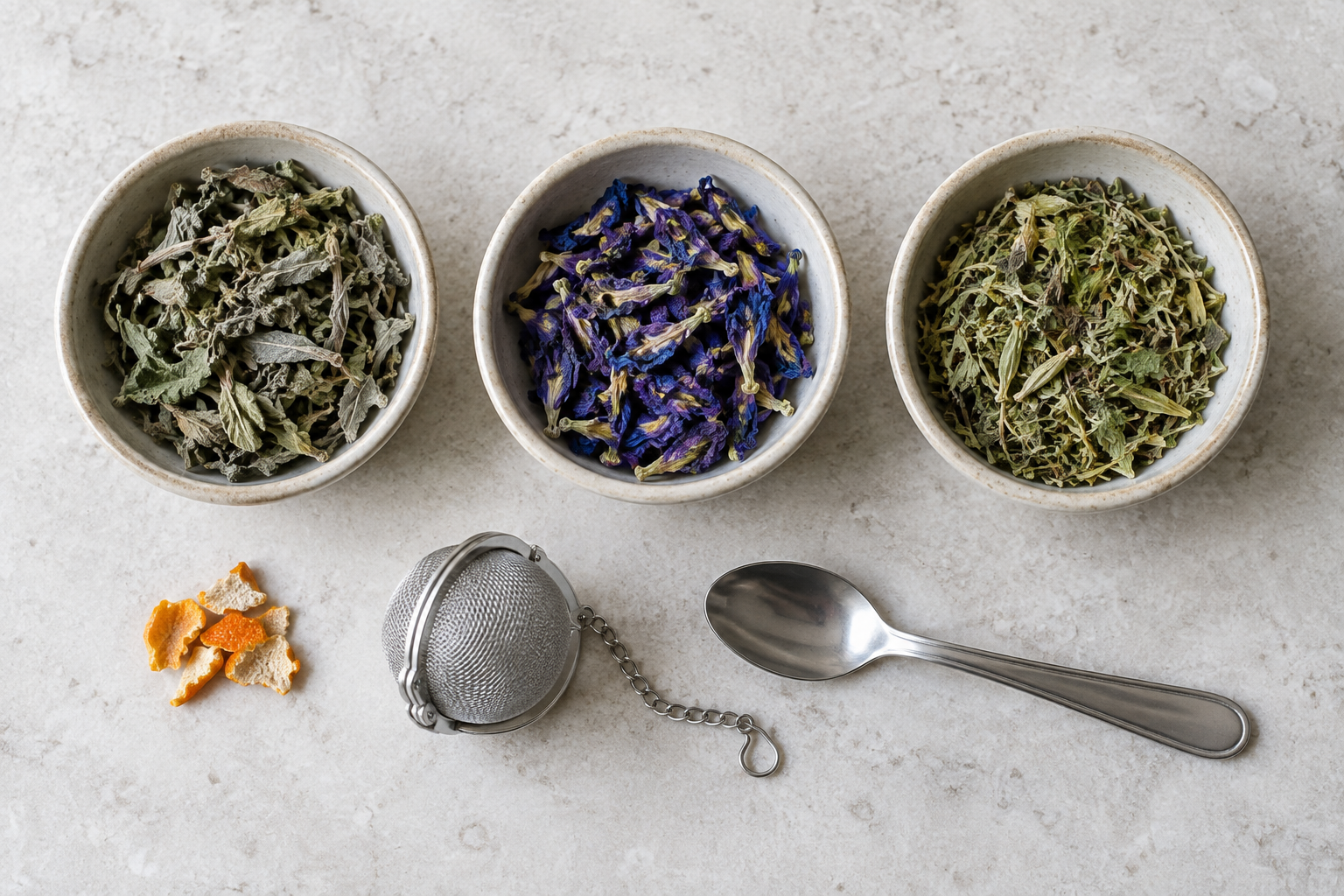
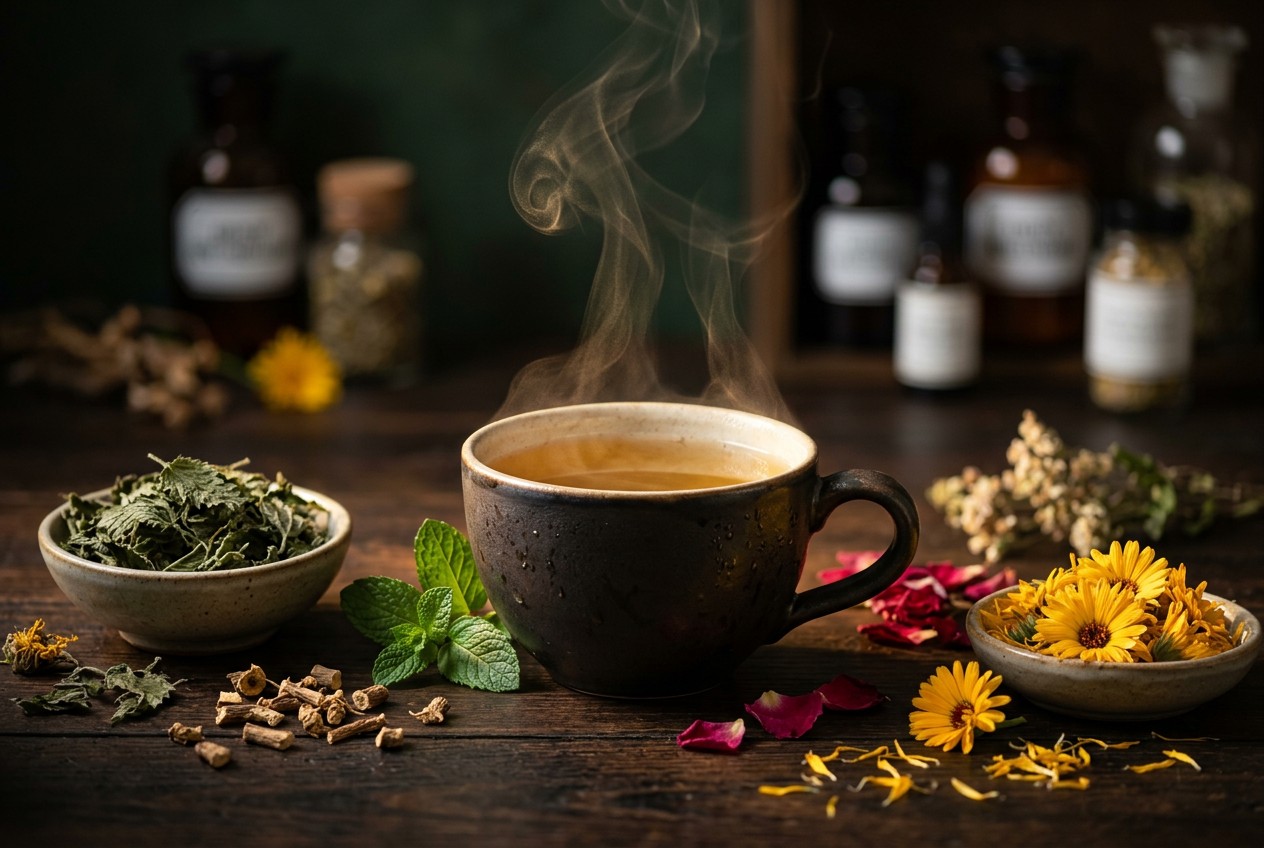
Dried mugwort leaves and blue lotus petals in small bowls on wooden table for lucid dream tea recipe
Mugwort and blue lotus form the core of this dream tea blend, each chosen for specific oneirogenic properties documented in traditional herbalism.

What You Will Need

  • 1 teaspoon dried mugwort (Artemisia vulgaris)
  • 1/2 teaspoon blue lotus petals (Nymphaea caerulea)
  • 1/2 teaspoon passionflower (Passiflora incarnata)
  • 1/4 teaspoon dried peppermint (optional, for flavor)
  • 10 oz (300 ml) water at 200°F (93°C)
  • Raw honey or maple syrup to taste (optional)

Source organic mugwort if possible, and buy it from a shop that labels the botanical name. Blue lotus should be whole petals, not powder, because powder is harder to judge and harder to strain.

Already have a tea garden? Our guide to herbs you can grow for tea blends covers growing mint and lemon balm, both of which complement this recipe.

How to Make It

  1. Bring water to about 200°F (93°C), just below boiling.

  2. Combine mugwort, blue lotus, and passionflower in a teapot or French press. Add peppermint if using.

  3. Pour hot water over herbs and cover immediately to trap aromatic compounds.

  4. Steep for 10 to 12 minutes. Longer steep times make the tea more bitter.

  5. Strain thoroughly. Mugwort leaves are fine and will cloud the tea if not filtered well.

  6. Sweeten lightly if desired. Drink 30-45 minutes before bed while journaling or setting dream intentions.

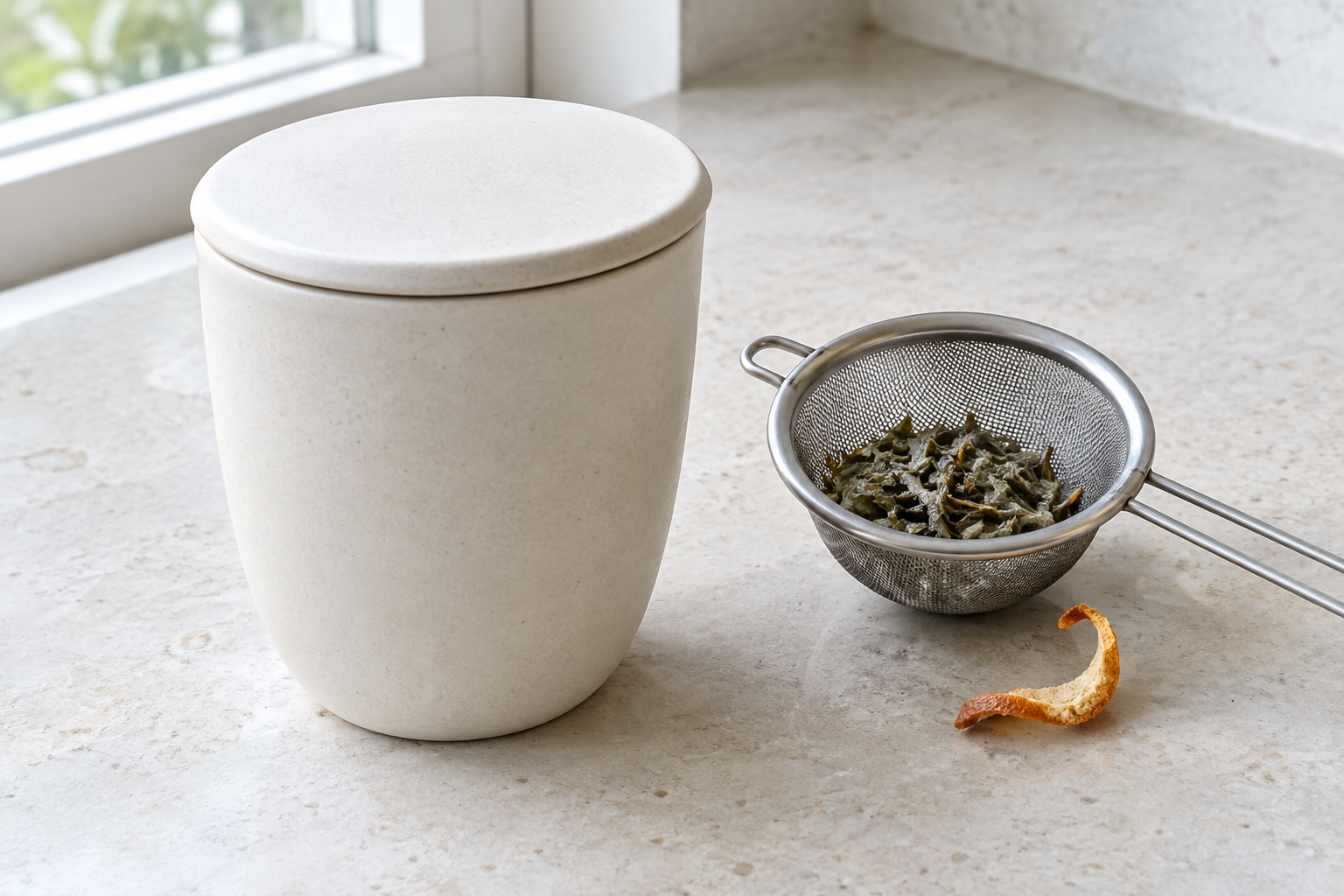
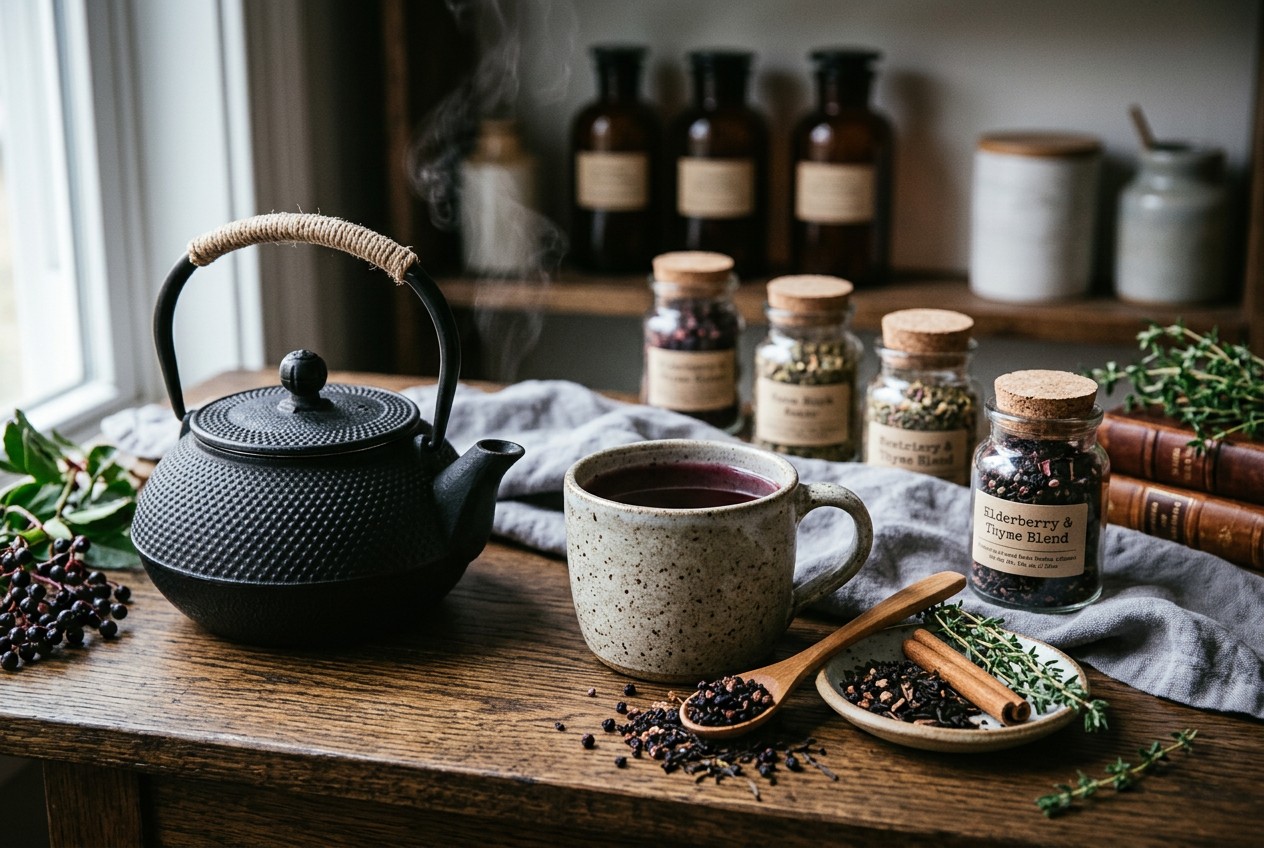
Steeping mugwort dream tea in covered glass teapot showing dark amber liquid and floating herbs
Cover the pot while it steeps so the mugwort and blue lotus stay aromatic.

Herbalist Notes

Mugwort is one of the herbs most associated with dream work in Western folk herbalism. It is also bitter, aromatic, and not a plant to treat casually. A teaspoon of dried leaf is enough for a first cup. Going heavier usually makes the tea harder to drink before it makes the ritual better.

Blue lotus (Nymphaea caerulea, not to be confused with Nelumbo nucifera) is mostly here for its gentle floral character and its long association with dreaming, ritual, and evening drinks. The effects are subtle for most people. Start with 1/2 teaspoon and see whether you like the cup before using more.

Passionflower is the softener. It makes the formula feel more like a bedtime tea and less like a bitter experiment. If mugwort is the dream-work herb, passionflower is the reason you can settle into the cup without forcing it.

Safety Notes Before You Brew

Skip this lucid dreaming tea if you are pregnant, trying to become pregnant, breastfeeding, or allergic to ragweed-family plants. Mugwort is traditionally treated as a strong herb, and it is not the right plant to experiment with during pregnancy.

Do not combine this tea with alcohol, sedatives, sleep medication, or recreational substances. If you take medication for sleep, anxiety, seizures, blood pressure, or a chronic condition, ask a clinician before using mugwort, blue lotus, or passionflower.

Use it occasionally, not nightly. One cup on a weekend night with a journal is a much better fit than making it a permanent sleep crutch.

How Lucid Dream Herbs Compare

If you are picking your first dream herb, this should help:

HerbDream IntensityTasteBest ForNotes
Mugwort (Artemisia vulgaris)StrongEarthy, bitterDream recall and lengthThe anchor herb for most dream blends
Blue lotus (Nymphaea caerulea)ModerateSlightly sweet, floralEmotional vividnessAncient Egyptian temple herb
Calea zacatechichiVery strongExtremely bitterMaximum recallUsed by the Chontal people of Oaxaca
Valerian (Valeriana officinalis)MildPungent, earthyDeep sleep (not dreams)Better for insomnia than dream work
Chamomile (Matricaria chamomilla)Very mildGentle, apple-likeRelaxation before sleepLearn more in our chamomile health benefits guide

Make It Your Own

Add 1/4 teaspoon calea zacatechichi (Mexican dream herb) only if you already know you tolerate bitter dream herbs. Fair warning: it is brutally bitter. Honey helps, but only so much.

Swap the peppermint for a pinch of lavender if you want a more floral bedtime cup. Or skip flavor herbs entirely and lean into mugwort’s earthy profile. Some people prefer the bitterness as part of the ritual.

If you want a bedtime drink focused on sleep quality rather than dream work, our magnesium drink recipe takes a completely different approach through mineral support.

One rule: do not drink this nightly. Use it occasionally, take breaks, and keep the ritual tied to dream journaling rather than chasing a stronger effect.

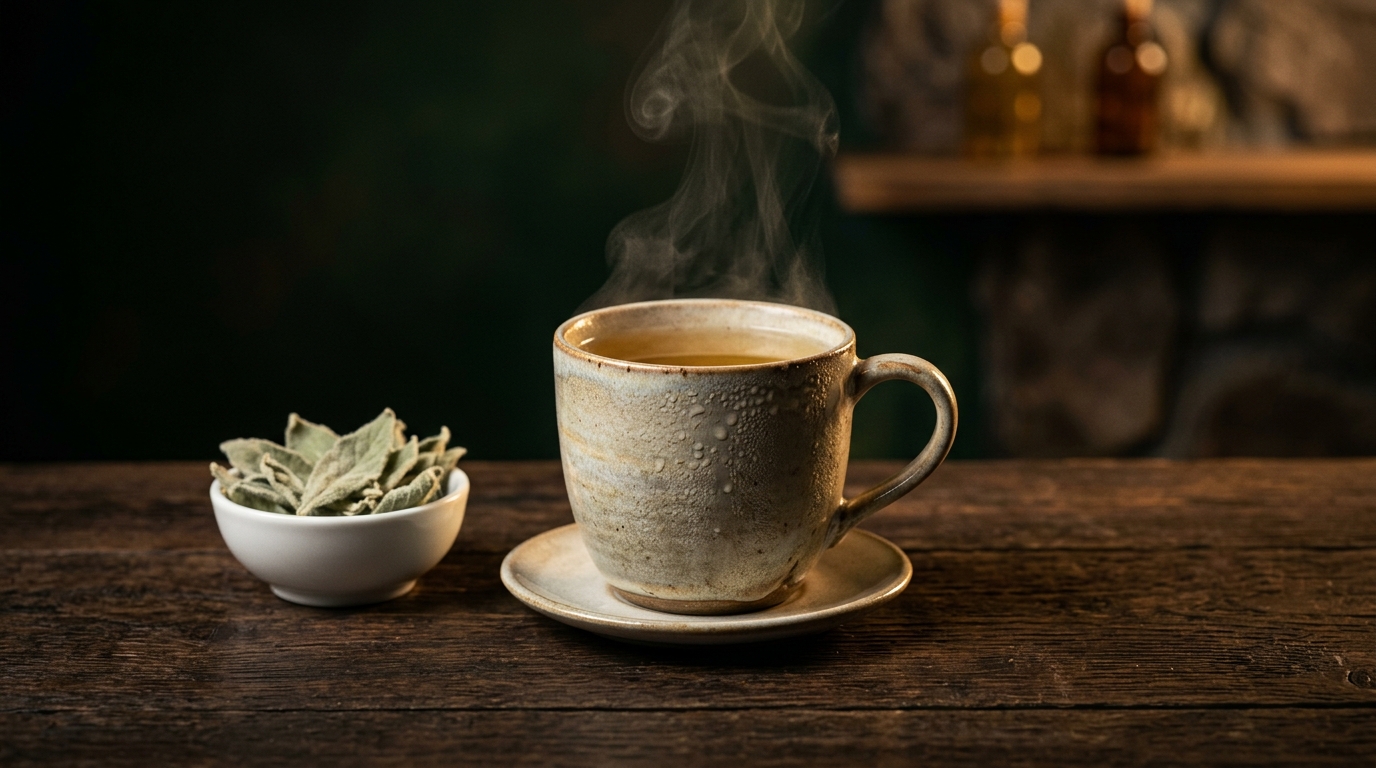
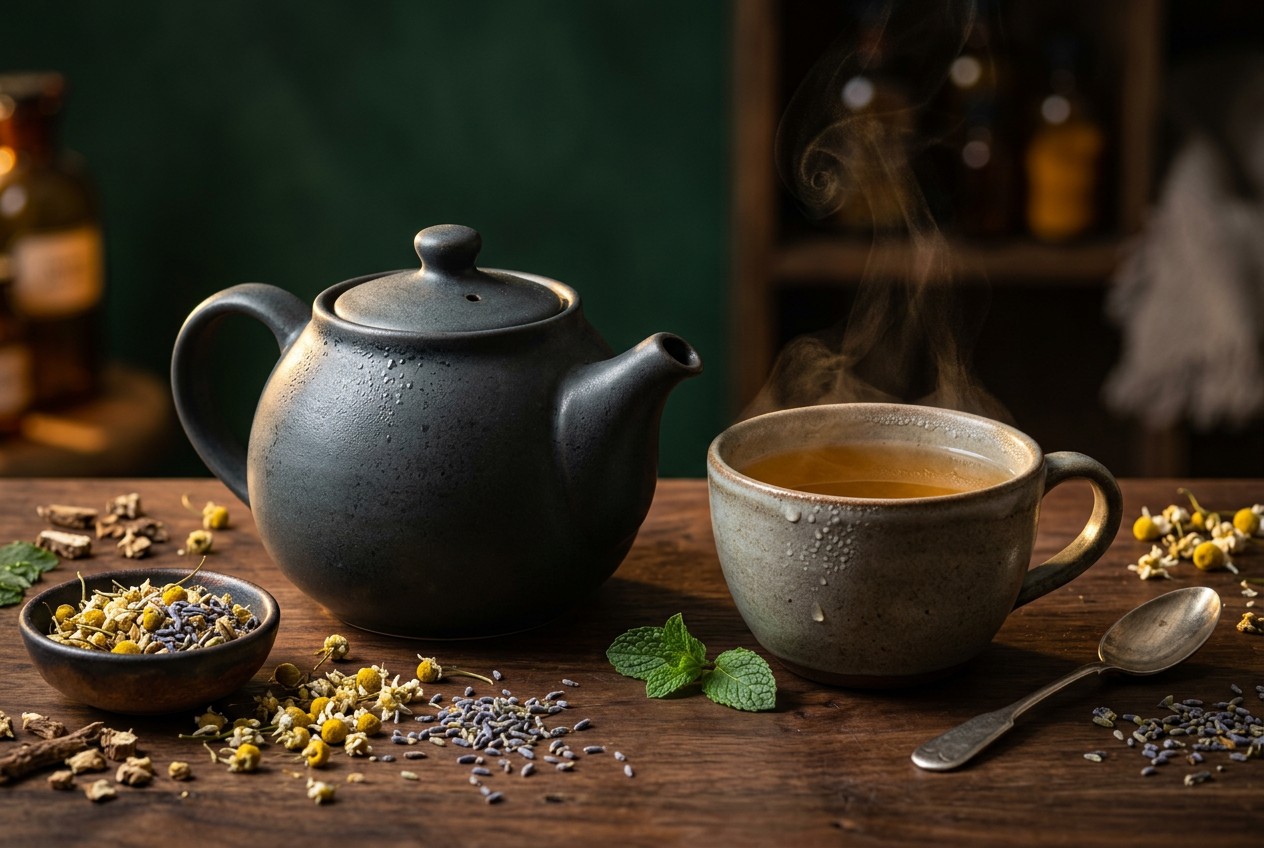
Cup of lucid dream tea with mugwort and blue lotus beside dream journal and pen on nightstand
Pair this tea with a dream journal ritual. Write intentions before drinking, then record dreams immediately upon waking for best recall results.

Common Questions

What herbs help with lucid dreaming?

Mugwort (Artemisia vulgaris) is the classic dream tea herb. Blue lotus (Nymphaea caerulea) is often added for its floral, ritual feel. Calea zacatechichi is another well-known dream herb, though it is extremely bitter. Passionflower is not usually used for lucid dreaming by itself, but it makes the cup feel calmer before bed. Start with mugwort: 1 teaspoon per 10 oz water, steeped 10 to 12 minutes.

Does mugwort tea make you dream more?

Some people find that mugwort tea makes dreams feel more vivid or easier to remember, especially when they pair it with a dream journal. It does not guarantee lucid dreaming. One teaspoon dried leaf per cup is a reasonable starting point. More than that usually just makes the tea bitter.

How do you make dream tea at home?

Combine 1 teaspoon dried mugwort, 1/2 teaspoon blue lotus petals, and 1/2 teaspoon passionflower in a teapot. Pour 10 oz water heated to about 200°F over the herbs. Cover and steep 10 to 12 minutes. Strain well, as mugwort particles are fine. Drink 30 to 45 minutes before bed. Pair it with a dream journal and write a simple intention before sleep.

What is the best tea for vivid dreams?

Mugwort-based blends are the usual starting point for vivid dream tea. This recipe combines mugwort with blue lotus and passionflower so the cup is still drinkable. Calea zacatechichi is stronger-tasting and much harder to enjoy. Blue lotus alone is usually too subtle for people who want a true dream tea. Mugwort is the anchor herb.

Is lucid dream tea safe to drink every night?

No. Use it occasionally rather than every night. Pregnant and nursing people should skip mugwort entirely, and anyone with ragweed-family allergies should be cautious because mugwort is in the same broad plant family. If you rely on sleep medication or have a medical condition, ask a clinician before adding dream herbs.