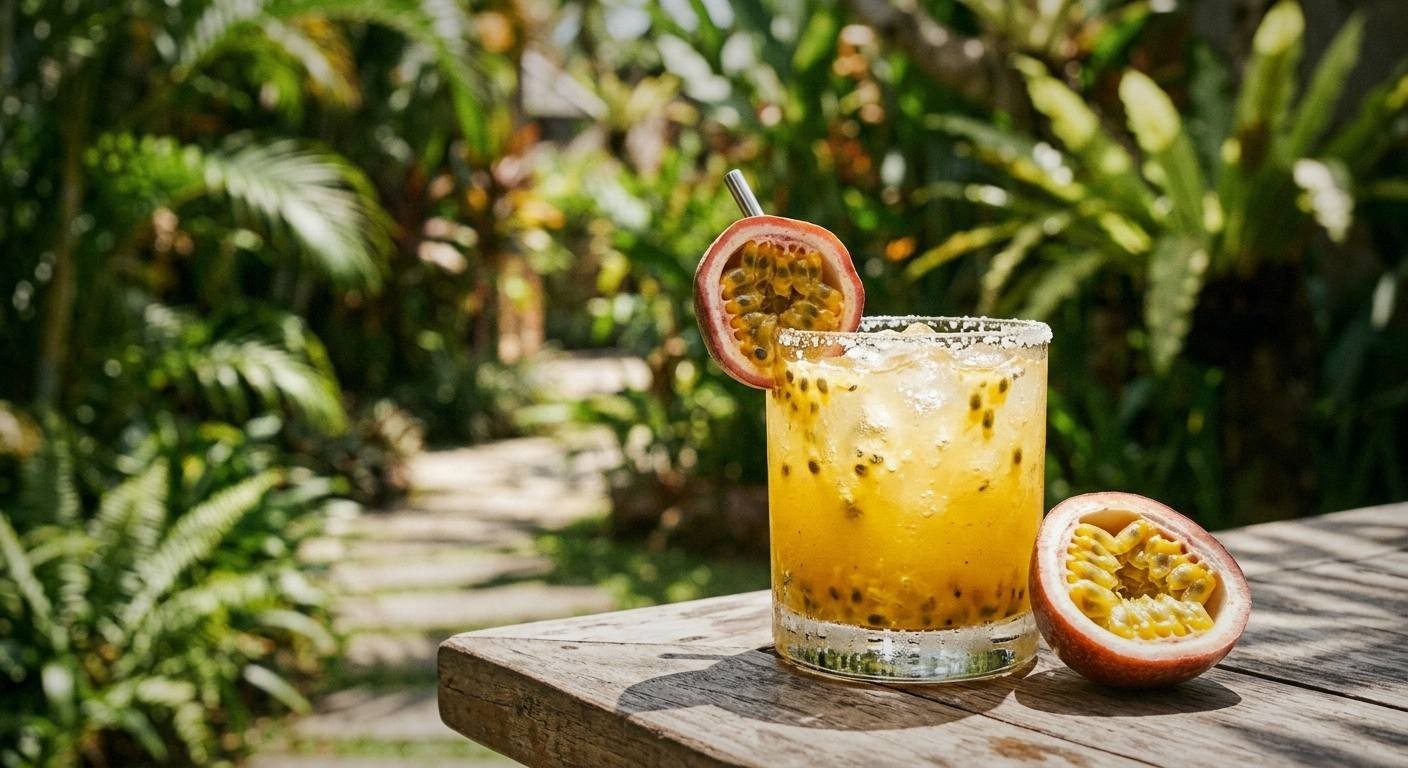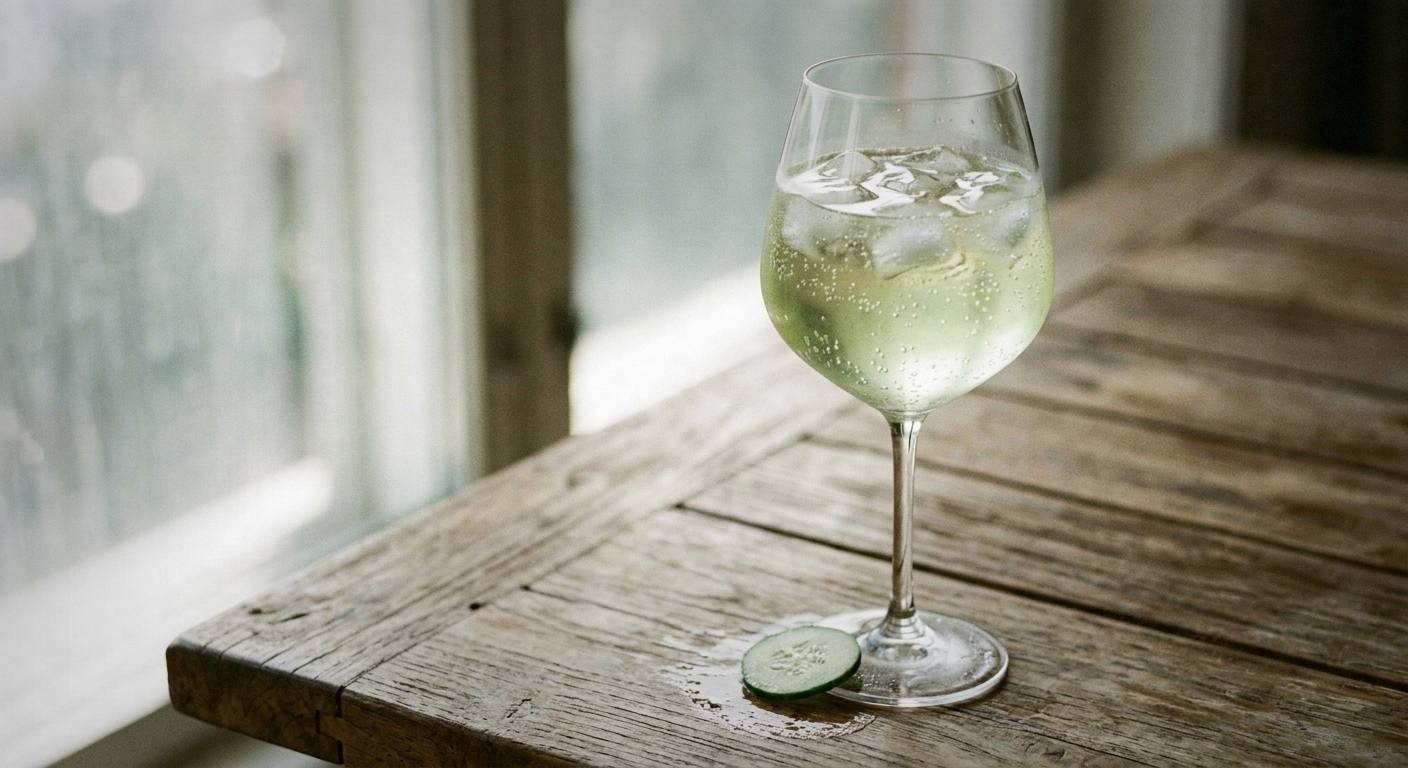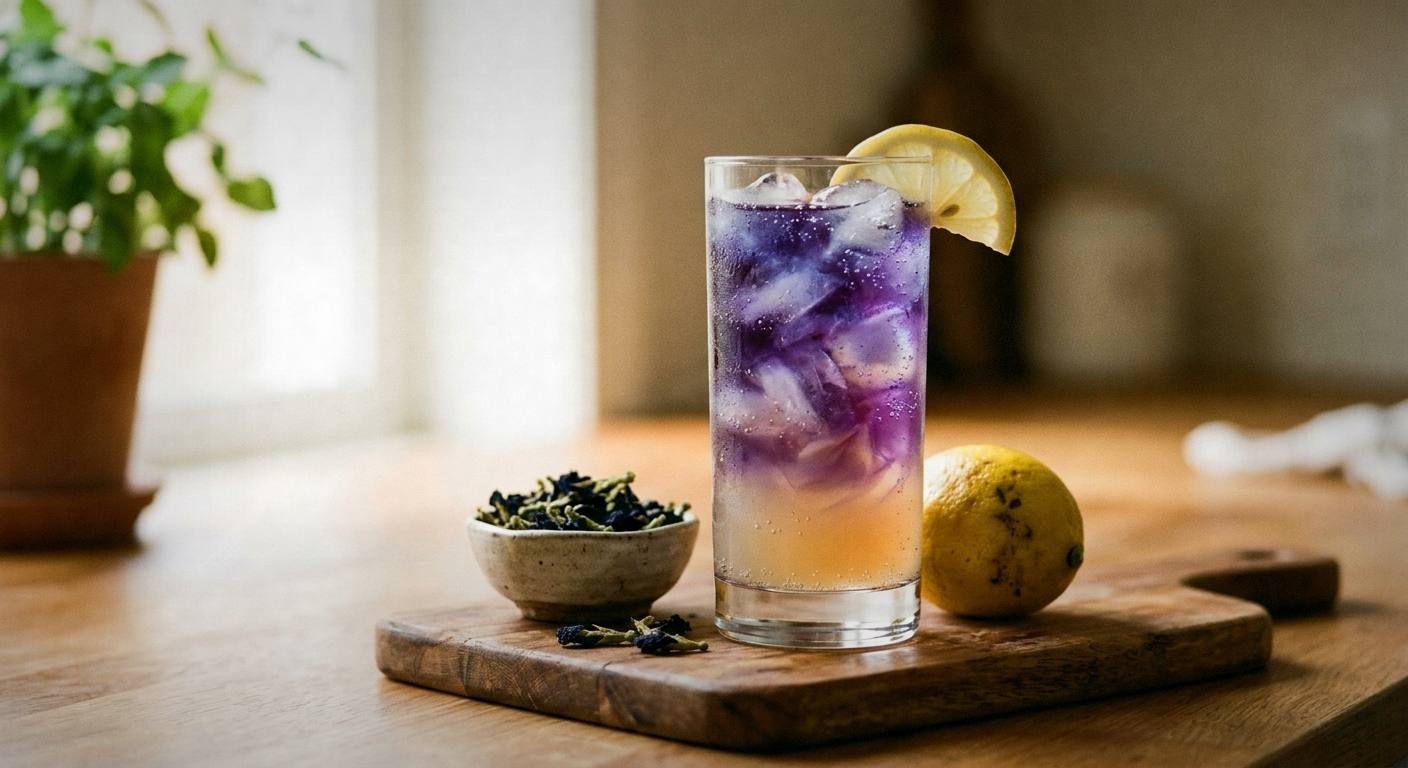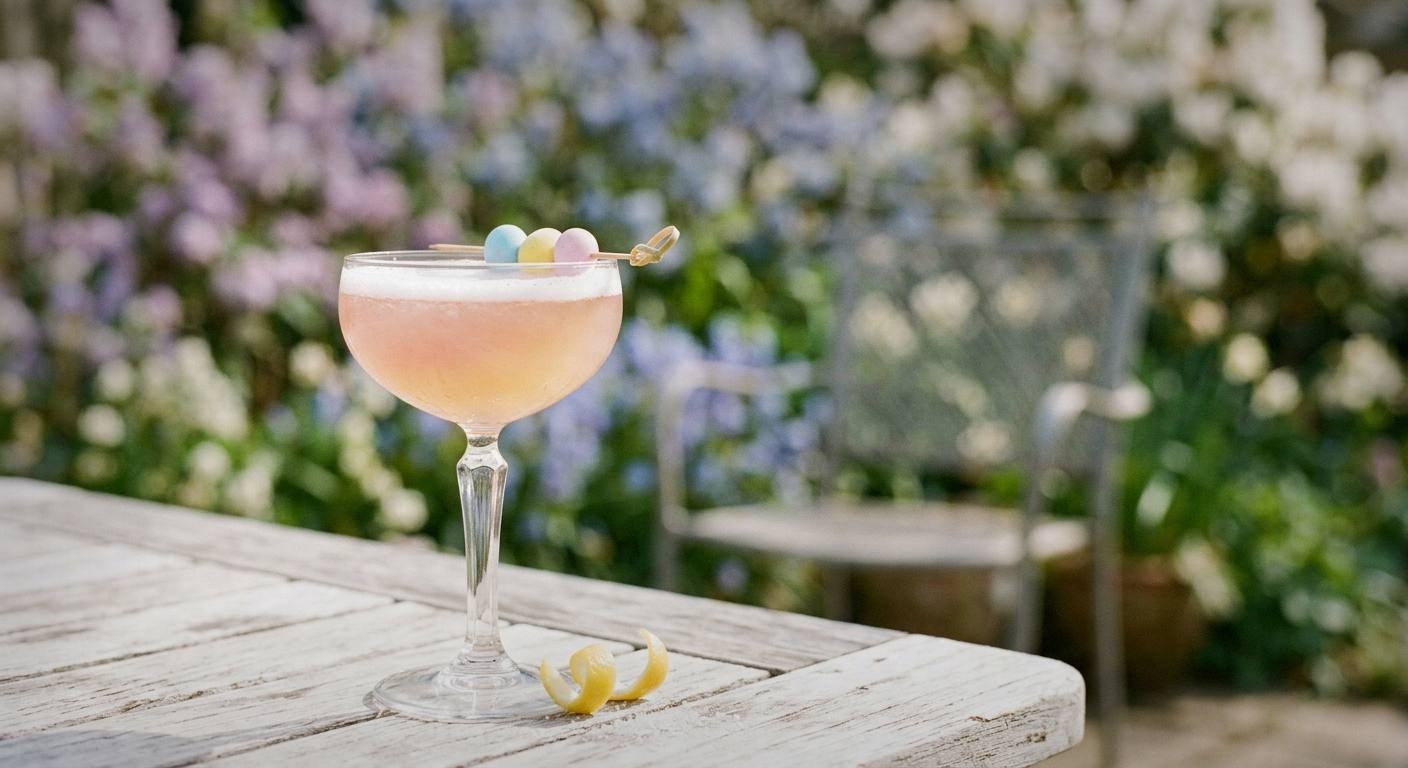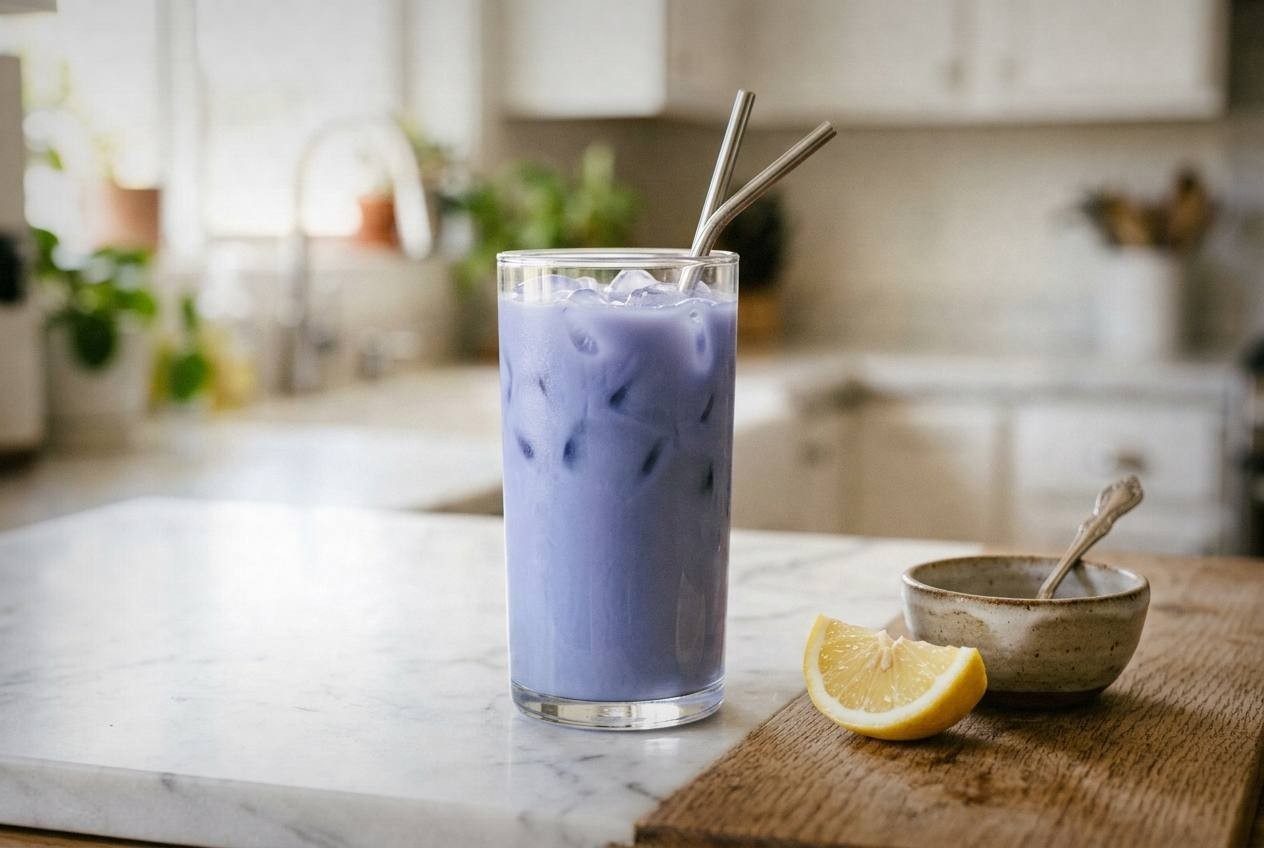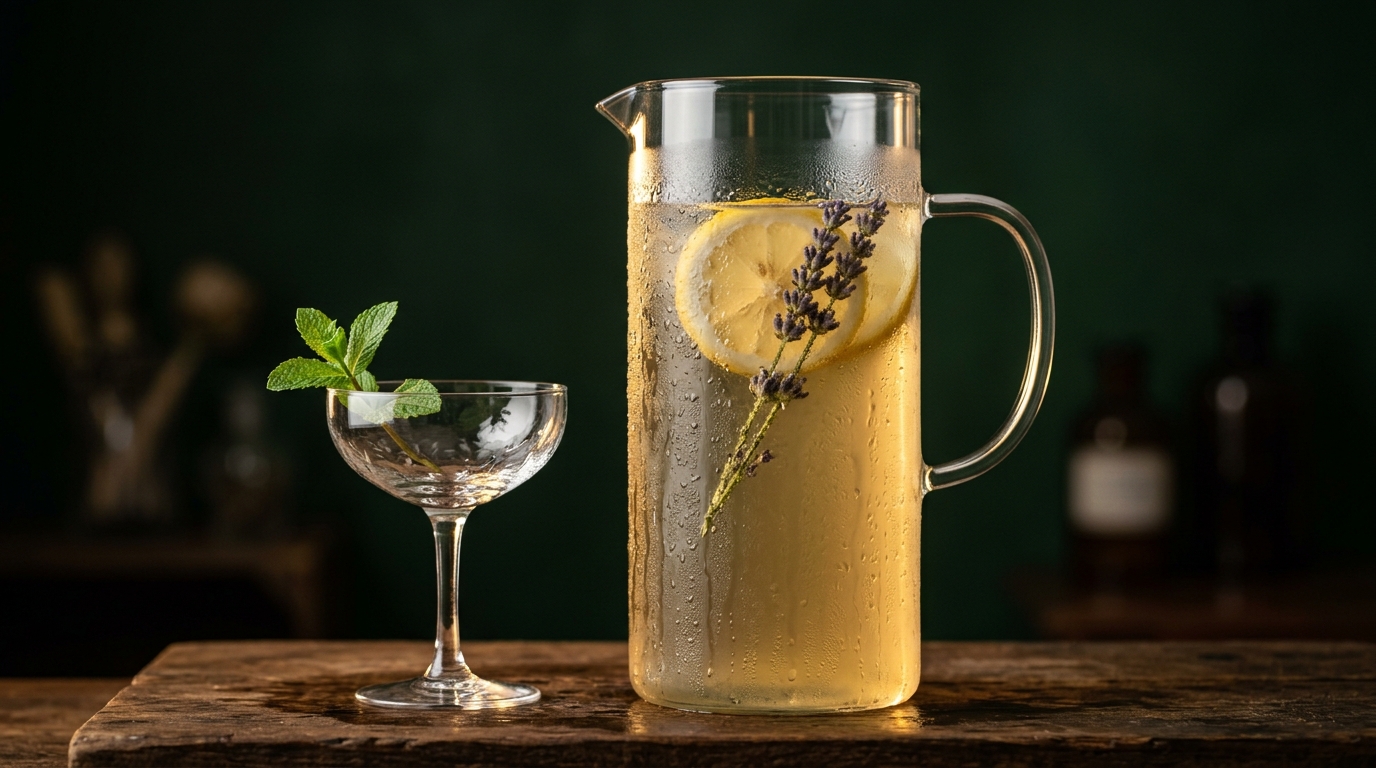
Lavender gives this lemonade a floral edge and mint keeps it green and fresh. The 1:1:8 juice-to-sugar-to-water formula is a house starting point by volume, not a universal professional ratio. The large batch makes ten measured 240 ml servings, not four ordinary glasses.
Prep: 10 minutes. Total: about 45 minutes, longer if chilling is needed. Yield: 10 servings (240 ml each before ice).
Ingredients
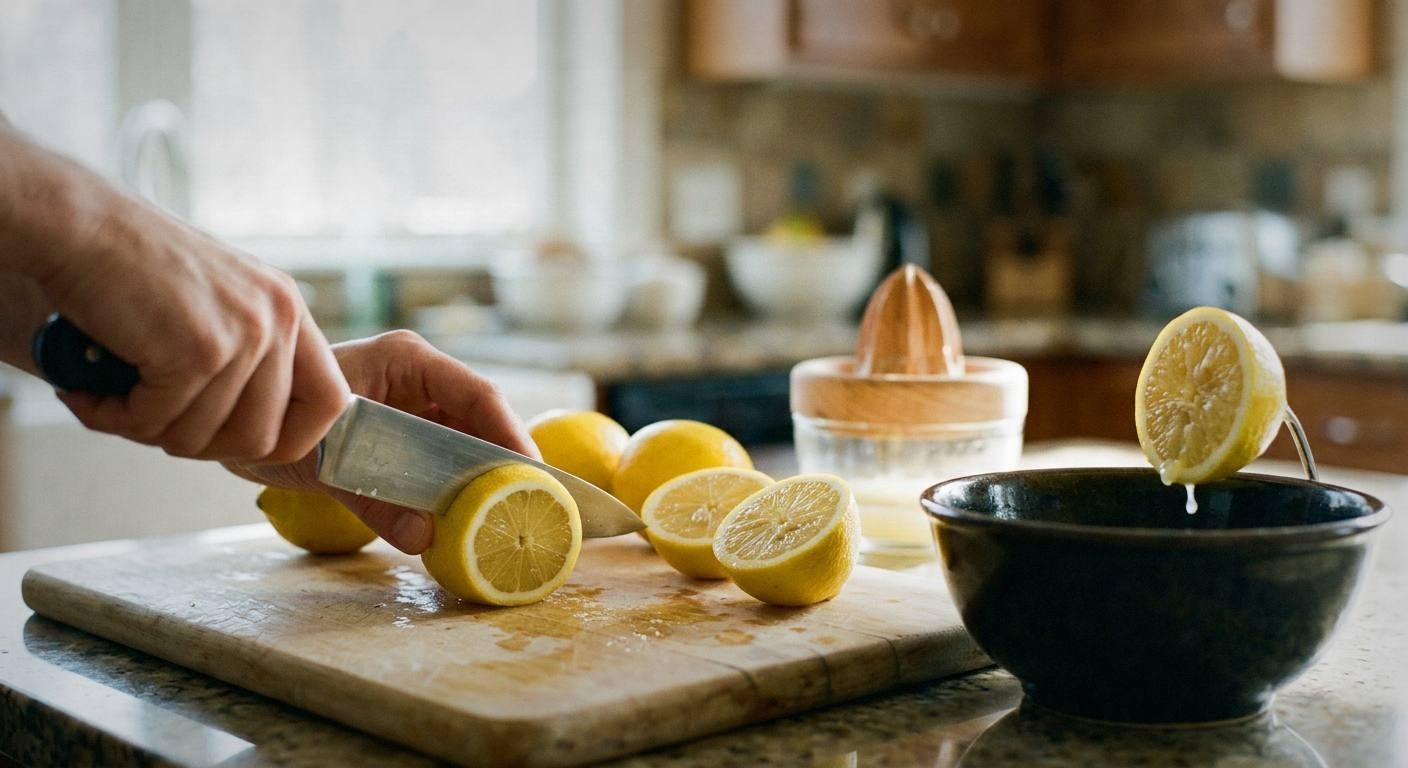
- 1 US cup (240 ml) lemon juice, measured after squeezing and seed removal
- 1 US cup granulated sugar
- 8 US cups (1.92 litres) water, divided
- 2 teaspoons dried culinary lavender buds
- 1/4 US cup loosely packed washed fresh mint leaves
- Cold water as needed to bring the finished drink to 2.4 litres
- Ice for serving
- 10 lemon wheels or 10 mint leaves, optional garnish
Method
- Measure the lemon juice. In a saucepan heat sugar with 240 ml of the water, stirring until dissolved; bring just to a simmer, then remove from heat.
- Add lavender, cover and steep for 4 minutes. Strain, then cool the syrup promptly over an ice-water bath.
- Combine lemon juice, cooled syrup and the remaining 1.68 litres water in a pitcher holding at least 3 litres. Add cold water as needed to bring the drink to exactly 2.4 litres.
- Gently bruise the mint leaves and add to the pitcher. Refrigerate for at least 15 minutes to infuse, and longer until cold. Strain out the mint.
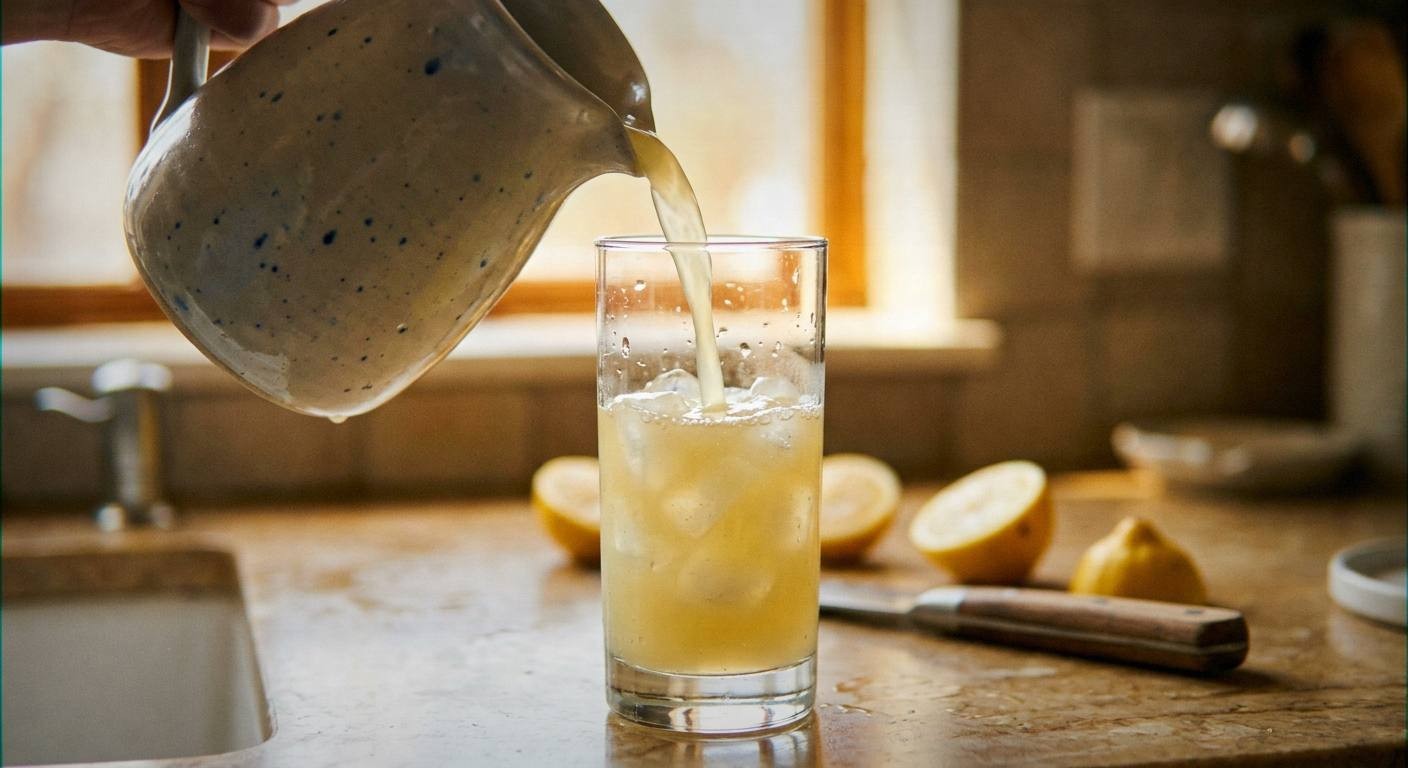
- Divide into ten 240 ml portions over ice in larger glasses. Add one optional lemon wheel or mint leaf to each and serve.
Sweetness and Timing
Prep takes about 10 minutes; allow around 45 minutes including heating, the four-minute lavender infusion, cooling and at least fifteen minutes mint infusion. Refrigerate longer if it is not cold. Four minutes is a flavor choice, not an exact bitter/soapy threshold. Dissolved sugar and straining alter recovery; the 2.4-litre final mark defines the yield. Acidity does not establish a safe unrefrigerated shelf life, and no Brix or antioxidant extraction value is claimed.
Complete Flavor Options
For honey lemonade replace the granulated sugar with 2/3 US cup (160 ml) honey, dissolved in the same 240 ml warm water. Keep lavender, lemon, mint and the final 2.4-litre mark unchanged. Sweetness differs from sugar; honey is unsuitable for infants under twelve months.
For an elderflower version omit lavender and mint. Prepare the elderflower syrup component below, use exactly 240 ml cooled syrup, combine it with 240 ml lemon juice and cold water to make 2.4 litres. Add 8 washed thin cucumber slices if desired, refrigerate for 15 minutes then remove them before serving. This makes ten portions; the extra component clock is about 45 minutes or longer until cold.
For basil lemonade omit lavender and mint. Add 1/2 packed US cup washed Italian or Thai basil leaves to the hot dissolved sugar/water syrup, steep off heat for 15 minutes, strain, cool, and combine with lemon/water to the same final volume. Italian and Thai basil differ in flavor; neither has a medical role here.
For a woody-herb option use one washed 5 cm rosemary sprig or two washed 5 cm thyme sprigs instead of lavender and mint in the warm syrup, steep off heat for 7 minutes, strain completely, then cool and finish to the same 2.4-litre mark. For lemon verbena use 1 tablespoon dried culinary lemon verbena instead, steep 5 minutes, strain and finish similarly. Do not use herb essential oils.
Elderflower Syrup Component
Simmer 4 tablespoons commercially supplied dried culinary elderflowers in 1.5 US cups (360 ml) water for 20 minutes. Strain and measure the hot liquid. Stir in an equal volume of granulated sugar until dissolved: for example, 240 ml recovered tea takes 1 US cup sugar. If the drink needs more syrup than recovered, make more of this component; never assume the starting water predicts final syrup volume. Cool promptly over an ice-water bath; allow about 45 minutes total, longer until cold. Use exactly 240 ml cooled syrup for the elderflower lemonade above and refrigerate any surplus. This is a culinary flower syrup, not elderberry syrup, a fermented cordial or a shelf-stable preserve.
Freezing the Base
For later service omit mint from the finished base. Freeze measured 240 ml portions in freezer-safe containers with expansion space. Thaw covered in the refrigerator and add 1 teaspoon washed fresh mint leaves per portion for a fifteen-minute refrigerated infusion, then remove leaves and serve over ice. Use frozen portions within one month as a house quality target; freezing does not sanitize a mishandled drink.
Preparation and Storage
Wash fresh produce under running water before cutting, and scrub firm fruit or cucumber. Use culinary botanicals sold for food or tea, not ornamental flowers. Keep ready-to-drink juices, opened milk and commercial mixers as their labels direct.
Refrigerate prepared bases promptly at 40 F (4 C) or below in clean covered containers. Cool hot infusions in shallow heat-safe containers or an ice-water bath; do not wait indefinitely for them to reach room temperature. Refrigerate within 2 hours, or within 1 hour above 90 F (32 C). Keep party pitchers refrigerated or on ice at refrigerator temperature. Add bubbles and serving ice at the last moment.
Use fresh-fruit/herb bases the same day, or within 24 hours, for flavor. Use strained tea or homemade syrup within 3 days. These are conservative house quality targets, not tested shelf lives. Finished fizzy drinks are best served immediately. Follow any shorter ingredient-label limit. Honey is unsuitable for infants under 12 months.
More Drinks
- Culinary Lavender Syrup Recipe
- Mint Mojito with Rum and Lime for Cooling Summer Nights
- Elderflower Cordial Without Citric Acid: Lemon Recipe
- Lavender Simple Syrup Recipe
Sources and Recipe Notes
Published sources inform the method. House portion sizes, recovery marks, flavor variants, clocks and shorter storage targets are specified here; no kitchen or shelf-life testing is claimed.