Why You Will Love This

The first warm week of March brings cherry blossoms and also that familiar tightness in the chest. This mullein tea recipe is the one to make when you want a simple, mild herbal tea to sip through cough and pollen season. It tastes gentle and slightly sweet, steeps in 10 to 15 minutes, and takes honey and lemon well.

Western herbalists have used mullein (Verbascum thapsus) as their respiratory herb for a very long time. Part of the appeal is physical rather than pharmacological: the leaf is full of mucilage, so the finished tea feels faintly slippery and soft in the mouth, which is a real comfort on a throat that has been coughing all night. The important part is straining it well, because mullein leaf has fine hairs that will scratch on the way down if they get into the cup.

For a more targeted pollen-season formula, pair this with our allergy relief drink recipe or spring allergy relief tea that combines nettle with elderflower.

If your herb jar says gordolobo, you are probably working with mullein under a Spanish common name. The same straining and safety notes apply, and the deeper safety companion is mullein tea side effects.

Mullein Tea at a Glance

Traditional useWhere that comes fromWhat you actually notice
Dry, tight coughsThe oldest and most consistent use across European and North American herbalismWarm liquid and a soft, slightly slippery texture
Loosening stuck mucusMullein’s long-standing place in the expectorant group of herbsWorks best alongside steam and plenty of plain water
Pollen seasonA standard seasonal herb in modern Western herbalismMild enough to drink several times through the day
Bedtime coughsCaffeine-free and quiet in flavourNeutral enough that honey and lemon carry the cup
A scratchy, dry throatThe mucilage in the leaf, which is genuinely slipperyNoticeably softer in the mouth than an ordinary tea

The Story Behind It

Mullein (Verbascum thapsus, family Scrophulariaceae) grows wild along roadsides across North America and Europe, its tall yellow flower spikes visible from June through August. The Greeks called it “phlomis” and smoked the dried leaves for chest complaints around 400 BCE. Dioscorides recommended it in De Materia Medica. Appalachian folk healers treated mullein tea as a standard household remedy for coughs right through the early 1900s, and reached for it in cases we would now hand straight to a hospital, which is worth remembering as history rather than as instruction. What has carried into the present is the mild version: a soft, unassertive tea for the weeks when the air is full of pollen and everyone is clearing their throat.

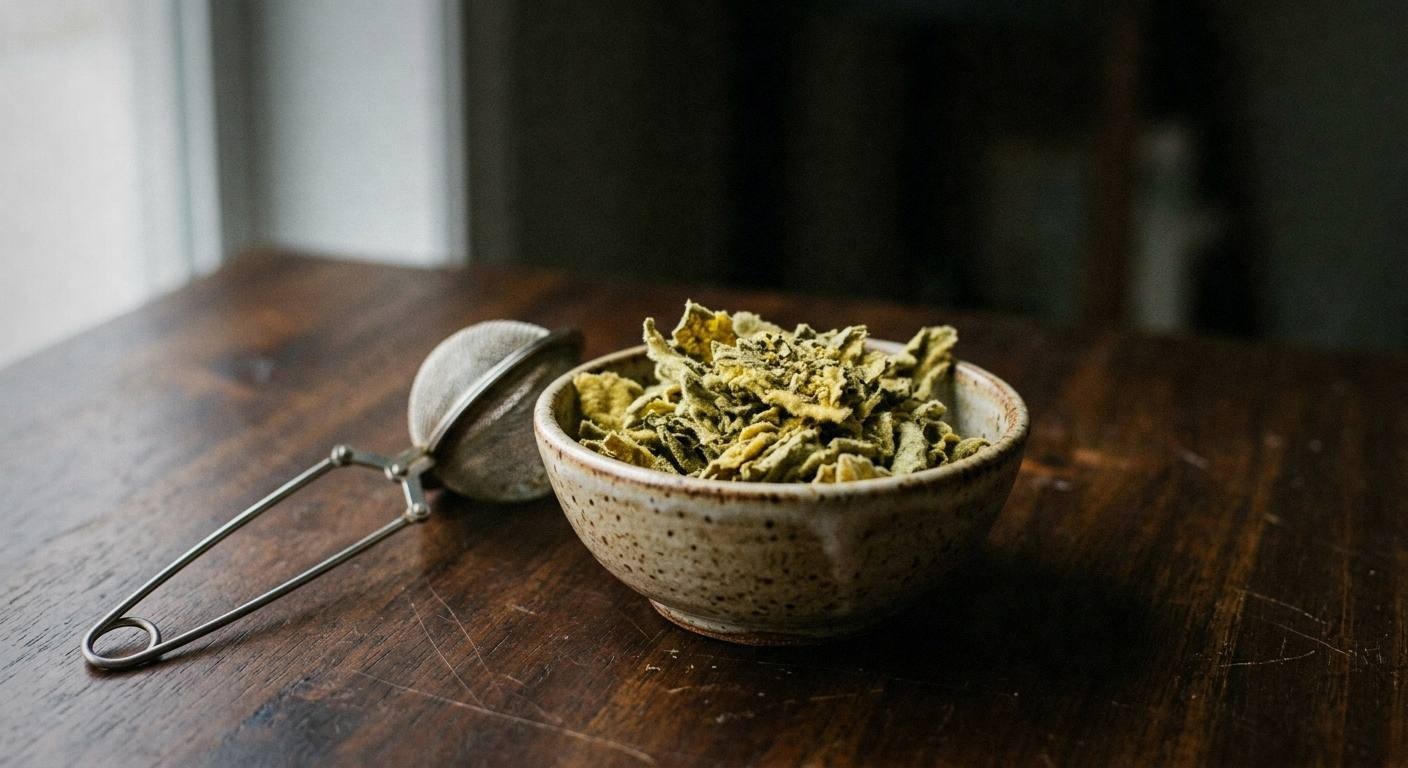
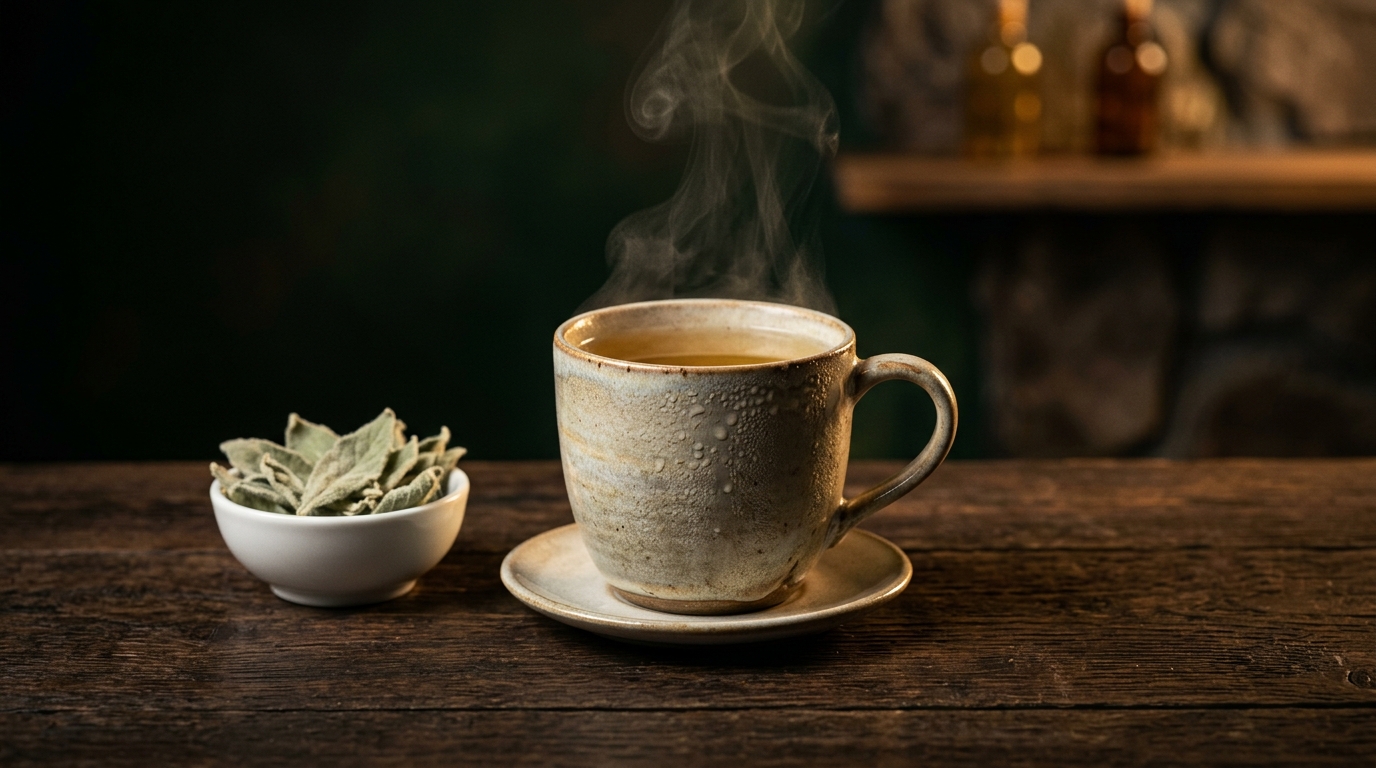
Dried mullein leaves in a white ceramic bowl on wooden table with fresh mullein flower spike, showing fuzzy grey-green leaves used for respiratory tea
Dried mullein leaves have a soft, fuzzy texture and should be strained carefully to remove fine hairs before drinking.

What You Will Need

  • 1-2 teaspoons dried mullein leaves
  • 8 oz (240 ml) boiling water
  • 1 teaspoon raw honey (optional)
  • Fresh lemon juice, 1/2 teaspoon (optional)

How to Make It

  1. Place 1-2 teaspoons dried mullein leaves in a tea infuser or directly in a mug.
  2. Pour 8 oz boiling water over the leaves.
  3. Cover and steep for 10-15 minutes.
  4. Strain through a fine-mesh strainer or coffee filter to remove leaf particles and fine hairs.
  5. Stir in honey and lemon juice if using.
  6. Drink warm, 1-3 cups daily during allergy season.
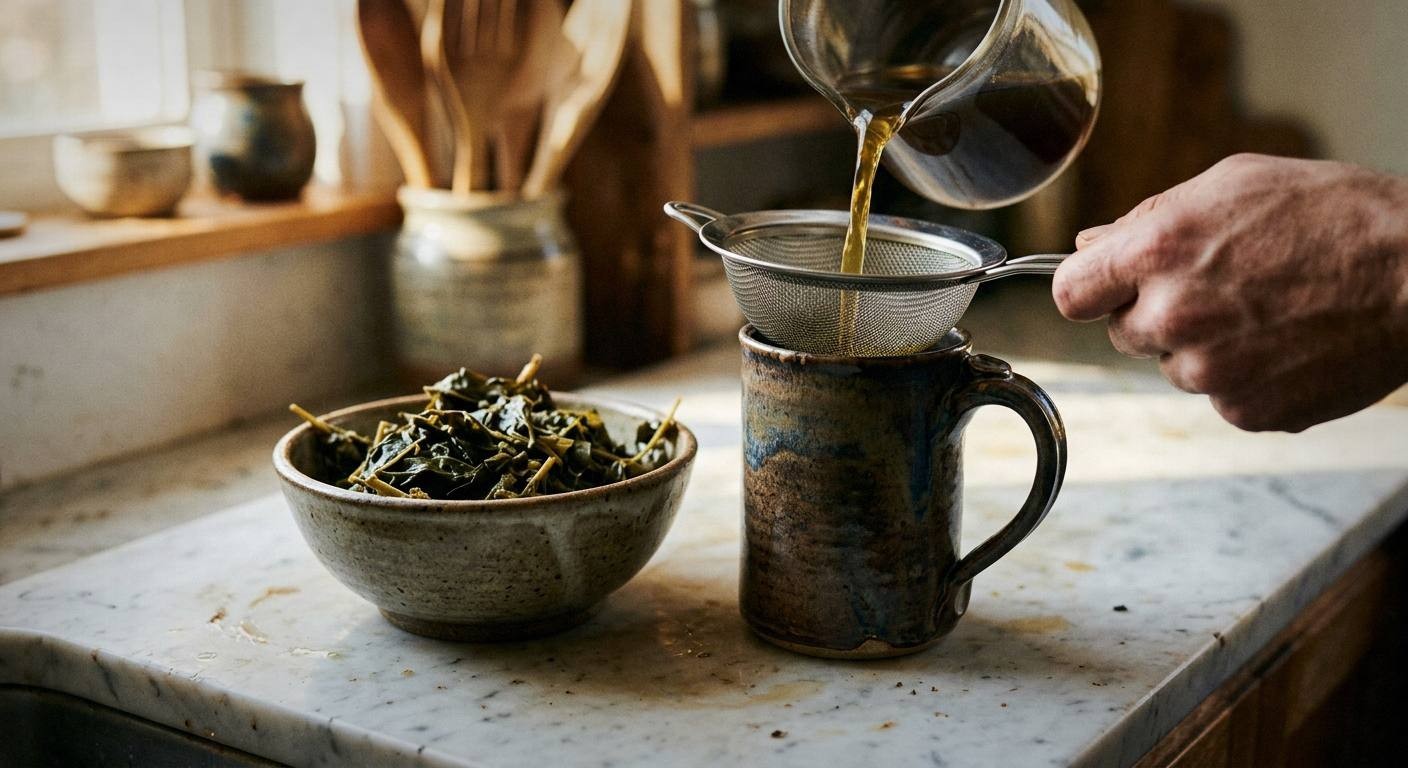
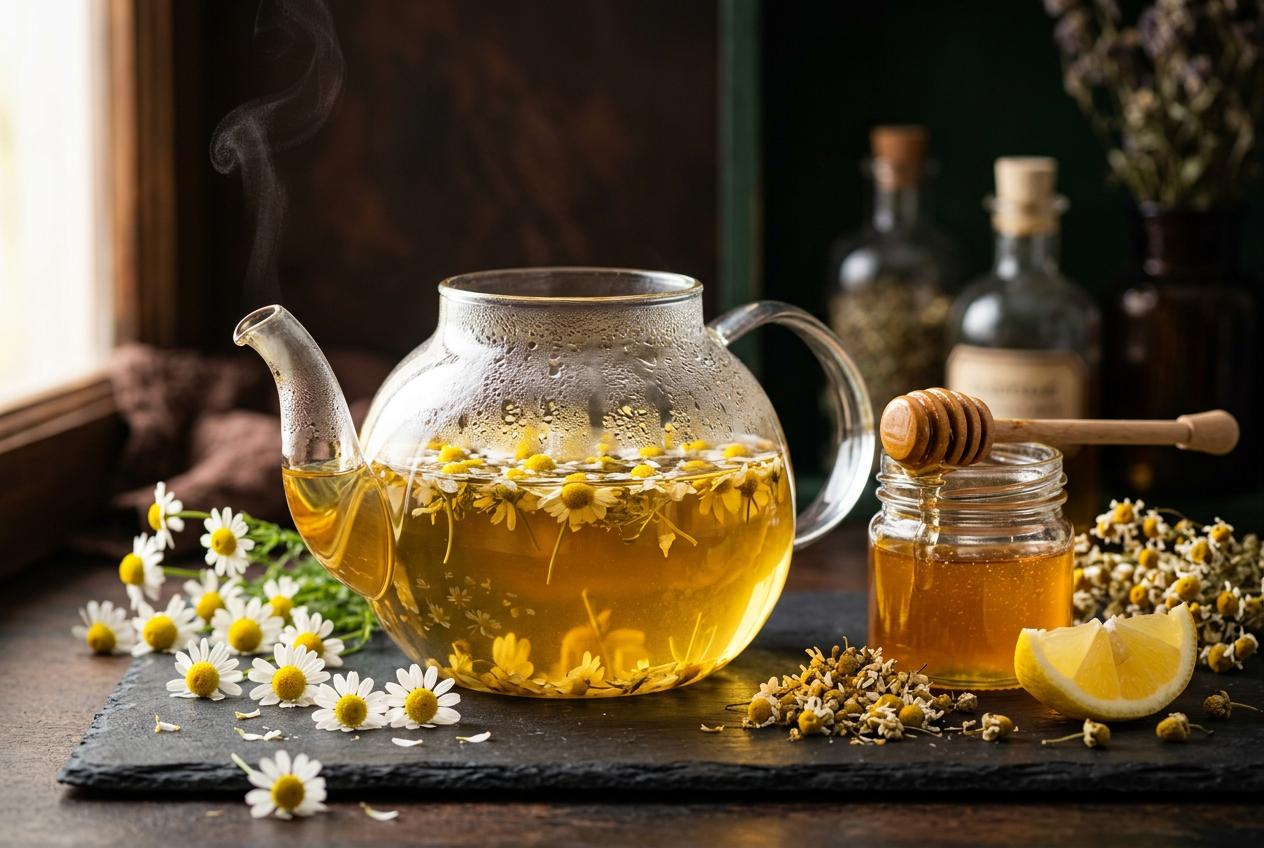
Steeping mullein tea in glass teapot with infuser showing golden-amber colored herbal tea for lung health and breathing support
Steep mullein covered for 10-15 minutes. That long steep is what gives the finished cup its soft, faintly slippery character.

Herbalist Notes

Mullein leaf is a mucilaginous herb, which is the herbalist’s word for slippery. That is the quality you are after, and it is why the steep is long and why the tea feels different in the mouth from a five-minute cup of anything else. It is a mild herb. Nobody has ever described mullein as strong, and that is precisely its role in the cabinet: the gentle one you can drink through a whole week.

Always strain mullein tea through a coffee filter or very fine mesh. The leaves are covered in tiny trichomes, the plant hairs that give the leaf its felt-like texture, and they will make your throat tickle if they get into the cup. Skipping this step is the single most common complaint people have about mullein, and it is entirely preventable.

Western herbalism pairs mullein with thyme (Thymus vulgaris) or plantain (Plantago major) when a formula needs more backbone, but mullein alone is fine for mild seasonal stuffiness. The tea has no caffeine and tastes neutral enough to drink before bed. For a warming bedtime option, try our herbal tea for sleep with chamomile and valerian.

How Mullein Compares to Other Respiratory Herbs

HerbTraditionally used forIts job in a blendTaste
Mullein (Verbascum thapsus)Dry coughs, stuffiness, pollen seasonThe soft, slippery base herbMild, slightly sweet
Thyme (Thymus vulgaris)Wet, rattling coughsThe sharp one; a pinch goes a long wayHerbal, pungent
Elderflower (Sambucus nigra)A blocked-up head in hay fever seasonThe perfumed one, added for smell as much as anythingLight, floral
Nettle (Urtica dioica)Pollen season generallyThe green, mineral backboneGreen, earthy
Marshmallow root (Althaea officinalis)Sore, dry throatsThe most slippery herb in the whole cabinetNeutral, slightly sweet
Eucalyptus (Eucalyptus globulus)Blocked noses, usually as steam rather than teaOverwhelms anything you put it nearStrong, menthol-like

For elderflower in depth, see our elderflower healing benefits guide. If your spring allergies come with a sore throat, try our herbal tea for sore throat.

For the two questions readers keep searching, use these focused companion guides: this page covers the simplest cough-focused formula, and mullein tea side effects explains who should be careful before drinking it.

Make It Your Own

Add 1/4 teaspoon dried thyme leaves during steeping if you want a sharper, more assertive cup. The combination tastes distinctly more herbal and less bland, which some people prefer and some do not. For a sweeter version, use 1 teaspoon of elderflower along with the mullein, which adds a light floral note and makes the whole thing smell like June.

If you want to build your own respiratory tea blends, our guide to DIY loose leaf tea blends walks through ratios and steeping times. And for a completely different approach to spring wellness, try our immunity drink recipe with citrus and herbs.

Drink this tea warm rather than scalding. A very hot cup is uncomfortable on a throat that is already sore, and you lose the soft texture that is the whole point of mullein. Room temperature works if you prefer cold drinks, though the steam off a warm mug is half the reason people make it.

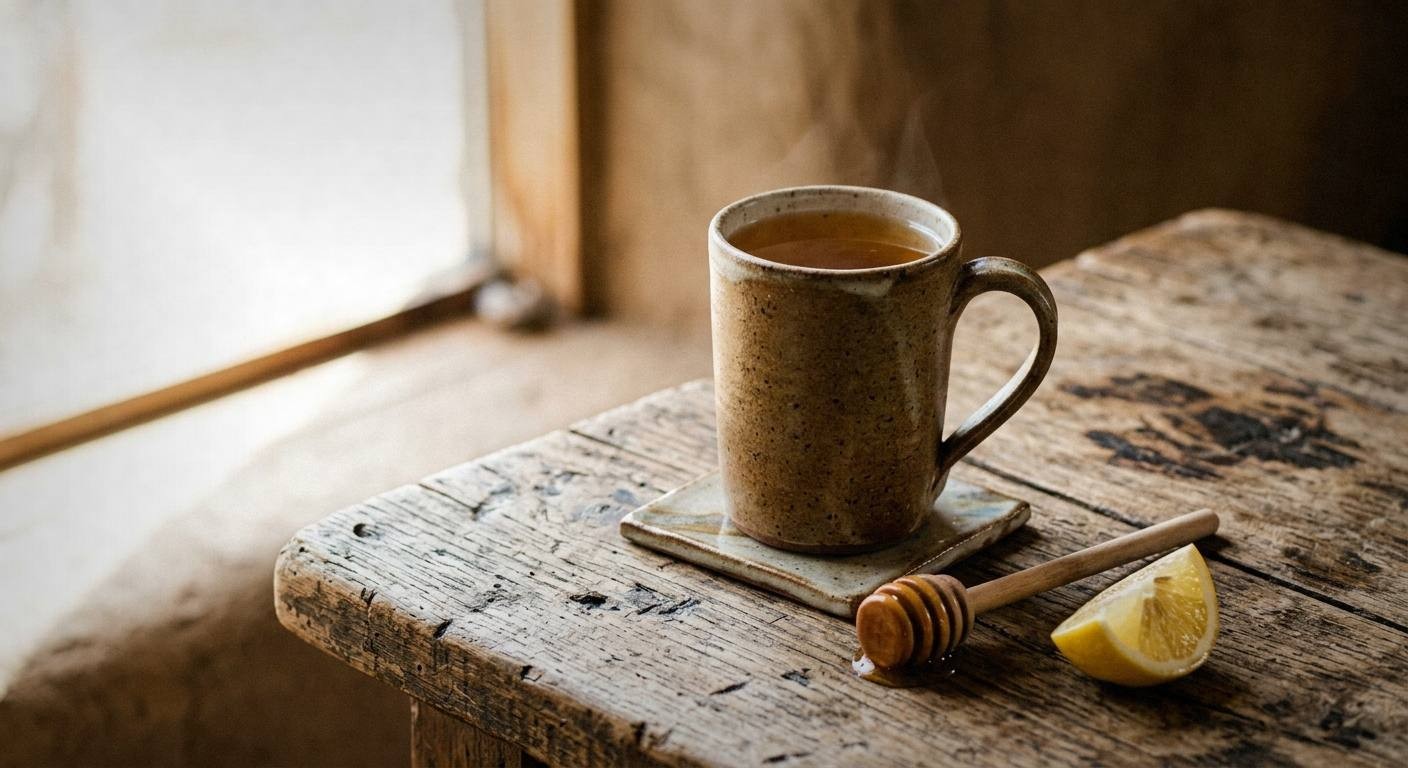
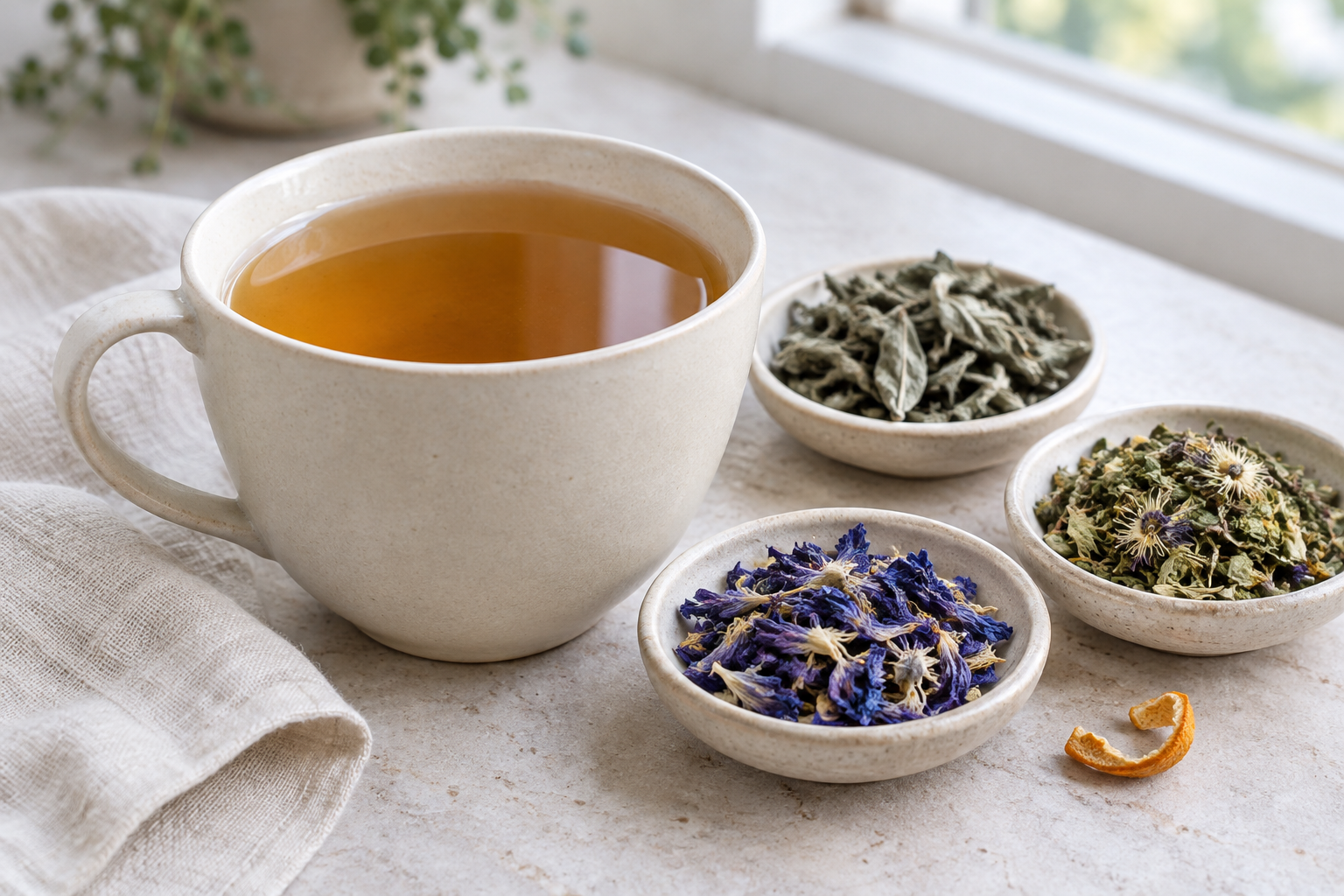
Finished mullein tea in clear glass mug with honey and lemon on wooden board, herbal lung tea for spring allergies and respiratory health
The finished tea has a pale golden color and mild, slightly earthy taste that pairs well with raw honey and lemon.

Common Questions

What does mullein tea do for your lungs?

Here is the honest version. Mullein is the herb Western herbalists have reached for longest when someone has a dry, unproductive cough, and that tradition is old, broad, and consistent. What the tea reliably does is the thing you can feel: it is warm, it is steamy, and the mucilage gives it a soft, coating quality that is genuinely comforting on a raw throat. I am not going to put a figure on what it does inside your lungs, because that figure would be invented. If your chest is the problem rather than your throat, that is a doctor’s question.

Is mullein tea good for cough and mucus?

Mullein is traditionally used when a cough feels dry, tight, and stuck. The tea is not a cough medicine, but warm liquid and a slippery-textured herb can make things feel easier to shift. If your cough is wet and heavy, try adding a small pinch of thyme to the cup. If the cough lasts more than a week, or comes with fever, chest pain, wheezing, or shortness of breath, treat that as a medical issue rather than a tea problem.

How do you make mullein tea at home?

1-2 teaspoons of dried mullein leaves per 8 oz cup of boiling water. Steep it covered for 10-15 minutes, which is longer than most teas and is what gives you the soft texture. The step most people mess up is straining. You need a coffee filter or very fine mesh to catch the tiny leaf hairs that will scratch your throat if they get through. Do not skip it. Buy dried mullein from herb shops or online, or harvest and dry your own leaves in late spring before the plant flowers. Stored in an airtight container away from light, they keep for about a year.

Can you drink mullein tea before bed?

Yes. Mullein is caffeine-free and mild enough for the evening, and it is a sensible choice when a dry throat or light stuffiness is making you cough more once you lie down. Drink it warm, strain it through a coffee filter, and keep the cup simple: mullein, honey, and lemon. Skip the large mug right before sleep if nighttime bathroom trips already wake you up, which is a much more common problem than anyone admits.

Can mullein tea help with spring allergies?

Mullein has become one of the standard seasonal herbs in modern Western herbalism, and plenty of people drink it through pollen season and say they are glad they did. I am not going to compare it to anything sold in a pharmacy, or hand you a percentage, because the herb has not been studied the way that comparison would require and pretending otherwise would be the dishonest move. What I will say is that a warm, soft, steamy cup is a decent thing to have in the rotation when your face feels full of pollen. If your season is genuinely miserable every year, get it looked at properly.

Is mullein tea safe to drink daily?

Most adults drink it daily through a rough patch without trouble, as long as you strain the leaf hairs out properly. Herbal tradition favours taking a break after a few weeks of steady use with any herb, which is a sensible habit rather than a hard rule. If you are pregnant or breastfeeding, that is a conversation with the person managing your care rather than something to settle here. Giving it to a child is a conversation with a pediatrician, not a recipe page. And if you know you react to plants in the Scrophulariaceae family, skip mullein entirely.

What are mullein tea side effects?

The most common problem by far is throat irritation from poorly strained leaves. Mullein leaves are fuzzy, and those fine plant hairs feel scratchy if they end up in the finished tea. Use a coffee filter or very fine strainer. Some people also notice stomach upset, or skin sensitivity from handling the dried leaf. Avoid mullein if you know you react to plants in the figwort family, and ask a clinician first if you are pregnant, breastfeeding, or taking medication for a respiratory condition.

How long does mullein tea take to work for congestion?

I cannot give you a clock on this, and I would be making it up if I tried. What I can tell you is what the cup does immediately, which is give you warmth, steam, and a soft coating feeling on a dry throat. That part is not a claim, it is just what drinking it is like. Beyond that, mullein is a gentle herb and gentle herbs are used steadily rather than dramatically, so space 2 to 3 cups through the day rather than drinking one big mug and watching the clock. If a week of it does nothing for you at all, mullein is probably not the right herb for what you have going on.