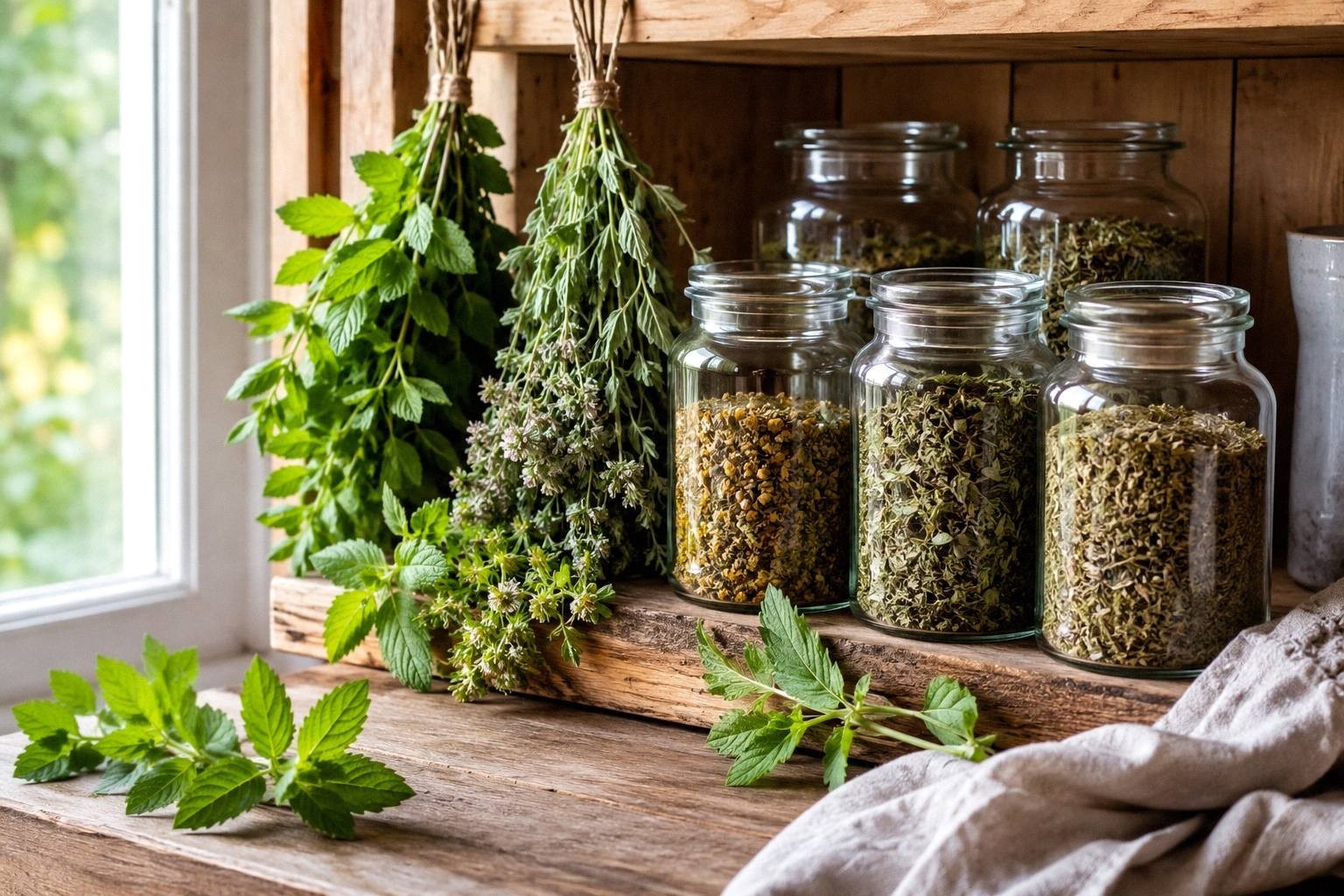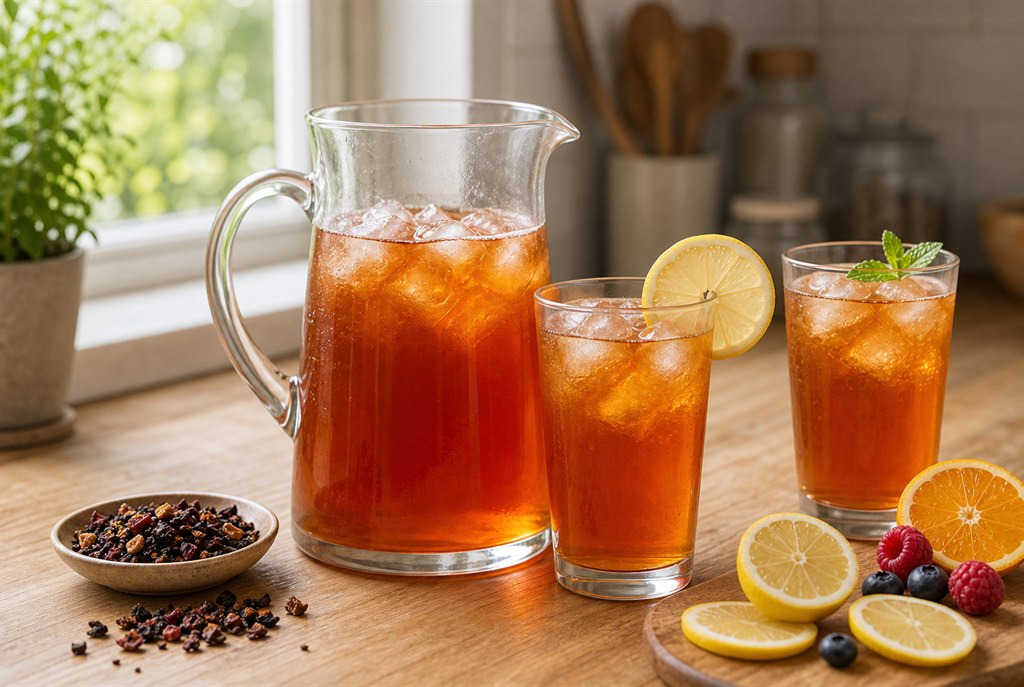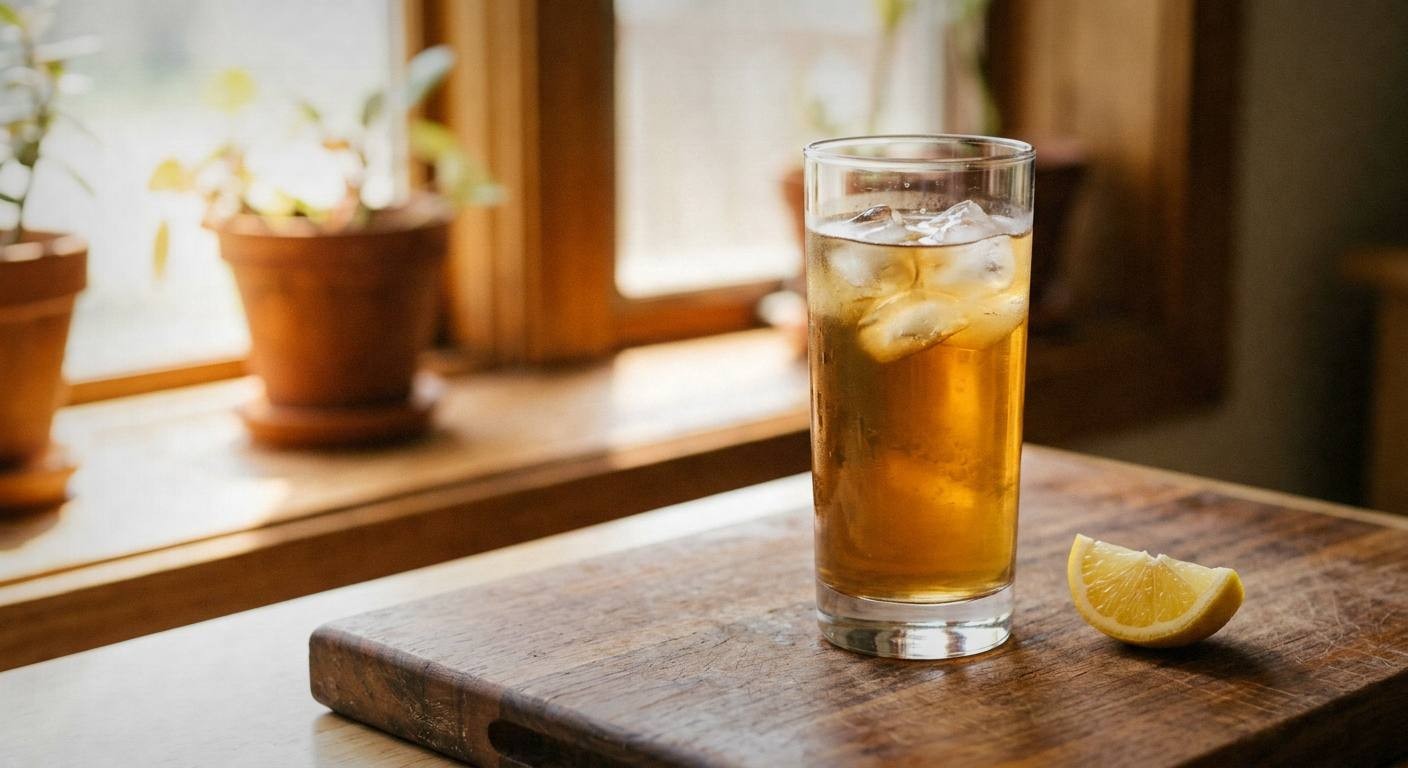
The former overnight room-temperature cold-steep instructions have been withdrawn. BfR advises preparing herbal teas with boiling water , because dried leaf products can contain pathogens. Refrigeration or longer steeping does not substitute for that preparation step.
The concentrated nettle, oatstraw and red clover blend below has no established dose, extraction yield or storage life on this page. Use a documented preparation for the correctly identified herbs and ask your clinician before making concentrated herbal blends a routine.
Why You Will Love This
This page records a concentrated blend whose original cold-steep process is withdrawn. The quantities do not establish a mineral yield, an energy benefit or a daily drinking dose.
The Story Behind It
This page formerly recommended a long cold steep. Color, taste and a traditional name do not establish mineral extraction or a safe brewing process. The concentrated blend needs documented preparation before a replacement recipe can be provided.
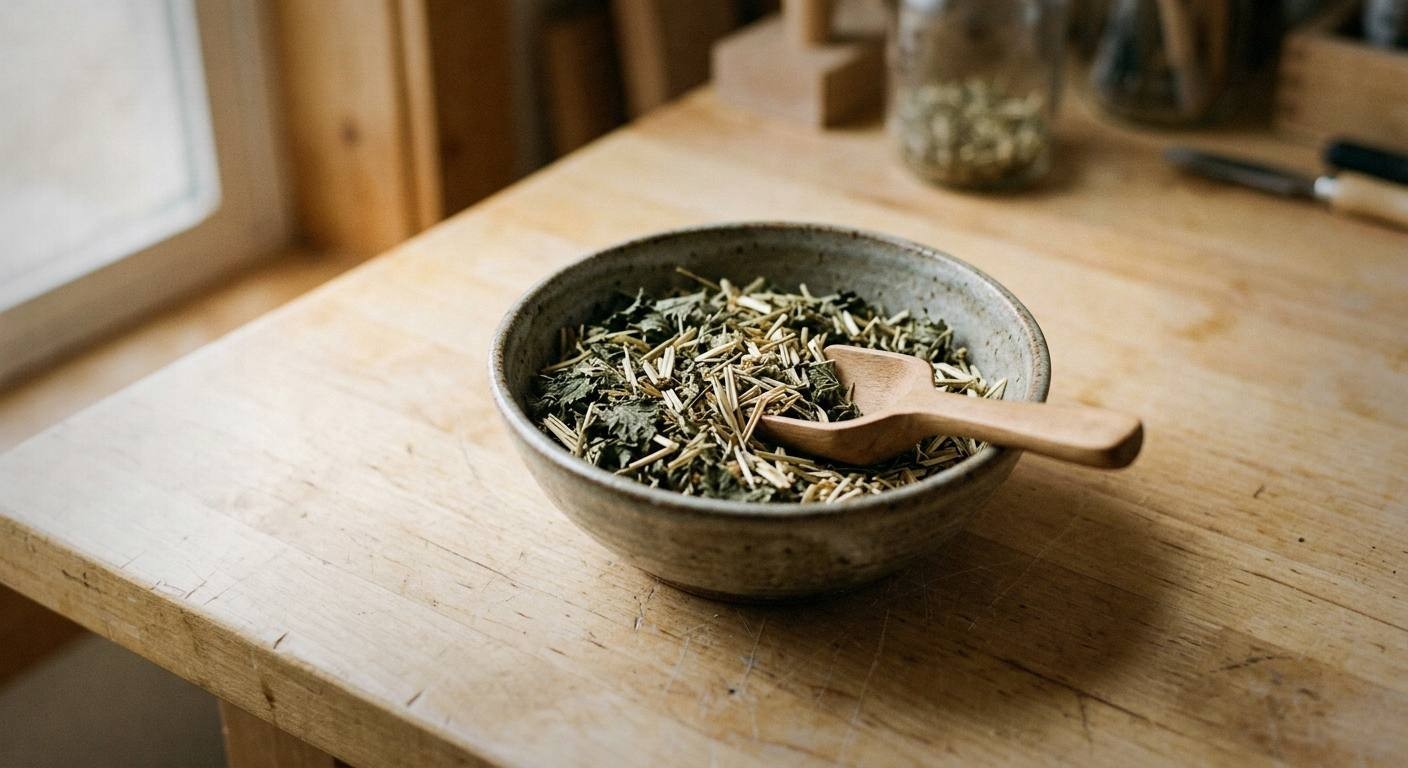
Original Formula Record
- 1 cup dried nettle leaf
- 1/2 cup dried oatstraw
- 1/4 cup dried red clover blossoms
- 1 quart filtered water, recorded in the withdrawn formula as room-temperature water
- Fresh lemon slices (optional, for serving)
- Ice cubes
The original list totals 1.75 cups dried herbs per quart of water. No extraction measurement or standard-tea comparison supports a benefit from this ratio.
Preparation limit
Do not follow the former 4-8-hour room-temperature cold steep. No replacement brewing process has been established for these blend quantities. The original quart of water plus 1.75 cups of dried herbs also cannot be assumed to fit in a quart jar or yield four full cups after straining.
The ingredient list records the original blend, rather than an established drinking dose. A safe preparation needs its own appropriate vessel, documented brewing method and measured strained yield.
Herbalist Notes
The recorded blend combines nettle leaf , oatstraw and red clover blossoms. Color and flavor do not measure nutrient extraction or establish calming, cleansing or energy effects.
Red clover contains isoflavones with estrogen-like structure. NCCIH reports no conclusive benefit for a health condition and cautions that supplements may be unsafe during pregnancy or breastfeeding. Those findings do not validate this concentrated tea blend.
Substitution limits
The former alfalfa, raspberry leaf, peppermint , lemon balm and horsetail additions have no established doses or preparation controls for this blend. They are not interchangeable safety equivalents. Choose a documented preparation rather than expanding a concentrated blend by guesswork.
Common Questions
What is a nutritive herbal infusion?
The term describes a concentrated herbal preparation. It does not establish a safe dose, brewing time or mineral yield. The former room-temperature cold-steep directions on this page are withdrawn.
How long should you steep a nutritive infusion?
Follow a documented preparation for the herb and product. This page no longer recommends an overnight room-temperature cold steep or a 24-hour room-temperature limit.
What herbs are best for nutritive infusions?
No interchangeable list of safe herbs or plant parts is established here. Identify the species and part, use a documented product-specific preparation and ask a clinician about concentrated or regular use.
How do you make a nutritive infusion?
Use documented brewing instructions for the correctly identified herbs. Boiling-water guidance does not establish the safety or dose of every concentrated blend; the original cold-steep process here is withdrawn.
Can I drink nutritive infusions every day?
This concentrated blend has no established daily-use dose. Ask a clinician about the specific herbs, products and your circumstances before regular use.
If you are pregnant, breastfeeding, taking medication or managing a health condition, discuss the identified herbs and products with your clinician. This page establishes no routine-use dose or replacement preparation.