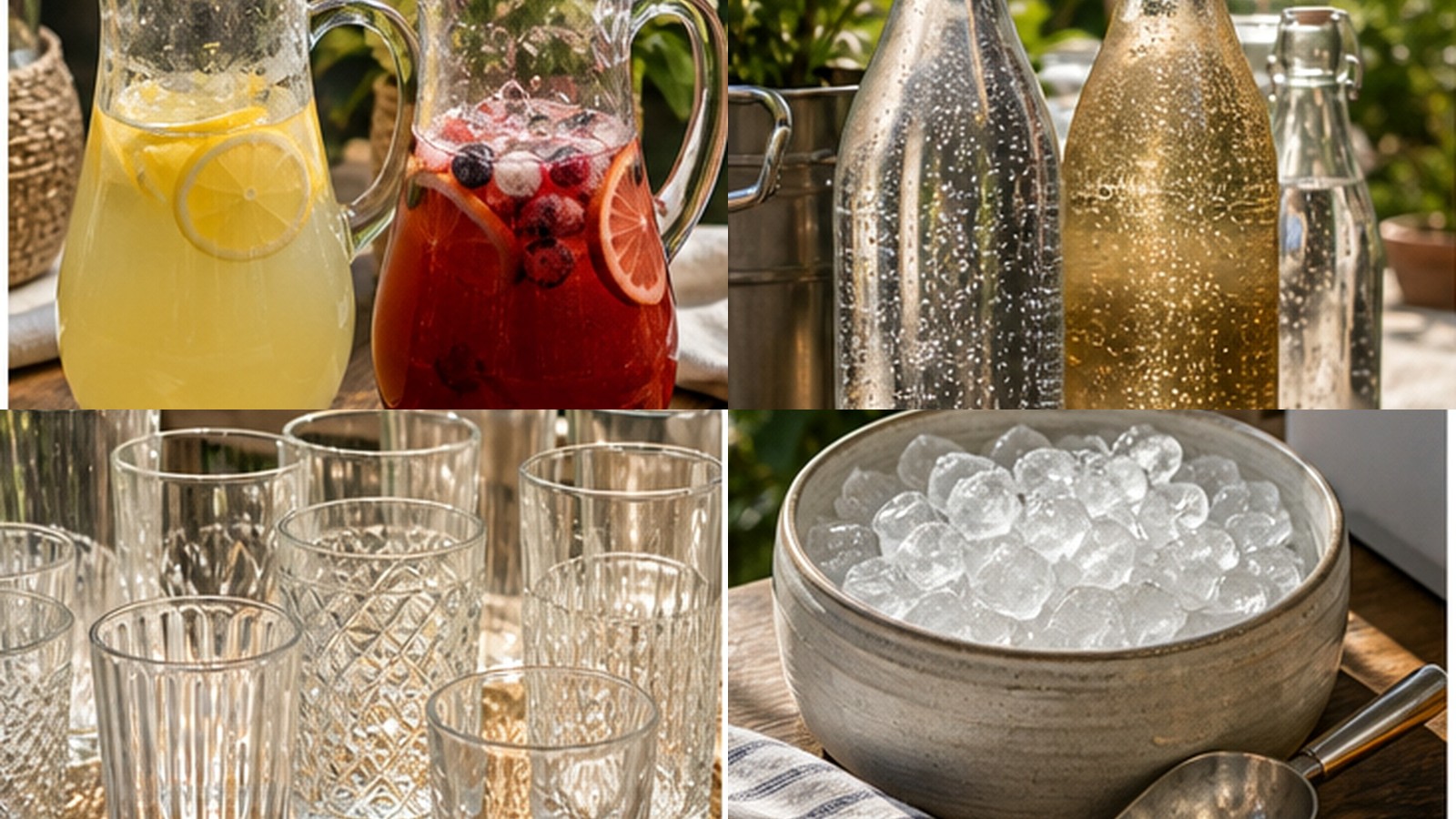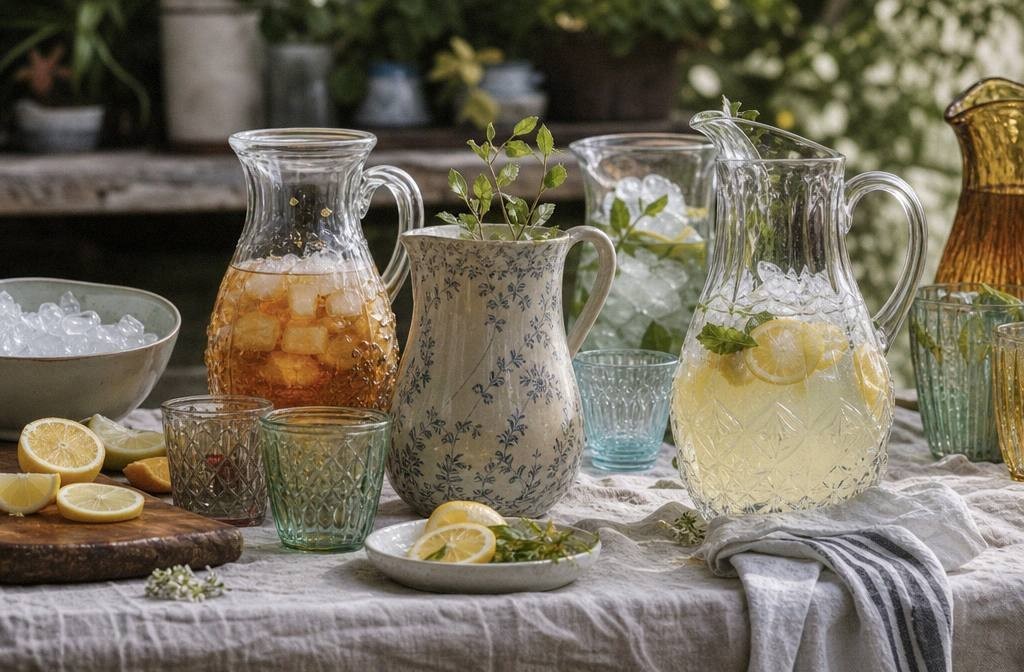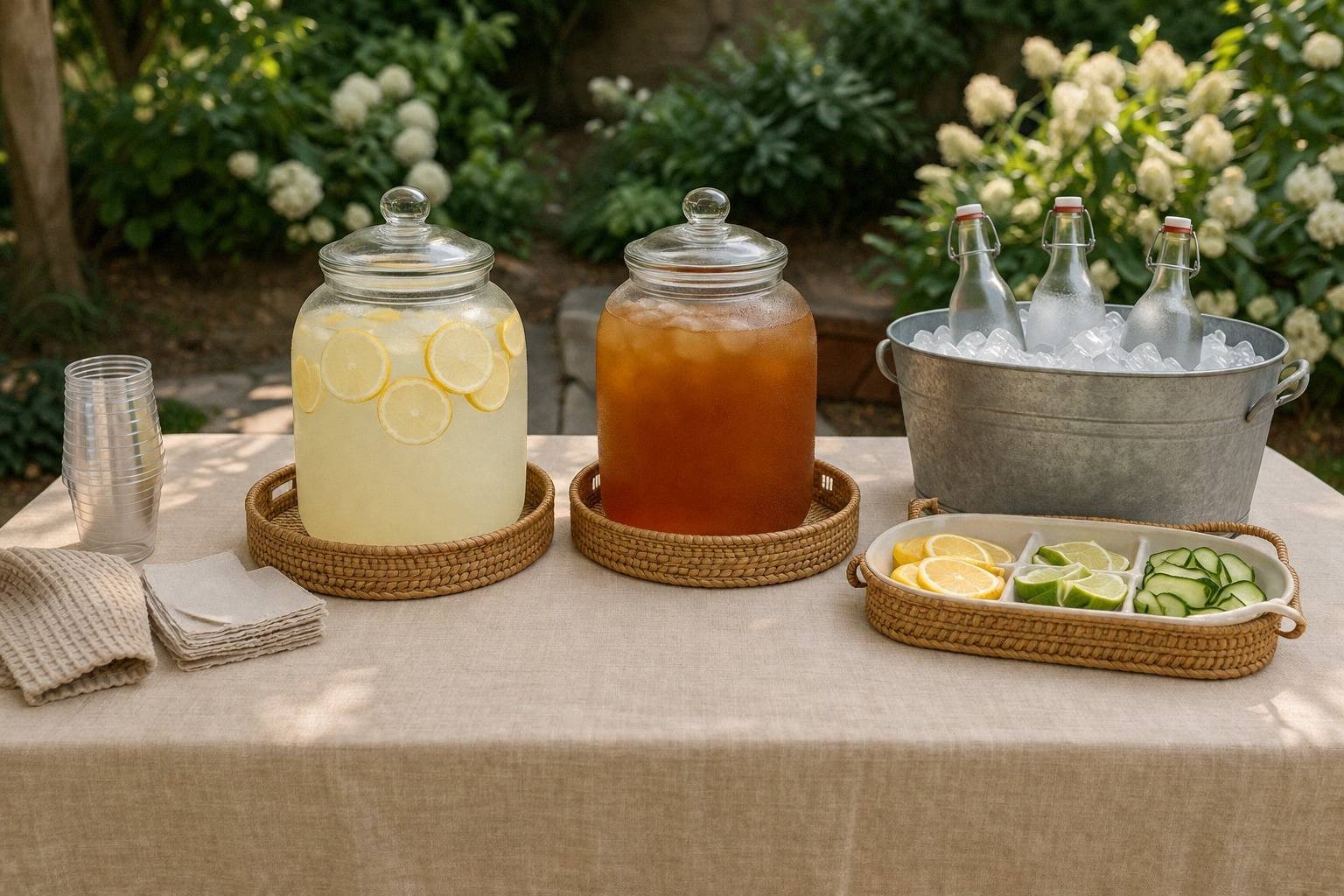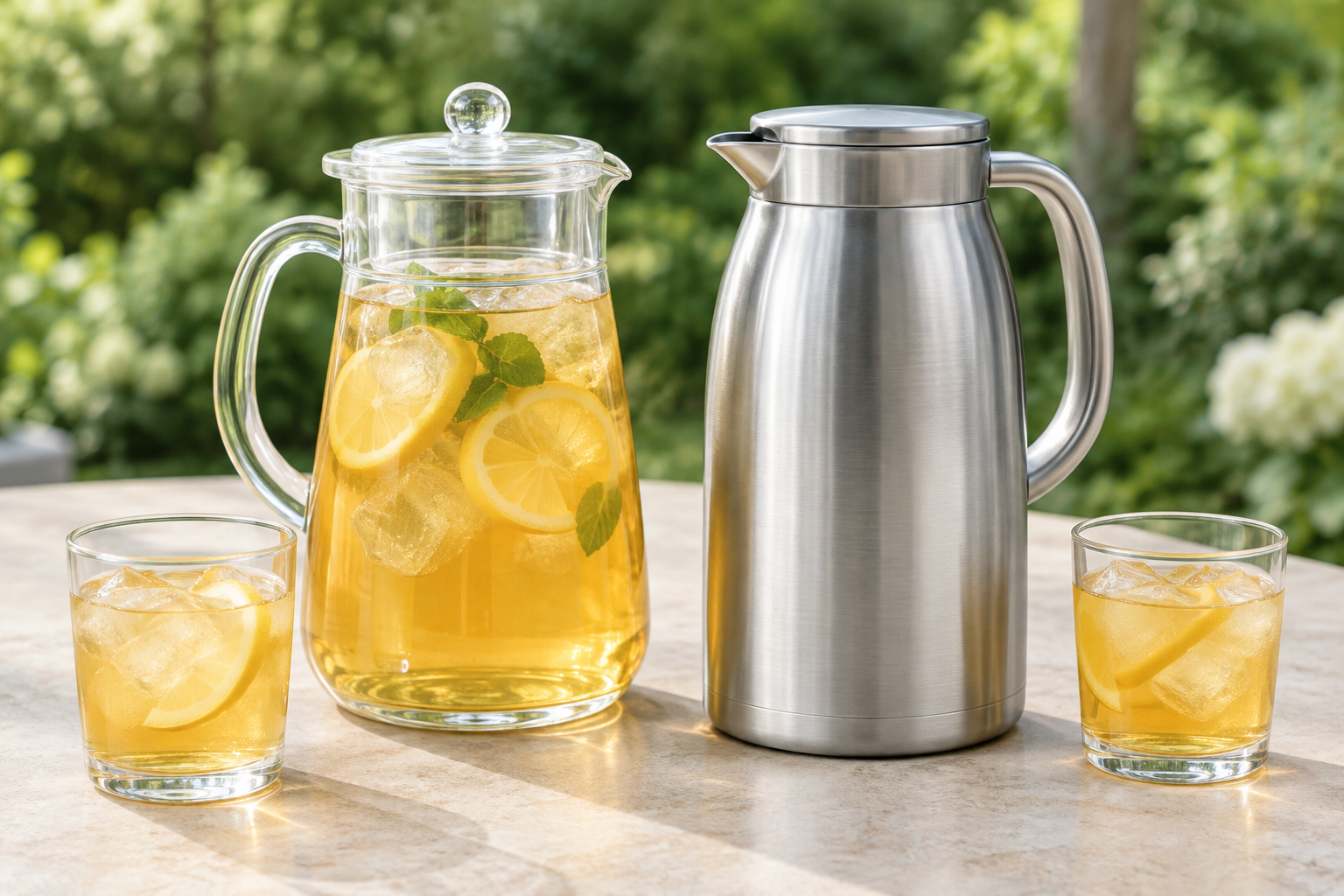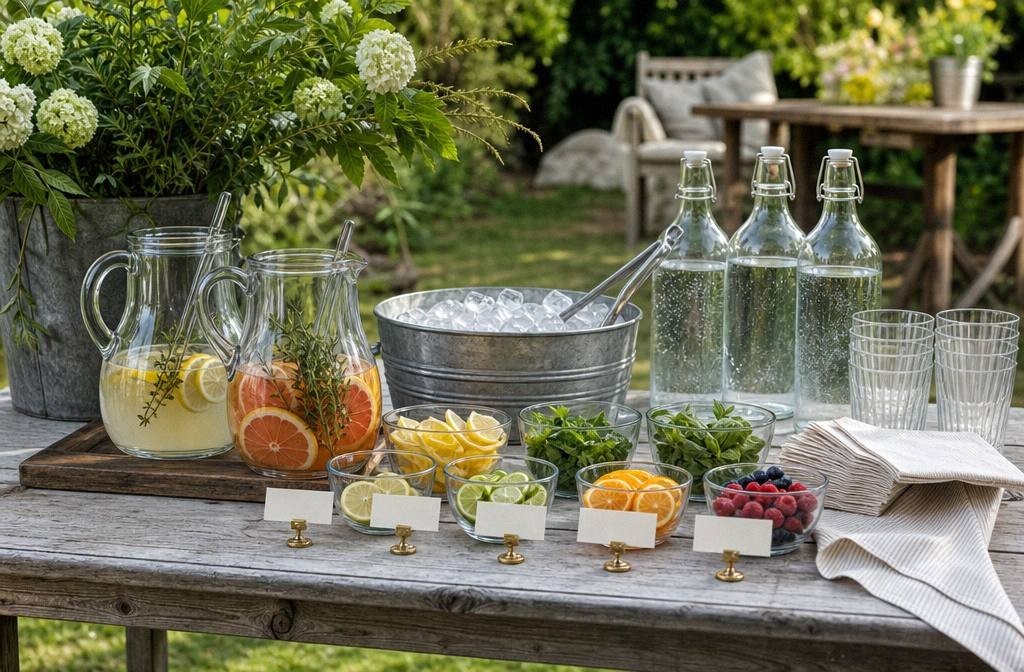
A self-serve mocktail bar only works if people can understand it in five seconds. Guests should know where to start, what to add, and how to finish the glass without calling you over every time.
That is the difference between a pretty drink table and one people actually use. Keep the choices clear, set everything in the order a drink gets built, and put alcohol on the side if you are serving both mocktails and cocktails.
Quick answer
A self-serve mocktail bar works when guests can see the order: glass, ice, base, bubbles, garnish. Keep the instructions simple enough that no one has to find you to ask what goes with what.
Mocktail bar flow checklist
- Glasses first
- Ice next
- Pitcher base
- Bubbles
- Garnish tray
- Small labels
- Towel and trash spot
Related helpful guides
- Self-Serve Mocktail Bar Essentials
- Batch Mocktails Guests Can Pour Themselves
- Garnish Tray Ideas Guests Actually Use
- Best Pitchers for Batch Mocktails
What to save from this guide
- The checklist above for the next time you shop, prep, host, or make the recipe
- The practical problem this guide solves before you spend money or set the table
At a Glance
| Detail | Info |
|---|---|
| Setup time | 25 to 35 minutes |
| Best for | Cookouts, baby showers, brunches, patio nights, and mixed-drink gatherings |
| Main idea | Two pitcher bases plus bubbles and garnish |
| Host relief | Guests can build and refill their own drinks |
| What to skip | Too many mixers, mystery syrups, and unlabeled pitchers |
| Save reason | Copy the setup before guests arrive |
Start With Two Bases
Do not start with six drink recipes. Start with two bases guests can understand.
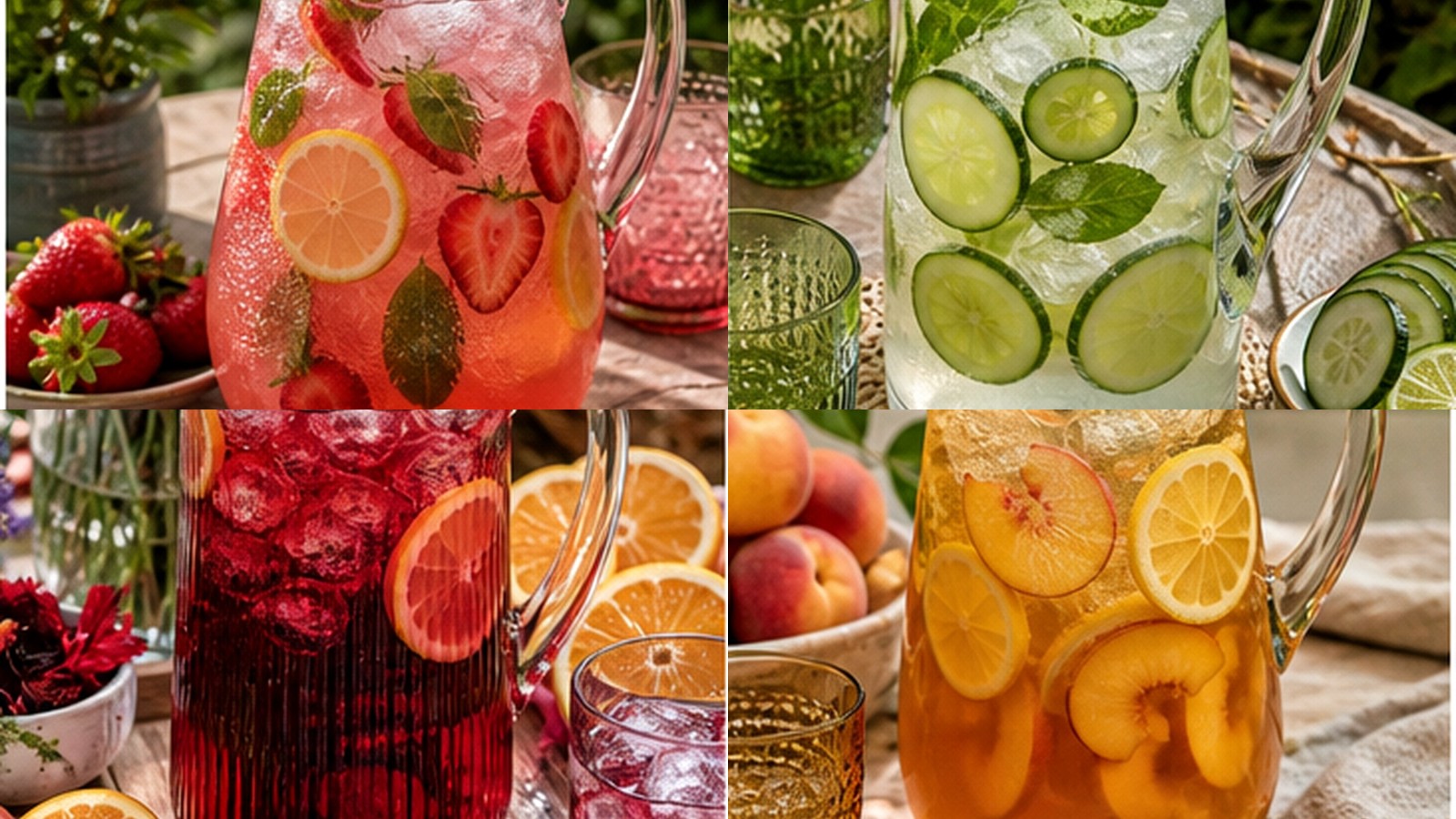
One base should be bright and fruity. Lemonade with berries, hibiscus tea with orange, peach tea with mint, or pineapple limeade with ginger all work.
The second base should be calmer. Cucumber mint water, cold green tea with lemon, rosemary citrus water, or unsweetened herbal iced tea gives people a lighter option.
Use a complete measured base recipe intended for dilution. The serving formula below gives the base and mixer portions.
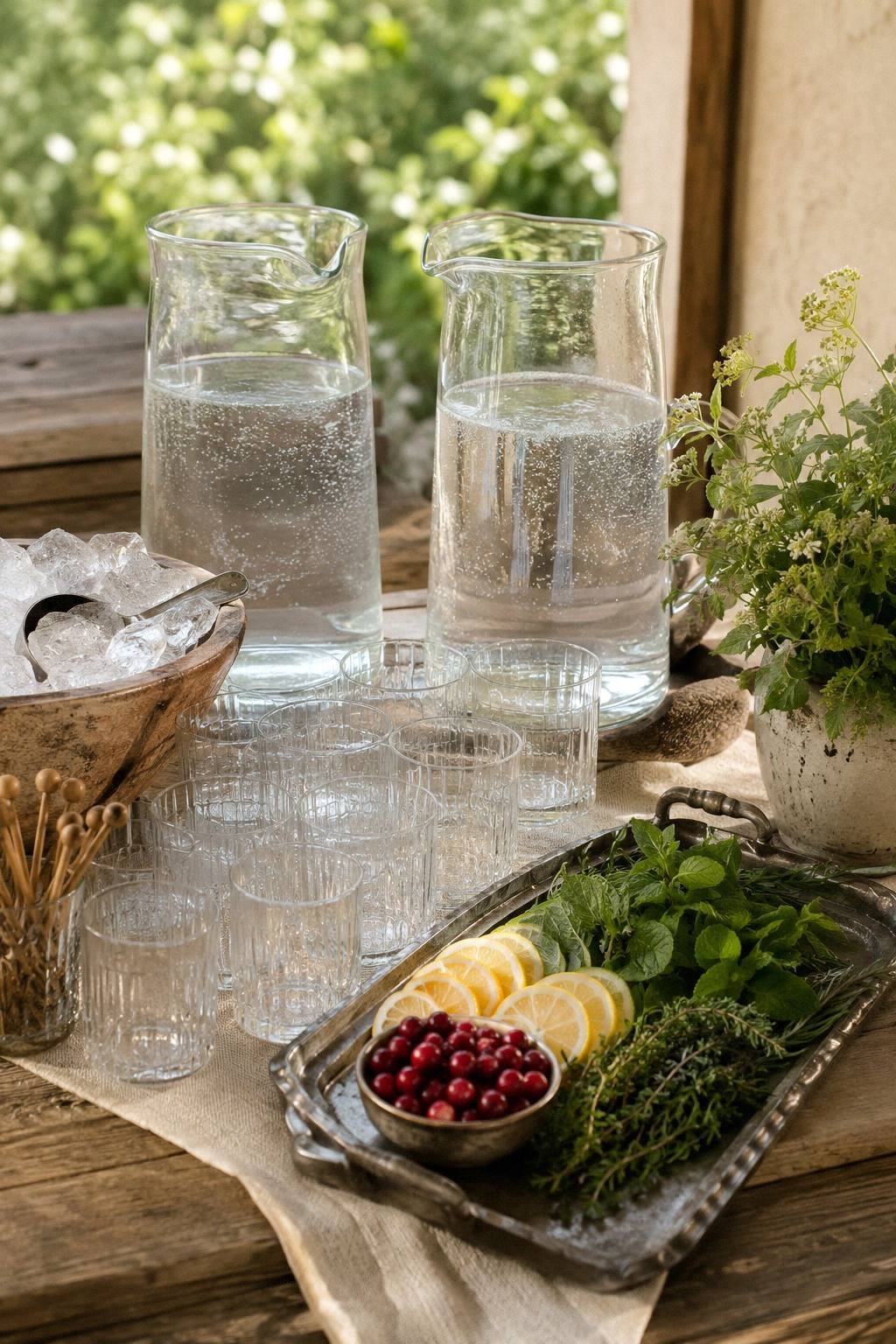
Put the Table in Drink Order
Guests should move left to right without thinking.
- Cups or glasses
- Ice
- Pitcher bases
- Sparkling water or ginger beer
- Citrus, herbs, berries, and garnish
- Napkins and a small towel
This sounds small, but it matters. If the cups are behind the pitcher or the ice is at the far end, people hesitate. The table gets messy, and suddenly you are explaining the setup to every person who walks up.
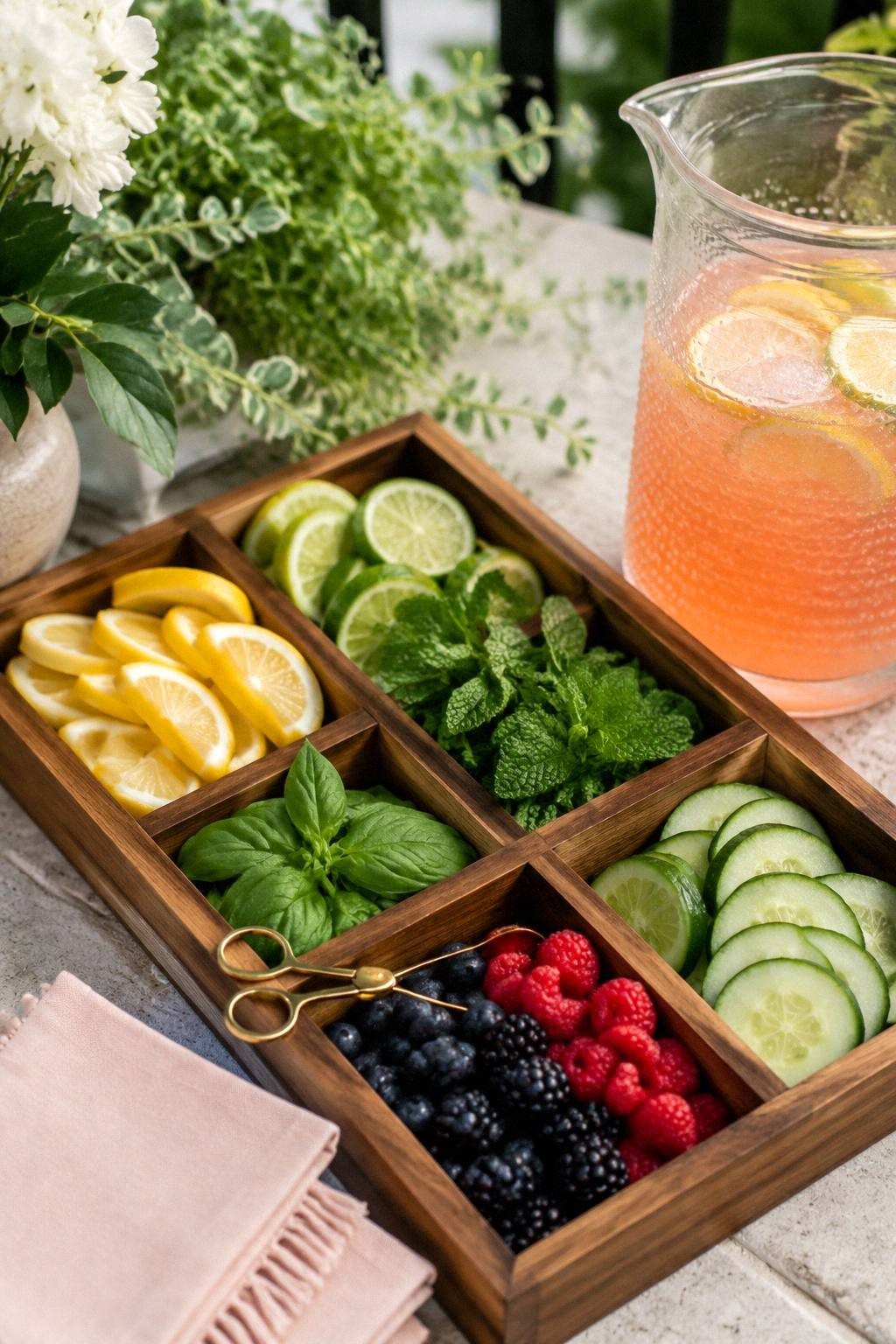
Use a tray to group the garnish. Lemon wheels, lime wedges, mint, basil, cucumber ribbons and berries can finish matching drinks. Keep cut garnishes in cold holding; rosemary sprigs belong in the table decorations. Put out tongs or a tiny spoon so people are not reaching into bowls.
Make the Labels Useful
Labels do not need to be cute. They need to answer the questions guests will ask.
Use labels like:
- Hibiscus orange tea
- Cucumber mint water
- Add bubbles last
- Ginger beer
- Mint and citrus
If the drink is unsweetened, say that. If one base is sweeter, say that too. People trust the table faster when they know what they are pouring.
For mixed mocktail and cocktail nights, label the non-alcoholic base first and keep spirits on the side. That lets everyone start with the same table, then guests can choose whether to add anything else.
Keep Alcohol Off the Main Flow
If you are serving cocktails too, do not bury the mocktail setup under bottles. Put spirits on a small side tray with one clear sign.
The main table should still work as a complete mocktail bar. Guests who are not drinking should not have to ask which pitcher is safe for them or whether the garnish has been mixed with alcohol.
A good side tray can hold:
- One bottle of gin, rum, tequila, or bourbon
- A jigger
- A small spoon
- A label that says “optional”
That is enough for a casual gathering. You do not need a full bar.
Choose Mixers That Do Real Work
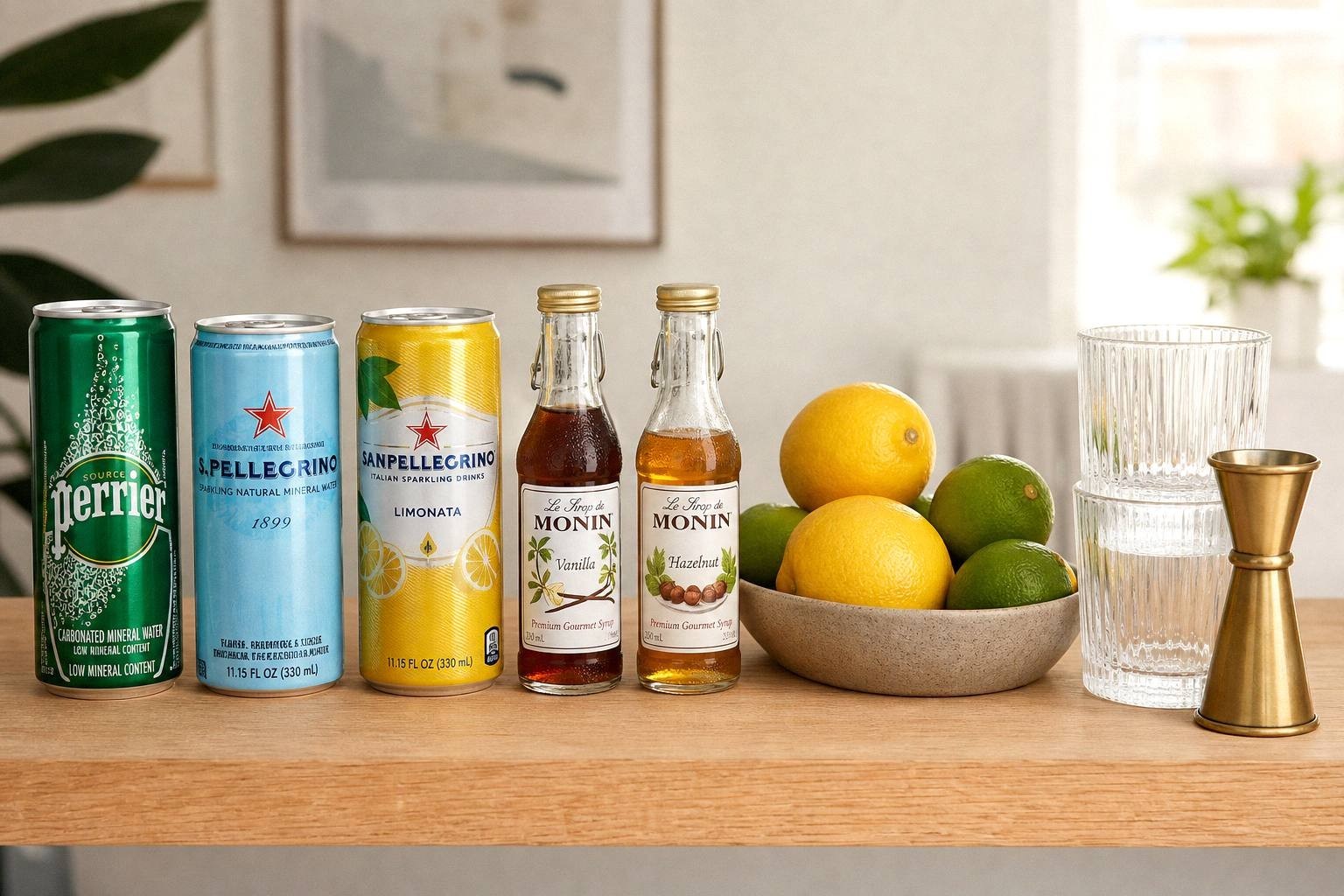
Sparkling water is the easiest finisher because it goes with nearly everything. Ginger beer adds bite. Tonic works with citrus and herbs, but not everyone likes the bitterness.
Pick one or two. More than that makes the table feel busy and gives you more half-empty bottles to carry back inside.
Keep bubbles chilled in a small tub or cooler beside the table. Do not pour sparkling water into the pitchers early. It goes flat, and the drink starts to taste tired.
Use a Smaller Ice Bowl
Put out a small bowl of ice and keep the refill bag in a cooler. A giant bowl melts fast outside, especially if the table sits in the sun.
Keep perishable bases and cut garnishes at 40 F (4 C) or below in effective ice/cold holding and check with a thermometer. Shade or replacing a warm pitcher every hour does not prove temperature control. Put out small clean chilled pitchers and replace them, rather than topping off a used vessel.
The Guest-Friendly Mocktail Formula
Keep the build simple enough for anyone to follow:
- Ice
- 3 fluid ounces chilled prepared pitcher base
- 3 fluid ounces chilled bubbles
- Citrus
- Herb or berry garnish
That is it. No shaking, no muddling, no confusing ratios.
If the drink needs a syrup, mix it into the base before guests arrive. Do not leave a syrup bottle on the table unless the flavor is very clear and the bottle is easy to pour.
Small Table Version
For a small patio, use one pitcher, one bottle of sparkling water, one bowl of ice, cups, citrus, and herbs. Keep refills inside.
The station does not need to hold the whole party. It only needs to hold the next few drinks without looking like clutter.
Common Questions
How many pitcher bases do I need?
Two pitcher bases are enough for most casual gatherings. One bright flavor and one lighter flavor give people a real choice without making the setup confusing.
What is the easiest mocktail bar for guests?
Use a pitcher base plus sparkling water. Guests only need to add ice, pour the base, top with bubbles, and garnish.
How do I keep the mocktail bar from looking messy?
Put everything in drink order, use labels, group garnish on one tray, and keep backup supplies off the table until you need them.
Can this work with cocktails too?
Yes. Keep the mocktail table complete on its own and put spirits on a side tray. That way everyone can use the same setup without guessing.
Measured Planning and Prepared Bases
The named lemonade, hibiscus orange, peach mint tea, pineapple ginger, cucumber mint, green tea lemon, rosemary citrus and herbal tea bases are flavor choices, not full homemade recipes on this layout page. Select a complete recipe or use a commercial ready-made product at its labeled dilution. Do not improvise woody-herb amounts or an unmeasured ‘stronger’ tea dose from this guide.
The house serving example is 3 fluid ounces chilled prepared base plus 3 fluid ounces soda over ice, with one washed matching citrus wheel or fresh mint/basil leaf. Use a 12-ounce glass. It yields 6 fluid ounces before melting and takes 5 minutes with components ready. A 2-quart base supplies about 21 full 3-ounce pours, with 1 ounce remaining, and requires 63 fluid ounces mixer for those pours. Two 2-quart bases provide 42 full pours, requiring 126 fluid ounces mixer, not an unspecified bottle count. For twelve glasses buy at least 36 fluid ounces base and 36 mixer; the small-table version follows the same measured portion. The 25-to-35-minute setup clock excludes homemade brewing/cooling or syrup preparation.
Check commercial ginger beer for alcohol labeling; do not assume fermentation is alcohol-free. Label caffeine, sweetening, allergens and optional alcohol. Rosemary/thyme may decorate the table; garnish drinks with an appropriate edible leaf or citrus used in that base. Wash hands and equipment. Rinse produce and culinary herbs under running water before cutting; scrub melons and cucumbers before peeling. Use only correctly identified ingredients grown for food, never florist flowers or plants treated with pesticides unsuitable for food crops. Refrigerate promptly in small clean containers at 40 F (4 C) or below. Discard after more than two cumulative hours without cold holding, or one hour above 90 F (32 C). Do not wait for a large batch to cool on the counter. Normal smell and appearance do not establish safety. Use finished homemade bases the day prepared or freeze without garnish; follow commercial labels when stricter. Keep a clean ice scoop and separate cooling ice from drink ice. No Recipe output is added to this hosting guide.