This original formula is withdrawn as a preparation guide while its process is unresolved. Do not use the quantities below to brew, taste or serve a batch. Use a culture supplier’s complete documented process instead; this page does not supply a replacement.
Why You Will Love This
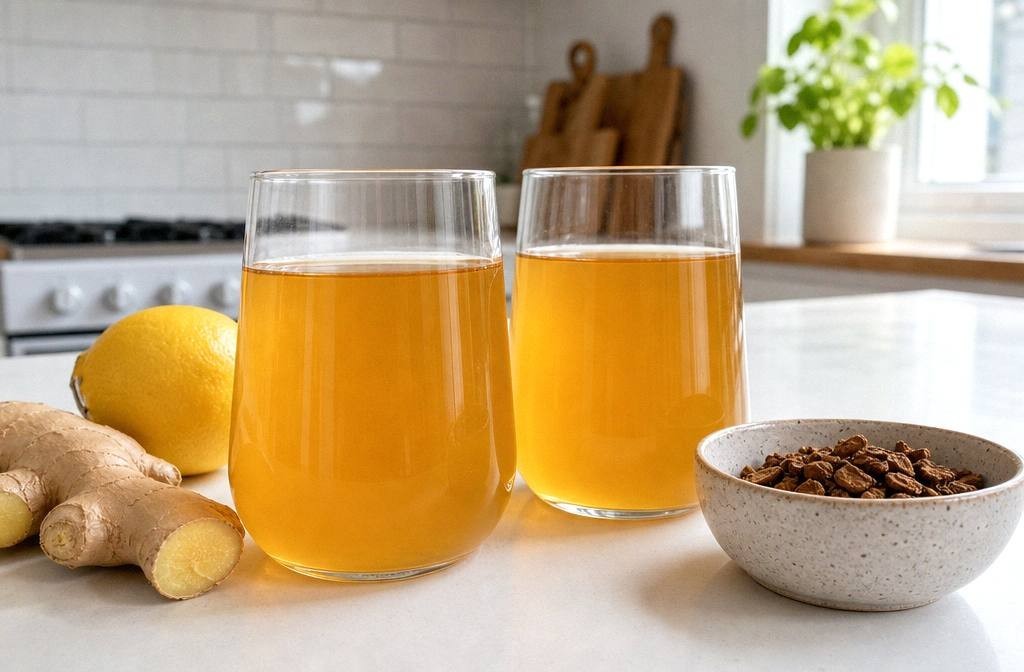
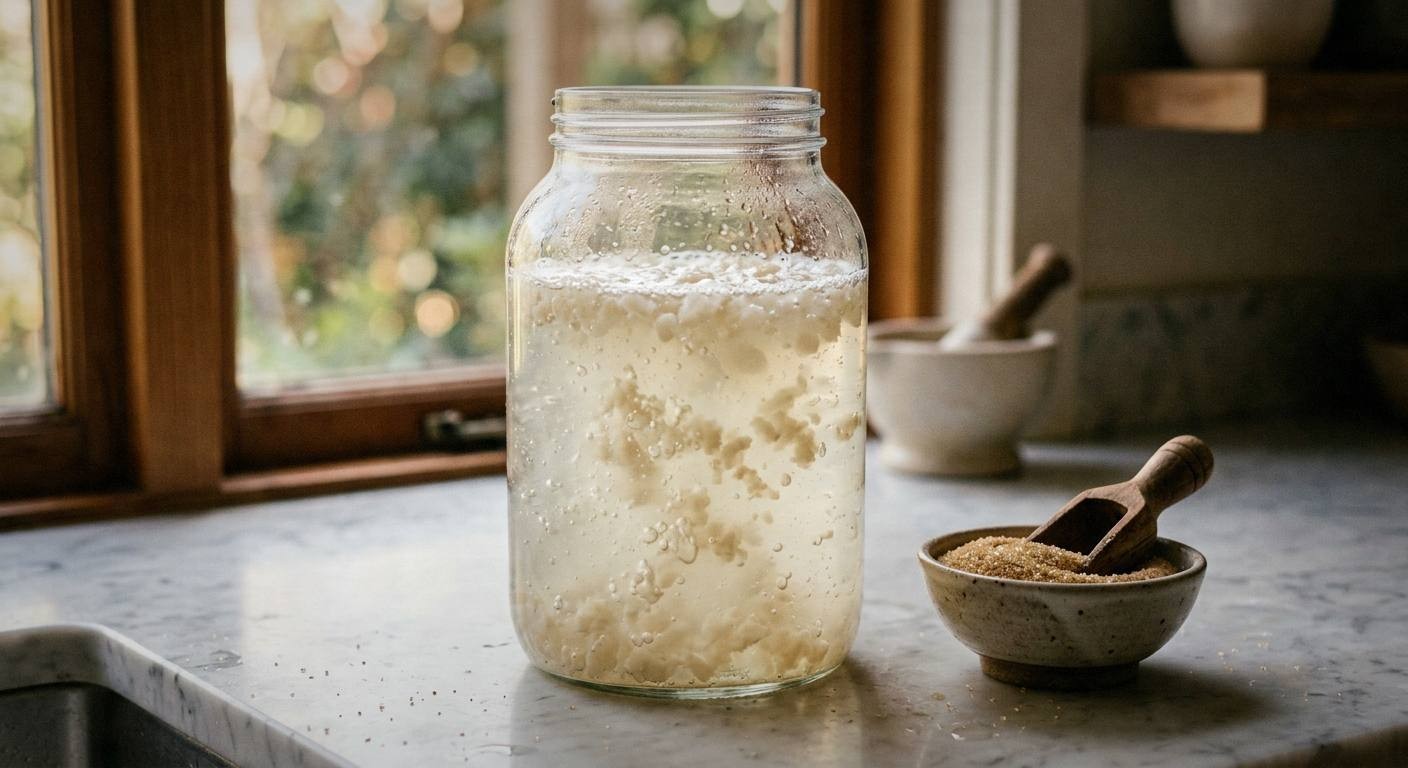
Water kefir is made with a culture in sweetened water. This page records a fig/lemon variation whose brewing and finished-storage controls remain unresolved.
The Story Behind It
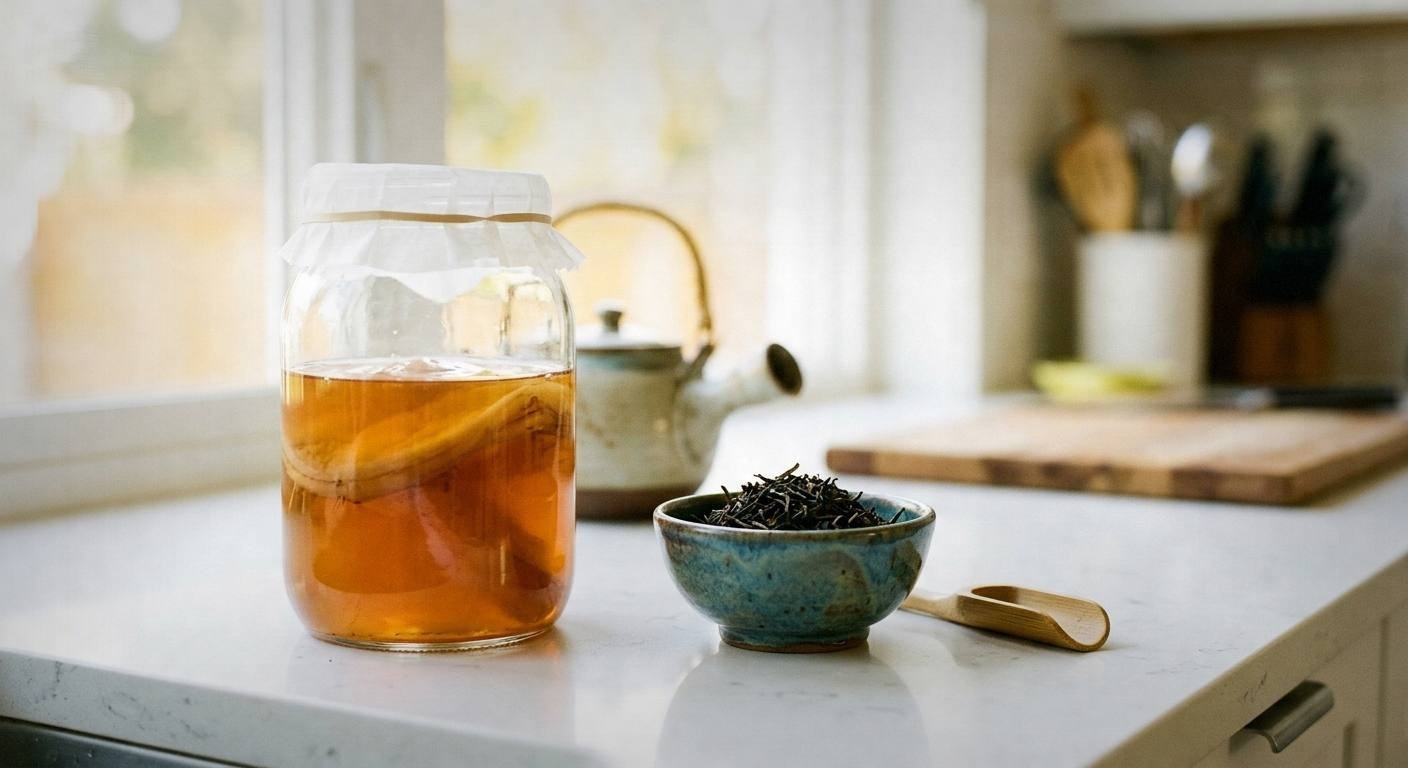
Fermentation uses microorganisms to change the starting liquid. Culture composition and the resulting acidity, alcohol, residual sugar and gas depend on the process. Appearance alone cannot identify every organism or establish safety.
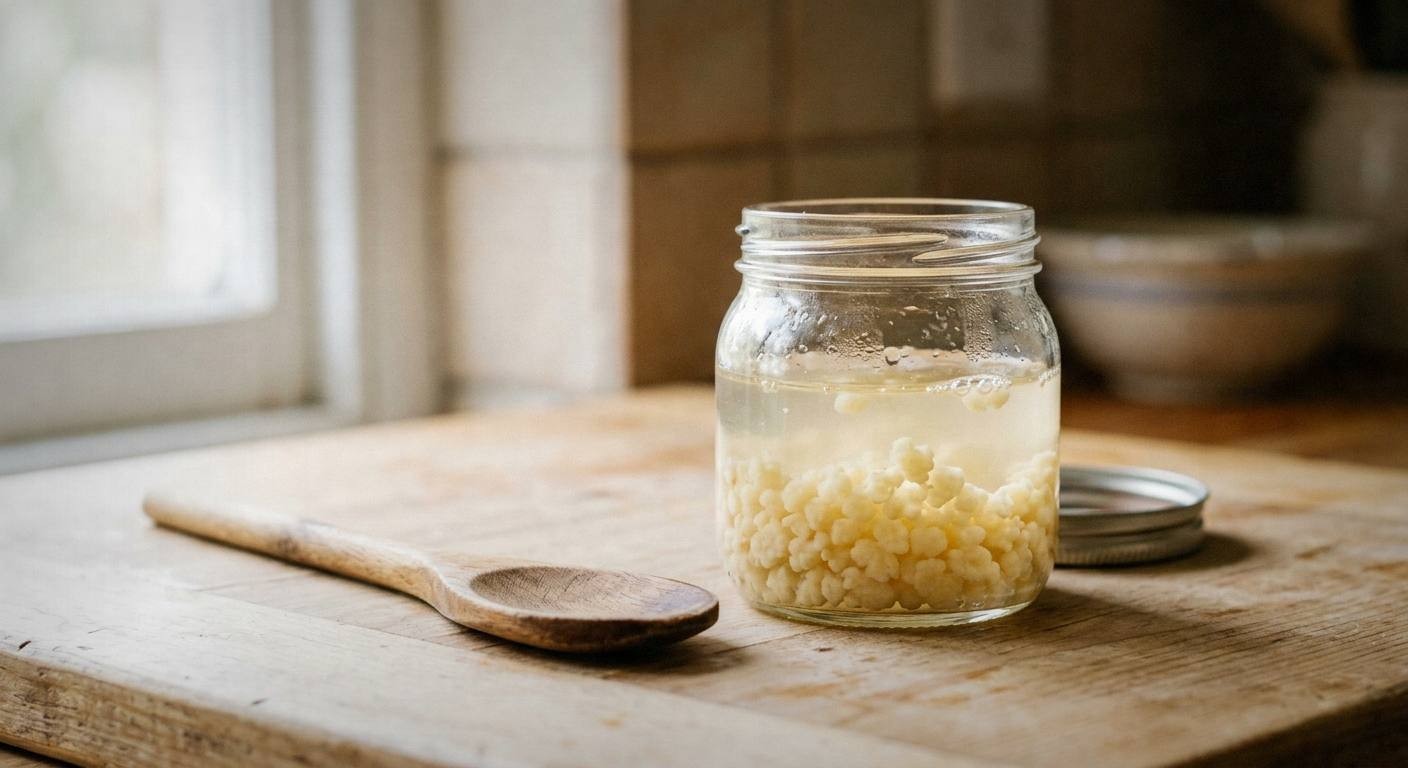
Original Formula Record
- 4 cups (946 ml) filtered or spring water, chlorine-free
- 1/4 cup (50 g) organic cane sugar
- 1/4 cup (60 ml) hydrated water kefir grains
- 1 unsulphured dried fig, halved
- 1 thin slice organic lemon
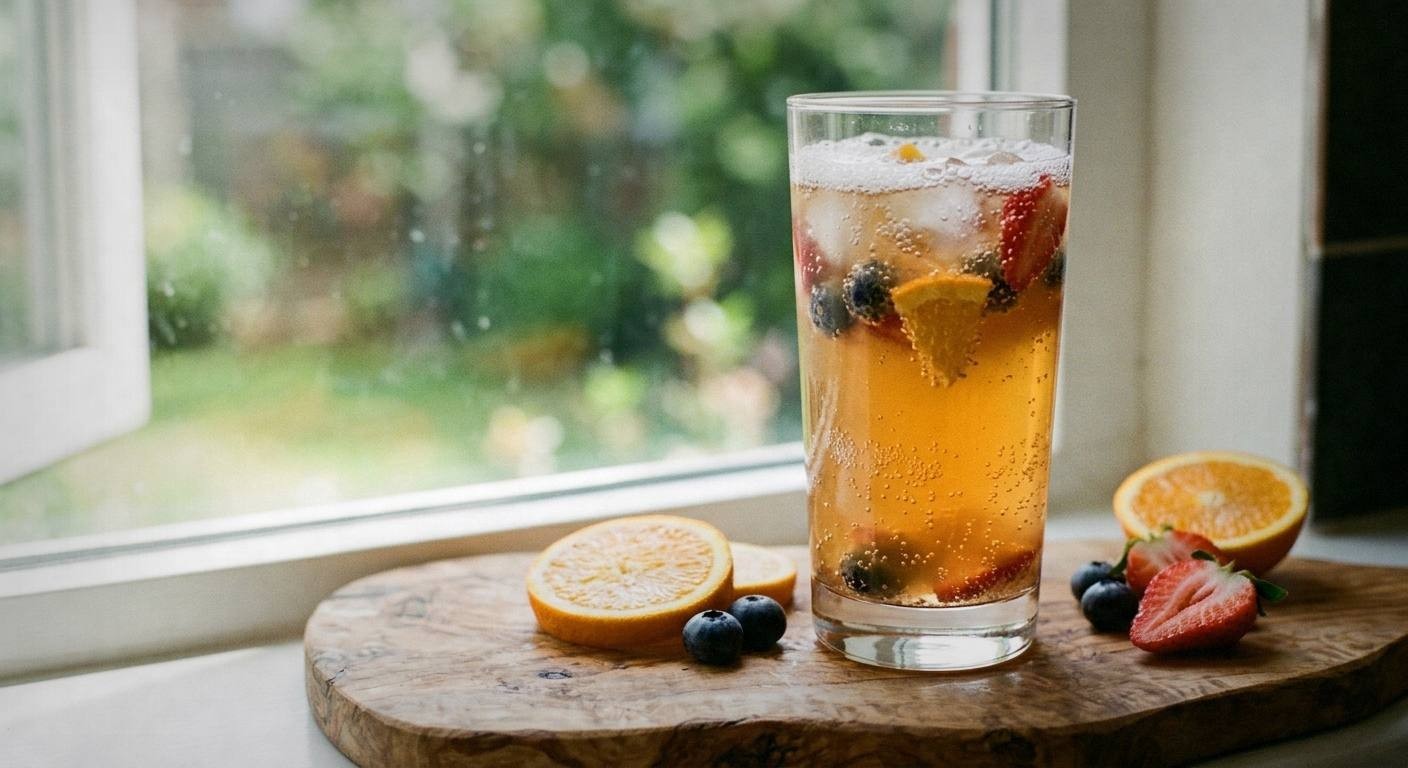
- Optional second fermentation: 1 cup sliced strawberries or 4-5 fresh mint leaves
How to Make It
This original formula is withdrawn as a preparation guide while its process is unresolved. Do not use the quantities below to brew, taste or serve a batch. Use a culture supplier’s complete documented process instead; this page does not supply a replacement.
Starter volume, elapsed days, surface growth, taste and fizz do not establish a safe finished batch. Acidity, culture conditions, suitable equipment, alcohol and storage need a documented process. The former warm sealed-bottle carbonation schedule remains withdrawn; daily opening does not guarantee pressure control.
Herbalist Notes
Minerals depend on your water and sugar. Cultures for Health explains that dried fruit and lemon are additions for minerals, not universal requirements. A fig is not an established acidity control.
Chlorine kills fermentation. City tap water often contains chlorine or chloramine, both of which damage beneficial bacteria. Use filtered water, spring water, or follow your water utility’s treatment advice. CDC says standing water does not remove chloramine.
A lemon slice does not establish pH. This recipe has no measured acidity or validated mold-prevention control. Use your culture supplier’s complete brewing directions.
Make It Your Own
The strawberry, mint and ginger options have no documented flavoring loads, pressure controls or finished storage life here. The former 12–24-hour warm bottle step remains withdrawn; do not drink the unresolved base or fruit variation after straining.
Common Questions
Do fruit, time or taste establish safety?
No. A lemon slice does not establish safe acidity, and sweetness, tang and fizz are not safety measurements. The former 3-cups-kefir plus 1-cup-fruit example was 3:1, despite being labeled 4:1; neither ratio validates a bottle process.
Is this gentler or better for digestion than kombucha?
This page establishes no comparative pH, tooth-enamel or digestive-health result. The drinks use different cultures and can have different flavors.
How should grains and finished drinks be stored?
Use the culture supplier’s documented storage and spoilage instructions. This original variation has no established one-week life, peak probiotic window or freeze/reactivation schedule. Do not skim an unidentified film and assume the rest is safe.
Source and process limits
Cultures for Health supports 1/4 cup sugar per quart and a 24-48-hour primary culture interval; its example uses 3.5 cups water, and it does not validate this fig/lemon and fruit variant. Cooling before adding grains is required. Flavoring, pressure, alcohol and finished shelf life remain process-dependent. This page supplies no validated warm-bottle carbonation schedule.